
Mandaraji Park
About Mandaraji Park
Description
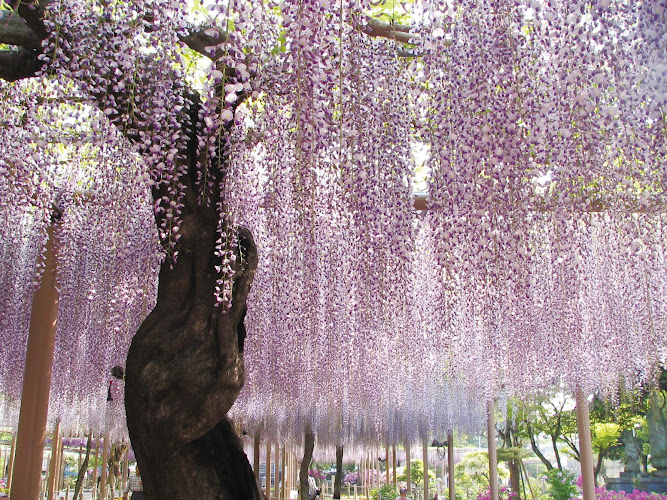
Mandaraji Park in Konan City stands as one of Japan's most spectacular wisteria destinations, where ancient temple grounds transform into a purple paradise each spring. This historic park surrounds the prestigious Mandaraji Temple, which dates back to the early 14th century and was founded at Emperor Godaigo's request. What makes this place truly special isn't just the stunning floral displays – it's the way history and nature dance together in perfect harmony. The park showcases around 60 wisteria plants representing 12 distinct varieties, each blooming at slightly different times throughout the season. And honestly, there's something almost magical about walking through these grounds when the flowers are in full swing. The fragrance alone will stop you in your tracks – that sweet, intoxicating scent that seems to wrap around you like a gentle embrace. But here's what most visitors don't realize: Mandaraji Park offers an experience that goes beyond just flower viewing. The temple's main hall and surrounding buildings hold national important cultural property status, meaning you're essentially walking through living history while enjoying one of nature's most beautiful shows. It's this combination of cultural significance and natural beauty that sets Mandaraji apart from other wisteria spots across Japan.Key Features
The park's attractions extend well beyond its famous wisteria displays, offering visitors a comprehensive experience that appeals to multiple senses and interests: • **Diverse Wisteria Collection**: Eleven different varieties ranging from early to late bloomers ensure extended viewing opportunities throughout the season • **Historic Temple Complex**: The 14th-century Mandaraji Temple with nationally designated cultural properties provides cultural depth to your visit • **Family-Friendly Environment**: Spacious grounds perfect for children to explore safely while adults enjoy the scenery • **Pet-Welcome Policy**: Well-behaved dogs are permitted, making it an ideal destination for pet-owning families • **Picnic Areas**: Designated spots where visitors can enjoy meals surrounded by blooming flowers • **Photography Opportunities**: Multiple vantage points and trellis arrangements create countless Instagram-worthy shots • **Color Variations**: Wisteria blooms in stunning arrays of purples, whites, and subtle reds create a painter's palette effect • **Aromatic Experience**: The intense fragrance of blooming wisteria creates an unforgettable sensory memory • **Festival Atmosphere**: During peak bloom, the park transforms with various festivities and cultural events • **Accessible Pathways**: Well-maintained walking paths accommodate visitors of all mobility levelsBest Time to Visit
Timing your visit to Mandaraji Park can make or break your experience, and I've learned this the hard way through years of flower chasing across Japan. The optimal window falls between mid-April and early May, coinciding with the annual Konan Wisteria Festival. But here's the thing about wisteria – it's incredibly weather-dependent, so those dates aren't set in stone. Early morning visits, particularly around 8-9 AM, offer the best combination of soft lighting and fewer crowds. The morning dew on the petals creates an almost ethereal atmosphere that photographers absolutely love. Plus, you'll have more space to move around and really appreciate the intricate details of each flower cluster. Weather plays a crucial role in bloom timing. A warm spring can push flowering earlier, while cooler temperatures might delay peak bloom by a week or more. That's why I always recommend checking local bloom reports or the park's official updates before making concrete travel plans. Weekend visits during peak season can get quite crowded, especially during Golden Week holidays. If you're someone who prefers a more peaceful experience, consider visiting on weekdays. The trade-off? You might miss some of the festival activities, but you'll gain that serene, contemplative atmosphere that makes Japanese gardens so special. Late afternoon visits have their own charm too. The golden hour light filtering through the wisteria creates dramatic shadows and highlights that can be absolutely stunning. And honestly, there's something romantic about watching the sun set through cascading purple blooms.How to Get There
Getting to Mandaraji Park requires a bit of planning, but the journey is part of the adventure. The park is located in Konan City, Aichi Prefecture, which puts it within reasonable reach of major cities like Nagoya and even day-trip distance from Tokyo if you're feeling ambitious. From Nagoya, your best bet is taking the Meitetsu railway system. The most convenient route involves taking the Meitetsu Inuyama Line to Konan Station, then either walking about 20 minutes or catching a local bus. The walk isn't too bad if the weather's nice – it gives you a chance to see some local neighborhoods and get into the right mindset for your temple park visit. If you're coming from Tokyo, you'll need to factor in about 3-4 hours of travel time. Take the JR Tokaido Shinkansen to Nagoya, then transfer to the local Meitetsu lines. Yes, it's a bit of a journey, but when you see those wisteria cascades in person, you'll understand why people make this pilgrimage. Driving is definitely an option, especially if you're planning to explore other areas of Aichi Prefecture. The park has parking facilities, though spaces fill up quickly during festival periods. I'd recommend arriving early if you choose to drive – like, really early. We're talking before 8 AM during peak bloom times. For international visitors, the most straightforward approach is flying into Nagoya's Chubu Centrair International Airport, then taking the train connections mentioned above. The airport has good English signage and helpful staff who can assist with directions.Tips for Visiting
After multiple visits to Mandaraja Park over the years, I've picked up some insights that can really enhance your experience. First off, bring a light jacket even if the weather forecast looks warm. Temple grounds tend to be cooler than surrounding areas, and you'll likely be there for several hours if you really want to soak everything in. Photography enthusiasts should pack a polarizing filter – it really helps cut through any haze and makes those purple blooms pop against green foliage. And don't forget to look up! Some of the most spectacular wisteria displays are overhead on trellises, creating natural purple ceilings that are absolutely breathtaking. The public restrooms are clean and well-maintained, but there's usually a line during peak visiting hours. Plan accordingly, especially if you're traveling with children. Speaking of kids, this park is genuinely kid-friendly. The paths are wide enough for strollers, and there's plenty of open space for little ones to burn off energy between flower viewing sessions. If you're bringing your dog, keep them on a short leash and be mindful of other visitors. The crowds can get dense during festival periods, and not everyone is comfortable around pets, even friendly ones. Pack some snacks and drinks, especially if you're visiting during the festival. While there are usually food vendors, the lines can be long and prices tend to be inflated. Finding a quiet spot for a picnic among the wisteria is honestly one of the most peaceful experiences you can have in Japan. Don't rush your visit. I see too many people trying to speed through, snapping quick photos and moving on. The beauty of Mandaraji Park reveals itself slowly. Sit on one of the benches, close your eyes, and just listen to the sounds around you – bees buzzing, children laughing, the gentle rustle of leaves in the breeze. Finally, respect the cultural significance of the location. This isn't just a pretty park – it's sacred ground with centuries of history. Keep voices down near the temple buildings, don't touch the flowers or climb on structures, and remember that you're a guest in this special place.Key Features
- Key Features
- Best Time to Visit
- How to Get There
- Tips for Visiting
More Details
Updated September 24, 2025
Table of Contents
Description
Mandaraji Park in Konan City stands as one of Japan’s most spectacular wisteria destinations, where ancient temple grounds transform into a purple paradise each spring. This historic park surrounds the prestigious Mandaraji Temple, which dates back to the early 14th century and was founded at Emperor Godaigo’s request. What makes this place truly special isn’t just the stunning floral displays – it’s the way history and nature dance together in perfect harmony.
The park showcases around 60 wisteria plants representing 12 distinct varieties, each blooming at slightly different times throughout the season. And honestly, there’s something almost magical about walking through these grounds when the flowers are in full swing. The fragrance alone will stop you in your tracks – that sweet, intoxicating scent that seems to wrap around you like a gentle embrace.
But here’s what most visitors don’t realize: Mandaraji Park offers an experience that goes beyond just flower viewing. The temple’s main hall and surrounding buildings hold national important cultural property status, meaning you’re essentially walking through living history while enjoying one of nature’s most beautiful shows. It’s this combination of cultural significance and natural beauty that sets Mandaraji apart from other wisteria spots across Japan.
Key Features
The park’s attractions extend well beyond its famous wisteria displays, offering visitors a comprehensive experience that appeals to multiple senses and interests:
• **Diverse Wisteria Collection**: Eleven different varieties ranging from early to late bloomers ensure extended viewing opportunities throughout the season
• **Historic Temple Complex**: The 14th-century Mandaraji Temple with nationally designated cultural properties provides cultural depth to your visit
• **Family-Friendly Environment**: Spacious grounds perfect for children to explore safely while adults enjoy the scenery
• **Pet-Welcome Policy**: Well-behaved dogs are permitted, making it an ideal destination for pet-owning families
• **Picnic Areas**: Designated spots where visitors can enjoy meals surrounded by blooming flowers
• **Photography Opportunities**: Multiple vantage points and trellis arrangements create countless Instagram-worthy shots
• **Color Variations**: Wisteria blooms in stunning arrays of purples, whites, and subtle reds create a painter’s palette effect
• **Aromatic Experience**: The intense fragrance of blooming wisteria creates an unforgettable sensory memory
• **Festival Atmosphere**: During peak bloom, the park transforms with various festivities and cultural events
• **Accessible Pathways**: Well-maintained walking paths accommodate visitors of all mobility levels
Best Time to Visit
Timing your visit to Mandaraji Park can make or break your experience, and I’ve learned this the hard way through years of flower chasing across Japan. The optimal window falls between mid-April and early May, coinciding with the annual Konan Wisteria Festival. But here’s the thing about wisteria – it’s incredibly weather-dependent, so those dates aren’t set in stone.
Early morning visits, particularly around 8-9 AM, offer the best combination of soft lighting and fewer crowds. The morning dew on the petals creates an almost ethereal atmosphere that photographers absolutely love. Plus, you’ll have more space to move around and really appreciate the intricate details of each flower cluster.
Weather plays a crucial role in bloom timing. A warm spring can push flowering earlier, while cooler temperatures might delay peak bloom by a week or more. That’s why I always recommend checking local bloom reports or the park’s official updates before making concrete travel plans.
Weekend visits during peak season can get quite crowded, especially during Golden Week holidays. If you’re someone who prefers a more peaceful experience, consider visiting on weekdays. The trade-off? You might miss some of the festival activities, but you’ll gain that serene, contemplative atmosphere that makes Japanese gardens so special.
Late afternoon visits have their own charm too. The golden hour light filtering through the wisteria creates dramatic shadows and highlights that can be absolutely stunning. And honestly, there’s something romantic about watching the sun set through cascading purple blooms.
How to Get There
Getting to Mandaraji Park requires a bit of planning, but the journey is part of the adventure. The park is located in Konan City, Aichi Prefecture, which puts it within reasonable reach of major cities like Nagoya and even day-trip distance from Tokyo if you’re feeling ambitious.
From Nagoya, your best bet is taking the Meitetsu railway system. The most convenient route involves taking the Meitetsu Inuyama Line to Konan Station, then either walking about 20 minutes or catching a local bus. The walk isn’t too bad if the weather’s nice – it gives you a chance to see some local neighborhoods and get into the right mindset for your temple park visit.
If you’re coming from Tokyo, you’ll need to factor in about 3-4 hours of travel time. Take the JR Tokaido Shinkansen to Nagoya, then transfer to the local Meitetsu lines. Yes, it’s a bit of a journey, but when you see those wisteria cascades in person, you’ll understand why people make this pilgrimage.
Driving is definitely an option, especially if you’re planning to explore other areas of Aichi Prefecture. The park has parking facilities, though spaces fill up quickly during festival periods. I’d recommend arriving early if you choose to drive – like, really early. We’re talking before 8 AM during peak bloom times.
For international visitors, the most straightforward approach is flying into Nagoya’s Chubu Centrair International Airport, then taking the train connections mentioned above. The airport has good English signage and helpful staff who can assist with directions.
Tips for Visiting
After multiple visits to Mandaraja Park over the years, I’ve picked up some insights that can really enhance your experience. First off, bring a light jacket even if the weather forecast looks warm. Temple grounds tend to be cooler than surrounding areas, and you’ll likely be there for several hours if you really want to soak everything in.
Photography enthusiasts should pack a polarizing filter – it really helps cut through any haze and makes those purple blooms pop against green foliage. And don’t forget to look up! Some of the most spectacular wisteria displays are overhead on trellises, creating natural purple ceilings that are absolutely breathtaking.
The public restrooms are clean and well-maintained, but there’s usually a line during peak visiting hours. Plan accordingly, especially if you’re traveling with children. Speaking of kids, this park is genuinely kid-friendly. The paths are wide enough for strollers, and there’s plenty of open space for little ones to burn off energy between flower viewing sessions.
If you’re bringing your dog, keep them on a short leash and be mindful of other visitors. The crowds can get dense during festival periods, and not everyone is comfortable around pets, even friendly ones.
Pack some snacks and drinks, especially if you’re visiting during the festival. While there are usually food vendors, the lines can be long and prices tend to be inflated. Finding a quiet spot for a picnic among the wisteria is honestly one of the most peaceful experiences you can have in Japan.
Don’t rush your visit. I see too many people trying to speed through, snapping quick photos and moving on. The beauty of Mandaraji Park reveals itself slowly. Sit on one of the benches, close your eyes, and just listen to the sounds around you – bees buzzing, children laughing, the gentle rustle of leaves in the breeze.
Finally, respect the cultural significance of the location. This isn’t just a pretty park – it’s sacred ground with centuries of history. Keep voices down near the temple buildings, don’t touch the flowers or climb on structures, and remember that you’re a guest in this special place.
Key Highlights
- Key Features
- Best Time to Visit
- How to Get There
- Tips for Visiting
Location
Places to Stay Near Mandaraji Park
Find and Book a Tour
Explore More Travel Guides
No reviews found! Be the first to review!
Traveler Reviews for Mandaraji Park
There are no reviews yet. Be the first one to write one.
Have you visited Mandaraji Park? Help other travelers by sharing your review.
You Might Also Like

Noichi Zoological Park

Mandara-ji Temple

Joraku-ji
Find Accommodations Nearby
Recommended Tours & Activities
Visitor Reviews
There are no reviews yet. Be the first one to write one.
Share Your Experience
Have you visited Mandaraji Park? Help other travelers by leaving a review.