

Mandara-ji Temple
About Mandara-ji Temple
Description
Mandara-ji Temple is one of those places that quietly gets under your skin. It doesn’t shout for attention. It doesn’t try to impress you with size or spectacle. Instead, it works slowly, the way good travel memories often do. You walk in thinking it’s just another Buddhist temple in Japan, and you leave a couple hours later realizing you’ve been oddly calm the whole time. That’s not an accident.
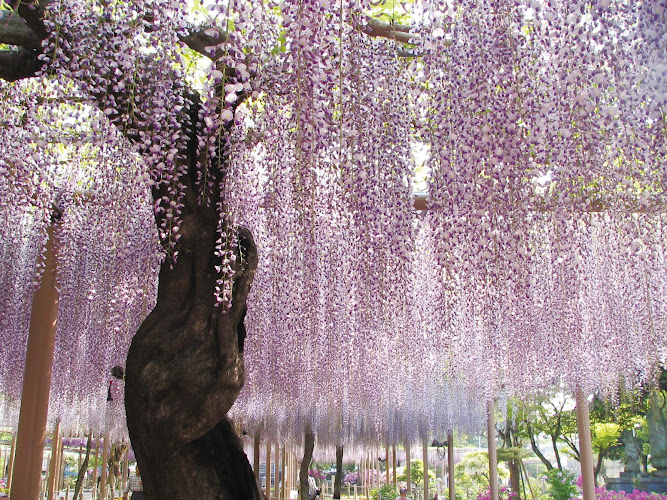
This Buddhist temple complex is especially known for its landscaped courtyard, carefully trimmed gardens, and, most famously, its Japanese wisteria. If you’ve seen photos online, yes, the wisteria really does look like that in real life. Long purple blossoms hanging like curtains, swaying a little when the breeze kicks up. I remember visiting during a wisteria bloom season and standing there longer than planned, phone forgotten in my pocket. It felt rude to interrupt the moment with a camera.
The temple grounds are thoughtfully arranged, not flashy, but deliberate. Paths curve gently rather than running straight, which naturally slows you down. And slowing down is kind of the point here. You’ll notice small details if you give it time: the way moss grows between stones, the subtle scent of incense drifting from the main hall, the sound of gravel underfoot. And yes, sometimes a tour group breaks the silence, but that’s real life, not a meditation retreat.
Mandara-ji functions both as a working Buddhist temple and as a tourist attraction, and that balance shows. There are areas that feel deeply spiritual, and others clearly designed so visitors can wander comfortably. It’s not overly commercialized, but it’s not hidden either. There are restrooms on site, which you’ll appreciate more than you think after a long day of temple hopping.
One thing worth noting, and this matters for planning, is that accessibility is limited. There aren’t wheelchair-accessible entrances or parking areas, and some paths are uneven. It’s manageable for most visitors, but it’s not effortless. I say this because I once watched an older couple carefully navigate the stone steps, helping each other along. It was sweet, but also a reminder to come prepared.
What makes Mandara-ji Temple stand out, at least in this writer’s opinion, is its mood. Some temples feel grand. Others feel ancient and stern. Mandara-ji feels lived-in. Like it’s been quietly doing its thing for centuries, and visitors are simply allowed to witness that for a while.
Key Features
- Renowned Japanese wisteria that blooms spectacularly in season, creating shaded walkways and photo-worthy views
- Landscaped courtyard designed for slow walking and contemplation, not rushing from point A to B
- Manicured gardens that change character with each season, from fresh greens to deeper autumn tones
- Traditional Buddhist architecture that feels authentic rather than restored-for-tourists
- Quiet atmosphere compared to larger, more famous temple complexes
- On-site restrooms, which is a practical but very real bonus for travelers
- Photography-friendly spaces without aggressive restrictions, as long as visitors stay respectful
Best Time to Visit
If you’re planning your visit around visuals, then wisteria season is the obvious choice. Typically, this falls in late spring, and during that window Mandara-ji Temple is at its most photogenic. The purple blossoms dominate the scene, and the whole place feels slightly unreal, like you wandered into a painting. But, fair warning, this is also when crowds peak. Not unbearable, but noticeable.
Early mornings during bloom season are golden. Fewer people, softer light, and a cooler temperature that makes wandering pleasant. I once arrived shortly after opening, coffee still warming my hands, and it felt like the temple was just waking up too. Birds were louder than people. That doesn’t last all day.
Outside of wisteria season, Mandara-ji is calmer, and honestly, underrated. Summer brings lush greenery, though humidity can be a challenge. Autumn is quieter still, with subtle color shifts rather than dramatic leaf explosions. Winter is sparse, a bit austere, but peaceful in a monk-like way. If you enjoy having space to think, off-season visits are surprisingly rewarding.
Weekdays are almost always better than weekends. Japanese domestic tourism tends to spike on weekends, and Mandara-ji does attract locals looking for a gentle day trip. If you can, aim for a weekday morning. Your future self will thank you.
How to Get There
Mandara-ji Temple is reachable via public transportation, which is how most travelers arrive. Trains and local transit get you close enough, followed by a short walk that eases you into the visit. That walk matters more than you’d expect. It’s a mental transition from everyday Japan to temple-time Japan.
For those driving, parking options exist nearby, though they can fill up quickly during peak seasons. If you’re renting a car, factor in extra time to find parking, especially during wisteria bloom. I once circled the area longer than planned and arrived slightly annoyed, which is not the best headspace for a temple visit. Lesson learned.
Clear signage helps guide visitors, and locals are generally kind if you look lost. A simple gesture or a polite question goes a long way. Even if there’s a language barrier, pointing and smiling usually does the trick. Travel isn’t always about efficiency, right?
Tips for Visiting
First tip: don’t rush it. Mandara-ji Temple rewards slow travelers. Plan to spend at least an hour, more if you’re the reflective type. Sit somewhere. Watch other visitors. Notice how people behave differently here, quieter, softer. It’s interesting.
Wear comfortable shoes. This seems obvious, but temple grounds mean walking on stone, gravel, and occasionally uneven paths. Fashion can wait. Your feet will complain otherwise.
Bring water, especially in warmer months. There are restrooms, but don’t expect vending machines everywhere. Staying hydrated keeps you patient, and patience helps you appreciate places like this.
If photography is your thing, be mindful. The wisteria draws cameras like magnets, but remember that this is a religious site first. Avoid blocking paths, and don’t climb or lean where you shouldn’t. I’ve seen people get scolded, gently but firmly, and it’s awkward for everyone.
For travelers with mobility concerns, plan carefully. As mentioned earlier, accessibility is limited. If stairs or uneven ground are challenging, consider bringing assistance or choosing quieter times when you won’t feel rushed by others.
Lastly, check your expectations. Mandara-ji isn’t trying to be the most famous temple in Japan. And that’s exactly why it works. If you arrive expecting fireworks, you’ll miss the subtle beauty. But if you come curious, open, and a little unhurried, there’s a good chance this place will stick with you longer than you expect.
Travel has a funny way of surprising you. Sometimes it’s the places you didn’t hype up that linger the longest in memory. Mandara-ji Temple, with its wisteria-draped paths and unassuming charm, is very much one of those places.
Key Features
- Renowned Japanese wisteria that blooms spectacularly in season, creating shaded walkways and photo-worthy views
- Landscaped courtyard designed for slow walking and contemplation, not rushing from point A to B
- Manicured gardens that change character with each season, from fresh greens to deeper autumn tones
- Traditional Buddhist architecture that feels authentic rather than restored-for-tourists
- Quiet atmosphere compared to larger, more famous temple complexes
- On-site restrooms, which is a practical but very real bonus for travelers
- Photography-friendly spaces without aggressive restrictions, as long as visitors stay respectful
More Details
Updated December 31, 2025
Table of Contents
Description
Mandara-ji Temple is one of those places that quietly gets under your skin. It doesn’t shout for attention. It doesn’t try to impress you with size or spectacle. Instead, it works slowly, the way good travel memories often do. You walk in thinking it’s just another Buddhist temple in Japan, and you leave a couple hours later realizing you’ve been oddly calm the whole time. That’s not an accident.
This Buddhist temple complex is especially known for its landscaped courtyard, carefully trimmed gardens, and, most famously, its Japanese wisteria. If you’ve seen photos online, yes, the wisteria really does look like that in real life. Long purple blossoms hanging like curtains, swaying a little when the breeze kicks up. I remember visiting during a wisteria bloom season and standing there longer than planned, phone forgotten in my pocket. It felt rude to interrupt the moment with a camera.
The temple grounds are thoughtfully arranged, not flashy, but deliberate. Paths curve gently rather than running straight, which naturally slows you down. And slowing down is kind of the point here. You’ll notice small details if you give it time: the way moss grows between stones, the subtle scent of incense drifting from the main hall, the sound of gravel underfoot. And yes, sometimes a tour group breaks the silence, but that’s real life, not a meditation retreat.
Mandara-ji functions both as a working Buddhist temple and as a tourist attraction, and that balance shows. There are areas that feel deeply spiritual, and others clearly designed so visitors can wander comfortably. It’s not overly commercialized, but it’s not hidden either. There are restrooms on site, which you’ll appreciate more than you think after a long day of temple hopping.
One thing worth noting, and this matters for planning, is that accessibility is limited. There aren’t wheelchair-accessible entrances or parking areas, and some paths are uneven. It’s manageable for most visitors, but it’s not effortless. I say this because I once watched an older couple carefully navigate the stone steps, helping each other along. It was sweet, but also a reminder to come prepared.
What makes Mandara-ji Temple stand out, at least in this writer’s opinion, is its mood. Some temples feel grand. Others feel ancient and stern. Mandara-ji feels lived-in. Like it’s been quietly doing its thing for centuries, and visitors are simply allowed to witness that for a while.
Key Features
- Renowned Japanese wisteria that blooms spectacularly in season, creating shaded walkways and photo-worthy views
- Landscaped courtyard designed for slow walking and contemplation, not rushing from point A to B
- Manicured gardens that change character with each season, from fresh greens to deeper autumn tones
- Traditional Buddhist architecture that feels authentic rather than restored-for-tourists
- Quiet atmosphere compared to larger, more famous temple complexes
- On-site restrooms, which is a practical but very real bonus for travelers
- Photography-friendly spaces without aggressive restrictions, as long as visitors stay respectful
Best Time to Visit
If you’re planning your visit around visuals, then wisteria season is the obvious choice. Typically, this falls in late spring, and during that window Mandara-ji Temple is at its most photogenic. The purple blossoms dominate the scene, and the whole place feels slightly unreal, like you wandered into a painting. But, fair warning, this is also when crowds peak. Not unbearable, but noticeable.
Early mornings during bloom season are golden. Fewer people, softer light, and a cooler temperature that makes wandering pleasant. I once arrived shortly after opening, coffee still warming my hands, and it felt like the temple was just waking up too. Birds were louder than people. That doesn’t last all day.
Outside of wisteria season, Mandara-ji is calmer, and honestly, underrated. Summer brings lush greenery, though humidity can be a challenge. Autumn is quieter still, with subtle color shifts rather than dramatic leaf explosions. Winter is sparse, a bit austere, but peaceful in a monk-like way. If you enjoy having space to think, off-season visits are surprisingly rewarding.
Weekdays are almost always better than weekends. Japanese domestic tourism tends to spike on weekends, and Mandara-ji does attract locals looking for a gentle day trip. If you can, aim for a weekday morning. Your future self will thank you.
How to Get There
Mandara-ji Temple is reachable via public transportation, which is how most travelers arrive. Trains and local transit get you close enough, followed by a short walk that eases you into the visit. That walk matters more than you’d expect. It’s a mental transition from everyday Japan to temple-time Japan.
For those driving, parking options exist nearby, though they can fill up quickly during peak seasons. If you’re renting a car, factor in extra time to find parking, especially during wisteria bloom. I once circled the area longer than planned and arrived slightly annoyed, which is not the best headspace for a temple visit. Lesson learned.
Clear signage helps guide visitors, and locals are generally kind if you look lost. A simple gesture or a polite question goes a long way. Even if there’s a language barrier, pointing and smiling usually does the trick. Travel isn’t always about efficiency, right?
Tips for Visiting
First tip: don’t rush it. Mandara-ji Temple rewards slow travelers. Plan to spend at least an hour, more if you’re the reflective type. Sit somewhere. Watch other visitors. Notice how people behave differently here, quieter, softer. It’s interesting.
Wear comfortable shoes. This seems obvious, but temple grounds mean walking on stone, gravel, and occasionally uneven paths. Fashion can wait. Your feet will complain otherwise.
Bring water, especially in warmer months. There are restrooms, but don’t expect vending machines everywhere. Staying hydrated keeps you patient, and patience helps you appreciate places like this.
If photography is your thing, be mindful. The wisteria draws cameras like magnets, but remember that this is a religious site first. Avoid blocking paths, and don’t climb or lean where you shouldn’t. I’ve seen people get scolded, gently but firmly, and it’s awkward for everyone.
For travelers with mobility concerns, plan carefully. As mentioned earlier, accessibility is limited. If stairs or uneven ground are challenging, consider bringing assistance or choosing quieter times when you won’t feel rushed by others.
Lastly, check your expectations. Mandara-ji isn’t trying to be the most famous temple in Japan. And that’s exactly why it works. If you arrive expecting fireworks, you’ll miss the subtle beauty. But if you come curious, open, and a little unhurried, there’s a good chance this place will stick with you longer than you expect.
Travel has a funny way of surprising you. Sometimes it’s the places you didn’t hype up that linger the longest in memory. Mandara-ji Temple, with its wisteria-draped paths and unassuming charm, is very much one of those places.
Key Highlights
- Renowned Japanese wisteria that blooms spectacularly in season, creating shaded walkways and photo-worthy views
- Landscaped courtyard designed for slow walking and contemplation, not rushing from point A to B
- Manicured gardens that change character with each season, from fresh greens to deeper autumn tones
- Traditional Buddhist architecture that feels authentic rather than restored-for-tourists
- Quiet atmosphere compared to larger, more famous temple complexes
- On-site restrooms, which is a practical but very real bonus for travelers
- Photography-friendly spaces without aggressive restrictions, as long as visitors stay respectful
Location
Places to Stay Near Mandara-ji Temple
Find and Book a Tour
Explore More Travel Guides
No reviews found! Be the first to review!
Traveler Reviews for Mandara-ji Temple
There are no reviews yet. Be the first one to write one.
Have you visited Mandara-ji Temple? Help other travelers by sharing your review.
You Might Also Like

Noichi Zoological Park

Kiso Sansen Flower National Park
Mandaraji Park
Find Accommodations Nearby
Recommended Tours & Activities
Visitor Reviews
There are no reviews yet. Be the first one to write one.
Share Your Experience
Have you visited Mandara-ji Temple? Help other travelers by leaving a review.