
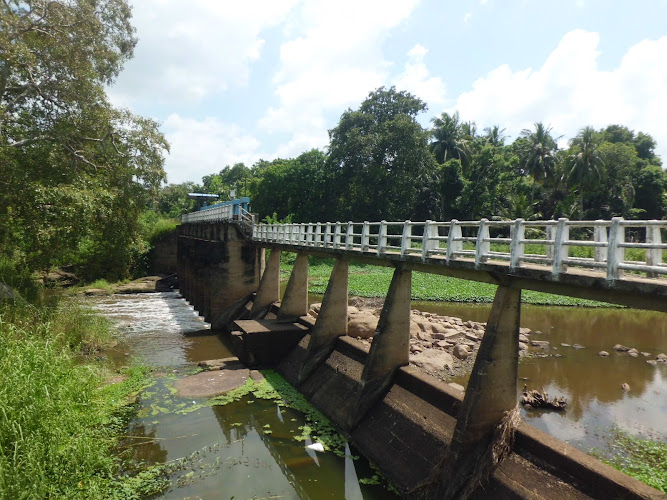
Malwathu Oya Reservoir Dam
About Malwathu Oya Reservoir Dam
Description
Okay, let’s get right to it. If you’ve been scanning the map for offbeat spots in Sri Lanka, Malwathu Oya Reservoir Dam absolutely needs a spot on your must-see list. You’ve probably heard whispers of the ancient city of Anuradhapura—soaked in heritage and packed with centuries-old marvels—but just when you think you know the region, Malwathu Oya comes in and surprises you.
What strikes me about this place is its ability to perfectly blend awe-inspiring engineering with sheer, raw nature. This isn’t just some concrete eyesore. Nope, it’s proof that humans and landscape don’t always need to clash. On a good day, the sky’s so blue it’s like someone painted it, and the vast shimmering waters stretch way farther than my camera lens can catch. I remember the first time I showed up, all I could do was plonk myself down by the embankment, shoes off, letting the breeze tangle my hair and the silence wrap around me.
And it’s not just scenic views—locals depend on this reservoir to provide essential water for agriculture (there’s a story or two there if you talk to nearby farmers). Kids giggle along the banks, families lay out haphazardly packed picnics, and a few solo travelers like you and me might be scribbling in journals, seeing what this wild patch of Sri Lanka has to offer. The beauty isn’t manufactured; it’s quietly, proudly natural.
Now, it’s not all rainbows. True, you might spot the odd snack wrapper or wish the authorities had put a few more benches here and there. Sometimes the sun is downright relentless. But honestly? These are pretty small potatoes compared to that “wide-open, peaceful” feeling you get here. Sometimes the best places are the ones that aren’t perfectly polished, right?
Key Features
- Massive man-made reservoir: This place holds a seriously impressive amount of water—vital for local farms and wildlife alike.
- Not crowded—at all: If you’re the sort who runs from big bus crowds, good news. Most of the time, you’ll share the view with just a handful of curious visitors or locals fishing.
- Perfect for sunset photography: The golden hour here is epic, with the dam and water catching the last orange sunlight. Instagram heaven, if you ask me.
- Great for kids: There are gentle, open spaces where kids can run wild (supervised, of course!) and parents can relax a bit.
- Wildlife watching: Birdlife flits overhead—keep your eyes peeled for eagles, herons, and sometimes regal little kingfishers. And, if you’re lucky, you’ll spot cattle hanging out in the tall grass near the shore.
- Unbeatable tranquility: Most people are here to soak in the quiet. It’s a world away from busy city chaos—good for clearing the head or finding creative spark.
- Educational value: If you’re traveling with kids or just a lifelong learner, it’s also a peek into local Sri Lankan irrigation and the importance of water management in this part of the world.
Best Time to Visit
Honestly, you can show up at any time of year and find something beautiful about Malwathu Oya, but I’d say the true sweet spot is from July through September. By then, rains have freshened up the landscape but haven’t made things swampy or inaccessible—which can happen in Sri Lanka if you don’t time it right. You’ll get clear skies and, best of all, a gentle, enigmatic mist often floats across the water in the early mornings.
If you’re a sunrise junkie, you can’t beat the soft morning light here. But for folks who like their adventures a bit lazier, an afternoon arrival is equally lovely (just don’t forget your sunscreen—trust me, I’ve learned the hard way). Summers are warm but enjoyable if you’ve got your hat and shades, while winter months are cooler and sometimes extra peaceful.
One side note: avoid visiting right after big storms or in late October/November. The reservoir gets muddy, the banks can get slippery, and the magic is a bit diluted. If you’re planning to travel in the school holidays, you’ll find more locals around—but honestly, even then, it doesn’t overwhelm the senses.
How to Get There
Plenty of ways to reach Malwathu Oya Reservoir Dam, but I’ll be upfront—it’s not on a major high-traffic tourist route, and that’s kind of its charm, isn’t it? If you’re basing yourself in Anuradhapura, you’re less than an hour’s drive away by car or tuk-tuk. I took a tuk-tuk the first time, and let me tell you, negotiating for a fair price is half the fun (and challenge). It’s very doable by scooter if you like the fresh air and are comfortable dodging the occasional cow or cyclist.
No direct buses land right at the reservoir’s edge, but regional buses can get you within a few kilometers, then it’s a local taxi or a bit of a walk. For a true “adventure on the road less traveled” experience, cycling from the outskirts of Anuradhapura is a killer option—but drink plenty of water and wear a hat, please.
Heads up: paths to the dam aren’t always well-signposted. I’ve taken a wrong turn once or twice, so using Google Maps or chatting up a local can be a game changer. Most folks in the nearby villages are genuinely happy to point you the right way, even if your Sinhala isn’t perfect (mine’s, well, a work in progress).
Tips for Visiting
- Pack wisely: It gets hot out here. Bring extra water, a reusable bottle, snacks, and a hat. There aren’t many vendors on site, and the few that do show up sometimes keep odd hours.
- Leave no trace: I’m not your mom, but honestly, pick up after yourself. The serenity here depends on visitors respecting it. I once spent an hour collecting plastic bottles along the shore—let’s try to keep it wild and wonderful!
- Photography tricks: Plan to arrive just before sunrise or sunset for the best light. Phone photos don’t do it justice—bring your camera if you have one. The dam at dusk is next-level beautiful.
- Families welcome: The open grounds are a relief if you’ve got energetic kids. But keep an eye on them near the water; the bank can be slippery especially after rain.
- Ask locals for stories: The people living around Malwathu Oya have fascinating ties to this place—stories about floods, elephants, and crop cycles that you won’t hear from a guidebook. These little chats can totally make your day.
- Plan ahead for restrooms and food: Facilities right at the dam are basic, sometimes even non-existent. Eat beforehand or pack a picnic. If you crave a proper meal, swing back to Anuradhapura and treat yourself.
- Be weather-savvy: Storms roll in quickly at times, changing the mood in wild and wonderful ways (I had one magical rainstorm visit—but also got soaked). Bring rain gear if visiting during the monsoon.
Finally—take your time here. We all rush from spot to spot, try to “tick off” sights, but this place rewards those willing to slow down and breathe. Bring a notebook, sketch, chat, stretch your legs. You may not see crowds or flags or shiny tourist infrastructure, but you will find a little slice of Sri Lankan peace most travelers don’t even realize exists. Lucky you, right?
Key Features
- Key Features
- Best Time to Visit
- How to Get There
- Tips for Visiting
More Details
Updated June 8, 2025
Table of Contents
Description
Okay, let’s get right to it. If you’ve been scanning the map for offbeat spots in Sri Lanka, Malwathu Oya Reservoir Dam absolutely needs a spot on your must-see list. You’ve probably heard whispers of the ancient city of Anuradhapura—soaked in heritage and packed with centuries-old marvels—but just when you think you know the region, Malwathu Oya comes in and surprises you.
What strikes me about this place is its ability to perfectly blend awe-inspiring engineering with sheer, raw nature. This isn’t just some concrete eyesore. Nope, it’s proof that humans and landscape don’t always need to clash. On a good day, the sky’s so blue it’s like someone painted it, and the vast shimmering waters stretch way farther than my camera lens can catch. I remember the first time I showed up, all I could do was plonk myself down by the embankment, shoes off, letting the breeze tangle my hair and the silence wrap around me.
And it’s not just scenic views—locals depend on this reservoir to provide essential water for agriculture (there’s a story or two there if you talk to nearby farmers). Kids giggle along the banks, families lay out haphazardly packed picnics, and a few solo travelers like you and me might be scribbling in journals, seeing what this wild patch of Sri Lanka has to offer. The beauty isn’t manufactured; it’s quietly, proudly natural.
Now, it’s not all rainbows. True, you might spot the odd snack wrapper or wish the authorities had put a few more benches here and there. Sometimes the sun is downright relentless. But honestly? These are pretty small potatoes compared to that “wide-open, peaceful” feeling you get here. Sometimes the best places are the ones that aren’t perfectly polished, right?
Key Features
- Massive man-made reservoir: This place holds a seriously impressive amount of water—vital for local farms and wildlife alike.
- Not crowded—at all: If you’re the sort who runs from big bus crowds, good news. Most of the time, you’ll share the view with just a handful of curious visitors or locals fishing.
- Perfect for sunset photography: The golden hour here is epic, with the dam and water catching the last orange sunlight. Instagram heaven, if you ask me.
- Great for kids: There are gentle, open spaces where kids can run wild (supervised, of course!) and parents can relax a bit.
- Wildlife watching: Birdlife flits overhead—keep your eyes peeled for eagles, herons, and sometimes regal little kingfishers. And, if you’re lucky, you’ll spot cattle hanging out in the tall grass near the shore.
- Unbeatable tranquility: Most people are here to soak in the quiet. It’s a world away from busy city chaos—good for clearing the head or finding creative spark.
- Educational value: If you’re traveling with kids or just a lifelong learner, it’s also a peek into local Sri Lankan irrigation and the importance of water management in this part of the world.
Best Time to Visit
Honestly, you can show up at any time of year and find something beautiful about Malwathu Oya, but I’d say the true sweet spot is from July through September. By then, rains have freshened up the landscape but haven’t made things swampy or inaccessible—which can happen in Sri Lanka if you don’t time it right. You’ll get clear skies and, best of all, a gentle, enigmatic mist often floats across the water in the early mornings.
If you’re a sunrise junkie, you can’t beat the soft morning light here. But for folks who like their adventures a bit lazier, an afternoon arrival is equally lovely (just don’t forget your sunscreen—trust me, I’ve learned the hard way). Summers are warm but enjoyable if you’ve got your hat and shades, while winter months are cooler and sometimes extra peaceful.
One side note: avoid visiting right after big storms or in late October/November. The reservoir gets muddy, the banks can get slippery, and the magic is a bit diluted. If you’re planning to travel in the school holidays, you’ll find more locals around—but honestly, even then, it doesn’t overwhelm the senses.
How to Get There
Plenty of ways to reach Malwathu Oya Reservoir Dam, but I’ll be upfront—it’s not on a major high-traffic tourist route, and that’s kind of its charm, isn’t it? If you’re basing yourself in Anuradhapura, you’re less than an hour’s drive away by car or tuk-tuk. I took a tuk-tuk the first time, and let me tell you, negotiating for a fair price is half the fun (and challenge). It’s very doable by scooter if you like the fresh air and are comfortable dodging the occasional cow or cyclist.
No direct buses land right at the reservoir’s edge, but regional buses can get you within a few kilometers, then it’s a local taxi or a bit of a walk. For a true “adventure on the road less traveled” experience, cycling from the outskirts of Anuradhapura is a killer option—but drink plenty of water and wear a hat, please.
Heads up: paths to the dam aren’t always well-signposted. I’ve taken a wrong turn once or twice, so using Google Maps or chatting up a local can be a game changer. Most folks in the nearby villages are genuinely happy to point you the right way, even if your Sinhala isn’t perfect (mine’s, well, a work in progress).
Tips for Visiting
- Pack wisely: It gets hot out here. Bring extra water, a reusable bottle, snacks, and a hat. There aren’t many vendors on site, and the few that do show up sometimes keep odd hours.
- Leave no trace: I’m not your mom, but honestly, pick up after yourself. The serenity here depends on visitors respecting it. I once spent an hour collecting plastic bottles along the shore—let’s try to keep it wild and wonderful!
- Photography tricks: Plan to arrive just before sunrise or sunset for the best light. Phone photos don’t do it justice—bring your camera if you have one. The dam at dusk is next-level beautiful.
- Families welcome: The open grounds are a relief if you’ve got energetic kids. But keep an eye on them near the water; the bank can be slippery especially after rain.
- Ask locals for stories: The people living around Malwathu Oya have fascinating ties to this place—stories about floods, elephants, and crop cycles that you won’t hear from a guidebook. These little chats can totally make your day.
- Plan ahead for restrooms and food: Facilities right at the dam are basic, sometimes even non-existent. Eat beforehand or pack a picnic. If you crave a proper meal, swing back to Anuradhapura and treat yourself.
- Be weather-savvy: Storms roll in quickly at times, changing the mood in wild and wonderful ways (I had one magical rainstorm visit—but also got soaked). Bring rain gear if visiting during the monsoon.
Finally—take your time here. We all rush from spot to spot, try to “tick off” sights, but this place rewards those willing to slow down and breathe. Bring a notebook, sketch, chat, stretch your legs. You may not see crowds or flags or shiny tourist infrastructure, but you will find a little slice of Sri Lankan peace most travelers don’t even realize exists. Lucky you, right?
Key Highlights
- Key Features
- Best Time to Visit
- How to Get There
- Tips for Visiting
Location
Places to Stay Near Malwathu Oya Reservoir Dam
Find and Book a Tour
Explore More Travel Guides
No reviews found! Be the first to review!
Traveler Reviews for Malwathu Oya Reservoir Dam
There are no reviews yet. Be the first one to write one.
Have you visited Malwathu Oya Reservoir Dam? Help other travelers by sharing your review.
You Might Also Like
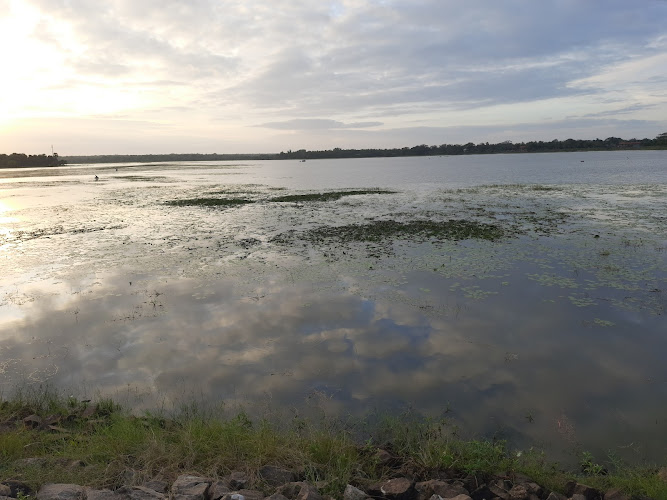
Basawakkulama(බසවක්කුලම)

Mahavihara Oriental Library මහාවිහාර පෙරදිග පුස්තකාලය
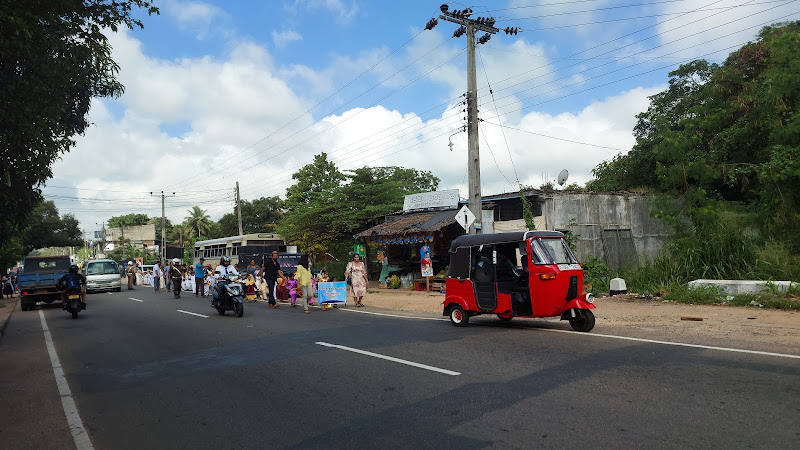
Yapane Handiya – යාපනේ හන්දිය
Find Accommodations Nearby
Recommended Tours & Activities
Visitor Reviews
There are no reviews yet. Be the first one to write one.
Share Your Experience
Have you visited Malwathu Oya Reservoir Dam? Help other travelers by leaving a review.