
Malmo Museum
About Malmo Museum
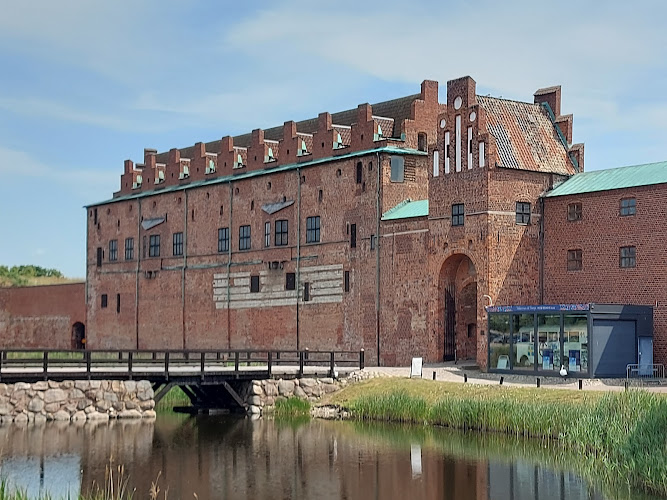
The Malmo Museum complex is a sprawling, slightly addictive place where history, science and sea-stories collide. Housed around an old fortress and several neighbouring buildings, it brings together maritime exhibits, natural history displays, a lively aquarium and collections that trace local cultural history and technology. It is one of those museum sites where wandering from one hall to the next feels like hopping through time — from Renaissance stone walls to modern, interactive galleries — and that shift in atmosphere is part of the charm.
Visitors will often notice the castle-like architecture first: heavy stone, narrow towers, a courtyard that still smells faintly of old wood and centuries of human comings-and-goings. But then one room opens up and there are glass tanks full of shimmering fish, and the tone changes. That juxtaposition — old fortress meets living sea — is what gives the site a distinctive personality. The maritime exhibitions are particularly strong: models of sailing ships, navigational instruments, and stories of Swedish and Nordic seafaring life that are told with a surprising amount of warmth and occasional dry humour. For anyone who geeks out over ropes, rigging and star charts, this can be a delightful rabbit hole.
The natural history section offers another flavor entirely. It leans into regional flora and fauna, with curated displays that explain local ecosystems as well as specimens that hint at broader global stories. Some exhibits encourage hands-on exploration, which families with kids will appreciate. Speaking of kids: the museum is well set up for children. Interactive stations, kid-height displays and changing tables in the restrooms make it a practical stop for families who want to mix learning with a relaxed day out.
Alongside history and nature, technology is given room to breathe. The technology and maritime-technology exhibitions delve into how industry and innovation shaped the region. It’s not an industrial museum in the grimy sense; instead, it frames engineering and invention as human stories — clever solutions, occasional failures, and the kinds of details that make history feel immediate. And yes, there are buttons to press. Expect little faces lighting up when something moves or lights up; that simple delight is a recurring scene.
Some of the most enjoyable moments come from smaller, less heralded corners: a small gallery showcasing everyday objects from the city’s past, a rotating exhibition of contemporary local art tucked into an upstairs room, or a quiet display about migration that hits harder than you expect. These offbeat stops are the places where the curator’s personality peeks through and where a visitor can find a genuinely new perspective on Malmö and its people.
Practical amenities are thoughtfully placed. A cafe and a restaurant are on site; they’re the kind of spots where people linger longer than intended, sipping coffee and comparing favourite exhibits. Paid parking is available nearby for those driving in, while the entrance and facilities are designed to be accessible — wheelchair entrances, accessible parking and suitable restrooms are part of the layout. The site offers onsite services, and staff are usually helpful when someone needs directions or a plug socket for a tired phone. These details make a real difference, particularly for visitors with mobility needs or families with small children.
There is, however, a human side to the place that isn’t all glossy brochures. On busy days the complex can get crowded; some of the larger halls fill quickly and the quieter nooks become sanctuaries for those who arrive early or late. Temporary exhibitions vary in quality and interest — sometimes they are real highlights, sometimes less so — which means a bit of luck and timing can influence how memorable a visit feels. But even on an off day, the core collection and the atmospheric setting usually deliver something worthwhile.
For travellers who like guided experiences, the museum occasionally runs themed tours and special programs. While not every tour is offered daily, checking the schedule before arriving can unlock little extras: curator talks, family activities and events that explore maritime history or conservation work. And if someone is keen on photography, there are photo-friendly areas where the medieval stone and the slick, modern displays meet in visually pleasing ways.
Another subtle advantage: the site is a convergence point for different kinds of visitors. School groups stream through during term time, serious history buffs pore over exhibition labels, parents chase toddlers between tanks, and design-minded tourists admire the adaptive reuse of historic buildings. That makes it a good stop for people who enjoy a layered experience, where they can overhear a school lesson about fossils while standing next to a model ship from the 18th century. The mix gives the place a lived-in feel; it’s not a polished gallery where silence is enforced, but rather a busy, breathing cultural hub.
Finally, there are the small discoveries that keep people coming back. A lesser-known detail might be a bench in the courtyard with an inscription, or a tiny cabinet of oddities tucked into a side room, or an unexpectedly moving personal story attached to an exhibit. Those are the things that linger: not just the broad sweep of history or the impressive tanks at the aquarium, but the tactile, human elements that make the complex feel like a story someone has been telling for centuries, and one that residents still add to.
All in all, the Malmo Museum complex rewards curiosity. It is a place where someone can plan a structured couple of hours and still stumble into surprises, or where an afternoon of aimless wandering will uncover more than a guidebook promises. It isn’t flawless — crowds and rotating-exhibit hits-and-misses are real — but its combination of maritime lore, natural history, technology and historic architecture makes it a memorable stop for those exploring Malmö and the region. If a traveller values variety, accessibility and the occasional delightful oddity, this museum complex should be high on their list.
Key Features
Malmo Museum
You Might Also Like
"The troll" mural by Smug

Anna Lindhs Plats
Brunnen Gustav Adolfs torg
Tours & Activities
GetYourGuide provides this tour inventory. We may earn a commission if you book through it; verify current availability, prices, and terms with the provider.
Visitor Reviews
There are no reviews yet. Be the first one to write one.
Share Your Experience
Have you visited Malmo Museum? Help other travelers by leaving a review.