
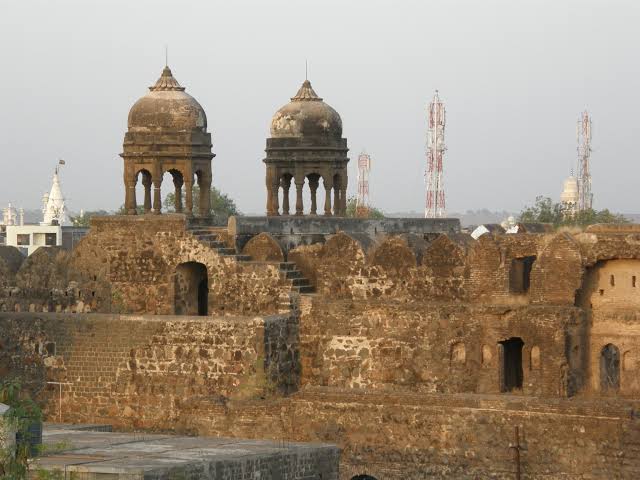
Malegaon Fort
About Malegaon Fort
Description
Malegaon Fort stands as a proud sentinel of time, right in the heart of Maharashtra’s Malegaon city. It’s one of those places that quietly tells its story if you’re patient enough to listen. The fort may not have the grandeur of some of Maharashtra’s more famous strongholds, but that’s exactly what makes it special—it feels real, lived-in, and honest. You can almost sense the whispers of soldiers who once guarded its walls or the merchants who passed through its gates centuries ago. It’s not just a monument; it’s a piece of everyday life for the locals who walk past it daily.
The fort’s architecture reflects a mix of Mughal and Maratha influences, a reminder of the region’s layered history. The stone walls, though weathered, still stand tall and proud. There’s a certain charm in how the fort blends into its surroundings—dusty roads, small shops, and the occasional chai stall where you can sit and just watch life unfold. I remember visiting one late afternoon when the sun was dipping low, casting golden light on the fort’s ramparts. It was peaceful, almost hauntingly so. The kind of moment that makes you forget your phone exists.
While some might say the fort could use a bit more maintenance—and they wouldn’t be wrong—it’s still a place worth exploring, especially if you enjoy wandering through history without the crowds. It’s accessible, easy to reach, and surprisingly well-kept in terms of pathways and signage. The entrance and parking areas are wheelchair-friendly, which is a thoughtful touch not every historical site in India can boast. You’ll find that the locals are friendly too, often eager to share a story or two about the fort’s past.
Key Features
- Historic Significance: Built during the Mughal era, the fort has seen centuries of conflict, trade, and cultural exchange.
- Architectural Blend: A fascinating mix of Mughal and Maratha design styles, with intricate stonework and sturdy bastions.
- Accessibility: Wheelchair-accessible entrance and parking make it convenient for all visitors.
- Panoramic Views: The higher sections of the fort offer sweeping views of Malegaon city and the surrounding plains.
- Local Culture: The fort remains a part of daily life; you’ll often see locals relaxing along its walls or children playing nearby.
- Photography Spot: Ideal for history enthusiasts and photographers who love capturing rustic charm and natural light.
- Peaceful Atmosphere: Despite being near the city center, the fort offers a quiet escape from the bustle of everyday life.
Best Time to Visit
If you ask me, the best time to visit Malegaon Fort is between November and February. The weather’s cooler, the skies are clearer, and the fort’s stone walls don’t radiate heat like a furnace. I went once in May—big mistake. The sun was merciless, and I spent more time hunting for shade than exploring. But in winter, the breeze feels just right, and you can easily spend a couple of hours wandering the grounds without breaking a sweat.
Early mornings and late afternoons are magical here. The light softens, birds start to gather, and the fort takes on a warm, almost golden hue. It’s also when you’ll get the best photos without harsh shadows. Avoid weekends if you can; it tends to get a bit busy with local families and students. Weekdays are better if you prefer a quieter experience.
How to Get There
Reaching Malegaon Fort is pretty straightforward. Malegaon is well-connected by road to major cities like Nashik and Mumbai. If you’re driving, the highways are in decent condition, and there’s free parking available near the fort. For those coming by bus, the Malegaon bus stand is just a short ride away. You can grab an auto-rickshaw or even walk if you’re staying nearby—it’s not far from the main market area.
If you’re traveling from Nashik, it’s roughly a two-hour drive depending on traffic. The route itself is quite scenic, passing through small towns and stretches of farmland. I actually enjoyed the journey as much as the destination. There’s something calming about watching rural Maharashtra roll by your window, with sugarcane fields and roadside dhabas serving hot chai and pakoras.
Tips for Visiting
Before you go, let me share a few things I wish someone had told me. First, wear comfortable shoes. The fort’s pathways can be uneven, and you’ll want to climb around a bit to really explore. Carry a bottle of water—there aren’t many vendors inside. And if you’re visiting during the summer, a hat and sunscreen are non-negotiable.
Photography enthusiasts should bring a good camera or a phone with a decent lens. The lighting here, especially during the golden hour, is phenomenal. If you’re into history, take a local guide along. They often know stories that don’t appear in any textbook—like the legend of the hidden tunnel that supposedly connects the fort to the nearby river. Whether it’s true or not, it adds a bit of mystery to your visit.
One more thing: respect the site. It’s old, fragile in parts, and deserves to be preserved. Avoid littering or climbing on delicate structures. Locals take pride in the fort, and it’s nice to see visitors doing the same. If you can, chat with them—they’re usually eager to share personal anecdotes or even point out hidden corners you might otherwise miss.
All in all, Malegaon Fort is one of those places that doesn’t try too hard to impress but ends up doing so anyway. It’s got character, history, and a quiet dignity that stays with you long after you’ve left. If you’re the kind of traveler who enjoys authenticity over polish, you’ll probably fall in love with it like I did.
Key Features
- Key Features
- Best Time to Visit
- How to Get There
- Tips for Visiting
More Details
Updated November 7, 2025
Table of Contents
Description
Malegaon Fort stands as a proud sentinel of time, right in the heart of Maharashtra’s Malegaon city. It’s one of those places that quietly tells its story if you’re patient enough to listen. The fort may not have the grandeur of some of Maharashtra’s more famous strongholds, but that’s exactly what makes it special—it feels real, lived-in, and honest. You can almost sense the whispers of soldiers who once guarded its walls or the merchants who passed through its gates centuries ago. It’s not just a monument; it’s a piece of everyday life for the locals who walk past it daily.
The fort’s architecture reflects a mix of Mughal and Maratha influences, a reminder of the region’s layered history. The stone walls, though weathered, still stand tall and proud. There’s a certain charm in how the fort blends into its surroundings—dusty roads, small shops, and the occasional chai stall where you can sit and just watch life unfold. I remember visiting one late afternoon when the sun was dipping low, casting golden light on the fort’s ramparts. It was peaceful, almost hauntingly so. The kind of moment that makes you forget your phone exists.
While some might say the fort could use a bit more maintenance—and they wouldn’t be wrong—it’s still a place worth exploring, especially if you enjoy wandering through history without the crowds. It’s accessible, easy to reach, and surprisingly well-kept in terms of pathways and signage. The entrance and parking areas are wheelchair-friendly, which is a thoughtful touch not every historical site in India can boast. You’ll find that the locals are friendly too, often eager to share a story or two about the fort’s past.
Key Features
- Historic Significance: Built during the Mughal era, the fort has seen centuries of conflict, trade, and cultural exchange.
- Architectural Blend: A fascinating mix of Mughal and Maratha design styles, with intricate stonework and sturdy bastions.
- Accessibility: Wheelchair-accessible entrance and parking make it convenient for all visitors.
- Panoramic Views: The higher sections of the fort offer sweeping views of Malegaon city and the surrounding plains.
- Local Culture: The fort remains a part of daily life; you’ll often see locals relaxing along its walls or children playing nearby.
- Photography Spot: Ideal for history enthusiasts and photographers who love capturing rustic charm and natural light.
- Peaceful Atmosphere: Despite being near the city center, the fort offers a quiet escape from the bustle of everyday life.
Best Time to Visit
If you ask me, the best time to visit Malegaon Fort is between November and February. The weather’s cooler, the skies are clearer, and the fort’s stone walls don’t radiate heat like a furnace. I went once in May—big mistake. The sun was merciless, and I spent more time hunting for shade than exploring. But in winter, the breeze feels just right, and you can easily spend a couple of hours wandering the grounds without breaking a sweat.
Early mornings and late afternoons are magical here. The light softens, birds start to gather, and the fort takes on a warm, almost golden hue. It’s also when you’ll get the best photos without harsh shadows. Avoid weekends if you can; it tends to get a bit busy with local families and students. Weekdays are better if you prefer a quieter experience.
How to Get There
Reaching Malegaon Fort is pretty straightforward. Malegaon is well-connected by road to major cities like Nashik and Mumbai. If you’re driving, the highways are in decent condition, and there’s free parking available near the fort. For those coming by bus, the Malegaon bus stand is just a short ride away. You can grab an auto-rickshaw or even walk if you’re staying nearby—it’s not far from the main market area.
If you’re traveling from Nashik, it’s roughly a two-hour drive depending on traffic. The route itself is quite scenic, passing through small towns and stretches of farmland. I actually enjoyed the journey as much as the destination. There’s something calming about watching rural Maharashtra roll by your window, with sugarcane fields and roadside dhabas serving hot chai and pakoras.
Tips for Visiting
Before you go, let me share a few things I wish someone had told me. First, wear comfortable shoes. The fort’s pathways can be uneven, and you’ll want to climb around a bit to really explore. Carry a bottle of water—there aren’t many vendors inside. And if you’re visiting during the summer, a hat and sunscreen are non-negotiable.
Photography enthusiasts should bring a good camera or a phone with a decent lens. The lighting here, especially during the golden hour, is phenomenal. If you’re into history, take a local guide along. They often know stories that don’t appear in any textbook—like the legend of the hidden tunnel that supposedly connects the fort to the nearby river. Whether it’s true or not, it adds a bit of mystery to your visit.
One more thing: respect the site. It’s old, fragile in parts, and deserves to be preserved. Avoid littering or climbing on delicate structures. Locals take pride in the fort, and it’s nice to see visitors doing the same. If you can, chat with them—they’re usually eager to share personal anecdotes or even point out hidden corners you might otherwise miss.
All in all, Malegaon Fort is one of those places that doesn’t try too hard to impress but ends up doing so anyway. It’s got character, history, and a quiet dignity that stays with you long after you’ve left. If you’re the kind of traveler who enjoys authenticity over polish, you’ll probably fall in love with it like I did.
Key Highlights
- Key Features
- Best Time to Visit
- How to Get There
- Tips for Visiting
Location
Places to Stay Near Malegaon Fort
Find and Book a Tour
Explore More Travel Guides
No reviews found! Be the first to review!
Traveler Reviews for Malegaon Fort
There are no reviews yet. Be the first one to write one.
Have you visited Malegaon Fort? Help other travelers by sharing your review.
You Might Also Like

Matoshree Udyaan - Musical Jogging Track

Sahyadri Pratishthan Chowk

Ahemad Park
Find Accommodations Nearby
Recommended Tours & Activities
Visitor Reviews
There are no reviews yet. Be the first one to write one.
Share Your Experience
Have you visited Malegaon Fort? Help other travelers by leaving a review.