
Maison des Minéraux
About Maison des Minéraux
Description
Maison des Minéraux is one of those places that quietly surprises you. Tucked away in the rugged landscape of the Crozon Peninsula, this geology museum celebrates the natural wonders that lie beneath our feet. It’s not flashy or overwhelming, but that’s exactly its charm. The museum feels authentic—crafted by people who genuinely love rocks, minerals, and the stories they tell. Visitors often walk in expecting a small local exhibit and leave with a newfound appreciation for the earth’s textures, colors, and deep history. It’s a place that manages to be both educational and oddly soothing. Maybe it’s the quiet hum of curiosity in the air or the way the light hits the mineral displays just right.
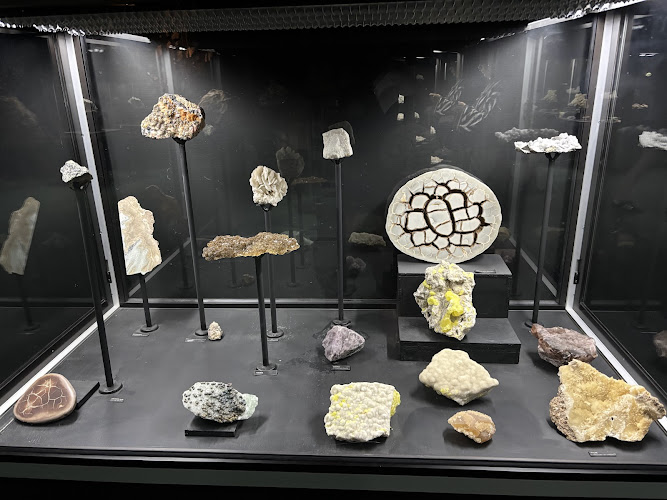
Inside, the exhibits are beautifully curated, showing off minerals, crystals, and fossils that have been collected from Brittany and beyond. There’s something almost meditative about seeing stones that formed millions of years ago, knowing they’ve outlived entire civilizations. The displays aren’t overly scientific or dry; they’re approachable, even for those who can’t tell quartz from calcite. I remember standing in front of a shimmering geode, mesmerized by how something so ordinary-looking on the outside could hide such beauty within. That’s the kind of moment this museum gives you—small, quiet revelations that stick with you long after you’ve left.
What I personally love is that Maison des Minéraux doesn’t try too hard. It’s not a massive institution with endless halls; it’s more intimate, which makes it easy to take your time. You can explore at your own pace, chat with the friendly staff, or join one of their guided tours if you want to dig a little deeper (pun intended). The atmosphere is relaxed and inviting, perfect for families, solo travelers, or anyone who likes to learn by seeing and touching. And yes, it’s fully accessible—wheelchair users and parents with strollers will find it easy to navigate. Even the restrooms and parking areas are designed thoughtfully, which says a lot about the care that goes into running the place.
Of course, no place is perfect. Some visitors might find the museum smaller than expected or wish for more interactive exhibits. But honestly, that’s part of its charm. It’s not trying to be a theme park; it’s a space for genuine discovery. The live performances and workshops they host add a dynamic element, turning geology into something alive and creative. It’s fascinating to see how science and art intersect here. If you’re the kind of traveler who enjoys learning something new without feeling rushed or overwhelmed, this spot is worth your time.
Key Features
- Extensive collection of local and international minerals, fossils, and crystals
- Live performances and interactive workshops that bring geology to life
- Guided tours available for deeper exploration of the exhibits
- Wheelchair accessible entrance, parking, and restrooms
- Family-friendly environment with kid-focused activities and changing tables
- Free parking lot conveniently located nearby
- Gift shop offering mineral samples, educational books, and locally crafted souvenirs
- Wi-Fi available throughout the museum for easy sharing and research
- Discounted admission for children and families
- LGBTQ+ friendly and designated as a transgender safe space
Each of these features adds to the museum’s personality. It’s not just about looking at rocks—it’s about feeling connected to the story of the Earth and the people who study it. And honestly, it’s refreshing to find a museum that still values curiosity over commercialism.
Best Time to Visit
The best time to visit Maison des Minéraux really depends on what kind of experience you’re after. If you prefer a calm, reflective visit, go during the shoulder seasons—spring or early autumn. The weather in Brittany is mild then, and the crowds are thinner. You can take your time wandering through the exhibits without feeling rushed. Plus, the surrounding landscape is gorgeous that time of year—wildflowers in spring, golden light in autumn. I once went in late September, and the air smelled faintly of the sea and pine, which somehow made the whole geological theme feel even more grounded.
Summer, on the other hand, can be busier, especially with families on holiday. But it’s also when the museum hosts more events and workshops, so there’s a lively energy around. Kids love it, and honestly, adults end up having fun too. Winter visits are quieter, but the museum stays warm and welcoming inside. There’s something cozy about escaping the coastal chill and stepping into a world of glowing minerals and ancient fossils. So really, there’s no bad time—just different moods depending on the season.
How to Get There
Getting to Maison des Minéraux is part of the adventure. The museum is located in the Crozon Peninsula, a region known for its dramatic cliffs and untamed beauty. If you’re driving, it’s a straightforward route from Quimper or Brest, with plenty of scenic stops along the way. The roads wind through small Breton villages, and you might find yourself pulling over just to take in the view. There’s free parking once you arrive, which is a relief if you’ve been navigating narrow rural roads.
For those using public transport, options are a bit limited, but not impossible. You can take a train to one of the nearby towns and then a local bus or taxi to reach the museum. It’s worth planning ahead, though—this is the kind of place where spontaneity meets rustic logistics. And honestly, if you can, rent a car. It gives you the freedom to explore the rest of the peninsula, which is full of hidden coves, hiking trails, and little cafés where you can sip cider while watching the tide roll in. That’s the beauty of this area—it’s not just about one destination, but the journey between them.
Tips for Visiting
Here’s where a bit of insider advice comes in handy. First, give yourself at least an hour or two to explore. It might look small from the outside, but there’s a lot to take in once you’re inside. Don’t rush it. Take your time reading the exhibit notes—they’re written in a way that’s easy to understand, even if you’re not a geology buff. And if you’re traveling with kids, let them lead the way. The museum has plenty of hands-on activities that make learning fun and memorable.
Bring a light jacket, even in summer. Brittany’s weather can change from sunny to breezy in minutes, and if you plan to explore the nearby cliffs afterward (which you absolutely should), you’ll be glad you did. There’s no restaurant inside, but you’ll find cafés and bakeries in the nearby villages where you can grab a bite. The museum’s gift shop is worth a stop before you leave—some of the mineral samples make surprisingly affordable and meaningful souvenirs. I still have a small piece of amethyst I bought there years ago. It sits on my desk and reminds me of that quiet afternoon surrounded by the colors of the Earth.
Another tip—check if there are any live performances or special workshops during your visit. They add a whole new dimension to the experience. Watching a local artist interpret geological themes through music or sculpture is something you don’t see every day. And if you’re traveling with someone who uses a wheelchair or stroller, rest easy knowing the museum is fully accessible. Everything from the entrance to the restrooms is thoughtfully designed.
Lastly, take a moment to step outside after your visit. The landscape around the museum is breathtaking—rolling cliffs, salty air, and the distant sound of waves. It’s the kind of setting that makes you feel small in the best possible way. You’ll walk away not just with facts about minerals, but with a deeper appreciation for the planet itself. And really, isn’t that what travel is all about?
Maison des Minéraux might not be the biggest museum you’ll visit in France, but it’s one of the most genuine. It’s a place that invites curiosity, encourages reflection, and reminds you that even the smallest stones have stories to tell. Whether you’re a science lover, a parent looking for an educational day out, or just someone who enjoys discovering places that feel real and unpretentious, this little gem on the Crozon Peninsula deserves a spot on your itinerary.
Key Features
- Extensive collection of local and international minerals, fossils, and crystals
- Live performances and interactive workshops that bring geology to life
- Guided tours available for deeper exploration of the exhibits
- Wheelchair accessible entrance, parking, and restrooms
- Family-friendly environment with kid-focused activities and changing tables
- Free parking lot conveniently located nearby
- Gift shop offering mineral samples, educational books, and locally crafted souvenirs
- Wi-Fi available throughout the museum for easy sharing and research
More Details
Updated December 1, 2025
Table of Contents
Description
Maison des Minéraux is one of those places that quietly surprises you. Tucked away in the rugged landscape of the Crozon Peninsula, this geology museum celebrates the natural wonders that lie beneath our feet. It’s not flashy or overwhelming, but that’s exactly its charm. The museum feels authentic—crafted by people who genuinely love rocks, minerals, and the stories they tell. Visitors often walk in expecting a small local exhibit and leave with a newfound appreciation for the earth’s textures, colors, and deep history. It’s a place that manages to be both educational and oddly soothing. Maybe it’s the quiet hum of curiosity in the air or the way the light hits the mineral displays just right.
Inside, the exhibits are beautifully curated, showing off minerals, crystals, and fossils that have been collected from Brittany and beyond. There’s something almost meditative about seeing stones that formed millions of years ago, knowing they’ve outlived entire civilizations. The displays aren’t overly scientific or dry; they’re approachable, even for those who can’t tell quartz from calcite. I remember standing in front of a shimmering geode, mesmerized by how something so ordinary-looking on the outside could hide such beauty within. That’s the kind of moment this museum gives you—small, quiet revelations that stick with you long after you’ve left.
What I personally love is that Maison des Minéraux doesn’t try too hard. It’s not a massive institution with endless halls; it’s more intimate, which makes it easy to take your time. You can explore at your own pace, chat with the friendly staff, or join one of their guided tours if you want to dig a little deeper (pun intended). The atmosphere is relaxed and inviting, perfect for families, solo travelers, or anyone who likes to learn by seeing and touching. And yes, it’s fully accessible—wheelchair users and parents with strollers will find it easy to navigate. Even the restrooms and parking areas are designed thoughtfully, which says a lot about the care that goes into running the place.
Of course, no place is perfect. Some visitors might find the museum smaller than expected or wish for more interactive exhibits. But honestly, that’s part of its charm. It’s not trying to be a theme park; it’s a space for genuine discovery. The live performances and workshops they host add a dynamic element, turning geology into something alive and creative. It’s fascinating to see how science and art intersect here. If you’re the kind of traveler who enjoys learning something new without feeling rushed or overwhelmed, this spot is worth your time.
Key Features
- Extensive collection of local and international minerals, fossils, and crystals
- Live performances and interactive workshops that bring geology to life
- Guided tours available for deeper exploration of the exhibits
- Wheelchair accessible entrance, parking, and restrooms
- Family-friendly environment with kid-focused activities and changing tables
- Free parking lot conveniently located nearby
- Gift shop offering mineral samples, educational books, and locally crafted souvenirs
- Wi-Fi available throughout the museum for easy sharing and research
- Discounted admission for children and families
- LGBTQ+ friendly and designated as a transgender safe space
Each of these features adds to the museum’s personality. It’s not just about looking at rocks—it’s about feeling connected to the story of the Earth and the people who study it. And honestly, it’s refreshing to find a museum that still values curiosity over commercialism.
Best Time to Visit
The best time to visit Maison des Minéraux really depends on what kind of experience you’re after. If you prefer a calm, reflective visit, go during the shoulder seasons—spring or early autumn. The weather in Brittany is mild then, and the crowds are thinner. You can take your time wandering through the exhibits without feeling rushed. Plus, the surrounding landscape is gorgeous that time of year—wildflowers in spring, golden light in autumn. I once went in late September, and the air smelled faintly of the sea and pine, which somehow made the whole geological theme feel even more grounded.
Summer, on the other hand, can be busier, especially with families on holiday. But it’s also when the museum hosts more events and workshops, so there’s a lively energy around. Kids love it, and honestly, adults end up having fun too. Winter visits are quieter, but the museum stays warm and welcoming inside. There’s something cozy about escaping the coastal chill and stepping into a world of glowing minerals and ancient fossils. So really, there’s no bad time—just different moods depending on the season.
How to Get There
Getting to Maison des Minéraux is part of the adventure. The museum is located in the Crozon Peninsula, a region known for its dramatic cliffs and untamed beauty. If you’re driving, it’s a straightforward route from Quimper or Brest, with plenty of scenic stops along the way. The roads wind through small Breton villages, and you might find yourself pulling over just to take in the view. There’s free parking once you arrive, which is a relief if you’ve been navigating narrow rural roads.
For those using public transport, options are a bit limited, but not impossible. You can take a train to one of the nearby towns and then a local bus or taxi to reach the museum. It’s worth planning ahead, though—this is the kind of place where spontaneity meets rustic logistics. And honestly, if you can, rent a car. It gives you the freedom to explore the rest of the peninsula, which is full of hidden coves, hiking trails, and little cafés where you can sip cider while watching the tide roll in. That’s the beauty of this area—it’s not just about one destination, but the journey between them.
Tips for Visiting
Here’s where a bit of insider advice comes in handy. First, give yourself at least an hour or two to explore. It might look small from the outside, but there’s a lot to take in once you’re inside. Don’t rush it. Take your time reading the exhibit notes—they’re written in a way that’s easy to understand, even if you’re not a geology buff. And if you’re traveling with kids, let them lead the way. The museum has plenty of hands-on activities that make learning fun and memorable.
Bring a light jacket, even in summer. Brittany’s weather can change from sunny to breezy in minutes, and if you plan to explore the nearby cliffs afterward (which you absolutely should), you’ll be glad you did. There’s no restaurant inside, but you’ll find cafés and bakeries in the nearby villages where you can grab a bite. The museum’s gift shop is worth a stop before you leave—some of the mineral samples make surprisingly affordable and meaningful souvenirs. I still have a small piece of amethyst I bought there years ago. It sits on my desk and reminds me of that quiet afternoon surrounded by the colors of the Earth.
Another tip—check if there are any live performances or special workshops during your visit. They add a whole new dimension to the experience. Watching a local artist interpret geological themes through music or sculpture is something you don’t see every day. And if you’re traveling with someone who uses a wheelchair or stroller, rest easy knowing the museum is fully accessible. Everything from the entrance to the restrooms is thoughtfully designed.
Lastly, take a moment to step outside after your visit. The landscape around the museum is breathtaking—rolling cliffs, salty air, and the distant sound of waves. It’s the kind of setting that makes you feel small in the best possible way. You’ll walk away not just with facts about minerals, but with a deeper appreciation for the planet itself. And really, isn’t that what travel is all about?
Maison des Minéraux might not be the biggest museum you’ll visit in France, but it’s one of the most genuine. It’s a place that invites curiosity, encourages reflection, and reminds you that even the smallest stones have stories to tell. Whether you’re a science lover, a parent looking for an educational day out, or just someone who enjoys discovering places that feel real and unpretentious, this little gem on the Crozon Peninsula deserves a spot on your itinerary.
Key Highlights
- Extensive collection of local and international minerals, fossils, and crystals
- Live performances and interactive workshops that bring geology to life
- Guided tours available for deeper exploration of the exhibits
- Wheelchair accessible entrance, parking, and restrooms
- Family-friendly environment with kid-focused activities and changing tables
- Free parking lot conveniently located nearby
- Gift shop offering mineral samples, educational books, and locally crafted souvenirs
- Wi-Fi available throughout the museum for easy sharing and research
Location
Places to Stay Near Maison des Minéraux
Find and Book a Tour
Explore More Travel Guides
No reviews found! Be the first to review!
Traveler Reviews for Maison des Minéraux
There are no reviews yet. Be the first one to write one.
Have you visited Maison des Minéraux? Help other travelers by sharing your review.
You Might Also Like

Find Accommodations Nearby
Recommended Tours & Activities
Visitor Reviews
There are no reviews yet. Be the first one to write one.
Share Your Experience
Have you visited Maison des Minéraux? Help other travelers by leaving a review.