
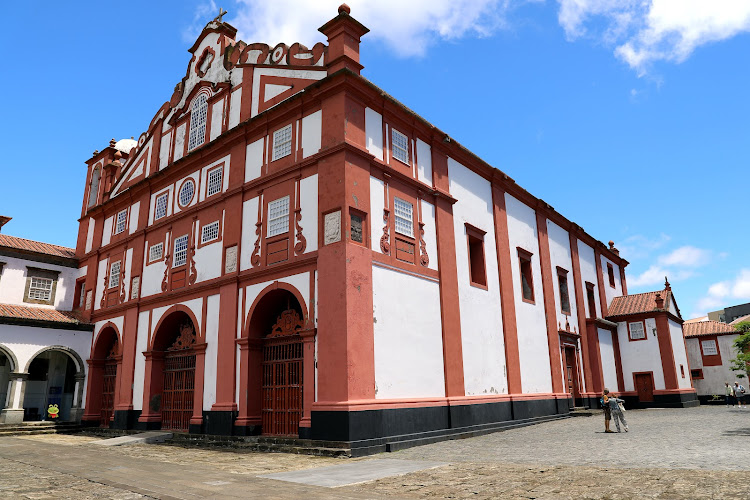
MAH – Angra do Heroismo Museum
About MAH – Angra do Heroismo Museum
Description
The MAH – Angra do Heroísmo Museum on Terceira Island is one of those places that quietly surprises you. It’s housed in a former Franciscan convent, which already gives it this layered, lived-in feeling. The museum doesn’t just show off artifacts behind glass; it tells the story of the Azores as a crossroads of the Atlantic, where politics, trade, and culture collided for centuries. You get this sense of how the island wasn’t just some remote outpost, but actually a key player in global history. And honestly, that’s not something most people expect when they think of a small island in the middle of the ocean.
Walking through, you’ll find a mix of everything: religious art, old weaponry, antique furniture, navigational instruments, even carriages. It’s eclectic, but in a way that reflects the messy, fascinating history of the Azores. I remember standing in front of a centuries-old navigational tool and thinking about sailors relying on it while crossing terrifyingly unpredictable seas. It gives you goosebumps if you let yourself really imagine it.
The museum balances the political and economic history with cultural elements, showing how island life shaped traditions, art, and everyday objects. Some exhibits feel deeply personal, while others zoom out to the big picture of Atlantic dominance and global trade. It’s not a flashy museum, but it’s thorough, thoughtful, and surprisingly moving. Most visitors come away impressed, though like any museum, not every room will captivate every person. Still, the overall experience leaves you with a deeper respect for the resilience and importance of the Azorean people.
Key Features
- Located in a 17th-century Franciscan convent with beautiful architecture
- Extensive collection of artifacts: from ceramics and coins to paintings and porcelain
- Religious art and sacred objects that highlight the island’s spiritual history
- Weapons, medals, and uniforms reflecting the Azores’ military significance
- Carriages and antique vehicles that showcase how people moved around centuries ago
- Live performances and cultural events hosted on-site
- Wheelchair accessible entrances, restrooms, and parking
- Family-friendly environment, good for kids who like history and discovery
- On-site restrooms for convenience (though no restaurant inside)
Best Time to Visit
If you’re already planning a trip to Terceira, timing your museum visit can make a difference. The summer months, especially June through September, tend to bring more tourists, so the museum can feel a bit busier. But there’s also more energy in the city then, with festivals and outdoor events happening all around Angra. Personally, I prefer late spring or early autumn. The weather is still pleasant, the island feels less crowded, and you can take your time wandering the exhibits without feeling rushed. On rainy days, which happen often in the Azores, the museum is a perfect refuge—you’ll be glad to have a dry, engaging space to explore.
How to Get There
The museum sits right in the historic center of Angra do Heroísmo, which is a UNESCO World Heritage Site. If you’re staying in town, you can easily walk there—it’s part of the charm of exploring Angra on foot. If you’re coming from elsewhere on the island, driving is straightforward, and there’s accessible parking nearby. Public buses also connect different parts of Terceira to Angra, though they can be a bit infrequent, so plan ahead if you’re relying on them. Honestly, I recommend renting a car if you want to see the whole island, and then just park near the museum when you’re in the city.
Tips for Visiting
Here’s where a little insider advice comes in handy. First, give yourself at least two hours inside. It’s not enormous, but it’s dense with history, and rushing through would be a shame. Wear comfortable shoes—the convent building has some uneven flooring, and you’ll be on your feet quite a bit. If you’re traveling with kids, encourage them to look out for the carriages and weapons; those displays tend to spark their curiosity the most.
Don’t skip the temporary exhibitions or live performances if they’re scheduled during your visit. They add a fresh perspective and make the museum feel alive rather than static. And bring a bit of patience—some of the signage is more descriptive in Portuguese than English, but that’s part of the authentic experience. If you’re like me and enjoy piecing together stories from context, you’ll actually find it rewarding.
Finally, pair your museum visit with a stroll through Angra’s historic streets afterward. The city itself is like an open-air museum, and seeing the architecture and harbor after learning about their history inside MAH really ties everything together. It’s one of those experiences where the past and present connect in a way that sticks with you long after you’ve flown back home.
Key Features
- Located in a 17th-century Franciscan convent with beautiful architecture
- Extensive collection of artifacts: from ceramics and coins to paintings and porcelain
- Religious art and sacred objects that highlight the island’s spiritual history
- Weapons, medals, and uniforms reflecting the Azores’ military significance
- Carriages and antique vehicles that showcase how people moved around centuries ago
- Live performances and cultural events hosted on-site
- Wheelchair accessible entrances, restrooms, and parking
- Family-friendly environment, good for kids who like history and discovery
More Details
Updated September 10, 2025
Table of Contents
Description
The MAH – Angra do Heroísmo Museum on Terceira Island is one of those places that quietly surprises you. It’s housed in a former Franciscan convent, which already gives it this layered, lived-in feeling. The museum doesn’t just show off artifacts behind glass; it tells the story of the Azores as a crossroads of the Atlantic, where politics, trade, and culture collided for centuries. You get this sense of how the island wasn’t just some remote outpost, but actually a key player in global history. And honestly, that’s not something most people expect when they think of a small island in the middle of the ocean.
Walking through, you’ll find a mix of everything: religious art, old weaponry, antique furniture, navigational instruments, even carriages. It’s eclectic, but in a way that reflects the messy, fascinating history of the Azores. I remember standing in front of a centuries-old navigational tool and thinking about sailors relying on it while crossing terrifyingly unpredictable seas. It gives you goosebumps if you let yourself really imagine it.
The museum balances the political and economic history with cultural elements, showing how island life shaped traditions, art, and everyday objects. Some exhibits feel deeply personal, while others zoom out to the big picture of Atlantic dominance and global trade. It’s not a flashy museum, but it’s thorough, thoughtful, and surprisingly moving. Most visitors come away impressed, though like any museum, not every room will captivate every person. Still, the overall experience leaves you with a deeper respect for the resilience and importance of the Azorean people.
Key Features
- Located in a 17th-century Franciscan convent with beautiful architecture
- Extensive collection of artifacts: from ceramics and coins to paintings and porcelain
- Religious art and sacred objects that highlight the island’s spiritual history
- Weapons, medals, and uniforms reflecting the Azores’ military significance
- Carriages and antique vehicles that showcase how people moved around centuries ago
- Live performances and cultural events hosted on-site
- Wheelchair accessible entrances, restrooms, and parking
- Family-friendly environment, good for kids who like history and discovery
- On-site restrooms for convenience (though no restaurant inside)
Best Time to Visit
If you’re already planning a trip to Terceira, timing your museum visit can make a difference. The summer months, especially June through September, tend to bring more tourists, so the museum can feel a bit busier. But there’s also more energy in the city then, with festivals and outdoor events happening all around Angra. Personally, I prefer late spring or early autumn. The weather is still pleasant, the island feels less crowded, and you can take your time wandering the exhibits without feeling rushed. On rainy days, which happen often in the Azores, the museum is a perfect refuge—you’ll be glad to have a dry, engaging space to explore.
How to Get There
The museum sits right in the historic center of Angra do Heroísmo, which is a UNESCO World Heritage Site. If you’re staying in town, you can easily walk there—it’s part of the charm of exploring Angra on foot. If you’re coming from elsewhere on the island, driving is straightforward, and there’s accessible parking nearby. Public buses also connect different parts of Terceira to Angra, though they can be a bit infrequent, so plan ahead if you’re relying on them. Honestly, I recommend renting a car if you want to see the whole island, and then just park near the museum when you’re in the city.
Tips for Visiting
Here’s where a little insider advice comes in handy. First, give yourself at least two hours inside. It’s not enormous, but it’s dense with history, and rushing through would be a shame. Wear comfortable shoes—the convent building has some uneven flooring, and you’ll be on your feet quite a bit. If you’re traveling with kids, encourage them to look out for the carriages and weapons; those displays tend to spark their curiosity the most.
Don’t skip the temporary exhibitions or live performances if they’re scheduled during your visit. They add a fresh perspective and make the museum feel alive rather than static. And bring a bit of patience—some of the signage is more descriptive in Portuguese than English, but that’s part of the authentic experience. If you’re like me and enjoy piecing together stories from context, you’ll actually find it rewarding.
Finally, pair your museum visit with a stroll through Angra’s historic streets afterward. The city itself is like an open-air museum, and seeing the architecture and harbor after learning about their history inside MAH really ties everything together. It’s one of those experiences where the past and present connect in a way that sticks with you long after you’ve flown back home.
Key Highlights
- Located in a 17th-century Franciscan convent with beautiful architecture
- Extensive collection of artifacts: from ceramics and coins to paintings and porcelain
- Religious art and sacred objects that highlight the island’s spiritual history
- Weapons, medals, and uniforms reflecting the Azores’ military significance
- Carriages and antique vehicles that showcase how people moved around centuries ago
- Live performances and cultural events hosted on-site
- Wheelchair accessible entrances, restrooms, and parking
- Family-friendly environment, good for kids who like history and discovery
Location
Places to Stay Near MAH - Angra do Heroismo Museum
Find and Book a Tour
Explore More Travel Guides
No reviews found! Be the first to review!
Traveler Reviews for MAH – Angra do Heroismo Museum
There are no reviews yet. Be the first one to write one.
Have you visited MAH – Angra do Heroismo Museum? Help other travelers by sharing your review.
You Might Also Like
Find Accommodations Nearby
Recommended Tours & Activities
Visitor Reviews
There are no reviews yet. Be the first one to write one.
Share Your Experience
Have you visited MAH – Angra do Heroismo Museum? Help other travelers by leaving a review.