

Lower Guinea-Fowl Trail
About Lower Guinea-Fowl Trail
Description
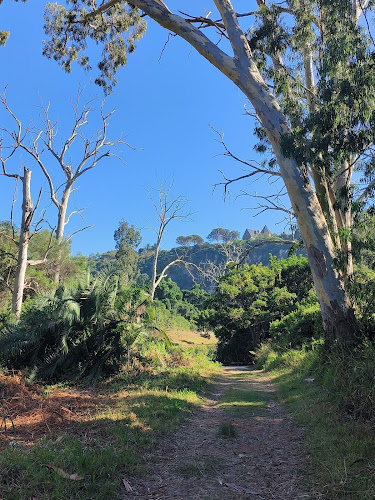
The Lower Guinea-Fowl Trail in Gqeberha (formerly Port Elizabeth) is one of those places that quietly steals your heart before you even realize it. Winding along the Baakens River Valley, this 7.5 km trail feels like a secret escape tucked right into the city. It’s not flashy or overdeveloped — and that’s exactly what makes it special. The path meanders through lush vegetation, rocky outcrops, and shaded forest sections that hum with birdsong and the occasional rustle of something small darting through the undergrowth.
The trail is part of the broader Settlers Park Nature Reserve, and it’s genuinely a gem for anyone who loves being outdoors but doesn’t necessarily want to trek deep into the wilderness. It’s accessible, friendly, and surprisingly peaceful, considering it’s just minutes from busy city streets. You’ll likely spot guinea fowl (of course), butterflies, and maybe even a mongoose or two if you’re lucky. The scent of wild herbs and damp earth lingers in the air after a good rain, and every turn seems to offer a slightly different view of the valley below.
Now, not every section is pristine — some parts can be uneven or muddy after heavy rain, and there are occasional signs of city life that remind you you’re not far from civilization. But somehow, that blend of wild and urban gives the trail its charm. It’s the kind of place where families, dog walkers, joggers, and nature photographers all cross paths and share knowing smiles. It’s a living, breathing piece of Gqeberha’s natural soul.
Key Features
- Scenic river views: The trail follows the Baakens River, offering picturesque glimpses of flowing water, small cascades, and lush riverbanks.
- Rich biodiversity: Expect to encounter a variety of bird species, butterflies, and indigenous plant life, making it a paradise for nature lovers and photographers alike.
- Family-friendly: The route’s moderate difficulty makes it suitable for kids and casual walkers, with plenty of shaded areas to rest along the way.
- Dog-friendly: Well-behaved dogs on leashes are welcome, which adds to the friendly, community-oriented vibe of the trail.
- Accessible location: Conveniently located near the city center, it’s easy to reach yet feels worlds away from the urban bustle.
- Varied terrain: The path alternates between gentle slopes, wooden bridges, and open stretches — perfect for both hiking and light cycling.
- Historical charm: The area carries traces of early settler activity, with old brick structures and remnants of the city’s past hidden among the greenery.
Best Time to Visit
If you ask locals (and I did), most will tell you the Lower Guinea-Fowl Trail is best enjoyed in the early morning or late afternoon, especially during spring and autumn. The weather’s cooler, the light is softer, and the birds are more active — it’s like the valley comes alive just for you. Summers can get warm, but the shaded sections make it bearable, and there’s something refreshing about catching a whiff of the river on a hot day.
Winter has its perks too. The air feels crisp, the crowds thin out, and the trail takes on this moody, almost cinematic quality with mist hanging low in the valley. Just be prepared for a bit of mud after rain. Personally, I love that part — there’s something grounding about getting your shoes dirty on a real trail instead of a paved walkway.
How to Get There
Getting to the Lower Guinea-Fowl Trail is surprisingly easy. It’s centrally located in Gqeberha, tucked within the Settlers Park Nature Reserve area. There are several access points, but the most popular one starts near the 3rd Avenue dip in Newton Park, leading you down into the valley. You can also enter from the Walmer side if you’re closer to that area — both routes eventually wind toward the same scenic heart of the trail.
Parking is generally straightforward near the main entrances, though weekends can get busy. If you’re not driving, local taxis and rideshares can drop you off close to the trailhead. For cyclists, there are designated lanes nearby, and the route itself is partially suitable for mountain bikes (though some sections are better tackled on foot).
Tips for Visiting
Here’s the thing — the Lower Guinea-Fowl Trail isn’t a “show up and snap a few photos” kind of place. It’s a trail meant to be experienced slowly, with curiosity and a bit of patience. Here are a few tips to make your visit memorable:
- Start early: The morning light filtering through the trees is magical, and you’ll avoid the midday heat.
- Wear proper shoes: Some parts can get slippery, especially after rain, so sturdy footwear is a must.
- Bring water and snacks: There aren’t any shops or cafés along the trail, so come prepared if you plan to walk the full loop.
- Keep an eye on your surroundings: While it’s generally safe, it’s always wise to hike with a buddy or let someone know your plans.
- Respect the wildlife: The birds and small animals here are used to people, but they’re still wild. Keep a respectful distance and avoid loud noises.
- Take your time: Don’t rush it. Sit on a rock, listen to the river, and just breathe. It’s one of those rare city spots where you can actually hear yourself think.
- Bring your dog: If you’ve got a furry companion, they’ll love it. Just keep them leashed and clean up after them — it helps preserve the area’s natural beauty.
- Stay mindful of weather: After heavy rain, parts of the trail can flood or get muddy, so check conditions before heading out.
One time, I remember walking this trail after a light drizzle. The air smelled like wet leaves and wild mint, and the sound of the river was louder than usual. I ran into an older couple who said they’d been walking it every Sunday for twenty years — and honestly, I could see why. It’s not about the distance or the difficulty; it’s about the rhythm of the place. Every step feels like a quiet conversation with nature.
Whether you’re a local looking for a peaceful walk, a traveler craving a slice of South African greenery, or just someone who needs a break from screens and schedules, the Lower Guinea-Fowl Trail delivers. It’s a reminder that sometimes, the best adventures don’t require a long drive or a fancy ticket — just a good pair of shoes and a willingness to wander.
And if you’re anything like me, you’ll probably end up going back more than once. Because trails like this — the ones that balance wild beauty with accessibility — have a way of calling you back. Every visit feels a little different, every sound a little new. It’s the kind of place that doesn’t just show you nature; it invites you to be part of it.
Key Features
- Key Features
- Best Time to Visit
- How to Get There
- Tips for Visiting
More Details
Updated November 30, 2025
Table of Contents
Description
The Lower Guinea-Fowl Trail in Gqeberha (formerly Port Elizabeth) is one of those places that quietly steals your heart before you even realize it. Winding along the Baakens River Valley, this 7.5 km trail feels like a secret escape tucked right into the city. It’s not flashy or overdeveloped — and that’s exactly what makes it special. The path meanders through lush vegetation, rocky outcrops, and shaded forest sections that hum with birdsong and the occasional rustle of something small darting through the undergrowth.
The trail is part of the broader Settlers Park Nature Reserve, and it’s genuinely a gem for anyone who loves being outdoors but doesn’t necessarily want to trek deep into the wilderness. It’s accessible, friendly, and surprisingly peaceful, considering it’s just minutes from busy city streets. You’ll likely spot guinea fowl (of course), butterflies, and maybe even a mongoose or two if you’re lucky. The scent of wild herbs and damp earth lingers in the air after a good rain, and every turn seems to offer a slightly different view of the valley below.
Now, not every section is pristine — some parts can be uneven or muddy after heavy rain, and there are occasional signs of city life that remind you you’re not far from civilization. But somehow, that blend of wild and urban gives the trail its charm. It’s the kind of place where families, dog walkers, joggers, and nature photographers all cross paths and share knowing smiles. It’s a living, breathing piece of Gqeberha’s natural soul.
Key Features
- Scenic river views: The trail follows the Baakens River, offering picturesque glimpses of flowing water, small cascades, and lush riverbanks.
- Rich biodiversity: Expect to encounter a variety of bird species, butterflies, and indigenous plant life, making it a paradise for nature lovers and photographers alike.
- Family-friendly: The route’s moderate difficulty makes it suitable for kids and casual walkers, with plenty of shaded areas to rest along the way.
- Dog-friendly: Well-behaved dogs on leashes are welcome, which adds to the friendly, community-oriented vibe of the trail.
- Accessible location: Conveniently located near the city center, it’s easy to reach yet feels worlds away from the urban bustle.
- Varied terrain: The path alternates between gentle slopes, wooden bridges, and open stretches — perfect for both hiking and light cycling.
- Historical charm: The area carries traces of early settler activity, with old brick structures and remnants of the city’s past hidden among the greenery.
Best Time to Visit
If you ask locals (and I did), most will tell you the Lower Guinea-Fowl Trail is best enjoyed in the early morning or late afternoon, especially during spring and autumn. The weather’s cooler, the light is softer, and the birds are more active — it’s like the valley comes alive just for you. Summers can get warm, but the shaded sections make it bearable, and there’s something refreshing about catching a whiff of the river on a hot day.
Winter has its perks too. The air feels crisp, the crowds thin out, and the trail takes on this moody, almost cinematic quality with mist hanging low in the valley. Just be prepared for a bit of mud after rain. Personally, I love that part — there’s something grounding about getting your shoes dirty on a real trail instead of a paved walkway.
How to Get There
Getting to the Lower Guinea-Fowl Trail is surprisingly easy. It’s centrally located in Gqeberha, tucked within the Settlers Park Nature Reserve area. There are several access points, but the most popular one starts near the 3rd Avenue dip in Newton Park, leading you down into the valley. You can also enter from the Walmer side if you’re closer to that area — both routes eventually wind toward the same scenic heart of the trail.
Parking is generally straightforward near the main entrances, though weekends can get busy. If you’re not driving, local taxis and rideshares can drop you off close to the trailhead. For cyclists, there are designated lanes nearby, and the route itself is partially suitable for mountain bikes (though some sections are better tackled on foot).
Tips for Visiting
Here’s the thing — the Lower Guinea-Fowl Trail isn’t a “show up and snap a few photos” kind of place. It’s a trail meant to be experienced slowly, with curiosity and a bit of patience. Here are a few tips to make your visit memorable:
- Start early: The morning light filtering through the trees is magical, and you’ll avoid the midday heat.
- Wear proper shoes: Some parts can get slippery, especially after rain, so sturdy footwear is a must.
- Bring water and snacks: There aren’t any shops or cafés along the trail, so come prepared if you plan to walk the full loop.
- Keep an eye on your surroundings: While it’s generally safe, it’s always wise to hike with a buddy or let someone know your plans.
- Respect the wildlife: The birds and small animals here are used to people, but they’re still wild. Keep a respectful distance and avoid loud noises.
- Take your time: Don’t rush it. Sit on a rock, listen to the river, and just breathe. It’s one of those rare city spots where you can actually hear yourself think.
- Bring your dog: If you’ve got a furry companion, they’ll love it. Just keep them leashed and clean up after them — it helps preserve the area’s natural beauty.
- Stay mindful of weather: After heavy rain, parts of the trail can flood or get muddy, so check conditions before heading out.
One time, I remember walking this trail after a light drizzle. The air smelled like wet leaves and wild mint, and the sound of the river was louder than usual. I ran into an older couple who said they’d been walking it every Sunday for twenty years — and honestly, I could see why. It’s not about the distance or the difficulty; it’s about the rhythm of the place. Every step feels like a quiet conversation with nature.
Whether you’re a local looking for a peaceful walk, a traveler craving a slice of South African greenery, or just someone who needs a break from screens and schedules, the Lower Guinea-Fowl Trail delivers. It’s a reminder that sometimes, the best adventures don’t require a long drive or a fancy ticket — just a good pair of shoes and a willingness to wander.
And if you’re anything like me, you’ll probably end up going back more than once. Because trails like this — the ones that balance wild beauty with accessibility — have a way of calling you back. Every visit feels a little different, every sound a little new. It’s the kind of place that doesn’t just show you nature; it invites you to be part of it.
Key Highlights
- Key Features
- Best Time to Visit
- How to Get There
- Tips for Visiting
Location
Places to Stay Near Lower Guinea-Fowl Trail
Find and Book a Tour
Explore More Travel Guides
No reviews found! Be the first to review!
Traveler Reviews for Lower Guinea-Fowl Trail
There are no reviews yet. Be the first one to write one.
Have you visited Lower Guinea-Fowl Trail? Help other travelers by sharing your review.
You Might Also Like

South African Air Force Museum, Port Elizabeth Branch

Van Stadens Wild Flower Reserve
Baakens Valley
Find Accommodations Nearby
Recommended Tours & Activities
Visitor Reviews
There are no reviews yet. Be the first one to write one.
Share Your Experience
Have you visited Lower Guinea-Fowl Trail? Help other travelers by leaving a review.