
Longquan
About Longquan
Description
Longquan is one of those places that sneaks up on you in the best possible way. Sitting quietly on the upper reaches of the Ou River in southwestern Zhejiang Province, it’s a county-level city with a rich history and a vibe that’s a little off the beaten path. It’s not your typical tourist hotspot, which is exactly why it’s worth your attention. Bordering Fujian province to the southwest, Longquan offers a unique blend of cultural influences and natural beauty that feels both authentic and refreshing.
What really sets Longquan apart is its deep connection to traditional Chinese craftsmanship, especially its world-famous sword making and celadon pottery. These crafts aren’t just souvenirs here—they’re living traditions, passed down through generations, and you can still see artisans at work if you know where to look. It’s a place where history isn’t stuck in a museum; it’s alive, breathing, and part of everyday life.
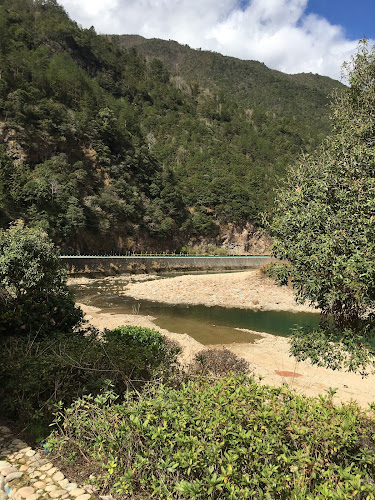
Beyond the crafts, the landscape around Longquan is seriously stunning. Think misty mountains, clear rivers, and ancient forests that invite you to slow down and soak it all in. If you’re someone who appreciates a good hike or just wants to escape the usual city chaos, Longquan’s natural scenery offers a peaceful retreat. The Ou River itself winds through the region, creating picturesque spots perfect for photography or just a quiet moment by the water.
But hey, it’s not all serene and quiet. The local markets and streets have a charm of their own, bustling with vendors selling fresh produce, handmade goods, and local snacks that’ll make your taste buds do a happy dance. Don’t expect flashy tourist traps here; instead, you get real, down-to-earth experiences that connect you with the heart of this community.
Visiting Longquan feels a bit like stepping back in time, but with all the comforts you need to enjoy the moment. It’s a place for travelers who want to dig a little deeper, who crave stories behind every corner, and who appreciate the slower, more meaningful pace of life. If you’re into exploring China beyond the usual cities, Longquan is a gem worth uncovering.
Key Features
- Historic sword-making workshops that showcase centuries-old techniques
- Celadon pottery studios where traditional glazing methods are still practiced
- Scenic hiking trails along the Ou River and surrounding mountains
- Local markets offering authentic regional foods and handmade crafts
- Rich cultural blend influenced by proximity to Fujian province
- Peaceful natural landscapes perfect for photography and relaxation
- Ancient temples and heritage sites reflecting Longquan’s historical depth
- Opportunities to engage with artisans and learn about traditional crafts
Best Time to Visit
If you ask me, the best time to visit Longquan is during spring and autumn. Spring brings a burst of fresh greenery and mild weather that makes wandering around the mountains and riverbanks downright delightful. It’s when the flowers start blooming, and the air feels crisp but not chilly. Autumn, on the other hand, offers cooler temperatures and stunning foliage that paints the landscape in warm oranges and reds—perfect for those Insta-worthy shots.
Summer can be a bit humid and hot, which might put a damper on long hikes or outdoor exploring. Plus, it’s the rainy season, so be prepared for sudden showers. Winter is quieter and less crowded, but it gets pretty cold, and some outdoor activities might be less enjoyable unless you’re really into braving the chill.
How to Get There
Getting to Longquan is easier than you might think, but it does require a bit of planning since it’s not a major city hub. The closest major city is Lishui, which connects to bigger cities like Hangzhou and Shanghai by train and bus. From Lishui, you can catch a local bus or hire a taxi to Longquan—it’s roughly a one-to-two-hour ride depending on traffic.
If you’re coming from further afield, the nearest airports are in Hangzhou and Wenzhou, both offering domestic and some international flights. From there, trains and buses can get you closer to Longquan. The train ride itself is pretty scenic, so if you’ve got the time, I’d recommend skipping the flight for that leg and soaking up the countryside views.
Once in Longquan, getting around is mostly on foot or by local taxis. The town isn’t sprawling, so you can easily explore the main attractions without much hassle. Just keep in mind that English may not be widely spoken, so having a translation app or some basic Mandarin phrases ready can be a lifesaver.
Tips for Visiting
Alright, here are a few nuggets of wisdom from someone who’s been around the block a bit. First off, don’t rush your visit. Longquan isn’t about ticking off landmarks at lightning speed. Take your time to chat with locals, watch artisans at work, and maybe even try your hand at some pottery or sword polishing if you get the chance.
Pack comfortable shoes because there’s a fair bit of walking and hiking if you want to explore the natural spots. And bring a rain jacket or umbrella, especially if you’re visiting in the warmer months—weather here can be unpredictable.
Food lovers, this one’s for you: don’t miss sampling local snacks at the markets. Some of the flavors are unique to this region, and honestly, they’re a highlight on their own. Just be a bit cautious with street food if you have a sensitive stomach—better safe than sorry.
Also, be respectful when visiting temples and artisan workshops. These places are often family-run and steeped in tradition, so a little politeness goes a long way. If you want to take photos, always ask first—it’s just good manners and keeps everyone happy.
Lastly, if you’re the kind of traveler who likes to bring back meaningful souvenirs, skip the mass-produced stuff and look for authentic celadon pottery or handcrafted items made right there in Longquan. Not only will you have a unique memento, but you’ll also be supporting the local community.
In the end, Longquan is a place that rewards curiosity and patience. It’s not flashy or loud, but if you give it a chance, it’ll surprise you with its quiet charm and stories that stick with you long after you’ve left.
Key Features
- Historic sword-making workshops that showcase centuries-old techniques
- Celadon pottery studios where traditional glazing methods are still practiced
- Scenic hiking trails along the Ou River and surrounding mountains
- Local markets offering authentic regional foods and handmade crafts
- Rich cultural blend influenced by proximity to Fujian province
- Peaceful natural landscapes perfect for photography and relaxation
- Ancient temples and heritage sites reflecting Longquan’s historical depth
- Opportunities to engage with artisans and learn about traditional crafts
More Details
Updated July 21, 2025
Table of Contents
Description
Longquan is one of those places that sneaks up on you in the best possible way. Sitting quietly on the upper reaches of the Ou River in southwestern Zhejiang Province, it’s a county-level city with a rich history and a vibe that’s a little off the beaten path. It’s not your typical tourist hotspot, which is exactly why it’s worth your attention. Bordering Fujian province to the southwest, Longquan offers a unique blend of cultural influences and natural beauty that feels both authentic and refreshing.
What really sets Longquan apart is its deep connection to traditional Chinese craftsmanship, especially its world-famous sword making and celadon pottery. These crafts aren’t just souvenirs here—they’re living traditions, passed down through generations, and you can still see artisans at work if you know where to look. It’s a place where history isn’t stuck in a museum; it’s alive, breathing, and part of everyday life.
Beyond the crafts, the landscape around Longquan is seriously stunning. Think misty mountains, clear rivers, and ancient forests that invite you to slow down and soak it all in. If you’re someone who appreciates a good hike or just wants to escape the usual city chaos, Longquan’s natural scenery offers a peaceful retreat. The Ou River itself winds through the region, creating picturesque spots perfect for photography or just a quiet moment by the water.
But hey, it’s not all serene and quiet. The local markets and streets have a charm of their own, bustling with vendors selling fresh produce, handmade goods, and local snacks that’ll make your taste buds do a happy dance. Don’t expect flashy tourist traps here; instead, you get real, down-to-earth experiences that connect you with the heart of this community.
Visiting Longquan feels a bit like stepping back in time, but with all the comforts you need to enjoy the moment. It’s a place for travelers who want to dig a little deeper, who crave stories behind every corner, and who appreciate the slower, more meaningful pace of life. If you’re into exploring China beyond the usual cities, Longquan is a gem worth uncovering.
Key Features
- Historic sword-making workshops that showcase centuries-old techniques
- Celadon pottery studios where traditional glazing methods are still practiced
- Scenic hiking trails along the Ou River and surrounding mountains
- Local markets offering authentic regional foods and handmade crafts
- Rich cultural blend influenced by proximity to Fujian province
- Peaceful natural landscapes perfect for photography and relaxation
- Ancient temples and heritage sites reflecting Longquan’s historical depth
- Opportunities to engage with artisans and learn about traditional crafts
Best Time to Visit
If you ask me, the best time to visit Longquan is during spring and autumn. Spring brings a burst of fresh greenery and mild weather that makes wandering around the mountains and riverbanks downright delightful. It’s when the flowers start blooming, and the air feels crisp but not chilly. Autumn, on the other hand, offers cooler temperatures and stunning foliage that paints the landscape in warm oranges and reds—perfect for those Insta-worthy shots.
Summer can be a bit humid and hot, which might put a damper on long hikes or outdoor exploring. Plus, it’s the rainy season, so be prepared for sudden showers. Winter is quieter and less crowded, but it gets pretty cold, and some outdoor activities might be less enjoyable unless you’re really into braving the chill.
How to Get There
Getting to Longquan is easier than you might think, but it does require a bit of planning since it’s not a major city hub. The closest major city is Lishui, which connects to bigger cities like Hangzhou and Shanghai by train and bus. From Lishui, you can catch a local bus or hire a taxi to Longquan—it’s roughly a one-to-two-hour ride depending on traffic.
If you’re coming from further afield, the nearest airports are in Hangzhou and Wenzhou, both offering domestic and some international flights. From there, trains and buses can get you closer to Longquan. The train ride itself is pretty scenic, so if you’ve got the time, I’d recommend skipping the flight for that leg and soaking up the countryside views.
Once in Longquan, getting around is mostly on foot or by local taxis. The town isn’t sprawling, so you can easily explore the main attractions without much hassle. Just keep in mind that English may not be widely spoken, so having a translation app or some basic Mandarin phrases ready can be a lifesaver.
Tips for Visiting
Alright, here are a few nuggets of wisdom from someone who’s been around the block a bit. First off, don’t rush your visit. Longquan isn’t about ticking off landmarks at lightning speed. Take your time to chat with locals, watch artisans at work, and maybe even try your hand at some pottery or sword polishing if you get the chance.
Pack comfortable shoes because there’s a fair bit of walking and hiking if you want to explore the natural spots. And bring a rain jacket or umbrella, especially if you’re visiting in the warmer months—weather here can be unpredictable.
Food lovers, this one’s for you: don’t miss sampling local snacks at the markets. Some of the flavors are unique to this region, and honestly, they’re a highlight on their own. Just be a bit cautious with street food if you have a sensitive stomach—better safe than sorry.
Also, be respectful when visiting temples and artisan workshops. These places are often family-run and steeped in tradition, so a little politeness goes a long way. If you want to take photos, always ask first—it’s just good manners and keeps everyone happy.
Lastly, if you’re the kind of traveler who likes to bring back meaningful souvenirs, skip the mass-produced stuff and look for authentic celadon pottery or handcrafted items made right there in Longquan. Not only will you have a unique memento, but you’ll also be supporting the local community.
In the end, Longquan is a place that rewards curiosity and patience. It’s not flashy or loud, but if you give it a chance, it’ll surprise you with its quiet charm and stories that stick with you long after you’ve left.
Key Highlights
- Historic sword-making workshops that showcase centuries-old techniques
- Celadon pottery studios where traditional glazing methods are still practiced
- Scenic hiking trails along the Ou River and surrounding mountains
- Local markets offering authentic regional foods and handmade crafts
- Rich cultural blend influenced by proximity to Fujian province
- Peaceful natural landscapes perfect for photography and relaxation
- Ancient temples and heritage sites reflecting Longquan’s historical depth
- Opportunities to engage with artisans and learn about traditional crafts
Location
Places to Stay Near Longquan
Find and Book a Tour
Explore More Travel Guides
No reviews found! Be the first to review!
Traveler Reviews for Longquan
There are no reviews yet. Be the first one to write one.
Have you visited Longquan? Help other travelers by sharing your review.
You Might Also Like

Lishui Museum

Yingxinglou
Lishui City Museum
Find Accommodations Nearby
Recommended Tours & Activities
Visitor Reviews
There are no reviews yet. Be the first one to write one.
Share Your Experience
Have you visited Longquan? Help other travelers by leaving a review.