
London Museum Docklands
About London Museum Docklands
Description
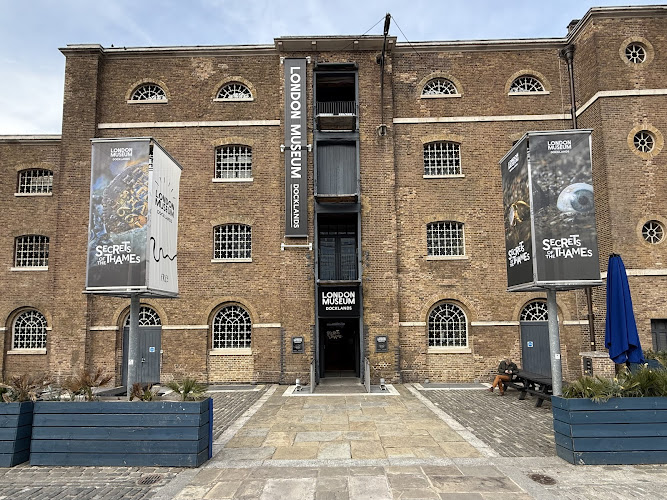
The London Museum Docklands occupies a former Georgian sugar warehouse, and that fact alone does a lot of the storytelling before anyone even steps inside. Thick brick walls, heavy timber beams, and the faint sense that goods once creaked in from ships outside all set the mood. This is not a glossy, ultra-modern gallery box. It feels earned. The museum charts London’s long, sometimes uncomfortable history as a global trading port, from Roman wharves through the rise of the docks, the brutal realities of the transatlantic slave trade, wartime devastation, and the reinvention of Docklands into what visitors see today. And yes, it’s big. Bigger than many travelers expect. The galleries unfold chronologically but also thematically, so visitors can dip in and out depending on interest or energy levels. Some rooms are quietly reflective, others noisy with audiovisual displays and hands-on elements. There’s a strong emphasis on real voices: dock workers, merchants, sailors, enslaved people, migrants. It avoids the mistake of polishing history until it shines too much. Some sections can feel heavy, emotionally speaking, but that’s kind of the point. This writer remembers tagging along with friends who thought they’d “just pop in for an hour” and emerging three hours later, slightly hungry, a bit overloaded, but also weirdly satisfied. The museum has that effect. It doesn’t rush you, and it doesn’t shout. It trusts visitors to sit with complex stories. For travelers who want context for London beyond palaces and photo ops, this place quietly delivers. There’s also a café on site, which sounds like a small thing but really isn’t. Sitting down with a coffee after learning about centuries of global trade feels oddly appropriate. And the views toward the water outside remind visitors that the river isn’t decoration; it’s the reason London became London.Key Features
- Historic Georgian warehouse architecture that still feels authentic, not over-restored
- Permanent exhibitions covering Roman London through modern Docklands redevelopment
- Powerful galleries on the transatlantic slave trade and Britain’s role in it
- Interactive displays and role-play areas designed with children in mind
- Regular live performances, talks, and community-led events
- Onsite café and restaurant for proper sit-down breaks, not just snack carts
- Excellent accessibility, including wheelchair rental and assisted listening devices
- Free Wi‑Fi throughout, which is surprisingly useful for travelers mapping next stops
Best Time to Visit
Weekday mornings tend to be the sweet spot. The museum opens into its day gently, and those first couple of hours are calm enough to really read labels and listen to audio without feeling crowded. Late mornings can fill up with school groups, especially during term time. They’re generally well-managed, but the noise level jumps, which might matter if you’re planning a thoughtful, slow visit. Weekends are busier, obviously. But here’s the thing: because the building is large and spread out, it rarely feels unbearable. The crowds disperse. Still, arriving early helps. Late afternoons, especially after 3pm, can also be pleasant as families drift away. Season-wise, this is a solid all-year option. On rainy London days, it’s honestly perfect. On bright summer afternoons, some travelers prefer outdoor sights, which makes the museum quieter. And there’s something quite nice about ducking inside thick brick walls when the weather turns moody. Feels right.How to Get There
The museum sits in the Docklands area, well served by public transport. Docklands Light Railway stations are the most convenient option, and they’re step-free, which is a big plus for anyone with mobility needs or heavy bags. Buses also run nearby, connecting the area to central London without too much fuss. For travelers staying centrally, the journey often becomes part of the experience. Watching the city shift from historic core to glassy towers to quieter dockside streets gives context before you even arrive. River services are another option and, frankly, one of the more enjoyable ways to approach the area if time allows. Arriving by water feels historically appropriate, even if the boat has Wi‑Fi and comfy seats. Driving is possible, but London being London, public transport is usually the saner choice.Tips for Visiting
Plan more time than you think you need. Two hours is a minimum if you want to do more than skim. Three is comfortable. And yes, museum fatigue is real, so pacing matters. Start at the beginning. The Roman and medieval sections provide grounding that makes later galleries hit harder. Skipping ahead can leave some stories feeling disconnected. Don’t miss the slavery galleries, even if you’re tired. They’re challenging but handled with care and depth. Many visitors say this is where the museum truly distinguishes itself. If you’re visiting with kids, look out for the hands-on areas. They’re not just distractions; they’re cleverly tied into the themes of trade, labor, and migration. And there are proper changing facilities, which traveling parents always appreciate more than they admit. Accessibility here is genuinely thoughtful, not just box-ticking. Wheelchair users, visitors with hearing impairments, and those needing seating breaks are well accommodated. This matters, and it shows the museum actually expects a diverse audience. The café gets busy around lunchtime. Eating a bit earlier or later can save you queuing. And the food is better than you’d expect from a museum café, which is saying something. Lastly, allow space after your visit. Emotionally, mentally. The museum doesn’t end with a neat bow. It leaves you thinking about how London’s wealth was built, who paid the price, and how those legacies still ripple outward. That quiet walk outside afterward, along the water, often becomes part of the experience. And honestly, that lingering feeling is why many travelers rate this museum so highly, even if they didn’t quite expect to.Key Features
- Historic Georgian warehouse architecture that still feels authentic, not over-restored
- Permanent exhibitions covering Roman London through modern Docklands redevelopment
- Powerful galleries on the transatlantic slave trade and Britain’s role in it
- Interactive displays and role-play areas designed with children in mind
- Regular live performances, talks, and community-led events
- Onsite café and restaurant for proper sit-down breaks, not just snack carts
- Excellent accessibility, including wheelchair rental and assisted listening devices
- Free Wi‑Fi throughout, which is surprisingly useful for travelers mapping next stops
More Details
Updated December 31, 2025
Table of Contents
Description
The London Museum Docklands occupies a former Georgian sugar warehouse, and that fact alone does a lot of the storytelling before anyone even steps inside. Thick brick walls, heavy timber beams, and the faint sense that goods once creaked in from ships outside all set the mood. This is not a glossy, ultra-modern gallery box. It feels earned. The museum charts London’s long, sometimes uncomfortable history as a global trading port, from Roman wharves through the rise of the docks, the brutal realities of the transatlantic slave trade, wartime devastation, and the reinvention of Docklands into what visitors see today.
And yes, it’s big. Bigger than many travelers expect. The galleries unfold chronologically but also thematically, so visitors can dip in and out depending on interest or energy levels. Some rooms are quietly reflective, others noisy with audiovisual displays and hands-on elements. There’s a strong emphasis on real voices: dock workers, merchants, sailors, enslaved people, migrants. It avoids the mistake of polishing history until it shines too much. Some sections can feel heavy, emotionally speaking, but that’s kind of the point.
This writer remembers tagging along with friends who thought they’d “just pop in for an hour” and emerging three hours later, slightly hungry, a bit overloaded, but also weirdly satisfied. The museum has that effect. It doesn’t rush you, and it doesn’t shout. It trusts visitors to sit with complex stories. For travelers who want context for London beyond palaces and photo ops, this place quietly delivers.
There’s also a café on site, which sounds like a small thing but really isn’t. Sitting down with a coffee after learning about centuries of global trade feels oddly appropriate. And the views toward the water outside remind visitors that the river isn’t decoration; it’s the reason London became London.
Key Features
- Historic Georgian warehouse architecture that still feels authentic, not over-restored
- Permanent exhibitions covering Roman London through modern Docklands redevelopment
- Powerful galleries on the transatlantic slave trade and Britain’s role in it
- Interactive displays and role-play areas designed with children in mind
- Regular live performances, talks, and community-led events
- Onsite café and restaurant for proper sit-down breaks, not just snack carts
- Excellent accessibility, including wheelchair rental and assisted listening devices
- Free Wi‑Fi throughout, which is surprisingly useful for travelers mapping next stops
Best Time to Visit
Weekday mornings tend to be the sweet spot. The museum opens into its day gently, and those first couple of hours are calm enough to really read labels and listen to audio without feeling crowded. Late mornings can fill up with school groups, especially during term time. They’re generally well-managed, but the noise level jumps, which might matter if you’re planning a thoughtful, slow visit.
Weekends are busier, obviously. But here’s the thing: because the building is large and spread out, it rarely feels unbearable. The crowds disperse. Still, arriving early helps. Late afternoons, especially after 3pm, can also be pleasant as families drift away.
Season-wise, this is a solid all-year option. On rainy London days, it’s honestly perfect. On bright summer afternoons, some travelers prefer outdoor sights, which makes the museum quieter. And there’s something quite nice about ducking inside thick brick walls when the weather turns moody. Feels right.
How to Get There
The museum sits in the Docklands area, well served by public transport. Docklands Light Railway stations are the most convenient option, and they’re step-free, which is a big plus for anyone with mobility needs or heavy bags. Buses also run nearby, connecting the area to central London without too much fuss.
For travelers staying centrally, the journey often becomes part of the experience. Watching the city shift from historic core to glassy towers to quieter dockside streets gives context before you even arrive. River services are another option and, frankly, one of the more enjoyable ways to approach the area if time allows. Arriving by water feels historically appropriate, even if the boat has Wi‑Fi and comfy seats.
Driving is possible, but London being London, public transport is usually the saner choice.
Tips for Visiting
Plan more time than you think you need. Two hours is a minimum if you want to do more than skim. Three is comfortable. And yes, museum fatigue is real, so pacing matters.
Start at the beginning. The Roman and medieval sections provide grounding that makes later galleries hit harder. Skipping ahead can leave some stories feeling disconnected.
Don’t miss the slavery galleries, even if you’re tired. They’re challenging but handled with care and depth. Many visitors say this is where the museum truly distinguishes itself.
If you’re visiting with kids, look out for the hands-on areas. They’re not just distractions; they’re cleverly tied into the themes of trade, labor, and migration. And there are proper changing facilities, which traveling parents always appreciate more than they admit.
Accessibility here is genuinely thoughtful, not just box-ticking. Wheelchair users, visitors with hearing impairments, and those needing seating breaks are well accommodated. This matters, and it shows the museum actually expects a diverse audience.
The café gets busy around lunchtime. Eating a bit earlier or later can save you queuing. And the food is better than you’d expect from a museum café, which is saying something.
Lastly, allow space after your visit. Emotionally, mentally. The museum doesn’t end with a neat bow. It leaves you thinking about how London’s wealth was built, who paid the price, and how those legacies still ripple outward. That quiet walk outside afterward, along the water, often becomes part of the experience. And honestly, that lingering feeling is why many travelers rate this museum so highly, even if they didn’t quite expect to.
Key Highlights
- Historic Georgian warehouse architecture that still feels authentic, not over-restored
- Permanent exhibitions covering Roman London through modern Docklands redevelopment
- Powerful galleries on the transatlantic slave trade and Britain’s role in it
- Interactive displays and role-play areas designed with children in mind
- Regular live performances, talks, and community-led events
- Onsite café and restaurant for proper sit-down breaks, not just snack carts
- Excellent accessibility, including wheelchair rental and assisted listening devices
- Free Wi‑Fi throughout, which is surprisingly useful for travelers mapping next stops
Location
Places to Stay Near London Museum Docklands
Find and Book a Tour
Explore More Travel Guides
No reviews found! Be the first to review!
Traveler Reviews for London Museum Docklands
There are no reviews yet. Be the first one to write one.
Have you visited London Museum Docklands? Help other travelers by sharing your review.
You Might Also Like
Windmill Rd
Ilchester Pl
The London Bridge Experience & London Tombs
Find Accommodations Nearby
Recommended Tours & Activities
Visitor Reviews
There are no reviews yet. Be the first one to write one.
Share Your Experience
Have you visited London Museum Docklands? Help other travelers by leaving a review.