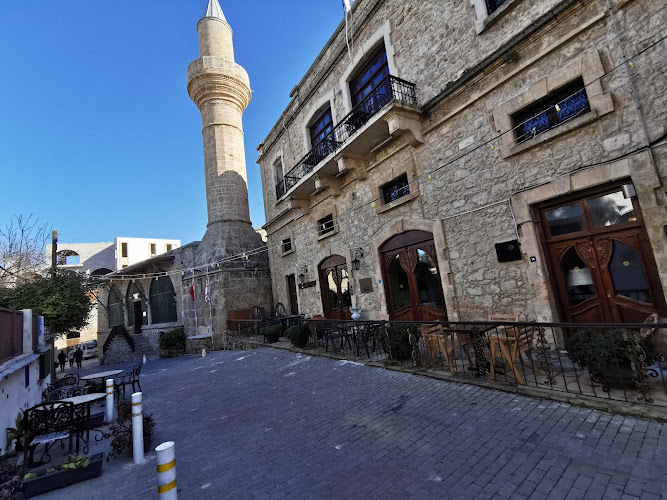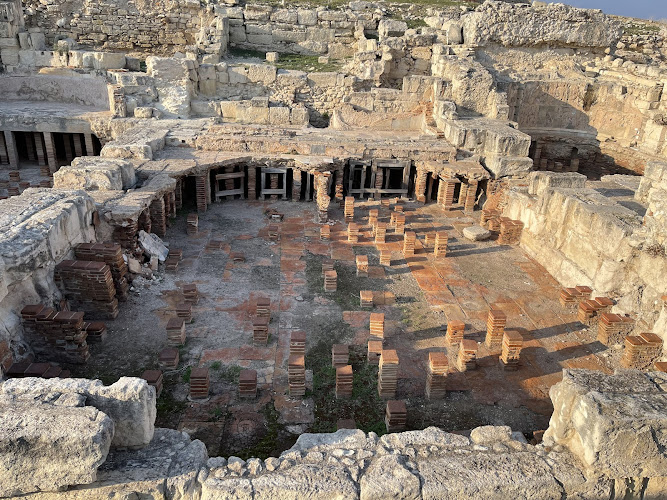
Local Archaeological Museum of Kourion
About Local Archaeological Museum of Kourion
Description
The Local Archaeological Museum of Kourion sits as a modest but richly packed stop for anyone exploring the ruins of ancient Kourion and the wider Episkopi area of Cyprus. The museum focuses on the archaeology of the ancient city and surrounding settlements, offering context to the mosaics, pottery and architectural fragments that draw most visitors to the open-air archaeological site. It is compact in scale, deliberately so, and that intimacy is part of its charm. Instead of sprawling galleries that can overwhelm, it presents carefully curated displays that lead one through centuries of local life: from Bronze Age traces through Greek and Roman periods and into late antiquity.
Exhibits are displayed in two principal rooms, each arranged to connect artifacts with the nearby archaeological remains. The museum excels at helping visitors make sense of the layers of occupation around Kourion: the pottery and small finds that hint at everyday life, the carved stone fragments linked to public buildings, and the funerary objects that speak to burial practices and beliefs. A highlight are the well-preserved fragments from the Roman period: architectural mouldings, sculpted heads and domestic items that illustrate how a provincial city on the island of Cyprus both adopted and adapted Mediterranean styles.
For travelers who love history but dislike long, dry tours, the museum offers an efficient, well-signposted experience. Text panels provide clear chronological anchors and, where possible, link items to locations at the nearby archaeological site. That makes it ideal as either a stand-alone visit for a rainy afternoon or a complement to a full day exploring Kourion and nearby sanctuaries such as the sanctuary of Apollo Hylates. The layout encourages curiosity: a small display might hold a delicate coin or a domestic tool, and that seemingly small thing can change the way one imagines life in an ancient Cypriot city.
Practical details enhance accessibility. The main entrance is wheelchair friendly and there are wheelchair accessible restrooms, which many travelers appreciate more than they expect to. There is no restaurant on site, so visitors should plan coffee or lunch elsewhere, but restroom facilities and clear signage make the visit comfortable. Families with children will find the museum welcoming—hands-on exhibitions are limited, but the compact format and the presence of real artifacts close to the interpretation help keep kids engaged without overstimulation.
On atmosphere: the museum is unpretentious. It does not attempt grand theatricality; rather, it trusts the artifacts to tell their own story. For some, that understated approach is refreshing—after long, crowded museums elsewhere, this one feels like a friendly local guide who speaks plainly and knows the neighbourhood well. For others seeking blockbuster displays, it may seem small. Either way, it rewards those who want to connect archaeological material with an accessible, human narrative of ancient Kourion and its environment.
Key Features
- Focused exhibitions linking finds to the Kourion archaeological site and surrounding area
- Notable Roman-period artifacts including architectural fragments, sculpted heads and pottery
- Clear chronological displays that cover Bronze Age to late antiquity phases
- Wheelchair accessible entrance and restroom facilities for improved accessibility
- Family-friendly layout that keeps visits concise and engaging for kids
- Informative signage that connects museum objects with visible remains at the adjacent site
- Small, calm galleries suitable for reflective visits away from busy tourist hubs
- Good base for combined itineraries with ancient Kourion, the seafront cliffs and nearby sanctuaries
Best Time to Visit
The museum is pleasant year-round, but timing can make a difference if the plan includes the archaeological site. Spring and autumn are the most comfortable seasons: mild temperatures, fewer crowds, and longer daylight for pairing a museum visit with a walk among ancient ruins. Late March to May and September to October offer warm but not punishing weather, perfect for leisurely exploration.
Summer months can be hot, especially when combining outdoor site visits with indoor displays. If visiting in July or August, early morning is wise—arrive soon after opening to beat heat and the midday tourist rush. Conversely, winter has its charms: cooler temperatures and a quieter mood, though shorter daylight hours may limit time for the broader Kourion area.
Weekday mornings are often the least crowded. If the visitor wants to avoid school groups and coach parties, aim for a weekday before noon. And a small, practical tip learned from many travelers: pair the museum visit with a late-afternoon stroll on the nearby coastline. Sunsets here can be unexpectedly beautiful, and after a couple of hours of archaeological context, the sea view helps make the ancient city feel alive in a different way.
How to Get There
The museum is easily accessed from the Limassol district and nearby villages. Visitors traveling by car will find navigation straightforward; parking is generally available near the archaeological park rather than directly at the museum, so allow a few minutes for a short walk. Public transport reaches the general area, but services vary with season and may require a taxi or a connecting bus for the final stretch. Travelers relying on buses from Limassol or other towns should check timetables ahead of time, especially on weekends and holidays.
Guided tours of Kourion often include the museum as part of a half-day or full-day itinerary. For independent travelers, combining a rented car with stops at viewpoints and local villages is a popular approach. Walking from nearby accommodation is feasible for those staying in Episkopi village or the coastal hamlets west of Limassol; the walk provides a pleasant preview of the landscape that supported the ancient city.
Taxi drivers in the area are familiar with the museum and archaeological site, so arranging pick-up and drop-off times usually poses no problem. If one prefers public transport, the most reliable plan is to check the regional bus service the evening before travel — unexpected changes happen, and it is better to be prepared. Finally, cycling is an option for energetic travelers during spring and autumn, though some roads are busier than others and the terrain can be hilly in places.
Tips for Visiting
Plan a paired visit. The museum is best experienced alongside the Kourion archaeological site so that objects in the displays can be matched to the ruins outdoors. That connection makes small things—fragments of pottery, a carved stone—come alive because visitors can then picture where they were used and how.
Allow 45 minutes to an hour for the museum alone. It is not a massive institution. Rushing through it in 15 minutes misses the subtler finds and interpretive panels that create a full narrative. Conversely, the museum complements a full-day archaeological itinerary without adding excessive time.
Bring water and sun protection if combining with outdoor exploration. There is no on-site restaurant, so pack snacks or plan a nearby stop for lunch. Comfortable shoes are a must for the archaeological site, but they also make museum-going more relaxed—visitors often move from tile to mosaic to open air within the same outing.
Engage with guides and staff. The museum staff are usually knowledgeable and can point out which items tie directly to features at the archaeological site. Asking a question about a specific artifact often opens up small stories about excavations, past inhabitants and natural events that shaped the city, such as historic earthquakes that affected Kourion.
Take time with the small finds. It is tempting to head straight for the mosaics or dramatic stonework, but the tiny, everyday objects—coins, beads, pottery sherds—offer perhaps the clearest window into ancient life. These are the objects that show trade links, household practice and personal taste.
If traveling with children, turn the visit into a low-key treasure hunt: look for the oldest piece on display, or find an object that might have been used in the kitchen. This keeps young minds curious without requiring formal activities. And parents, a quick heads-up: the museum’s small size means other families are likely nearby, making it easier to keep track of little explorers.
Respect photography rules. Many museums allow non-flash photography, but policies vary. If in doubt, ask. Flash can damage fragile materials and some exhibit cases may reflect bright lights, reducing the value of snaps anyway.
Finally, give the site the time it deserves. The Local Archaeological Museum of Kourion rewards curiosity. It is not a blockbuster attraction with high-gloss displays, but it does an excellent job of grounding visitors in the local history and connecting museum objects to the expansive archaeological landscape beyond. For those who appreciate archaeology presented with restraint and clarity, it is deliberately satisfying—small discoveries add up to a big picture.
Key Features
- Focused exhibitions linking finds to the Kourion archaeological site and surrounding area
- Notable Roman-period artifacts including architectural fragments, sculpted heads and pottery
- Clear chronological displays that cover Bronze Age to late antiquity phases
- Wheelchair accessible entrance and restroom facilities for improved accessibility
- Family-friendly layout that keeps visits concise and engaging for kids
- Informative signage that connects museum objects with visible remains at the adjacent site
- Small, calm galleries suitable for reflective visits away from busy tourist hubs
- Good base for combined itineraries with ancient Kourion, the seafront cliffs and nearby sanctuaries
More Details
Updated August 29, 2025
Table of Contents
- Description
- Key Features
- Best Time to Visit
- How to Get There
- Tips for Visiting
- Key Highlights
- Location
- Places to Stay Near Local Archaeological Museum of Kourion
- Find and Book a Tour
- Explore More Travel Guides
- Nearby Places You Might Like
- Traveler Reviews for Local Archaeological Museum of Kourion
- Share Your Experience
Description
The Local Archaeological Museum of Kourion sits as a modest but richly packed stop for anyone exploring the ruins of ancient Kourion and the wider Episkopi area of Cyprus. The museum focuses on the archaeology of the ancient city and surrounding settlements, offering context to the mosaics, pottery and architectural fragments that draw most visitors to the open-air archaeological site. It is compact in scale, deliberately so, and that intimacy is part of its charm. Instead of sprawling galleries that can overwhelm, it presents carefully curated displays that lead one through centuries of local life: from Bronze Age traces through Greek and Roman periods and into late antiquity.
Exhibits are displayed in two principal rooms, each arranged to connect artifacts with the nearby archaeological remains. The museum excels at helping visitors make sense of the layers of occupation around Kourion: the pottery and small finds that hint at everyday life, the carved stone fragments linked to public buildings, and the funerary objects that speak to burial practices and beliefs. A highlight are the well-preserved fragments from the Roman period: architectural mouldings, sculpted heads and domestic items that illustrate how a provincial city on the island of Cyprus both adopted and adapted Mediterranean styles.
For travelers who love history but dislike long, dry tours, the museum offers an efficient, well-signposted experience. Text panels provide clear chronological anchors and, where possible, link items to locations at the nearby archaeological site. That makes it ideal as either a stand-alone visit for a rainy afternoon or a complement to a full day exploring Kourion and nearby sanctuaries such as the sanctuary of Apollo Hylates. The layout encourages curiosity: a small display might hold a delicate coin or a domestic tool, and that seemingly small thing can change the way one imagines life in an ancient Cypriot city.
Practical details enhance accessibility. The main entrance is wheelchair friendly and there are wheelchair accessible restrooms, which many travelers appreciate more than they expect to. There is no restaurant on site, so visitors should plan coffee or lunch elsewhere, but restroom facilities and clear signage make the visit comfortable. Families with children will find the museum welcoming—hands-on exhibitions are limited, but the compact format and the presence of real artifacts close to the interpretation help keep kids engaged without overstimulation.
On atmosphere: the museum is unpretentious. It does not attempt grand theatricality; rather, it trusts the artifacts to tell their own story. For some, that understated approach is refreshing—after long, crowded museums elsewhere, this one feels like a friendly local guide who speaks plainly and knows the neighbourhood well. For others seeking blockbuster displays, it may seem small. Either way, it rewards those who want to connect archaeological material with an accessible, human narrative of ancient Kourion and its environment.
Key Features
- Focused exhibitions linking finds to the Kourion archaeological site and surrounding area
- Notable Roman-period artifacts including architectural fragments, sculpted heads and pottery
- Clear chronological displays that cover Bronze Age to late antiquity phases
- Wheelchair accessible entrance and restroom facilities for improved accessibility
- Family-friendly layout that keeps visits concise and engaging for kids
- Informative signage that connects museum objects with visible remains at the adjacent site
- Small, calm galleries suitable for reflective visits away from busy tourist hubs
- Good base for combined itineraries with ancient Kourion, the seafront cliffs and nearby sanctuaries
Best Time to Visit
The museum is pleasant year-round, but timing can make a difference if the plan includes the archaeological site. Spring and autumn are the most comfortable seasons: mild temperatures, fewer crowds, and longer daylight for pairing a museum visit with a walk among ancient ruins. Late March to May and September to October offer warm but not punishing weather, perfect for leisurely exploration.
Summer months can be hot, especially when combining outdoor site visits with indoor displays. If visiting in July or August, early morning is wise—arrive soon after opening to beat heat and the midday tourist rush. Conversely, winter has its charms: cooler temperatures and a quieter mood, though shorter daylight hours may limit time for the broader Kourion area.
Weekday mornings are often the least crowded. If the visitor wants to avoid school groups and coach parties, aim for a weekday before noon. And a small, practical tip learned from many travelers: pair the museum visit with a late-afternoon stroll on the nearby coastline. Sunsets here can be unexpectedly beautiful, and after a couple of hours of archaeological context, the sea view helps make the ancient city feel alive in a different way.
How to Get There
The museum is easily accessed from the Limassol district and nearby villages. Visitors traveling by car will find navigation straightforward; parking is generally available near the archaeological park rather than directly at the museum, so allow a few minutes for a short walk. Public transport reaches the general area, but services vary with season and may require a taxi or a connecting bus for the final stretch. Travelers relying on buses from Limassol or other towns should check timetables ahead of time, especially on weekends and holidays.
Guided tours of Kourion often include the museum as part of a half-day or full-day itinerary. For independent travelers, combining a rented car with stops at viewpoints and local villages is a popular approach. Walking from nearby accommodation is feasible for those staying in Episkopi village or the coastal hamlets west of Limassol; the walk provides a pleasant preview of the landscape that supported the ancient city.
Taxi drivers in the area are familiar with the museum and archaeological site, so arranging pick-up and drop-off times usually poses no problem. If one prefers public transport, the most reliable plan is to check the regional bus service the evening before travel — unexpected changes happen, and it is better to be prepared. Finally, cycling is an option for energetic travelers during spring and autumn, though some roads are busier than others and the terrain can be hilly in places.
Tips for Visiting
Plan a paired visit. The museum is best experienced alongside the Kourion archaeological site so that objects in the displays can be matched to the ruins outdoors. That connection makes small things—fragments of pottery, a carved stone—come alive because visitors can then picture where they were used and how.
Allow 45 minutes to an hour for the museum alone. It is not a massive institution. Rushing through it in 15 minutes misses the subtler finds and interpretive panels that create a full narrative. Conversely, the museum complements a full-day archaeological itinerary without adding excessive time.
Bring water and sun protection if combining with outdoor exploration. There is no on-site restaurant, so pack snacks or plan a nearby stop for lunch. Comfortable shoes are a must for the archaeological site, but they also make museum-going more relaxed—visitors often move from tile to mosaic to open air within the same outing.
Engage with guides and staff. The museum staff are usually knowledgeable and can point out which items tie directly to features at the archaeological site. Asking a question about a specific artifact often opens up small stories about excavations, past inhabitants and natural events that shaped the city, such as historic earthquakes that affected Kourion.
Take time with the small finds. It is tempting to head straight for the mosaics or dramatic stonework, but the tiny, everyday objects—coins, beads, pottery sherds—offer perhaps the clearest window into ancient life. These are the objects that show trade links, household practice and personal taste.
If traveling with children, turn the visit into a low-key treasure hunt: look for the oldest piece on display, or find an object that might have been used in the kitchen. This keeps young minds curious without requiring formal activities. And parents, a quick heads-up: the museum’s small size means other families are likely nearby, making it easier to keep track of little explorers.
Respect photography rules. Many museums allow non-flash photography, but policies vary. If in doubt, ask. Flash can damage fragile materials and some exhibit cases may reflect bright lights, reducing the value of snaps anyway.
Finally, give the site the time it deserves. The Local Archaeological Museum of Kourion rewards curiosity. It is not a blockbuster attraction with high-gloss displays, but it does an excellent job of grounding visitors in the local history and connecting museum objects to the expansive archaeological landscape beyond. For those who appreciate archaeology presented with restraint and clarity, it is deliberately satisfying—small discoveries add up to a big picture.
Key Highlights
- Focused exhibitions linking finds to the Kourion archaeological site and surrounding area
- Notable Roman-period artifacts including architectural fragments, sculpted heads and pottery
- Clear chronological displays that cover Bronze Age to late antiquity phases
- Wheelchair accessible entrance and restroom facilities for improved accessibility
- Family-friendly layout that keeps visits concise and engaging for kids
- Informative signage that connects museum objects with visible remains at the adjacent site
- Small, calm galleries suitable for reflective visits away from busy tourist hubs
- Good base for combined itineraries with ancient Kourion, the seafront cliffs and nearby sanctuaries
Location
Places to Stay Near Local Archaeological Museum of Kourion
Find and Book a Tour
Explore More Travel Guides
No reviews found! Be the first to review!
Traveler Reviews for Local Archaeological Museum of Kourion
There are no reviews yet. Be the first one to write one.
Have you visited Local Archaeological Museum of Kourion? Help other travelers by sharing your review.
Find Accommodations Nearby
Recommended Tours & Activities
Visitor Reviews
There are no reviews yet. Be the first one to write one.
Share Your Experience
Have you visited Local Archaeological Museum of Kourion? Help other travelers by leaving a review.