
Living Museum (Bujumbura Zoo)
About Living Museum (Bujumbura Zoo)
Description
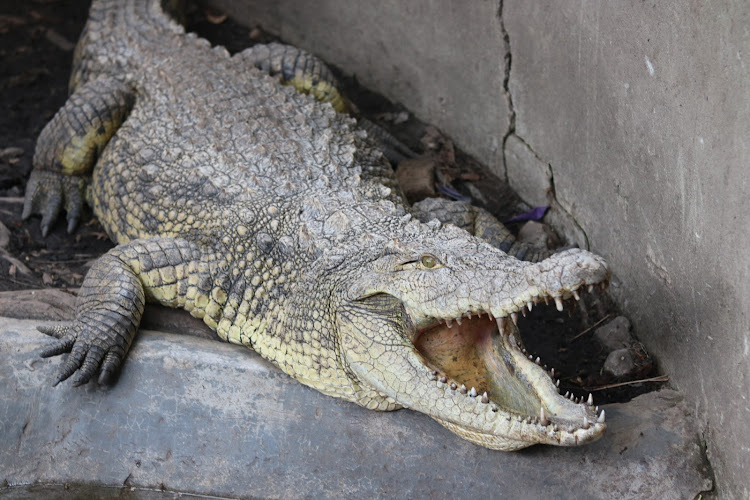
The Living Museum of Bujumbura, often called the Musée Vivant, is one of those places that surprises you in the best way possible. It’s not your typical modern zoo with flashy enclosures and high-tech displays. Instead, it’s a curious blend of a wildlife park and a cultural museum that somehow manages to capture the spirit of Burundi in a single visit. Located right in the heart of Bujumbura, this place feels like an open-air classroom where nature, art, and history meet face to face. You can literally walk just a few meters and go from watching a crocodile basking lazily in the sun to admiring a local artisan carving wood or weaving baskets. It’s that mix of raw and real that makes it unforgettable.
Now, I’ll be honest—it’s not a polished, postcard-perfect zoo. Some areas feel a bit rustic, and that’s part of its charm (and sometimes its challenge). But that’s what makes it such an authentic experience. You get to see Burundi’s wildlife up close—snakes, crocodiles, tortoises, chimpanzees, leopards—and you get to interact with locals who are genuinely proud of their heritage. The guides here often have stories that go beyond the animals—they’ll tell you about local traditions, the history of the area, even a few personal anecdotes if you’re lucky.
And yes, it’s a bit of a mixed bag when it comes to visitor opinions. Some people love the intimacy and simplicity; others wish for more modern facilities. But if you approach it with a sense of curiosity and an open mind, you’ll walk away with a deeper understanding of Burundi’s natural and cultural landscape. For me, it’s one of those places that reminds you travel isn’t always about perfection—it’s about connection.
Key Features
- Home to a variety of native animals including crocodiles, snakes, tortoises, leopards, and chimpanzees.
- Combines a zoo with a small cultural museum showcasing Burundian art and traditional crafts.
- Offers guided tours where visitors can learn about local wildlife and cultural heritage.
- Features interactive experiences—visitors can sometimes feed or handle certain animals under supervision.
- Wheelchair-accessible entrance and parking, making it suitable for all visitors.
- Family-friendly environment with open spaces where children can explore safely.
- Local artisans often display and sell handmade crafts within the museum grounds.
- Onsite services available, including guided assistance and small refreshment stands.
Best Time to Visit
If you ask me, the best time to visit the Living Museum of Bujumbura is during the dry season, roughly from June to September. The weather is pleasant, the skies are clear, and the paths are easier to walk without worrying about muddy puddles. Morning visits are especially lovely—the animals are more active, and the air feels crisp. You might even catch the keepers feeding the crocodiles or chimpanzees, which is quite a sight.
That said, I once visited in the rainy season, and while it was a bit of a muddy adventure, it had its own charm. The greenery was lush, and the rain brought out this earthy smell that made the whole experience feel wild and untamed. So, if you don’t mind a bit of drizzle and want fewer crowds, that’s your window. Just bring a poncho and a sense of humor.
How to Get There
Getting to the Living Museum is pretty straightforward if you’re already in Bujumbura. The city isn’t sprawling, so most spots are within a short drive. You can grab a taxi from the city center—it’s affordable and quick. Some hotels even offer shuttle services, so it’s worth asking at the reception before you head out.
If you’re the adventurous type, you could walk or rent a bicycle to get there. The route takes you through parts of the city that give you a glimpse of everyday Burundian life—street vendors selling fresh fruit, kids playing soccer, and the occasional goat wandering by. It’s these small moments that make travel feel alive, isn’t it?
For those coming from outside Bujumbura, the museum is easy to reach by car or bus from nearby provinces. The roads are generally in decent shape, though I’d suggest going during daylight hours just to enjoy the scenic views of Lake Tanganyika and the surrounding hills.
Tips for Visiting
Let’s be real—visiting a place like the Living Museum isn’t just about snapping photos; it’s about soaking in the atmosphere. Here are a few tips I’ve picked up along the way:
- Bring cash. Entrance fees and small purchases (like crafts or snacks) are usually paid in cash, and card machines aren’t always reliable.
- Hire a local guide. It’s worth the small fee. They’ll give you insights you wouldn’t get otherwise—like which crocodile has a name or how the chimpanzee ended up there.
- Be respectful of the animals. Some enclosures are quite close, so resist the urge to touch or feed unless the guide says it’s okay.
- Wear comfortable shoes. The paths are uneven in places, and you’ll want to wander around without worrying about your feet.
- Take your time. Don’t rush through. Stop to chat with the artisans or watch the tortoises move at their own pace—it’s oddly relaxing.
- Bring water and sunscreen. The sun in Bujumbura can be strong, and there’s not a ton of shade in some parts of the zoo.
- Support the local artists. Buying a small carving or woven basket helps sustain the community and makes for a meaningful souvenir.
One thing I’ll say from personal experience—don’t expect a polished, Western-style zoo. Expect something more organic, more connected to the local rhythm. The Living Museum isn’t trying to impress you with grandeur; it’s showing you a slice of Burundi’s soul. And that’s something rare.
If you’re a photographer, bring your camera but also take time to just observe without the lens. The way the afternoon light hits the crocodile pond or how the children’s laughter echoes through the open space—it’s the kind of beauty that doesn’t need filters.
And finally, go with an open heart. You’ll leave with stories, not just snapshots. Maybe you’ll remember the leopard’s quiet stare, or the craftsman who told you about his grandfather’s art. Whatever it is, it’ll stick with you longer than you think. The Living Museum of Bujumbura isn’t just a place to visit—it’s a place to feel.
Key Features
- Home to a variety of native animals including crocodiles, snakes, tortoises, leopards, and chimpanzees.
- Combines a zoo with a small cultural museum showcasing Burundian art and traditional crafts.
- Offers guided tours where visitors can learn about local wildlife and cultural heritage.
- Features interactive experiences—visitors can sometimes feed or handle certain animals under supervision.
- Wheelchair-accessible entrance and parking, making it suitable for all visitors.
- Family-friendly environment with open spaces where children can explore safely.
- Local artisans often display and sell handmade crafts within the museum grounds.
- Onsite services available, including guided assistance and small refreshment stands.
More Details
Updated October 8, 2025
Table of Contents
Description
The Living Museum of Bujumbura, often called the Musée Vivant, is one of those places that surprises you in the best way possible. It’s not your typical modern zoo with flashy enclosures and high-tech displays. Instead, it’s a curious blend of a wildlife park and a cultural museum that somehow manages to capture the spirit of Burundi in a single visit. Located right in the heart of Bujumbura, this place feels like an open-air classroom where nature, art, and history meet face to face. You can literally walk just a few meters and go from watching a crocodile basking lazily in the sun to admiring a local artisan carving wood or weaving baskets. It’s that mix of raw and real that makes it unforgettable.
Now, I’ll be honest—it’s not a polished, postcard-perfect zoo. Some areas feel a bit rustic, and that’s part of its charm (and sometimes its challenge). But that’s what makes it such an authentic experience. You get to see Burundi’s wildlife up close—snakes, crocodiles, tortoises, chimpanzees, leopards—and you get to interact with locals who are genuinely proud of their heritage. The guides here often have stories that go beyond the animals—they’ll tell you about local traditions, the history of the area, even a few personal anecdotes if you’re lucky.
And yes, it’s a bit of a mixed bag when it comes to visitor opinions. Some people love the intimacy and simplicity; others wish for more modern facilities. But if you approach it with a sense of curiosity and an open mind, you’ll walk away with a deeper understanding of Burundi’s natural and cultural landscape. For me, it’s one of those places that reminds you travel isn’t always about perfection—it’s about connection.
Key Features
- Home to a variety of native animals including crocodiles, snakes, tortoises, leopards, and chimpanzees.
- Combines a zoo with a small cultural museum showcasing Burundian art and traditional crafts.
- Offers guided tours where visitors can learn about local wildlife and cultural heritage.
- Features interactive experiences—visitors can sometimes feed or handle certain animals under supervision.
- Wheelchair-accessible entrance and parking, making it suitable for all visitors.
- Family-friendly environment with open spaces where children can explore safely.
- Local artisans often display and sell handmade crafts within the museum grounds.
- Onsite services available, including guided assistance and small refreshment stands.
Best Time to Visit
If you ask me, the best time to visit the Living Museum of Bujumbura is during the dry season, roughly from June to September. The weather is pleasant, the skies are clear, and the paths are easier to walk without worrying about muddy puddles. Morning visits are especially lovely—the animals are more active, and the air feels crisp. You might even catch the keepers feeding the crocodiles or chimpanzees, which is quite a sight.
That said, I once visited in the rainy season, and while it was a bit of a muddy adventure, it had its own charm. The greenery was lush, and the rain brought out this earthy smell that made the whole experience feel wild and untamed. So, if you don’t mind a bit of drizzle and want fewer crowds, that’s your window. Just bring a poncho and a sense of humor.
How to Get There
Getting to the Living Museum is pretty straightforward if you’re already in Bujumbura. The city isn’t sprawling, so most spots are within a short drive. You can grab a taxi from the city center—it’s affordable and quick. Some hotels even offer shuttle services, so it’s worth asking at the reception before you head out.
If you’re the adventurous type, you could walk or rent a bicycle to get there. The route takes you through parts of the city that give you a glimpse of everyday Burundian life—street vendors selling fresh fruit, kids playing soccer, and the occasional goat wandering by. It’s these small moments that make travel feel alive, isn’t it?
For those coming from outside Bujumbura, the museum is easy to reach by car or bus from nearby provinces. The roads are generally in decent shape, though I’d suggest going during daylight hours just to enjoy the scenic views of Lake Tanganyika and the surrounding hills.
Tips for Visiting
Let’s be real—visiting a place like the Living Museum isn’t just about snapping photos; it’s about soaking in the atmosphere. Here are a few tips I’ve picked up along the way:
- Bring cash. Entrance fees and small purchases (like crafts or snacks) are usually paid in cash, and card machines aren’t always reliable.
- Hire a local guide. It’s worth the small fee. They’ll give you insights you wouldn’t get otherwise—like which crocodile has a name or how the chimpanzee ended up there.
- Be respectful of the animals. Some enclosures are quite close, so resist the urge to touch or feed unless the guide says it’s okay.
- Wear comfortable shoes. The paths are uneven in places, and you’ll want to wander around without worrying about your feet.
- Take your time. Don’t rush through. Stop to chat with the artisans or watch the tortoises move at their own pace—it’s oddly relaxing.
- Bring water and sunscreen. The sun in Bujumbura can be strong, and there’s not a ton of shade in some parts of the zoo.
- Support the local artists. Buying a small carving or woven basket helps sustain the community and makes for a meaningful souvenir.
One thing I’ll say from personal experience—don’t expect a polished, Western-style zoo. Expect something more organic, more connected to the local rhythm. The Living Museum isn’t trying to impress you with grandeur; it’s showing you a slice of Burundi’s soul. And that’s something rare.
If you’re a photographer, bring your camera but also take time to just observe without the lens. The way the afternoon light hits the crocodile pond or how the children’s laughter echoes through the open space—it’s the kind of beauty that doesn’t need filters.
And finally, go with an open heart. You’ll leave with stories, not just snapshots. Maybe you’ll remember the leopard’s quiet stare, or the craftsman who told you about his grandfather’s art. Whatever it is, it’ll stick with you longer than you think. The Living Museum of Bujumbura isn’t just a place to visit—it’s a place to feel.
Key Highlights
- Home to a variety of native animals including crocodiles, snakes, tortoises, leopards, and chimpanzees.
- Combines a zoo with a small cultural museum showcasing Burundian art and traditional crafts.
- Offers guided tours where visitors can learn about local wildlife and cultural heritage.
- Features interactive experiences—visitors can sometimes feed or handle certain animals under supervision.
- Wheelchair-accessible entrance and parking, making it suitable for all visitors.
- Family-friendly environment with open spaces where children can explore safely.
- Local artisans often display and sell handmade crafts within the museum grounds.
- Onsite services available, including guided assistance and small refreshment stands.
Location
Places to Stay Near Living Museum (Bujumbura Zoo)
Find and Book a Tour
Explore More Travel Guides
No reviews found! Be the first to review!
Traveler Reviews for Living Museum (Bujumbura Zoo)
There are no reviews yet. Be the first one to write one.
Have you visited Living Museum (Bujumbura Zoo)? Help other travelers by sharing your review.
You Might Also Like
Unity Monument

Bujumbura

Eglise Vivante
Find Accommodations Nearby
Recommended Tours & Activities
Visitor Reviews
There are no reviews yet. Be the first one to write one.
Share Your Experience
Have you visited Living Museum (Bujumbura Zoo)? Help other travelers by leaving a review.