
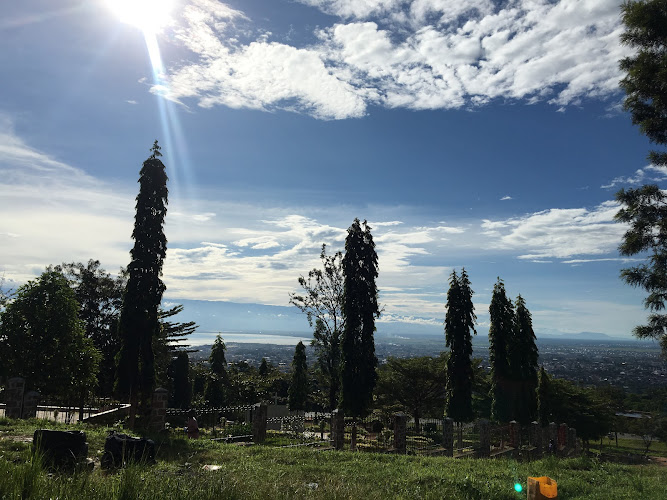
Unity Monument
About Unity Monument
Description
The Unity Monument stands tall as one of Burundi’s most meaningful landmarks, quietly reminding everyone who visits of the country’s enduring spirit of togetherness. It’s not the kind of monument that screams for attention with flashing lights or grand displays—it’s more subtle, more soulful. When you stand before it, you can almost feel the weight of its history and the hope it represents. I remember the first time I saw it; the air was still, and there was this gentle hum of city life in the distance. It felt like a moment suspended in time.
Built to commemorate national unity and reconciliation, the monument symbolizes peace after years of division. Its design is simple yet deeply symbolic, with figures reaching upward as if to grasp a shared dream. The surrounding area is open and accessible, inviting visitors to pause, reflect, and maybe even chat with locals who often gather nearby. It’s not uncommon to see families strolling around, children laughing, or tourists snapping photos while locals share stories about what the monument means to them.
While some visitors find it modest compared to other world monuments, that’s part of its charm. It’s honest, unpretentious, and carries an emotional resonance that’s hard to describe. The atmosphere feels both solemn and hopeful, and if you’re the kind of traveler who enjoys places with meaning rather than spectacle, this one will stay with you long after you’ve left.
Key Features
- Symbolic Design: The sculpture depicts figures reaching upward, representing unity and collective aspiration.
- Peaceful Surroundings: The monument sits in a calm, open square, perfect for quiet reflection or photography.
- Cultural Importance: Serves as a national symbol of reconciliation and togetherness after a complex history.
- Local Gathering Spot: A favorite hangout for locals, especially on weekends and public holidays.
- Kid-Friendly Area: Families often bring children here to play, making it a relaxed, welcoming environment.
- Photogenic Views: The monument looks particularly striking during golden hour when the sunlight softens the stone’s texture.
One thing I personally loved was how approachable it felt. You don’t need to be a historian or an art critic to appreciate it. The symbolism hits you in a quiet, almost personal way. And if you take a moment to talk to people nearby, you’ll hear stories that make the monument come alive beyond its physical form.
Best Time to Visit
If you ask me, the best time to visit the Unity Monument is early in the morning or late in the afternoon. The light is softer then, and the air feels cooler—ideal for walking around without rushing. During the dry season, usually from June to September, the skies are clear and make for great photos. But there’s something special about visiting after a light rain too; the monument glistens, and the air smells fresh, almost like the city itself has just taken a deep breath.
Weekdays are quieter, which is perfect if you prefer a more reflective experience. On weekends, you’ll find more locals around, which gives the place a lively, communal vibe. I remember once visiting on a Sunday afternoon—there was a small group singing nearby, and the sound echoed softly around the monument. It was unexpectedly moving.
How to Get There
Reaching the Unity Monument is relatively straightforward. It’s located in the heart of Bujumbura, so if you’re staying in the city, you can easily reach it by taxi, boda-boda (motorbike taxi), or even on foot if you enjoy walking and exploring local streets. The roads are generally decent, though traffic can get a bit hectic during peak hours—so plan accordingly.
For those who like a bit of adventure, I’d suggest taking a local taxi and chatting with the driver. You’ll often get a mini history lesson or a few personal anecdotes along the way. It’s a great way to get a sense of the city’s rhythm before you even arrive. And if you’re using a navigation app, just type in “Unity Monument” and you’ll be guided right to it. It’s quite a recognizable landmark, so even if you get a bit lost, someone nearby will happily point you in the right direction.
Tips for Visiting
Visiting the Unity Monument doesn’t require much planning, but a few small things can make your experience smoother and more enjoyable. Here are some practical tips I’ve picked up along the way:
- Go Early or Late: The lighting is better, and it’s less crowded. You’ll also avoid the midday heat.
- Bring Water: It can get warm, especially if you’re walking from nearby attractions.
- Respect the Space: Remember, this isn’t just a tourist spot—it holds deep cultural and emotional significance for locals.
- Talk to Locals: People are generally friendly and open to sharing stories about what the monument means to them.
- Photography: If you’re into photography, play with angles. The monument’s design casts interesting shadows depending on the time of day.
- Combine with Nearby Attractions: Make a day of it—there are cafés, markets, and other landmarks nearby worth exploring.
One thing I’ve noticed is that the Unity Monument tends to surprise people. Many expect a simple statue, but what they find instead is a place that feels alive with meaning. You might come for the photo, but you’ll leave thinking about the message behind it. It’s the kind of place that grows on you the more time you spend there.
And if you’re traveling with kids, don’t worry—they’ll enjoy it too. The open space gives them room to move around, and it’s a good opportunity to teach them a little about history and peace in a way that feels tangible. I once saw a group of schoolchildren visiting, their teacher explaining the symbolism, and they listened with wide eyes—it was heartwarming to watch.
All in all, the Unity Monument isn’t just a stop on your itinerary—it’s a story, a memory, and a quiet reminder of how far a nation can come when it chooses unity over division. If you’re in Bujumbura, take the time to see it for yourself. Stand there for a moment, take a breath, and let it speak to you. Because it will, in its own quiet way.
Key Features
- Key Features
- Best Time to Visit
- How to Get There
- Tips for Visiting
More Details
Updated October 8, 2025
Table of Contents
Description
The Unity Monument stands tall as one of Burundi’s most meaningful landmarks, quietly reminding everyone who visits of the country’s enduring spirit of togetherness. It’s not the kind of monument that screams for attention with flashing lights or grand displays—it’s more subtle, more soulful. When you stand before it, you can almost feel the weight of its history and the hope it represents. I remember the first time I saw it; the air was still, and there was this gentle hum of city life in the distance. It felt like a moment suspended in time.
Built to commemorate national unity and reconciliation, the monument symbolizes peace after years of division. Its design is simple yet deeply symbolic, with figures reaching upward as if to grasp a shared dream. The surrounding area is open and accessible, inviting visitors to pause, reflect, and maybe even chat with locals who often gather nearby. It’s not uncommon to see families strolling around, children laughing, or tourists snapping photos while locals share stories about what the monument means to them.
While some visitors find it modest compared to other world monuments, that’s part of its charm. It’s honest, unpretentious, and carries an emotional resonance that’s hard to describe. The atmosphere feels both solemn and hopeful, and if you’re the kind of traveler who enjoys places with meaning rather than spectacle, this one will stay with you long after you’ve left.
Key Features
- Symbolic Design: The sculpture depicts figures reaching upward, representing unity and collective aspiration.
- Peaceful Surroundings: The monument sits in a calm, open square, perfect for quiet reflection or photography.
- Cultural Importance: Serves as a national symbol of reconciliation and togetherness after a complex history.
- Local Gathering Spot: A favorite hangout for locals, especially on weekends and public holidays.
- Kid-Friendly Area: Families often bring children here to play, making it a relaxed, welcoming environment.
- Photogenic Views: The monument looks particularly striking during golden hour when the sunlight softens the stone’s texture.
One thing I personally loved was how approachable it felt. You don’t need to be a historian or an art critic to appreciate it. The symbolism hits you in a quiet, almost personal way. And if you take a moment to talk to people nearby, you’ll hear stories that make the monument come alive beyond its physical form.
Best Time to Visit
If you ask me, the best time to visit the Unity Monument is early in the morning or late in the afternoon. The light is softer then, and the air feels cooler—ideal for walking around without rushing. During the dry season, usually from June to September, the skies are clear and make for great photos. But there’s something special about visiting after a light rain too; the monument glistens, and the air smells fresh, almost like the city itself has just taken a deep breath.
Weekdays are quieter, which is perfect if you prefer a more reflective experience. On weekends, you’ll find more locals around, which gives the place a lively, communal vibe. I remember once visiting on a Sunday afternoon—there was a small group singing nearby, and the sound echoed softly around the monument. It was unexpectedly moving.
How to Get There
Reaching the Unity Monument is relatively straightforward. It’s located in the heart of Bujumbura, so if you’re staying in the city, you can easily reach it by taxi, boda-boda (motorbike taxi), or even on foot if you enjoy walking and exploring local streets. The roads are generally decent, though traffic can get a bit hectic during peak hours—so plan accordingly.
For those who like a bit of adventure, I’d suggest taking a local taxi and chatting with the driver. You’ll often get a mini history lesson or a few personal anecdotes along the way. It’s a great way to get a sense of the city’s rhythm before you even arrive. And if you’re using a navigation app, just type in “Unity Monument” and you’ll be guided right to it. It’s quite a recognizable landmark, so even if you get a bit lost, someone nearby will happily point you in the right direction.
Tips for Visiting
Visiting the Unity Monument doesn’t require much planning, but a few small things can make your experience smoother and more enjoyable. Here are some practical tips I’ve picked up along the way:
- Go Early or Late: The lighting is better, and it’s less crowded. You’ll also avoid the midday heat.
- Bring Water: It can get warm, especially if you’re walking from nearby attractions.
- Respect the Space: Remember, this isn’t just a tourist spot—it holds deep cultural and emotional significance for locals.
- Talk to Locals: People are generally friendly and open to sharing stories about what the monument means to them.
- Photography: If you’re into photography, play with angles. The monument’s design casts interesting shadows depending on the time of day.
- Combine with Nearby Attractions: Make a day of it—there are cafés, markets, and other landmarks nearby worth exploring.
One thing I’ve noticed is that the Unity Monument tends to surprise people. Many expect a simple statue, but what they find instead is a place that feels alive with meaning. You might come for the photo, but you’ll leave thinking about the message behind it. It’s the kind of place that grows on you the more time you spend there.
And if you’re traveling with kids, don’t worry—they’ll enjoy it too. The open space gives them room to move around, and it’s a good opportunity to teach them a little about history and peace in a way that feels tangible. I once saw a group of schoolchildren visiting, their teacher explaining the symbolism, and they listened with wide eyes—it was heartwarming to watch.
All in all, the Unity Monument isn’t just a stop on your itinerary—it’s a story, a memory, and a quiet reminder of how far a nation can come when it chooses unity over division. If you’re in Bujumbura, take the time to see it for yourself. Stand there for a moment, take a breath, and let it speak to you. Because it will, in its own quiet way.
Key Highlights
- Key Features
- Best Time to Visit
- How to Get There
- Tips for Visiting
Location
Places to Stay Near Unity Monument
Find and Book a Tour
Explore More Travel Guides
No reviews found! Be the first to review!
Traveler Reviews for Unity Monument
There are no reviews yet. Be the first one to write one.
Have you visited Unity Monument? Help other travelers by sharing your review.
You Might Also Like
Visit Burundi
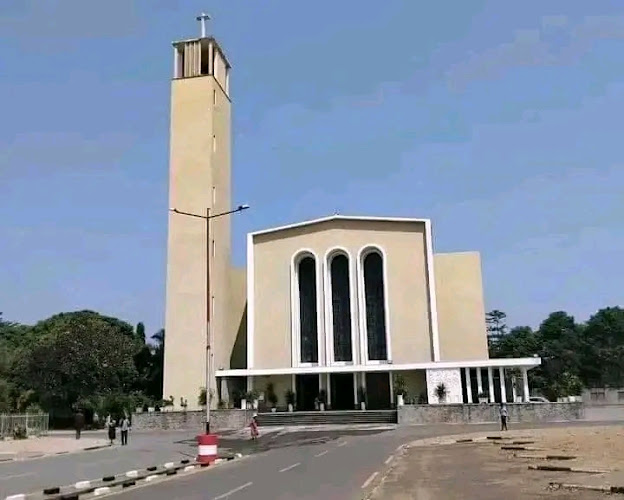
Regina Mundi Cathedral

Paroisse Saint Jean Paul II de Buterere
Find Accommodations Nearby
Recommended Tours & Activities
Visitor Reviews
There are no reviews yet. Be the first one to write one.
Share Your Experience
Have you visited Unity Monument? Help other travelers by leaving a review.