
Living History Park
About Living History Park
Description
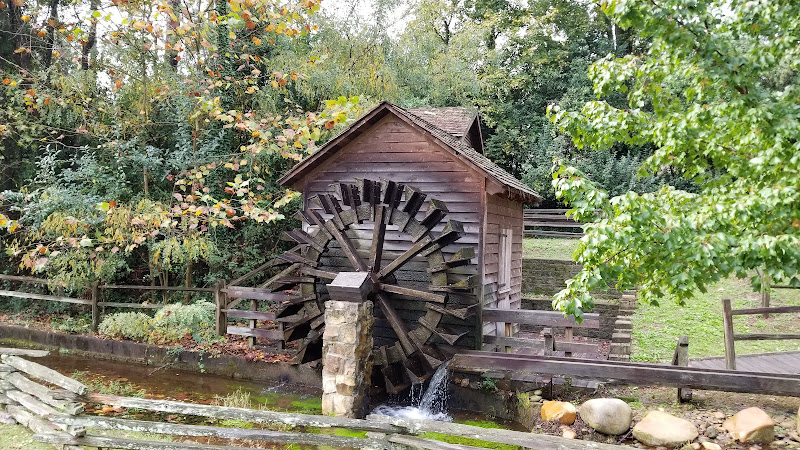
The Living History Park offers a fascinating glimpse into 18th-century life, right in the heart of a beautifully preserved area that once was an abandoned water works. If you’ve ever wondered what daily life was like back in colonial times, this place brings history to life in a way that textbooks just can’t. The park is not just about static displays — it’s alive with reenactments, festivals, and concerts that celebrate the culture and spirit of the era. Walking through the grounds, you’ll find yourself stepping back in time, surrounded by authentic-looking buildings, tools, and costumes that make it easy to imagine the hustle and bustle of a colonial settlement.
What makes this park stand out is its dedication to immersive experiences. The staff and volunteers really go all in, whether it’s demonstrating traditional crafts, hosting lively events, or just answering curious questions from visitors. And trust me, it’s a treat for history buffs and casual visitors alike. The park’s setting is also quite charming — once an overgrown, swampy dumping ground, it has been transformed into a welcoming green space with trails and picnic spots that make it perfect for a day out with family or friends.
Accessibility is thoughtfully handled here, so visitors with mobility needs won’t feel left out. There’s wheelchair accessible parking and entrances, making it easier for everyone to enjoy the park’s offerings. Plus, if you’re traveling with kids, you’ll appreciate the kid-friendly hikes and activities designed to keep little ones engaged and entertained without overwhelming them.
Key Features
- Authentic 18th-century buildings and reenactments that bring colonial life to vivid reality
- Seasonal festivals and outdoor concerts that celebrate local heritage and culture
- Hiking trails that wind through scenic parts of the park, suitable for all ages and skill levels
- Picnic tables scattered throughout the park, perfect for a relaxed lunch or snack break
- Wheelchair accessible entrances and parking for inclusive visits
- Pet-friendly policy, so your furry friends can tag along on your adventure
- Special events hosting like family reunions, weddings, and graduation parties, making it a versatile venue
Best Time to Visit
The park really shines in spring and fall when the weather is just right — not too hot, not too cold, and the natural surroundings are bursting with color. Springtime brings fresh blooms and lively festivals, while fall offers crisp air and stunning foliage that perfectly complement the historic atmosphere. Summer can be warm, but the occasional concert or event might make the heat worth it if you don’t mind a little sweat. Winters are quieter and less crowded, which is a bonus if you’re looking for a peaceful stroll, but some outdoor activities might be limited.
One little tip from my own experience: try to plan your visit around one of the park’s special events. They’re a fantastic way to dive deeper into the local culture and history, and you’ll often catch artisans, musicians, and storytellers who add an extra layer of magic to the place. Just keep an eye on the calendar — these events can get busy, so arriving early is a smart move.
How to Get There
Getting to the Living History Park is pretty straightforward, whether you’re coming from nearby towns or farther afield. If you’re driving, the park offers convenient parking with spots designed for easy access, including for those with mobility challenges. Public transportation options might be limited depending on where you’re coming from, so a car or rideshare might be your best bet.
Once you arrive, the park’s layout is easy to navigate, with clear signage guiding you to the main attractions, picnic areas, and trails. If you’re like me and easily distracted, you might find yourself wandering off the beaten path a bit — which is totally fine here, as the whole area is safe and welcoming. Just be sure to grab a map at the entrance or download one ahead of time if available, so you don’t miss out on any hidden gems.
Tips for Visiting
Here’s where I get a little personal, because I’ve been there a few times and learned some useful tricks along the way. First off, wear comfortable shoes. The park has plenty of trails and uneven surfaces, so ditch the fancy sandals and go for something sturdy. Also, pack a picnic! The tables are lovely spots to relax after exploring, and bringing your own food means you can linger longer without hunting for a restaurant.
If you’re bringing kids (or you’re a kid at heart), check out the kid-friendly hikes and activities. They’re designed to keep little legs moving and minds curious without turning into a marathon. And don’t forget water bottles — staying hydrated is key, especially if you’re visiting during warmer months.
Dogs are welcome, which is a huge plus for pet owners. Just keep your furry pals on a leash and be mindful of other visitors. It’s a great way to make the visit feel more like a day out with the whole family, including the four-legged members.
Lastly, don’t rush. The charm of the Living History Park lies in soaking up the atmosphere and letting yourself get lost in the stories and scenes of the past. Take your time chatting with reenactors, snapping photos, or just sitting quietly and imagining what life was like centuries ago. Trust me, it’s worth it.
Key Features
- Authentic 18th-century buildings and reenactments that bring colonial life to vivid reality
- Seasonal festivals and outdoor concerts that celebrate local heritage and culture
- Hiking trails that wind through scenic parts of the park, suitable for all ages and skill levels
- Picnic tables scattered throughout the park, perfect for a relaxed lunch or snack break
- Wheelchair accessible entrances and parking for inclusive visits
- Pet-friendly policy, so your furry friends can tag along on your adventure
- Special events hosting like family reunions, weddings, and graduation parties, making it a versatile venue
More Details
Updated August 2, 2025
Table of Contents
Description
The Living History Park offers a fascinating glimpse into 18th-century life, right in the heart of a beautifully preserved area that once was an abandoned water works. If you’ve ever wondered what daily life was like back in colonial times, this place brings history to life in a way that textbooks just can’t. The park is not just about static displays — it’s alive with reenactments, festivals, and concerts that celebrate the culture and spirit of the era. Walking through the grounds, you’ll find yourself stepping back in time, surrounded by authentic-looking buildings, tools, and costumes that make it easy to imagine the hustle and bustle of a colonial settlement.
What makes this park stand out is its dedication to immersive experiences. The staff and volunteers really go all in, whether it’s demonstrating traditional crafts, hosting lively events, or just answering curious questions from visitors. And trust me, it’s a treat for history buffs and casual visitors alike. The park’s setting is also quite charming — once an overgrown, swampy dumping ground, it has been transformed into a welcoming green space with trails and picnic spots that make it perfect for a day out with family or friends.
Accessibility is thoughtfully handled here, so visitors with mobility needs won’t feel left out. There’s wheelchair accessible parking and entrances, making it easier for everyone to enjoy the park’s offerings. Plus, if you’re traveling with kids, you’ll appreciate the kid-friendly hikes and activities designed to keep little ones engaged and entertained without overwhelming them.
Key Features
- Authentic 18th-century buildings and reenactments that bring colonial life to vivid reality
- Seasonal festivals and outdoor concerts that celebrate local heritage and culture
- Hiking trails that wind through scenic parts of the park, suitable for all ages and skill levels
- Picnic tables scattered throughout the park, perfect for a relaxed lunch or snack break
- Wheelchair accessible entrances and parking for inclusive visits
- Pet-friendly policy, so your furry friends can tag along on your adventure
- Special events hosting like family reunions, weddings, and graduation parties, making it a versatile venue
Best Time to Visit
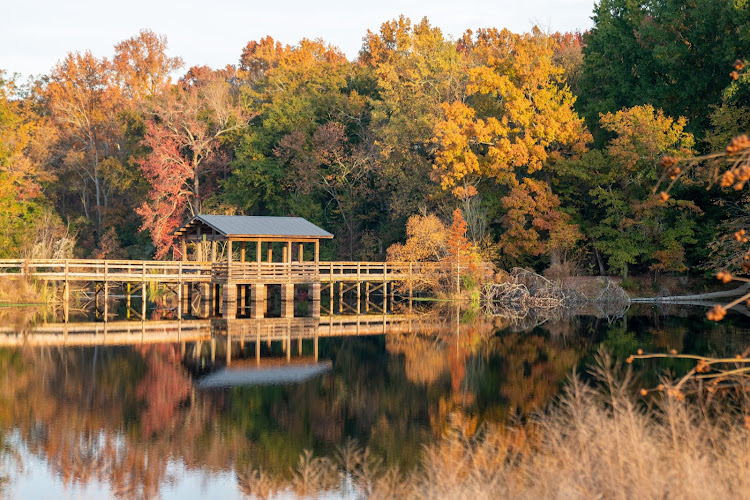
The park really shines in spring and fall when the weather is just right — not too hot, not too cold, and the natural surroundings are bursting with color. Springtime brings fresh blooms and lively festivals, while fall offers crisp air and stunning foliage that perfectly complement the historic atmosphere. Summer can be warm, but the occasional concert or event might make the heat worth it if you don’t mind a little sweat. Winters are quieter and less crowded, which is a bonus if you’re looking for a peaceful stroll, but some outdoor activities might be limited.
One little tip from my own experience: try to plan your visit around one of the park’s special events. They’re a fantastic way to dive deeper into the local culture and history, and you’ll often catch artisans, musicians, and storytellers who add an extra layer of magic to the place. Just keep an eye on the calendar — these events can get busy, so arriving early is a smart move.
How to Get There
Getting to the Living History Park is pretty straightforward, whether you’re coming from nearby towns or farther afield. If you’re driving, the park offers convenient parking with spots designed for easy access, including for those with mobility challenges. Public transportation options might be limited depending on where you’re coming from, so a car or rideshare might be your best bet.
Once you arrive, the park’s layout is easy to navigate, with clear signage guiding you to the main attractions, picnic areas, and trails. If you’re like me and easily distracted, you might find yourself wandering off the beaten path a bit — which is totally fine here, as the whole area is safe and welcoming. Just be sure to grab a map at the entrance or download one ahead of time if available, so you don’t miss out on any hidden gems.
Tips for Visiting
Here’s where I get a little personal, because I’ve been there a few times and learned some useful tricks along the way. First off, wear comfortable shoes. The park has plenty of trails and uneven surfaces, so ditch the fancy sandals and go for something sturdy. Also, pack a picnic! The tables are lovely spots to relax after exploring, and bringing your own food means you can linger longer without hunting for a restaurant.
If you’re bringing kids (or you’re a kid at heart), check out the kid-friendly hikes and activities. They’re designed to keep little legs moving and minds curious without turning into a marathon. And don’t forget water bottles — staying hydrated is key, especially if you’re visiting during warmer months.
Dogs are welcome, which is a huge plus for pet owners. Just keep your furry pals on a leash and be mindful of other visitors. It’s a great way to make the visit feel more like a day out with the whole family, including the four-legged members.
Lastly, don’t rush. The charm of the Living History Park lies in soaking up the atmosphere and letting yourself get lost in the stories and scenes of the past. Take your time chatting with reenactors, snapping photos, or just sitting quietly and imagining what life was like centuries ago. Trust me, it’s worth it.
Key Highlights
- Authentic 18th-century buildings and reenactments that bring colonial life to vivid reality
- Seasonal festivals and outdoor concerts that celebrate local heritage and culture
- Hiking trails that wind through scenic parts of the park, suitable for all ages and skill levels
- Picnic tables scattered throughout the park, perfect for a relaxed lunch or snack break
- Wheelchair accessible entrances and parking for inclusive visits
- Pet-friendly policy, so your furry friends can tag along on your adventure
- Special events hosting like family reunions, weddings, and graduation parties, making it a versatile venue
Location
Places to Stay Near Living History Park
Find and Book a Tour
Explore More Travel Guides
No reviews found! Be the first to review!
Traveler Reviews for Living History Park
There are no reviews yet. Be the first one to write one.
Have you visited Living History Park? Help other travelers by sharing your review.
You Might Also Like
Find Accommodations Nearby
Recommended Tours & Activities
Visitor Reviews
There are no reviews yet. Be the first one to write one.
Share Your Experience
Have you visited Living History Park? Help other travelers by leaving a review.