
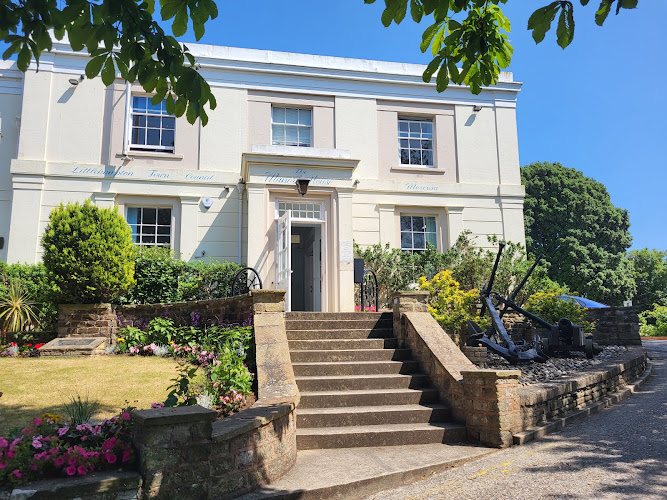
Littlehampton Museum
About Littlehampton Museum
Description
Alright, let’s talk about the Littlehampton Museum—one of those totally underrated British attractions that history buffs, families, and daytrippers can all genuinely enjoy. The moment you step inside, you sense it's different from your average local museum. Maybe that's because it resides in a characterful old building that feels both historic and friendly, or perhaps it’s the way the exhibits lean into the wonderfully quirky stories unique to Littlehampton and the surrounding West Sussex coast.
I remember my first visit there as a kid—dragged by my gran on a blustery autumn afternoon, expecting to be bored rigid, only to become completely absorbed by the miniatures, old maps, and curious wartime relics filling every creaky corner. There’s an immediacy to the displays—none of that sterile, hands-off museum vibe. Instead, it’s almost like poking around in someone’s attic (if that someone was a passionate amateur historian with a penchant for pirate tales and ancient flints).
The whole museum has an approachable, homegrown atmosphere, a place clearly run by people who care about the area and its past. You’ll find galleries packed with everything from prehistoric fossils to seaside memorabilia, paintings, and some oddball one-offs (I’ve personally got a soft spot for the Victorian “macabre curiosities” cabinet). The temporary exhibitions are a treat too—they’ve featured local artists, shipwreck stories, even a nostalgic ride through Littlehampton’s holiday heyday. And honestly? It’s bigger inside than it looks from the street, so prepare to be surprised.
Key Features
- Accessible for All: Wheelchair users will find the entrance, parking, and restrooms accommodating. No need to struggle or worry—a rare win for historical spaces.
- Hands-on Exhibits: Many of the displays (especially in the children’s area) invite you to touch, play, or puzzle things out. Perfect for restless young hands—or, no judgement, fidgety grown-ups like me.
- Local Treasures: The museum packs in centuries of Littlehampton lore, from Roman relics to smuggler stories and classic seaside amusements.
- Kids Welcome: Staff are used to (and patient with!) little ones who might dash around giggling, plus there are activity sheets and plenty to grab their interest.
- Ever-Changing Exhibitions: Regular temporary shows keep things fresh, with displays ranging from contemporary art to fishing history—so you could come back once or twice a year and see something new.
- Cultural Events & Workshops: Occasionally, the museum offers drop-in workshops, talks, or family crafting sessions—check ahead for special events.
- Peaceful Garden Space: There’s a quiet green outside—lovely for a breather or quick sandwich if you want to escape the seaside winds. (Been there, done that, thank you British weather.)
- No Restaurant On-Site: Just a heads up, you won’t find a café or food inside. But you’re right in the town center, so plenty of options are a short walk away.
Best Time to Visit
Now, about timing your visit: In my experience, there’s rarely a bad time to pop into Littlehampton Museum, but let’s get specific for planning’s sake. If you prefer to stroll at your own pace, without school groups or summer crowds, weekday afternoons—especially outside the school holidays—are blissfully tranquil. I’ve lost track of how many sweet, quiet hours I’ve spent there dodging the worst of the winter drizzle and just soaking in the history.
Spring and early autumn are particularly good if you want to spontaneously combine your museum trip with a wander along the river or seafront (everything’s still open, but you skip the high-summer rush). Summer holidays inevitably bring more families; it’s a bit noisier but the energy is infectious, and sometimes there are extra activities laid on for kids. During special exhibition launches or event days it can get busy, so if crowds aren’t your thing, pick another time.
And here’s an insider’s tip: rainy days are golden. Not only does the museum get that lovely, cozy, “escape from the weather” glow, but you won’t be elbowing for space. Just remember to check ahead for pre-booking needs—sometimes schools or groups book big blocks.
How to Get There
Getting yourself to the museum is delightfully straightforward, and that's coming from someone who’s navigated both public transport and car journeys in far stickier British towns. If you’re arriving by train, Littlehampton’s main railway station sits less than ten minutes’ walk from the museum—just follow the signs into the town center and you really can’t miss it. There’s a special kind of joy in realizing you don’t have to fumble about with taxis or buses after a long ride, right?
Drivers won’t struggle either. There are several pay-and-display car parks dotted around town; one’s just a stone’s throw away and specifically caters for accessible parking. Do yourself a favor and check local parking rates before you head out—West Sussex councils love to change things up. Cycling? Loads of people do, especially in summer, and you’ll find spots nearby to lock up your bike.
For those using the bus, plenty of routes service the main Church Street or town center stops—again, just a couple minutes’ stroll to the door.
Truth be told, Littlehampton is small enough that you can add the museum as part of a larger walking loop: museum, river walk, playground, fish and chips, and maybe a vintage arcade if you fancy. Don’t feel you have to rush; part of the fun is wandering.
Tips for Visiting
Alright, here’s the part where I get to spill some real-world advice as only a slightly obsessive repeat visitor can.
- Book your visit ahead. These days, you’ll need to pre-book. It’s a quick process, but don’t rock up expecting to squeeze in last minute, especially on busy weekends or in school break seasons.
- No on-site food—plan accordingly! There’s a restroom but no restaurant or café, so sort snacks before or after. (Though honestly, grabbing a pastry from a nearby bakery and munching it outside is its own kind of joy.)
- Accessibility is decent, but double check for current details. Most of the museum is wheelchair accessible, but sometimes temporary exhibitions or galleries are on split levels—give them a ring if you have specific mobility questions, they’re friendly and super helpful.
- Don’t skip the temporary exhibitions. Every time I’ve rolled my eyes thinking “not another local artists’ showcase”, I’ve ended up swept in by clever displays or a new historical angle. Sometimes there’s even a hands-on element (my nieces still show off their fossil rubbings!).
- Bring inquisitive kids. Really—the staff expect families, and there are activity sheets or treasure hunts hidden throughout. Even the most “bored” preteen seems to find something fascinating, and you might too.
- Pace yourself. The museum isn’t huge, but you’ll want at least an hour or two if you get sucked into the mini-details and local stories (which, honestly, you probably will).
- Recharge outside. Weather permitting, pop out to the garden; it’s a surprisingly peaceful place to collect your thoughts before diving back into the bustle of Littlehampton.
- Peek in the museum shop. It’s small but surprisingly well-stocked, with local books, postcards, and odd little trinkets connected to the exhibits. Great if you collect magnets or—like me—have a perpetual need for new bookmarks.
- Ask questions! If you’re curious about how a relic ended up in the museum or want to know more about a display, chat with the staff or volunteers. They genuinely love sharing hidden facts and often have the best random stories.
There you have it: a small-town treasure with big heart and more stories than you can imagine. Whether you’re dashing through on a rainy afternoon, seeking out local oddities, or looking to make those family memories somewhere friendly and genuinely interesting… Littlehampton Museum is well worth a couple hours (or more) of your day. And who knows—you might just stumble into history or nostalgia that sticks with you for years to come.
Key Features
- Key Features
- Best Time to Visit
- How to Get There
- Tips for Visiting
More Details
Updated June 9, 2025
Table of Contents
Description
Alright, let’s talk about the Littlehampton Museum—one of those totally underrated British attractions that history buffs, families, and daytrippers can all genuinely enjoy. The moment you step inside, you sense it’s different from your average local museum. Maybe that’s because it resides in a characterful old building that feels both historic and friendly, or perhaps it’s the way the exhibits lean into the wonderfully quirky stories unique to Littlehampton and the surrounding West Sussex coast.
I remember my first visit there as a kid—dragged by my gran on a blustery autumn afternoon, expecting to be bored rigid, only to become completely absorbed by the miniatures, old maps, and curious wartime relics filling every creaky corner. There’s an immediacy to the displays—none of that sterile, hands-off museum vibe. Instead, it’s almost like poking around in someone’s attic (if that someone was a passionate amateur historian with a penchant for pirate tales and ancient flints).
The whole museum has an approachable, homegrown atmosphere, a place clearly run by people who care about the area and its past. You’ll find galleries packed with everything from prehistoric fossils to seaside memorabilia, paintings, and some oddball one-offs (I’ve personally got a soft spot for the Victorian “macabre curiosities” cabinet). The temporary exhibitions are a treat too—they’ve featured local artists, shipwreck stories, even a nostalgic ride through Littlehampton’s holiday heyday. And honestly? It’s bigger inside than it looks from the street, so prepare to be surprised.
Key Features
- Accessible for All: Wheelchair users will find the entrance, parking, and restrooms accommodating. No need to struggle or worry—a rare win for historical spaces.
- Hands-on Exhibits: Many of the displays (especially in the children’s area) invite you to touch, play, or puzzle things out. Perfect for restless young hands—or, no judgement, fidgety grown-ups like me.
- Local Treasures: The museum packs in centuries of Littlehampton lore, from Roman relics to smuggler stories and classic seaside amusements.
- Kids Welcome: Staff are used to (and patient with!) little ones who might dash around giggling, plus there are activity sheets and plenty to grab their interest.
- Ever-Changing Exhibitions: Regular temporary shows keep things fresh, with displays ranging from contemporary art to fishing history—so you could come back once or twice a year and see something new.
- Cultural Events & Workshops: Occasionally, the museum offers drop-in workshops, talks, or family crafting sessions—check ahead for special events.
- Peaceful Garden Space: There’s a quiet green outside—lovely for a breather or quick sandwich if you want to escape the seaside winds. (Been there, done that, thank you British weather.)
- No Restaurant On-Site: Just a heads up, you won’t find a café or food inside. But you’re right in the town center, so plenty of options are a short walk away.
Best Time to Visit
Now, about timing your visit: In my experience, there’s rarely a bad time to pop into Littlehampton Museum, but let’s get specific for planning’s sake. If you prefer to stroll at your own pace, without school groups or summer crowds, weekday afternoons—especially outside the school holidays—are blissfully tranquil. I’ve lost track of how many sweet, quiet hours I’ve spent there dodging the worst of the winter drizzle and just soaking in the history.
Spring and early autumn are particularly good if you want to spontaneously combine your museum trip with a wander along the river or seafront (everything’s still open, but you skip the high-summer rush). Summer holidays inevitably bring more families; it’s a bit noisier but the energy is infectious, and sometimes there are extra activities laid on for kids. During special exhibition launches or event days it can get busy, so if crowds aren’t your thing, pick another time.
And here’s an insider’s tip: rainy days are golden. Not only does the museum get that lovely, cozy, “escape from the weather” glow, but you won’t be elbowing for space. Just remember to check ahead for pre-booking needs—sometimes schools or groups book big blocks.
How to Get There
Getting yourself to the museum is delightfully straightforward, and that’s coming from someone who’s navigated both public transport and car journeys in far stickier British towns. If you’re arriving by train, Littlehampton’s main railway station sits less than ten minutes’ walk from the museum—just follow the signs into the town center and you really can’t miss it. There’s a special kind of joy in realizing you don’t have to fumble about with taxis or buses after a long ride, right?
Drivers won’t struggle either. There are several pay-and-display car parks dotted around town; one’s just a stone’s throw away and specifically caters for accessible parking. Do yourself a favor and check local parking rates before you head out—West Sussex councils love to change things up. Cycling? Loads of people do, especially in summer, and you’ll find spots nearby to lock up your bike.
For those using the bus, plenty of routes service the main Church Street or town center stops—again, just a couple minutes’ stroll to the door.
Truth be told, Littlehampton is small enough that you can add the museum as part of a larger walking loop: museum, river walk, playground, fish and chips, and maybe a vintage arcade if you fancy. Don’t feel you have to rush; part of the fun is wandering.
Tips for Visiting
Alright, here’s the part where I get to spill some real-world advice as only a slightly obsessive repeat visitor can.
- Book your visit ahead. These days, you’ll need to pre-book. It’s a quick process, but don’t rock up expecting to squeeze in last minute, especially on busy weekends or in school break seasons.
- No on-site food—plan accordingly! There’s a restroom but no restaurant or café, so sort snacks before or after. (Though honestly, grabbing a pastry from a nearby bakery and munching it outside is its own kind of joy.)
- Accessibility is decent, but double check for current details. Most of the museum is wheelchair accessible, but sometimes temporary exhibitions or galleries are on split levels—give them a ring if you have specific mobility questions, they’re friendly and super helpful.
- Don’t skip the temporary exhibitions. Every time I’ve rolled my eyes thinking “not another local artists’ showcase”, I’ve ended up swept in by clever displays or a new historical angle. Sometimes there’s even a hands-on element (my nieces still show off their fossil rubbings!).
- Bring inquisitive kids. Really—the staff expect families, and there are activity sheets or treasure hunts hidden throughout. Even the most “bored” preteen seems to find something fascinating, and you might too.
- Pace yourself. The museum isn’t huge, but you’ll want at least an hour or two if you get sucked into the mini-details and local stories (which, honestly, you probably will).
- Recharge outside. Weather permitting, pop out to the garden; it’s a surprisingly peaceful place to collect your thoughts before diving back into the bustle of Littlehampton.
- Peek in the museum shop. It’s small but surprisingly well-stocked, with local books, postcards, and odd little trinkets connected to the exhibits. Great if you collect magnets or—like me—have a perpetual need for new bookmarks.
- Ask questions! If you’re curious about how a relic ended up in the museum or want to know more about a display, chat with the staff or volunteers. They genuinely love sharing hidden facts and often have the best random stories.
There you have it: a small-town treasure with big heart and more stories than you can imagine. Whether you’re dashing through on a rainy afternoon, seeking out local oddities, or looking to make those family memories somewhere friendly and genuinely interesting… Littlehampton Museum is well worth a couple hours (or more) of your day. And who knows—you might just stumble into history or nostalgia that sticks with you for years to come.
Key Highlights
- Key Features
- Best Time to Visit
- How to Get There
- Tips for Visiting
Location
Places to Stay Near Littlehampton Museum
Find and Book a Tour
Explore More Travel Guides
No reviews found! Be the first to review!
Traveler Reviews for Littlehampton Museum
There are no reviews yet. Be the first one to write one.
Have you visited Littlehampton Museum? Help other travelers by sharing your review.
You Might Also Like

The Long Bench

Rosemead Park
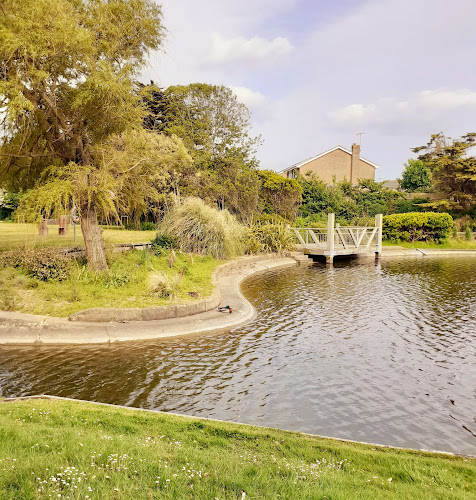
Mewsbrook Park
Find Accommodations Nearby
Recommended Tours & Activities
Visitor Reviews
There are no reviews yet. Be the first one to write one.
Share Your Experience
Have you visited Littlehampton Museum? Help other travelers by leaving a review.