
Lion Grove Garden
About Lion Grove Garden
Key Features
More Details
Updated June 26, 2025
## Lion Grove Garden (Shizilin), Suzhou: What to Know Before You Go
Lion Grove Garden (狮子林, Shizilin) is one of Suzhou’s most distinctive classical gardens—famous for its limestone rockeries shaped and stacked into a walkable, puzzle-like landscape. If you’re looking for the “small but packed” Suzhou garden experience, this is the one: compact footprint, dense design, and a rock maze that can keep you happily turned around for longer than you’d expect.
The garden is part of the UNESCO-listed Classical Gardens of Suzhou (inscribed as a World Heritage property). World Heritage Centre
—
## Why Lion Grove Garden stands out
Most Suzhou gardens reward slow looking—framed views, layered corridors, and carefully placed windows that function like “camera crops.” Lion Grove adds a more physical element: the Taihu rockery grotto is built as a multi-level network of passages and cavities, the feature most visitors remember. A broad overview of the garden’s layout and the scale of the rockery maze is described in reference summaries of the site’s design.
### The rockery maze is the main event
The garden’s name is linked to lion-shaped Taihu rocks and the symbolic “lion” imagery associated with Chan/Zen Buddhist references described in historical accounts of the site.
This is where Lion Grove feels different from, say, the more water-and-architecture-forward Humble Administrator’s Garden: here, stone becomes architecture. You’ll find:
– Narrow passages that open into small “rooms”
– Stone bridges and viewing points that look down into the rockery
– Routes that loop back unexpectedly (fun if you treat it like exploration rather than a checklist)
—
## A quick, reliable history snapshot (what’s generally agreed)
Lion Grove Garden is widely described as being built in 1342 during the Yuan dynasty, associated with Chan Buddhism and later restored and reshaped over centuries.
The site is also discussed as being within the UNESCO World Heritage listing for Suzhou’s classical gardens. World Heritage Centre
Because many garden histories are presented with slightly different emphases depending on the source (religious origins, ownership changes, restoration dates), it’s smart to treat fine-grained details as interpretive unless you’re reading on-site plaques or museum-grade documentation.
—
## Practical visit info (grounded + what to verify)
### Address (as provided)
23 Yuanlin Rd, Gusu District, Suzhou, Jiangsu, China, 215005
### Opening hours (likely seasonal; verify day-of)
A commonly published schedule is:
– Mar 1 – Oct 31: 07:30–17:30
– Nov 1 – end of Feb: 07:30–17:00
– Ticket sales often stop ~30 minutes before closing China Guide
Outdated-data flag: hours can change for holidays, events, restoration work, or policy updates. Treat posted gate hours as the source of truth.
### Ticket price (often variable by season; verify at the gate)
One widely published breakdown lists:
– Apr, May, Jul, Aug, Sep, Oct: CNY 40
– Jan, Feb, Mar, Jun, Nov, Dec: CNY 30 China Guide
Outdated-data flag: ticketing rules and discounts can change; use this as a planning estimate, not a guarantee.
—
## How to get there (without guesswork)
Suzhou’s old city is walkable in the “short distances, slow pace” sense, but you’ll still likely use metro + walking or bus + walking.
### By metro (stations and walking times vary by routing)
Moovit lists Lindun Road and Chayuan Square as nearby metro options, with walking times depending on the exit and route.
If you’re navigating with maps, prioritize:
– A route that minimizes busy arterial crossings
– A walk that keeps you within the older street grid (often calmer and more readable)
### From Suzhou rail hubs
For travelers arriving by high-speed rail, route-planners (Rome2rio) describe metro-based connections from Suzhou North Station toward the garden area.
Use this as directional guidance; always confirm the specific line transfers in a live map app because metro expansions and reroutes happen.
—
## What to do inside Lion Grove Garden
### 1) Start with the “easy” architecture before you hit the rockery
A common mistake is going straight into the stone maze, getting disoriented, and then “speed-running” the rest. Give yourself 10–15 minutes for:
– Courtyards and halls
– Views across water features (even small ponds create major visual depth in classical garden design)
– Framed openings that set up what you’ll later see inside the rockery
### 2) Treat the rockery like a slow hike
Inside the rockery, your best experience comes from:
– Looking for elevated vantage points first
– Then dropping into the lower passages and letting yourself loop
– Not forcing a “correct route” (there isn’t one—embrace the designed ambiguity)
### 3) Photography tips that actually help
– Shoot wide in the rockery, then switch to details: stone texture, carved plaques, latticework.
– Expect contrast: deep shadows + bright sky. If you’re using a phone, tap to expose for highlights, then bring up shadows later.
—
## Accessibility and inclusivity notes
Classical Chinese gardens often include:
– Uneven stone paving
– Threshold steps
– Narrow passages (especially in rockeries)
If anyone in your group uses a mobility aid, plan for a visit that focuses more on the garden’s architectural courtyards and viewpoints rather than the most constrained rockery routes. This isn’t about “can you enter?” but “will it be enjoyable without constant backtracking.”
—
## Nearby pairings for a smarter Suzhou garden day
If you’re stacking sites, Lion Grove works well as a “high intensity, compact” stop in between larger, more expansive locations. The broader UNESCO listing provides context for why Suzhou gardens are often grouped as a cultural set rather than isolated attractions. World Heritage Centre
Practical pairing logic:
– Lion Grove → another major garden (contrast rock-focused vs water/architecture-focused design)
– Lion Grove → old city walk (short decompression after the maze)
—
## Suggested visit duration
Many guides suggest around 1–2 hours as a typical visit window, but your real duration depends on whether you enjoy getting “lost on purpose” in the rockery. (If you do, it can run longer.)
—
## Two contextual internal-link opportunities (if they exist on your site)
I can’t confirm your site’s exact URL structure, but these are the most natural internal links for readers:
1) A Suzhou city guide (transport, best seasons, where to stay, other gardens)
2) A “Classical Gardens of Suzhou” explainer (UNESCO context + how the gardens differ) World Heritage Centre
If you share your actual Suzhou-related slugs, I can weave them in as exact-match internal links with clean, non-spammy anchor text.
—
## What might be outdated (and how to sanity-check fast)
Before publishing, or before you visit, re-verify:
– Hours (seasonal + holiday changes) China Guide
– Ticket price (seasonal and discount rules) China Guide
– Metro stop routing (line updates and best exits)
The fastest method: check the garden listing in your maps app day-of + compare with any official Suzhou tourism/government update streams. The Suzhou government tourism page also frames Lion Grove as part of the UNESCO World Heritage listing (with an “inscribed in 2000” claim), which is worth cross-checking against UNESCO’s property documentation if you need publication-grade precision. Government
Table of Contents
Key Highlights
Lion Grove Garden
Location
Places to Stay Near Lion Grove Garden"This one is small but packed with great things."
Find and Book a Tour
Explore More Travel Guides
No reviews found! Be the first to review!
Traveler Reviews for Lion Grove Garden
There are no reviews yet. Be the first one to write one.
Have you visited Lion Grove Garden? Help other travelers by sharing your review.
You Might Also Like
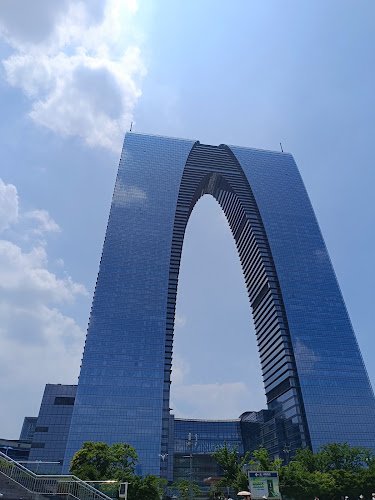
Suzhou Industrial Park
盘门
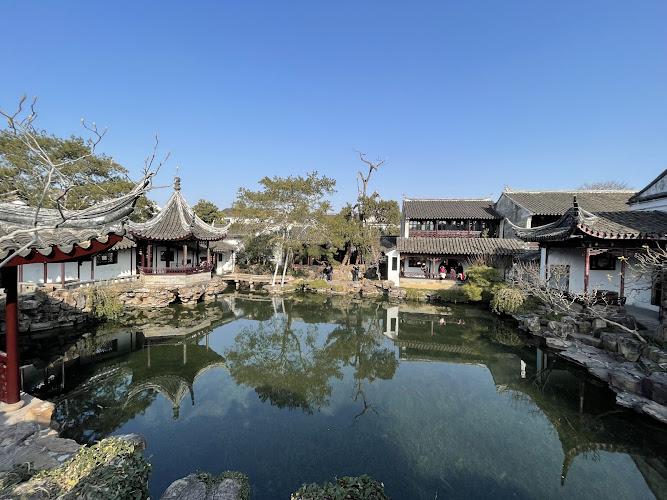
Master of the Nets Garden
Find Accommodations Nearby
Recommended Tours & Activities
Visitor Reviews
There are no reviews yet. Be the first one to write one.
Share Your Experience
Have you visited Lion Grove Garden? Help other travelers by leaving a review.