
Master of the Nets Garden
About Master of the Nets Garden
Description
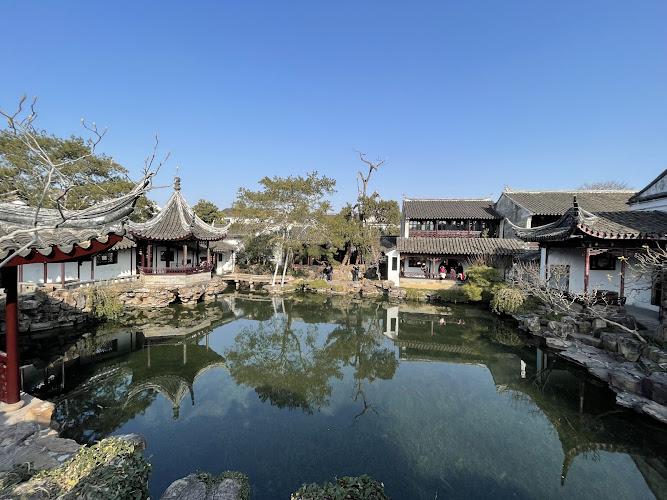
The Master of the Nets Garden in Suzhou is one of those places that quietly sneaks up on you. At first glance, it’s modest in size—just over half a hectare—but once you step inside, it feels like you’ve entered a perfectly balanced world where architecture, water, and greenery all hum along in harmony. Built originally during the Southern Song Dynasty in the 12th century, this classical Chinese garden has been refined over centuries, and today it stands as a UNESCO World Heritage Site. What makes it so compelling isn’t grandeur but intimacy. It’s a reminder that beauty doesn’t always need to be big and flashy; sometimes it’s the small, thoughtful details that leave the biggest impression.
Travelers often remark that the garden feels like a living painting. The pavilions are carefully positioned around a central pond, with winding pathways leading you through rockeries, bamboo groves, and courtyards that seem to unfold like chapters in a story. And there’s something poetic about the name itself—Master of the Nets. Legend has it that a scholar once likened the tranquility of the garden to the life of a fisherman, free from worldly ambition. Whether or not you buy into the story, it’s hard not to feel a sense of calm here, especially if you manage to visit in the quieter hours.
Of course, not every visitor falls head over heels. Some people find it smaller than expected, especially if they’ve just come from the sprawling Humble Administrator’s Garden. But that’s part of its charm—it’s a pocket-sized masterpiece. Personally, I think its scale makes it easier to take in without feeling overwhelmed. You can actually sit on a bench, watch the koi ripple the water, and not feel like you’re missing half the garden while you do it.
Key Features
- Central Pond: The heart of the garden, reflecting surrounding pavilions, trees, and the sky above. It’s the kind of spot where you’ll probably take too many photos.
- Pavilions and Halls: Traditional structures like the Hall of Ten Thousand Volumes and the Pavilion for the Watching Pines highlight classical Suzhou architecture.
- Rock Formations: Intricately arranged rockeries represent mountains in miniature, a hallmark of Chinese garden design.
- Borrowed Scenery: Designers cleverly integrated views of the outside world, making the garden feel larger than it really is.
- Evening Performances: Seasonal cultural shows, including Kunqu opera and Pingtan storytelling, bring the garden alive after sunset.
- Accessibility: The entrance is wheelchair accessible, making it easier for visitors with mobility needs to enjoy the site.
- Family-Friendly: Safe pathways and interactive performances make it a good stop for kids and families.
Best Time to Visit
If you’re planning a trip, timing really does matter. Spring is probably my favorite—plum blossoms and magnolias add splashes of color, and the air feels fresh without being too humid. Summer can be beautiful too, with lotus flowers blooming across the pond, but brace yourself for crowds and heat. Autumn has its own charm, especially when the maple leaves start turning shades of red and gold. Winter is quieter, and while the trees are bare, the stillness gives the garden a meditative quality you won’t find in busier months.
Another insider tip: the evening tours are worth rearranging your schedule for. The garden is softly lit, and you can catch traditional performances in different corners. It feels almost like stepping back in time. And because the garden is smaller, the atmosphere doesn’t get diluted—you’re right there, close to the action. If you’re the kind of traveler who likes cultural immersion, don’t skip it.
How to Get There
The Master of the Nets Garden sits in Suzhou’s Gusu District, which is the historic heart of the city. If you’re coming from Shanghai, the high-speed train to Suzhou takes under 30 minutes, and from Suzhou Railway Station you can hop in a taxi or take a local bus. The garden is tucked into a residential neighborhood, so don’t be surprised if the streets feel a little narrower and less touristy compared to other attractions. Honestly, that’s part of the fun—it feels like you’re discovering a hidden gem even though it’s one of Suzhou’s most famous gardens.
For those who prefer public transport, buses and even the metro can get you close, but if you’re short on time or traveling with kids, I’d recommend a taxi or rideshare. It’s inexpensive and saves you the hassle of navigating multiple transfers. Just remember, Suzhou traffic can get heavy during peak hours, so plan accordingly.
Tips for Visiting
Here’s where a little planning goes a long way:
- Arrive early or late: Midday is when tour groups descend, and the pathways can feel crowded. Early morning or evening visits are much more peaceful.
- Don’t rush: Even though it’s small, give yourself at least an hour to wander. Sit by the pond, peek into the pavilions, and let the place breathe around you.
- Bring cash: Some smaller vendors nearby still prefer cash, and it’s handy for quick snacks or souvenirs.
- Check performance schedules: If you’re hoping to catch an evening Kunqu opera or storytelling performance, double-check the times in advance. They’re seasonal and not always daily.
- Wear comfortable shoes: The stone pathways can be uneven in spots, so save the fancy shoes for dinner later.
- Photography etiquette: It’s tempting to snap photos at every turn, but remember that the garden is also a cultural site. Pause to enjoy it with your eyes, not just your lens.
One last thought—don’t compare it too much to the bigger gardens in Suzhou. The Humble Administrator’s Garden and Lingering Garden are spectacular, sure, but this one thrives on intimacy. It’s like comparing a grand symphony to a quiet acoustic song. Both have their place, but the Master of the Nets Garden is the one that lingers in your memory long after you’ve left. And if you’re lucky enough to catch it at dusk, with lanterns glowing and music drifting through the air, you’ll understand why so many travelers call it their favorite stop in Suzhou.
Key Features
- Key Features
- Best Time to Visit
- How to Get There
- Tips for Visiting
More Details
Updated September 23, 2025
Table of Contents
Description
The Master of the Nets Garden in Suzhou is one of those places that quietly sneaks up on you. At first glance, it’s modest in size—just over half a hectare—but once you step inside, it feels like you’ve entered a perfectly balanced world where architecture, water, and greenery all hum along in harmony. Built originally during the Southern Song Dynasty in the 12th century, this classical Chinese garden has been refined over centuries, and today it stands as a UNESCO World Heritage Site. What makes it so compelling isn’t grandeur but intimacy. It’s a reminder that beauty doesn’t always need to be big and flashy; sometimes it’s the small, thoughtful details that leave the biggest impression.
Travelers often remark that the garden feels like a living painting. The pavilions are carefully positioned around a central pond, with winding pathways leading you through rockeries, bamboo groves, and courtyards that seem to unfold like chapters in a story. And there’s something poetic about the name itself—Master of the Nets. Legend has it that a scholar once likened the tranquility of the garden to the life of a fisherman, free from worldly ambition. Whether or not you buy into the story, it’s hard not to feel a sense of calm here, especially if you manage to visit in the quieter hours.
Of course, not every visitor falls head over heels. Some people find it smaller than expected, especially if they’ve just come from the sprawling Humble Administrator’s Garden. But that’s part of its charm—it’s a pocket-sized masterpiece. Personally, I think its scale makes it easier to take in without feeling overwhelmed. You can actually sit on a bench, watch the koi ripple the water, and not feel like you’re missing half the garden while you do it.
Key Features
- Central Pond: The heart of the garden, reflecting surrounding pavilions, trees, and the sky above. It’s the kind of spot where you’ll probably take too many photos.
- Pavilions and Halls: Traditional structures like the Hall of Ten Thousand Volumes and the Pavilion for the Watching Pines highlight classical Suzhou architecture.
- Rock Formations: Intricately arranged rockeries represent mountains in miniature, a hallmark of Chinese garden design.
- Borrowed Scenery: Designers cleverly integrated views of the outside world, making the garden feel larger than it really is.
- Evening Performances: Seasonal cultural shows, including Kunqu opera and Pingtan storytelling, bring the garden alive after sunset.
- Accessibility: The entrance is wheelchair accessible, making it easier for visitors with mobility needs to enjoy the site.
- Family-Friendly: Safe pathways and interactive performances make it a good stop for kids and families.
Best Time to Visit
If you’re planning a trip, timing really does matter. Spring is probably my favorite—plum blossoms and magnolias add splashes of color, and the air feels fresh without being too humid. Summer can be beautiful too, with lotus flowers blooming across the pond, but brace yourself for crowds and heat. Autumn has its own charm, especially when the maple leaves start turning shades of red and gold. Winter is quieter, and while the trees are bare, the stillness gives the garden a meditative quality you won’t find in busier months.
Another insider tip: the evening tours are worth rearranging your schedule for. The garden is softly lit, and you can catch traditional performances in different corners. It feels almost like stepping back in time. And because the garden is smaller, the atmosphere doesn’t get diluted—you’re right there, close to the action. If you’re the kind of traveler who likes cultural immersion, don’t skip it.
How to Get There
The Master of the Nets Garden sits in Suzhou’s Gusu District, which is the historic heart of the city. If you’re coming from Shanghai, the high-speed train to Suzhou takes under 30 minutes, and from Suzhou Railway Station you can hop in a taxi or take a local bus. The garden is tucked into a residential neighborhood, so don’t be surprised if the streets feel a little narrower and less touristy compared to other attractions. Honestly, that’s part of the fun—it feels like you’re discovering a hidden gem even though it’s one of Suzhou’s most famous gardens.
For those who prefer public transport, buses and even the metro can get you close, but if you’re short on time or traveling with kids, I’d recommend a taxi or rideshare. It’s inexpensive and saves you the hassle of navigating multiple transfers. Just remember, Suzhou traffic can get heavy during peak hours, so plan accordingly.
Tips for Visiting
Here’s where a little planning goes a long way:
- Arrive early or late: Midday is when tour groups descend, and the pathways can feel crowded. Early morning or evening visits are much more peaceful.
- Don’t rush: Even though it’s small, give yourself at least an hour to wander. Sit by the pond, peek into the pavilions, and let the place breathe around you.
- Bring cash: Some smaller vendors nearby still prefer cash, and it’s handy for quick snacks or souvenirs.
- Check performance schedules: If you’re hoping to catch an evening Kunqu opera or storytelling performance, double-check the times in advance. They’re seasonal and not always daily.
- Wear comfortable shoes: The stone pathways can be uneven in spots, so save the fancy shoes for dinner later.
- Photography etiquette: It’s tempting to snap photos at every turn, but remember that the garden is also a cultural site. Pause to enjoy it with your eyes, not just your lens.
One last thought—don’t compare it too much to the bigger gardens in Suzhou. The Humble Administrator’s Garden and Lingering Garden are spectacular, sure, but this one thrives on intimacy. It’s like comparing a grand symphony to a quiet acoustic song. Both have their place, but the Master of the Nets Garden is the one that lingers in your memory long after you’ve left. And if you’re lucky enough to catch it at dusk, with lanterns glowing and music drifting through the air, you’ll understand why so many travelers call it their favorite stop in Suzhou.
Key Highlights
- Key Features
- Best Time to Visit
- How to Get There
- Tips for Visiting
Location
Places to Stay Near Master of the Nets Garden
Find and Book a Tour
Explore More Travel Guides
No reviews found! Be the first to review!
Traveler Reviews for Master of the Nets Garden
There are no reviews yet. Be the first one to write one.
Have you visited Master of the Nets Garden? Help other travelers by sharing your review.
You Might Also Like
-Suzhou.jpg)
Zhouzhuang Ancient Town (Northeast Gate)
Guoyunlou

Suzhou Taihu National Wetland Park
Find Accommodations Nearby
Recommended Tours & Activities
Visitor Reviews
There are no reviews yet. Be the first one to write one.
Share Your Experience
Have you visited Master of the Nets Garden? Help other travelers by leaving a review.