
Linzi Football Museum
About Linzi Football Museum
Key Features
More Details
Updated April 15, 2024
Linzi Football Museum | govt.chinadaily.com.cn
## Linzi Football Museum (临淄足球博物馆): a deep dive into cuju and football’s long pre-history in Shandong
If you care about sports history (or you just like museums that explain how a modern obsession came to be), Linzi Football Museum in Linzi District, Zibo (Shandong) is one of China’s most specific, most “only-here” cultural stops: it’s built around the story of cuju (蹴鞠)—an ancient ball-kicking game associated with this region—and uses that as a spine to explore football’s broader evolution. China Daily describes the museum as showcasing the origins, development, and popularization of football over roughly 2,400 years, and places it in Linzi District of Zibo.
### Quick facts you can plan around (and what to treat as “verify on arrival”)
– Location (city/area): Linzi District, Zibo, Shandong, China.
– Address (most commonly listed): No. 308 Linzi Avenue (临淄大道308号), Linzi District, Zibo.
– You may also see an alternate listing like “No. 759 Linzi Main Street/Linzi Avenue” on some travel sites.
Practical takeaway: if you’re using a Chinese map app, search “临淄足球博物馆” and confirm the pin matches 临淄大道308号.
– Typical posted opening window (verify day-of): multiple travel listings show 09:00–17:00 (with last entry around 16:30) and note Monday closures.
Outdated/variable data flag: museum hours and closure days change for holidays, events, and maintenance. Treat these as likely, not guaranteed—confirm on the day you go.
– Admission: some guides and listings describe free entry, sometimes with ID registration.
Outdated/variable data flag: “free” can change (or apply only to certain exhibits). Still, the “ID may be requested” pattern is common enough in China that you should bring ID/passport.
—
## What you’ll actually see inside (beyond “a museum about soccer”)
### 1) Cuju as the anchor story (and why Linzi keeps coming up)
A key reason Linzi is tied into football-history tourism is the argument that cuju represents an early form of football-like play, and that Linzi has long been associated with cuju culture. China Daily’s write-up explicitly links cuju to Linzi District and frames it as a foundational “earliest form” narrative.
How to visit with a skeptical (but curious) mindset:
You’ll see a “football origins” framing—treat it as a cultural-historical claim presented through exhibits, not as a settled academic verdict about modern association football. The museum becomes more rewarding when you read it as: “How did ball-kicking games evolve across societies, and why did this one matter here?” rather than a single-line “invented football” slogan.
### 2) Two-level layout: ancient roots below, modern game above
Visitor notes and Chinese-language reviews repeatedly mention a two-floor structure—with the second floor emphasizing a more “global football museum” feel, including international themes.
What that means on the ground:
– Expect an ancient-to-modern narrative arc: cuju → evolving rules and social roles → modern football’s international spread.
– Don’t assume English-first interpretation: one TripAdvisor reviewer notes that most labels are in Chinese, with some English translation.
Tip: use offline translation (camera translate) if you’re not a Chinese reader—especially for longer wall texts.
### 3) Scale and “museum campus” vibe
China Daily reports the museum covers about 11,800 square meters and positions it as integrating sightseeing/recreation with research and cultural product development.
That scale matters because it’s not just a small room of jerseys; it’s closer to a purpose-built cultural venue.
—
## How to fit it into a Zibo/Linzi day (the route that tends to make sense)
### Pair it with nearby Qi culture sites
Linzi is historically tied to the ancient Qi (齐) state, and modern tourism planning in the district often clusters major museums close together. If you’re building a day around “what makes Linzi different from generic city sightseeing,” the football museum is strongest when paired with Qi culture context (the “why here?” question).
One practical pointer from Trip.com’s Qi Culture Museum listing is that it explicitly recommends visiting Linzi Football Museum as well (suggesting close proximity as part of a museum cluster).
Planning takeaway: treat Linzi as a “museum district” day rather than a single-stop detour.
### Getting there from central Zibo (what we can responsibly say)
A travel write-up notes that Linzi is around 20 km from Zibo’s main train station (and that high-speed rail routes on the Beijing–Shanghai corridor often stop in Zibo). Tours
Caveat: distances and “best station” depend on where you’re staying and which station you arrive at in the Zibo area. Use your map app for real-time routing.
—
## Who this museum is best for (and how to enjoy it even if you’re not a football fan)
### You’ll like it if you’re into:
– Intangible cultural heritage themes: how a practice becomes “heritage,” how it’s presented, and how modern identity gets built around it. (China Daily highlights cuju’s cultural significance and heritage framing.)
– Sports anthropology: games as social practice—military training, leisure culture, performance, and symbolism.
– Family travel with a learning hook: ball games + interactive elements can hold attention better than text-heavy history museums (even if you don’t read Chinese fluently).
### You might not love it if:
– You only want trophy rooms and superstar memorabilia. The museum’s “origin story” emphasis means you’ll spend a lot of time in history-and-interpretation mode rather than pure fan-service.
—
## Practical visit tips that reduce friction
– Bring ID (passport if you’re a foreign visitor). Some visitor guidance notes that ID may be needed even when entry is free. Tours
– Go earlier in the day if you care about reading exhibits; the commonly posted closing time is 17:00 with last entry earlier.
– Use Chinese naming in your map app: “临淄足球博物馆” generally finds the right pin faster than English.
– Translation strategy: if you want substance, plan on translating longer labels; visitors report Chinese-dominant signage with limited English.
—
## Two contextual internal link opportunities (so this post strengthens your Linzi/Zibo topic cluster)
Because I can’t know your exact RealJourneyTravels URL structure, treat these as ready-to-implement internal link placements once those companion pages exist:
1) “Zibo travel guide” (cluster hub): Link from the intro paragraph where you mention Linzi District in Zibo.
– Anchor text idea: Zibo travel guide / things to do in Zibo, Shandong
2) “Qi culture in Linzi” / “Qi Culture Museum” (supporting context): Link from the “Pair it with nearby Qi culture sites” section.
– Anchor text idea: Qi culture sites in Linzi / Qi Culture Museum in Linzi
—
## Final accuracy + “outdated data” notes (so you don’t publish anything brittle)
– Opening hours / closure day / free admission are reported consistently across multiple travel listings, but they’re the most likely to change—verify day-of.
– Address formatting varies across platforms (308 Linzi Ave vs 759 Linzi Main St/Ave). Use the Chinese name in maps and confirm the pin aligns with 临淄大道308号.
– Claims about “origins of football” are part of the museum’s framing; present them as the museum’s narrative and local cultural positioning, not as a one-line absolute.
Table of Contents
Key Highlights
Linzi Football Museum
Location
Places to Stay Near Linzi Football Museum
Find and Book a Tour
Explore More Travel Guides
No reviews found! Be the first to review!
Traveler Reviews for Linzi Football Museum
There are no reviews yet. Be the first one to write one.
Have you visited Linzi Football Museum? Help other travelers by sharing your review.
You Might Also Like
Fuhua Amusement Park
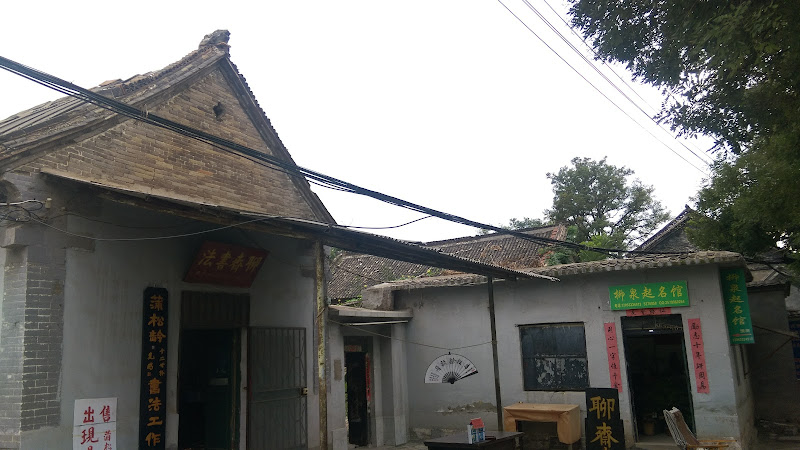
Liaozhai Park
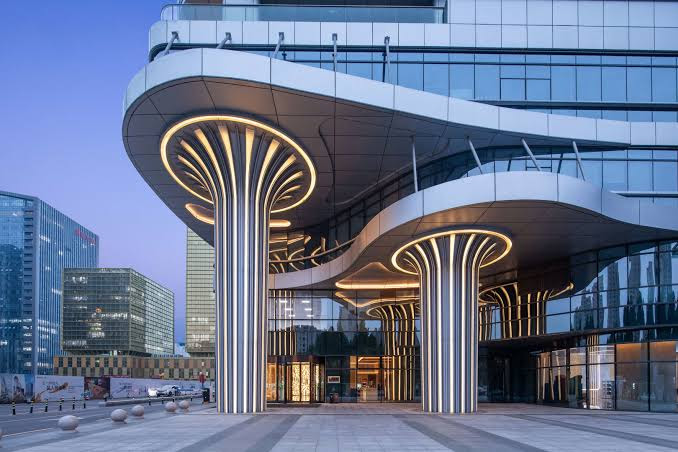
Hilton Garden Inn Zibo Zhangdian
Find Accommodations Nearby
Recommended Tours & Activities
Visitor Reviews
There are no reviews yet. Be the first one to write one.
Share Your Experience
Have you visited Linzi Football Museum? Help other travelers by leaving a review.