
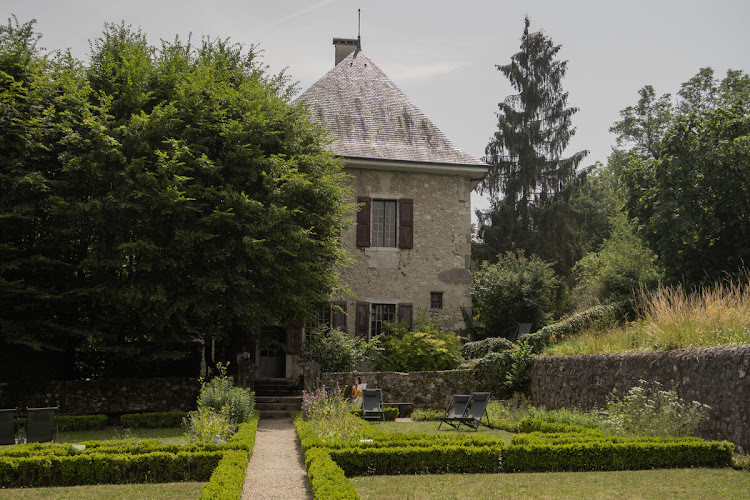
Les Charmettes – Maison de Jean-Jacques Rousseau
About Les Charmettes – Maison de Jean-Jacques Rousseau
Description
If you’re the kind of traveler who digs a place with a story that seeps into the walls, Les Charmettes - Maison de Jean-Jacques Rousseau should definitely be on your radar. It’s not just a museum; it’s a slice of 18th-century life where the great philosopher Rousseau lived during his youthful years. Imagine stepping into a tranquil site made up of a modest home and its accompanying garden, both preserved to echo the era and atmosphere that inspired some of Rousseau’s early thoughts on nature and education. Now, this isn't one of those flashy, over-the-top tourist traps with a million gadgets and interactive screens. Nope, it’s quiet, simple, and kind of magical if you like peeling back the layers of history in a thoughtful way.
You’ll wander through rooms that still hold a whisper of Rousseau’s presence and stroll gardens that seem as if they haven’t changed much since the 1700s. There’s something genuinely soothing about being surrounded by nature and history woven together. It’s the sort of place that invites reflection—makes you pause and maybe even question your own relationship with the natural world. I remember visiting on a cool autumn afternoon, and the golden light filtering through the garden branches felt like a soft nod from history itself. Makes you wonder what went on in Rousseau’s head during all those quiet hours.
Now, fair warning though—it’s not going to be a spot with fancy restaurants or wheelchair ramps. The entrance isn't wheelchair accessible, which does limit things a bit. But if you’re bringing the kids, no worries there; they tend to find the gardens and open spaces quite engaging. Plus, the site offers restroom facilities and free parking, both on site and nearby streets, pretty convenient when you’re juggling bags, cameras, or a restless little one.
One thing that surprised me was just how peaceful it feels, tucked away from the hustle of Chambéry city life, even though you’re not far from the urban buzz. It’s a cozy corner for those who appreciate the subtle, less flashy side of historic museums. And since it doesn’t overwhelm visitors with bells and whistles, it gives you the space to imagine the man behind the legend in his formative years. Whether you’re a history buff, literature lover, or just someone who enjoys peaceful garden strolls with a hint of intellectual nostalgia, Les Charmettes quietly ticks a lot of boxes.
Key Features
- Historic house where Jean-Jacques Rousseau lived in his youth
- Beautiful gardens that preserve the natural setting Rousseau loved
- Accessible restroom facilities for visitor comfort
- Family-friendly environment suitable for children
- Free parking options available both onsite and on nearby streets
- An authentic, quiet atmosphere without commercial distractions
- Opportunities for reflective walks and appreciating 18th-century architecture
- Informative displays that provide insight into Rousseau’s early life and ideals
Best Time to Visit
So when is the magic moment to swing by Les Charmettes? Honestly, spring and early autumn are probably your best bets. The gardens bloom beautifully after winter, with fresh greenery that really bring Rousseau’s ideas about nature to life. And in autumn, the changing colors add this dreamy, melancholy vibe that kind of fits Rousseau’s reflective spirit. Plus, the weather’s not too harsh, which helps when you’re wandering through outdoor spaces.
Summer is okay too, but it can get a bit warm, and since there’s no on-site restaurant or real shelter from the sun, you’ll want to plan for that—maybe pack a hat and some water. Winters? Well, it’s not closed or anything, but you might want to brace yourself for chilly strolls, and some parts of the garden could be less accessible. Also, visiting during weekdays usually means fewer crowds, making it easier to soak in the ambiance quietly. Weekends see more visitors, especially locals and tourists who share the same thirst for history.
How to Get There
Getting to Les Charmettes is pretty straightforward once you know the basics. It’s located near Chambéry, which is well-connected by train and road to other major cities in France. If you’re coming from the city center, a taxi or short bus ride will drop you close enough to comfortably stroll the last bit to the entrance. For drivers, there’s free parking right there, which is a bonus because parking in small towns can sometimes be a headache.
Now, if you’re like me and enjoy a little adventure on foot, you can actually make the trip part of the experience by walking a bit around Chambéry’s charming streets before you get to the museum. It’s a nice way to stretch your legs and take in the local vibe before diving into Rousseau’s world. Just a heads up though, as mentioned, the entrance isn’t wheelchair accessible, so if you have mobility concerns, best to keep that in mind when planning your route.
Tips for Visiting
Here’s where I get a little practical because trust me, having done my fair share of wandering through historic homes, a few pointers make all the difference:
- Wear comfy shoes. The garden paths are lovely but not exactly paved for high heels or brand-new sneakers. Something sturdy, you won’t regret it.
- Bring a light jacket or sweater. Even in warmer months, shaded garden areas can be surprisingly cool. Plus, it’s handy if the weather decides to throw a curveball.
- Allocate enough time. This isn’t a quick snap-and-go attraction. Plan for at least 1.5 to 2 hours if you want to really soak up the experience, read the displays, and wander the gardens in peace.
- Don’t expect a ton of modern amenities. There’s no café or restaurant on site, so snack up beforehand or pack a picnic to enjoy somewhere nearby.
- Engage with the exhibits. The displays are understated but thoughtful—take your time to read through Rousseau’s early philosophies brought to life in this setting. It’s like getting a backstage pass to the mind of one of the Enlightenment’s biggest thinkers.
- Go early or late in the day. To dodge the crowds and catch better lighting for photos, mornings and late afternoons work wonders here.
- If you’re traveling with kids, it can be a nice blend of education and fresh air, but maybe pair it with something a bit more interactive afterward, unless they’re little philosophers in the making.
At the end of the day, Les Charmettes isn’t just a museum. It’s a chance to hit pause on your usual fast-paced travel itinerary and slip into the slower rhythm of history and nature melded together. If you love the idea of walking where a man who challenged how we think about society and education once walked, this place quietly waits. Just bring your curiosity, a comfy pair of shoes, and maybe a bit of patience with the lack of high-tech bells and whistles—and you’ll leave with a story or two you didn’t expect to find in a modest old house and garden near Chambéry.
Key Features
- Historic house where Jean-Jacques Rousseau lived in his youth
- Beautiful gardens that preserve the natural setting Rousseau loved
- Accessible restroom facilities for visitor comfort
- Family-friendly environment suitable for children
- Free parking options available both onsite and on nearby streets
- An authentic, quiet atmosphere without commercial distractions
- Opportunities for reflective walks and appreciating 18th-century architecture
- Informative displays that provide insight into Rousseau’s early life and ideals
More Details
Updated June 5, 2025
Table of Contents
- Description
- Key Features
- Best Time to Visit
- How to Get There
- Tips for Visiting
- Key Highlights
- Location
- Places to Stay Near Les Charmettes - Maison de Jean-Jacques Rousseau
- Find and Book a Tour
- Explore More Travel Guides
- Nearby Places You Might Like
- Traveler Reviews for Les Charmettes – Maison de Jean-Jacques Rousseau
- Share Your Experience
Description
If you’re the kind of traveler who digs a place with a story that seeps into the walls, Les Charmettes – Maison de Jean-Jacques Rousseau should definitely be on your radar. It’s not just a museum; it’s a slice of 18th-century life where the great philosopher Rousseau lived during his youthful years. Imagine stepping into a tranquil site made up of a modest home and its accompanying garden, both preserved to echo the era and atmosphere that inspired some of Rousseau’s early thoughts on nature and education. Now, this isn’t one of those flashy, over-the-top tourist traps with a million gadgets and interactive screens. Nope, it’s quiet, simple, and kind of magical if you like peeling back the layers of history in a thoughtful way.
You’ll wander through rooms that still hold a whisper of Rousseau’s presence and stroll gardens that seem as if they haven’t changed much since the 1700s. There’s something genuinely soothing about being surrounded by nature and history woven together. It’s the sort of place that invites reflection—makes you pause and maybe even question your own relationship with the natural world. I remember visiting on a cool autumn afternoon, and the golden light filtering through the garden branches felt like a soft nod from history itself. Makes you wonder what went on in Rousseau’s head during all those quiet hours.
Now, fair warning though—it’s not going to be a spot with fancy restaurants or wheelchair ramps. The entrance isn’t wheelchair accessible, which does limit things a bit. But if you’re bringing the kids, no worries there; they tend to find the gardens and open spaces quite engaging. Plus, the site offers restroom facilities and free parking, both on site and nearby streets, pretty convenient when you’re juggling bags, cameras, or a restless little one.
One thing that surprised me was just how peaceful it feels, tucked away from the hustle of Chambéry city life, even though you’re not far from the urban buzz. It’s a cozy corner for those who appreciate the subtle, less flashy side of historic museums. And since it doesn’t overwhelm visitors with bells and whistles, it gives you the space to imagine the man behind the legend in his formative years. Whether you’re a history buff, literature lover, or just someone who enjoys peaceful garden strolls with a hint of intellectual nostalgia, Les Charmettes quietly ticks a lot of boxes.
Key Features
- Historic house where Jean-Jacques Rousseau lived in his youth
- Beautiful gardens that preserve the natural setting Rousseau loved
- Accessible restroom facilities for visitor comfort
- Family-friendly environment suitable for children
- Free parking options available both onsite and on nearby streets
- An authentic, quiet atmosphere without commercial distractions
- Opportunities for reflective walks and appreciating 18th-century architecture
- Informative displays that provide insight into Rousseau’s early life and ideals
Best Time to Visit
So when is the magic moment to swing by Les Charmettes? Honestly, spring and early autumn are probably your best bets. The gardens bloom beautifully after winter, with fresh greenery that really bring Rousseau’s ideas about nature to life. And in autumn, the changing colors add this dreamy, melancholy vibe that kind of fits Rousseau’s reflective spirit. Plus, the weather’s not too harsh, which helps when you’re wandering through outdoor spaces.
Summer is okay too, but it can get a bit warm, and since there’s no on-site restaurant or real shelter from the sun, you’ll want to plan for that—maybe pack a hat and some water. Winters? Well, it’s not closed or anything, but you might want to brace yourself for chilly strolls, and some parts of the garden could be less accessible. Also, visiting during weekdays usually means fewer crowds, making it easier to soak in the ambiance quietly. Weekends see more visitors, especially locals and tourists who share the same thirst for history.
How to Get There
Getting to Les Charmettes is pretty straightforward once you know the basics. It’s located near Chambéry, which is well-connected by train and road to other major cities in France. If you’re coming from the city center, a taxi or short bus ride will drop you close enough to comfortably stroll the last bit to the entrance. For drivers, there’s free parking right there, which is a bonus because parking in small towns can sometimes be a headache.
Now, if you’re like me and enjoy a little adventure on foot, you can actually make the trip part of the experience by walking a bit around Chambéry’s charming streets before you get to the museum. It’s a nice way to stretch your legs and take in the local vibe before diving into Rousseau’s world. Just a heads up though, as mentioned, the entrance isn’t wheelchair accessible, so if you have mobility concerns, best to keep that in mind when planning your route.
Tips for Visiting
Here’s where I get a little practical because trust me, having done my fair share of wandering through historic homes, a few pointers make all the difference:
- Wear comfy shoes. The garden paths are lovely but not exactly paved for high heels or brand-new sneakers. Something sturdy, you won’t regret it.
- Bring a light jacket or sweater. Even in warmer months, shaded garden areas can be surprisingly cool. Plus, it’s handy if the weather decides to throw a curveball.
- Allocate enough time. This isn’t a quick snap-and-go attraction. Plan for at least 1.5 to 2 hours if you want to really soak up the experience, read the displays, and wander the gardens in peace.
- Don’t expect a ton of modern amenities. There’s no café or restaurant on site, so snack up beforehand or pack a picnic to enjoy somewhere nearby.
- Engage with the exhibits. The displays are understated but thoughtful—take your time to read through Rousseau’s early philosophies brought to life in this setting. It’s like getting a backstage pass to the mind of one of the Enlightenment’s biggest thinkers.
- Go early or late in the day. To dodge the crowds and catch better lighting for photos, mornings and late afternoons work wonders here.
- If you’re traveling with kids, it can be a nice blend of education and fresh air, but maybe pair it with something a bit more interactive afterward, unless they’re little philosophers in the making.
At the end of the day, Les Charmettes isn’t just a museum. It’s a chance to hit pause on your usual fast-paced travel itinerary and slip into the slower rhythm of history and nature melded together. If you love the idea of walking where a man who challenged how we think about society and education once walked, this place quietly waits. Just bring your curiosity, a comfy pair of shoes, and maybe a bit of patience with the lack of high-tech bells and whistles—and you’ll leave with a story or two you didn’t expect to find in a modest old house and garden near Chambéry.
Key Highlights
- Historic house where Jean-Jacques Rousseau lived in his youth
- Beautiful gardens that preserve the natural setting Rousseau loved
- Accessible restroom facilities for visitor comfort
- Family-friendly environment suitable for children
- Free parking options available both onsite and on nearby streets
- An authentic, quiet atmosphere without commercial distractions
- Opportunities for reflective walks and appreciating 18th-century architecture
- Informative displays that provide insight into Rousseau’s early life and ideals
Location
Places to Stay Near Les Charmettes - Maison de Jean-Jacques Rousseau
Find and Book a Tour
Explore More Travel Guides
No reviews found! Be the first to review!
Traveler Reviews for Les Charmettes – Maison de Jean-Jacques Rousseau
There are no reviews yet. Be the first one to write one.
Have you visited Les Charmettes – Maison de Jean-Jacques Rousseau? Help other travelers by sharing your review.
You Might Also Like
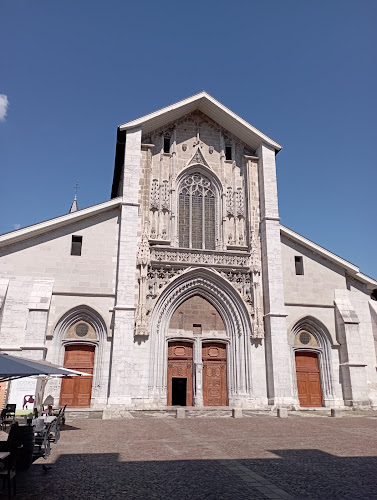
Cathédrale Saint-François-de-Sales
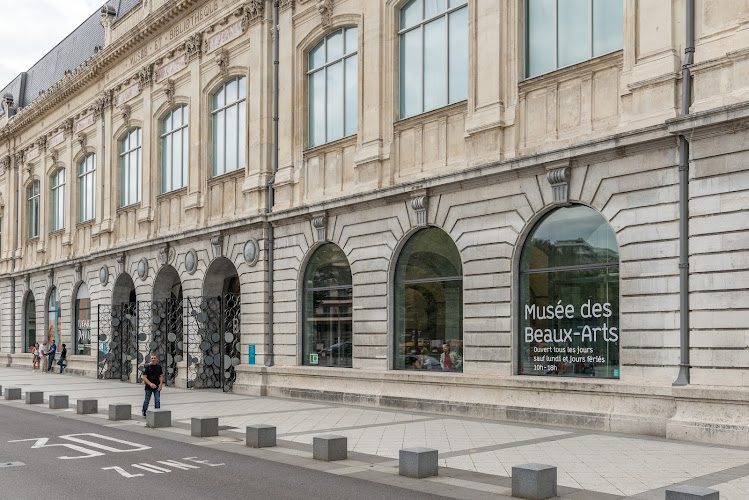
Musée des beaux-arts de Chambéry
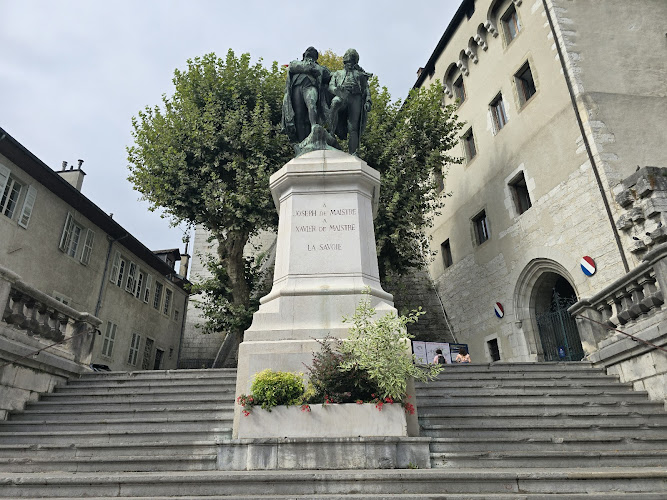
Statue des frères de Maistre
Find Accommodations Nearby
Recommended Tours & Activities
Visitor Reviews
There are no reviews yet. Be the first one to write one.
Share Your Experience
Have you visited Les Charmettes – Maison de Jean-Jacques Rousseau? Help other travelers by leaving a review.