
Leiper Historic House
About Leiper Historic House
Description
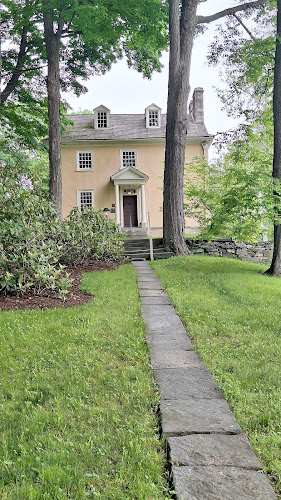
If we're being honest, the Leiper Historic House isn’t just another old stone building hiding behind a patch of trees. It’s got a bizarre and rather fascinating sense of stubbornness about it—a will to hang on despite the centuries, and it just oozes the kind of warm, everyday history you don't quite get from grand palaces or marble government buildings. Here, you can wander rooms where folks actually lived, argued, worked, and laughed, and you don’t feel locked out of the experience. If you’re curious about life in early Pennsylvania, how industry met family, or just want to see what it looks like when time slows down for a bit, then Leiper Historic House calls out to your inner explorer.
Originally built back when the world looked astonishingly different (think tricorn hats, hand-pulled saws, and lots of dust), the Leiper House was home to the Leiper family, who were kind of a big deal in their day—especially when it came to stone quarries and early American enterprise. Meandering through the rooms, you’ll spot original woodwork, sturdy fireplaces, and displays that connect you to stories about grit and ingenuity. I remember my first visit like it was yesterday: sunlight streaming through hand-blown glass, creaky floors echoing beneath my sneakers, and the ghostly fingers of history gently tugging at my sleeve. It’s the kind of place where you half-expect a colonial child to dart through the hallway clutching a wooden toy.
What’s special, I think, is how the house manages to be both humble and packed with character. You’ll encounter period furnishings and curious bits that survived the centuries, and you just might chat with a passionate volunteer whose family has lived in the area for decades. No velvet ropes, no pomp—just a whole lot of authenticity and human stories layered one on top of the other. Kids love it, by the way, and not just because you can actually imagine having to do chores all day in the 1800s. They get a taste of living history that’s hard to replicate in a textbook or a heavily sanitized museum. After all, isn’t it more thrilling to visit a place where every chipped doorframe and faded wallpaper has a tale to tell?
Key Features
- Original Colonial Architecture: The sturdy stone structure survives almost as it was built, showing off craftsmanship and practical design from two centuries ago. You don’t see that kind of durability these days—trust me.
- Seasonal Guided Tours: Enthusiastic guides (some practically born for the job) spin engaging stories about the Leiper family, their innovations, and how their adventures shaped local industry.
- Hands-On Exhibits: You can spot authentic tools and artifacts used by the family, offering a tangible link to what daily life really looked like (hint: not especially glamorous, but very real).
- Family-Friendly Grounds: Wide lawns, ancient trees, and spots for kids to let off steam—there’s enough room to ponder history or picnic under the sky. Personally, I love a good sandwich while watching shadows stretch across the house’s walls.
- Educational Programs: History comes alive for school groups and families through creative activities and storytelling—way more memorable than a worksheet.
- Photo Opportunities: The rough-hewn stone, arched doorway, and sun-dappled windows make a dreamy backdrop for your next Instagram shot (or, you know, your real old-fashioned photo album).
There are also seasonal events—everything from holiday open houses to heritage festivals—so you might stumble into live demonstrations or fresh apple cider. And while it’s open to the public, there’s an almost private feeling when you visit on a quiet afternoon. That’s worth its weight in nostalgic gold.
Best Time to Visit
If I had to play favorites—and honestly, who doesn’t?—I’d say skip the dead of winter unless you’re after frosted windowpanes and a brisk walk. Spring and autumn are pure magic at the Leiper House. In late April and May, blooms pop against weathered stone, and the air’s got that promising, hopeful feel that only happens after a long Pennsylvania winter. October might be even better: gold and scarlet leaves carpet the grounds, and the low light turns every photo postcard-worthy.
Sundays are a winner for guided tours, and if you’re aiming for a quieter visit, Tuesday and Wednesday afternoons often see fewer crowds. Special events pepper the calendar—December’s candle-lit evenings, July’s family picnics—so keep an eye out if you like your history with a side of celebration. Bring the camera, pack a light jacket, and don’t forget a little time to sit and just soak up the atmosphere. Even ten minutes on the porch can make you feel like you’ve slipped decades into the past. If you ask me, that’s hard to find these days.
How to Get There
The Leiper Historic House feels tucked away, but not impossible to find (unless, like me, you sometimes trust GPS more than you probably should). If you’re driving, look for signs on the main roads leading into the area—local directions are surprisingly accurate, and you’ll know you’re close when tall trees start lining the street, almost like they’re nudging you closer. Street parking is available nearby, and there’s usually plenty of space, unless there’s a big event.
Public transit is doable, though you’ll want to check schedules carefully—buses pass within walking distance and the nearest rail station isn’t far. I once caught the train here on a blustery fall morning; walking the last stretch felt like part of the adventure, leaves crunching underfoot, and the house peeking into view through a haze of gold. If you’re on a bike, the ride is scenic but a touch hilly—definitely a bit of cardio, but the historic payoff at the end is worth a little sweat.
If you’re traveling as a family or group, carpooling works like a charm. Pro tip: bring a picnic or snacks, especially if you’re hauling along little ones or a gaggle of history buffs. There’s nothing like sitting together under the ancient trees, comparing guesses about what those old tools were actually for.
Tips for Visiting
I’ll let you in on some practical advice and a couple secrets I wish I’d known on my first trip:
- Call ahead or check official info: Tour days and hours can shift, especially around holidays or during big events. It’s a small operation—that unpredictability is part of its charm, but better safe than sorry.
- Ask lots of questions: The guides are fountains of local lore, and if you show a little curiosity, you’ll probably score a bonus anecdote or two—maybe even a ghost story about the attic. Don’t be shy!
- Bring walking shoes: Cobblestone paths, grassy lawns, and a few uneven steps inside mean comfort trumps fashion here. Those worn wooden stairs? Absolutely worth climbing, but slick in the rain.
- Travel with snacks and water: Especially with kids in tow, as amenities on-site are pretty minimal. And why not turn a visit into an impromptu picnic under the maples?
- Mind the house rules: Preservation is key, so while you can get close to most things, resist the urge to touch too much. (I know, the old ironwork is tempting!)
- Combine your visit: The Leiper House is a sweet stop on a broader itinerary—nearby trails, gardens, and other historic corners can round out your day if you’re feeling ambitious.
- Let kids explore: This is a “good for kids” kind of place. There’s enough space for roaming, and a hands-on sensibility that inspires curiosity. If you’re an adult? Let yourself get a little lost in the details—time travel starts with the imagination.
Honestly, visiting the Leiper Historic House gives you this odd feeling of stepping sideways into someone else's life while quietly reimagining your own roots. It lingers with you—the smell of ancient wood, the light slanting across dusty windows, the hum of old stories speaking through the silence. And if you’re open to listening, you’ll walk away with more than a few memorable moments and a deeper appreciation for the stubborn thread of history woven right beneath your feet.
So, pack your curiosity, maybe a sandwich, and give yourself time to wander. After all, the Leiper Historic House is best savored slowly, the way all great stories are meant to be lived.
Key Features
- Key Features
- Best Time to Visit
- How to Get There
- Tips for Visiting
More Details
Updated July 6, 2025
Table of Contents
Description
If we’re being honest, the Leiper Historic House isn’t just another old stone building hiding behind a patch of trees. It’s got a bizarre and rather fascinating sense of stubbornness about it—a will to hang on despite the centuries, and it just oozes the kind of warm, everyday history you don’t quite get from grand palaces or marble government buildings. Here, you can wander rooms where folks actually lived, argued, worked, and laughed, and you don’t feel locked out of the experience. If you’re curious about life in early Pennsylvania, how industry met family, or just want to see what it looks like when time slows down for a bit, then Leiper Historic House calls out to your inner explorer.
Originally built back when the world looked astonishingly different (think tricorn hats, hand-pulled saws, and lots of dust), the Leiper House was home to the Leiper family, who were kind of a big deal in their day—especially when it came to stone quarries and early American enterprise. Meandering through the rooms, you’ll spot original woodwork, sturdy fireplaces, and displays that connect you to stories about grit and ingenuity. I remember my first visit like it was yesterday: sunlight streaming through hand-blown glass, creaky floors echoing beneath my sneakers, and the ghostly fingers of history gently tugging at my sleeve. It’s the kind of place where you half-expect a colonial child to dart through the hallway clutching a wooden toy.
What’s special, I think, is how the house manages to be both humble and packed with character. You’ll encounter period furnishings and curious bits that survived the centuries, and you just might chat with a passionate volunteer whose family has lived in the area for decades. No velvet ropes, no pomp—just a whole lot of authenticity and human stories layered one on top of the other. Kids love it, by the way, and not just because you can actually imagine having to do chores all day in the 1800s. They get a taste of living history that’s hard to replicate in a textbook or a heavily sanitized museum. After all, isn’t it more thrilling to visit a place where every chipped doorframe and faded wallpaper has a tale to tell?
Key Features
- Original Colonial Architecture: The sturdy stone structure survives almost as it was built, showing off craftsmanship and practical design from two centuries ago. You don’t see that kind of durability these days—trust me.
- Seasonal Guided Tours: Enthusiastic guides (some practically born for the job) spin engaging stories about the Leiper family, their innovations, and how their adventures shaped local industry.
- Hands-On Exhibits: You can spot authentic tools and artifacts used by the family, offering a tangible link to what daily life really looked like (hint: not especially glamorous, but very real).
- Family-Friendly Grounds: Wide lawns, ancient trees, and spots for kids to let off steam—there’s enough room to ponder history or picnic under the sky. Personally, I love a good sandwich while watching shadows stretch across the house’s walls.
- Educational Programs: History comes alive for school groups and families through creative activities and storytelling—way more memorable than a worksheet.
- Photo Opportunities: The rough-hewn stone, arched doorway, and sun-dappled windows make a dreamy backdrop for your next Instagram shot (or, you know, your real old-fashioned photo album).
There are also seasonal events—everything from holiday open houses to heritage festivals—so you might stumble into live demonstrations or fresh apple cider. And while it’s open to the public, there’s an almost private feeling when you visit on a quiet afternoon. That’s worth its weight in nostalgic gold.
Best Time to Visit
If I had to play favorites—and honestly, who doesn’t?—I’d say skip the dead of winter unless you’re after frosted windowpanes and a brisk walk. Spring and autumn are pure magic at the Leiper House. In late April and May, blooms pop against weathered stone, and the air’s got that promising, hopeful feel that only happens after a long Pennsylvania winter. October might be even better: gold and scarlet leaves carpet the grounds, and the low light turns every photo postcard-worthy.
Sundays are a winner for guided tours, and if you’re aiming for a quieter visit, Tuesday and Wednesday afternoons often see fewer crowds. Special events pepper the calendar—December’s candle-lit evenings, July’s family picnics—so keep an eye out if you like your history with a side of celebration. Bring the camera, pack a light jacket, and don’t forget a little time to sit and just soak up the atmosphere. Even ten minutes on the porch can make you feel like you’ve slipped decades into the past. If you ask me, that’s hard to find these days.
How to Get There
The Leiper Historic House feels tucked away, but not impossible to find (unless, like me, you sometimes trust GPS more than you probably should). If you’re driving, look for signs on the main roads leading into the area—local directions are surprisingly accurate, and you’ll know you’re close when tall trees start lining the street, almost like they’re nudging you closer. Street parking is available nearby, and there’s usually plenty of space, unless there’s a big event.
Public transit is doable, though you’ll want to check schedules carefully—buses pass within walking distance and the nearest rail station isn’t far. I once caught the train here on a blustery fall morning; walking the last stretch felt like part of the adventure, leaves crunching underfoot, and the house peeking into view through a haze of gold. If you’re on a bike, the ride is scenic but a touch hilly—definitely a bit of cardio, but the historic payoff at the end is worth a little sweat.
If you’re traveling as a family or group, carpooling works like a charm. Pro tip: bring a picnic or snacks, especially if you’re hauling along little ones or a gaggle of history buffs. There’s nothing like sitting together under the ancient trees, comparing guesses about what those old tools were actually for.
Tips for Visiting
I’ll let you in on some practical advice and a couple secrets I wish I’d known on my first trip:
- Call ahead or check official info: Tour days and hours can shift, especially around holidays or during big events. It’s a small operation—that unpredictability is part of its charm, but better safe than sorry.
- Ask lots of questions: The guides are fountains of local lore, and if you show a little curiosity, you’ll probably score a bonus anecdote or two—maybe even a ghost story about the attic. Don’t be shy!
- Bring walking shoes: Cobblestone paths, grassy lawns, and a few uneven steps inside mean comfort trumps fashion here. Those worn wooden stairs? Absolutely worth climbing, but slick in the rain.
- Travel with snacks and water: Especially with kids in tow, as amenities on-site are pretty minimal. And why not turn a visit into an impromptu picnic under the maples?
- Mind the house rules: Preservation is key, so while you can get close to most things, resist the urge to touch too much. (I know, the old ironwork is tempting!)
- Combine your visit: The Leiper House is a sweet stop on a broader itinerary—nearby trails, gardens, and other historic corners can round out your day if you’re feeling ambitious.
- Let kids explore: This is a “good for kids” kind of place. There’s enough space for roaming, and a hands-on sensibility that inspires curiosity. If you’re an adult? Let yourself get a little lost in the details—time travel starts with the imagination.
Honestly, visiting the Leiper Historic House gives you this odd feeling of stepping sideways into someone else’s life while quietly reimagining your own roots. It lingers with you—the smell of ancient wood, the light slanting across dusty windows, the hum of old stories speaking through the silence. And if you’re open to listening, you’ll walk away with more than a few memorable moments and a deeper appreciation for the stubborn thread of history woven right beneath your feet.
So, pack your curiosity, maybe a sandwich, and give yourself time to wander. After all, the Leiper Historic House is best savored slowly, the way all great stories are meant to be lived.
Key Highlights
- Key Features
- Best Time to Visit
- How to Get There
- Tips for Visiting
Location
Places to Stay Near Leiper Historic House
Find and Book a Tour
Explore More Travel Guides
No reviews found! Be the first to review!
Traveler Reviews for Leiper Historic House
There are no reviews yet. Be the first one to write one.
Have you visited Leiper Historic House? Help other travelers by sharing your review.
You Might Also Like
Old Los Angeles Zoo

Chesapeake and Ohio Canal Towpath

The Cigar Vault
Find Accommodations Nearby
Recommended Tours & Activities
Visitor Reviews
There are no reviews yet. Be the first one to write one.
Share Your Experience
Have you visited Leiper Historic House? Help other travelers by leaving a review.