
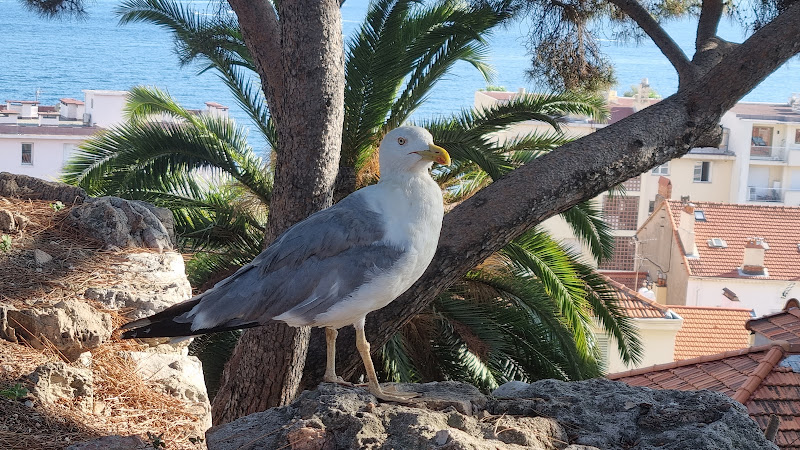
Le Suquet
About Le Suquet
Let’s talk about Le Suquet — the oh-so-essential heart of Cannes that has this magnetism you just can’t ignore. I remember the first time I wandered its cobbled streets, shoes protesting, senses exploding: sun bouncing off pastel façades, the aroma of freshly baked bread wafting from some hidden bakery, the distant sound of a jazz trumpet echoing from a bar I really should have visited. Here, the world’s obsession with Cannes shines, not from the glitz of the Croisette, but from the way neighbors chat over flower boxes and market folks holler about sea urchins like they’re selling gold. This is authentic old Cannes, where history thickly coats every stone alley (and sometimes, your shoes if it rains).
Le Suquet isn’t just a pretty postcard, though—it’s a full-sensory experience. The quarter winds up from the bustling marina, dodging yachts and jaywalking cats, straight to the summit crowned by the hulking Château de la Castre. The castle museum will spoil you with Riviera landscapes that practically pop out of their frames. Just next door, Notre-Dame d’Espérance—this isn’t your ordinary church. Its gothic bones offer up panoramic bay vistas that’ll have you burning through your camera battery before noon. And for the people-watchers or food-obsessed (I’m both), the Marché Forville food stalls let you eyeball everything from lavender honey to suspiciously large tomatoes. Locals queue for socca while tourists snap photos of cheese wheels the size of bike tires.
Does it feel a bit touristy? Sure, you’ll bump elbows with plenty of camera-laden visitors. But if you loiter in the indie shops, let yourself get scolded by a fishmonger, or just sit and listen to the jazz drifting through a shuttered window, you’ll catch glimpses of Cannes as it once was and still is—sometimes a tangle of contradictions, always, ALWAYS charming.
Key Features
- Medieval Pedigree: Old stone passageways, twisting staircases, and archways older than your great-grandparents. Le Suquet’s authenticity is impossible to fake.
- Château de la Castre: Hilltop fortress with an eccentric museum. Art, archaeology, and a medieval tower—climb for sweeping views (worth every flight of stairs, unless you hate heights).
- Notre-Dame d’Espérance: Understated 16th-century church whose terrace is like the ultimate Cannes viewing platform. Bring a picnic, lose a few hours gawking at yachts.
- Marché Forville: Bustling Provencal market alive every morning (but closed on Mondays for cleaning). Want real French produce? You can find everything from goat cheese smelling deliciously illegal to local truffles in season.
- Local Dining: Street after street lined with bistros serving Niçoise specialities and impossibly fresh seafood; terraces packed with locals (always a good sign).
- Jazz Bars and Indie Stores: Edgy little venues where live music spills onto the pavement, plus boutiques for everything from retro records to handmade soaps.
- Gorgeous Streetscapes: Candy-colored cottages, overflowing flower pots, and a sense that the painters and poets just left for lunch.
- Photography Heaven: Early morning and sunset are magic—these old alleys love natural light, so charge your phone or bring that “real camera” you keep meaning to use.
Best Time to Visit
If you want my totally honest opinion—and if you’ve read this far, I’ll assume you do—try to skip July and August unless you enjoy moving at a snail’s pace through crowds. Don’t get me wrong, summer is dazzling with sunlight that makes everything seem dipped in gold, but you’re sharing every corner with practically everyone else. Personally, I adore May and September. Cannes Film Festival brings a bit of chaos in late May, but also celebrity-spotting if that’s your jam. Spring and early autumn gift you milder weather, market stalls groaning with seasonal produce (think strawberries, wild asparagus, and more), and enough locals around to remind you it’s a real place, not just a tourist trap. And winter? Crisp air, no lines, quieter alleys, and that rare satisfaction of having whole views (almost) to yourself.
Tip: Early mornings are magical. Seriously, see the sunrise over the port and listen to the city wake up—it’s worth rolling out of bed for, even if you’re not a morning person. But if you must visit in high season, linger into the night—dining terraces get livelier, music fills the squares, and tourists fade away.
How to Get There
First-timers, don’t overthink it. Le Suquet is the original heart of Cannes, rising just back from the harbor. If you arrive via train, the walk takes less than fifteen minutes—just weave (or roll, if you’ve got wheels or little ones in tow) straight from the Gare de Cannes down to the port and follow the signs uphill.
If you’re coming by car, honestly? Rethink the parking. Narrow streets and limited spaces mean parking lots near the port are usually packed, especially on weekends. Your best bet is to stash your vehicle a few blocks away and hoof it. The #1 bus line also passes nearby, and there are local shuttles if you’re weary or just got carried away at the rosé tasting.
For the ambitious, renting a bike or even a scooter makes discovering all those secret alleys a breeze (though watch for cobblestones—your tailbone will thank you later). And hey, if you’re already by the marina, the climb isn’t as brutal as it looks; there are zigzag paths and plenty of benches if you need to pause, which I definitely did my first time, no shame.
Tips for Visiting
Here’s the lowdown, and I’m not holding back:
- Wear good shoes! I learned this the hard way. Those quaint cobblestones will chew up unsensible footwear. Cute sandals? Maybe save them for lounging, not climbing.
- Bring cash for the market stalls. Not all vendors accept cards and you don’t want to miss out on that unexpected jar of fig jam or a slab of local nougat.
- Go early or late. If you want those picturesque alleys all to yourself (and better lighting for photos), skip midday. Also, it’s cooler and quieter—a blessing in peak heat.
- Chat with locals. Even with tourist traffic, Le Suquet’s shopkeepers and market vendors hold tales worth hearing. Don’t be shy about asking for recommendations; I once discovered the best bouillabaisse of my life from a friendly cheese seller!
- Check event dates. Cinephiles might overlap with the Cannes Film Festival in May—city energy is high, but crowds are real. If you like jazz, the Suquet Music Festival in July is unbeatable, just expect booked-out bistros.
- Escape the crowds, literally. Duck off Rue Saint-Antoine into hidden stairways or peek down back alleys for unexpected quiet spots—sometimes you’ll get a whole view to yourself, which feels deliciously secret.
- Time your visit to Marché Forville. Best produce appears before 10 am and weekends are extra busy but festive. Mondays—no market, but antique vendors sometimes pop up for a surprise find.
- Pace yourself on the climbs. Le Suquet’s steepness is…let’s call it “character building”. Hydrate, take breaks, and reward yourself with gelato at the top. You’ve earned it.
You’ll leave Le Suquet with more than just great photos. Come for the history, stay for the street performers, linger for Provençal flavors, and let the stories you stumble over become your own Cannes legend. If you’re anything like me, it’ll be a place you remember—aching calves, full heart, and all.
You Might Also Like
06400 Cannes
8 Av. Val Vert

Abbaye de Lérins
Tours & Activities
GetYourGuide provides this tour inventory. We may earn a commission if you book through it; verify current availability, prices, and terms with the provider.
Visitor Reviews
There are no reviews yet. Be the first one to write one.
Share Your Experience
Have you visited Le Suquet? Help other travelers by leaving a review.