Lapworth Museum of Geology
About Lapworth Museum of Geology
Description
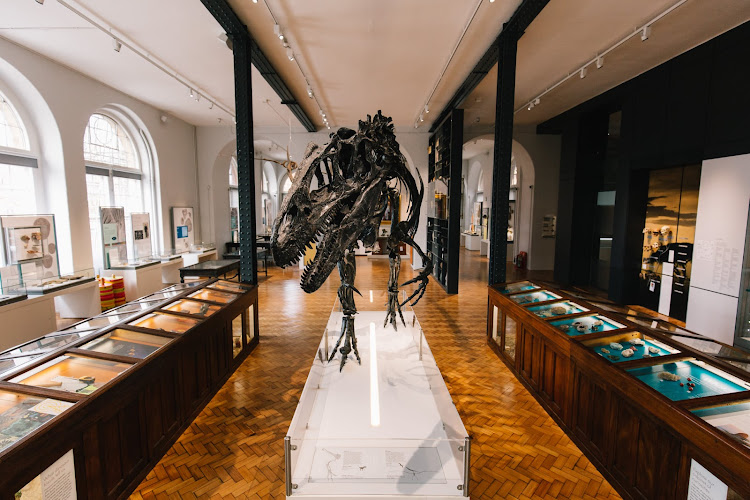
The Lapworth Museum of Geology sits within the airy Edwardian spaces of the Aston Webb Building at the University of Birmingham and offers a quietly engrossing dive into Earth deep time. The museum is named after Charles Lapworth, a pioneering geologist, and its displays lean into both local geological stories and the broader sweep of palaeontology and mineralogy. Visitors encounter impressive specimens of fossils preserved in local Wenlock limestone, colourful gems and crystals that catch the light in a way that makes people slow down, and cabinets that feel like curated time machines. There is an approachable, slightly scholarly atmosphere — not flashy, but the sort of place that rewards curiosity.
The building itself matters: vaulted ceilings, tall windows, and the sense that this was built to show things off. That airy Edwardian shell gives the collection breathing room, so glass cases and explanatory labels don’t feel cramped. The museum balances an academic heart — genuine specimens that matter to scientists — with kid-friendly displays and hands-on moments that families will appreciate. And, yes, live performances and events occasionally animate the galleries, making a visit feel less like a walk-through and more like an occasion.
Overall, the Lapworth Museum of Geology is best described as an intimate, well-loved university museum. It delights people who like to stand close to fossils and minerals, read a good label, and leave with a sense that they’ve held a sliver of deep history. It can be busy at times, and a few visitors wish for more interactivity or clearer signage in places, but the overwhelmingly warm reception from the public points to a museum that finds a steady groove: well curated, friendly staff, and a collection that quietly impresses.
Key Features
- Extensive fossil displays featuring local Wenlock limestone specimens, showcasing Silurian-era life (around 430 million years ago).
- Striking mineral and crystal collections with colourful specimens displayed under natural light in an Edwardian gallery feel.
- Located in the Aston Webb Building at the University of Birmingham, giving visitors an academic context and scenic campus surroundings.
- Accessible facilities: wheelchair accessible entrance, wheelchair-accessible parking, and accessible restrooms.
- Family-friendly amenities including changing tables, kid-focused activities, and exhibits that engage younger visitors.
- Onsite services include Wi-Fi and a gift shop to pick up geology-themed souvenirs, books, and educational items.
- Live performances and special events periodically bring exhibits to life and introduce interactive elements to the galleries.
- Paid parking garage available nearby for visitors arriving by car; also served by public transport options making it easy to reach from central Birmingham.
- Welcoming environment noted for inclusivity — LGBTQ+ friendly and supportive spaces for transgender visitors.
- Restrooms available; no full-service restaurant inside the museum but campus cafés and eateries are usually nearby.
Best Time to Visit
The museum is best experienced when it is quieter, and that often means weekday mornings during term-time. If someone wants to take photos, study displays closely, or linger without jostling with large family groups, arriving right when the galleries open usually pays off. Weekends and school holidays draw more families — lively and lovely, but busier.
Event schedules can affect the vibe. On days with live performances or school workshops, there is extra energy and sometimes hands-on sessions that are wonderful for children. Those days are worth planning for if a visitor wants a more animated experience; otherwise, aim for midweek for a calmer visit.
Weather is irrelevant inside — the Edwardian space is comfortable year-round — but pairing the museum visit with a pleasant walk through the campus or a stop at a nearby café is nicer in spring and early autumn. If someone is short on time and hopes to explore both the fossils and the minerals without rushing, allow at least 60–90 minutes. The genuinely curious might happily spend two hours or more.
How to Get There
Reaching the Lapworth Museum of Geology is straightforward from central Birmingham. The Aston Webb Building sits within the University of Birmingham campus, and the campus is well-connected by public transport. Trains run from the main city stations to the university area, and local buses stop on or very close to campus. From the closest station or bus stop, it is a short, pleasant walk across campus to the museum entrance.
Drivers will find a paid parking garage near the university precinct. The museum notes a wheelchair-accessible parking lot as part of its accessibility offerings, so those with accessibility needs can plan accordingly. Cycling is common on campus too, and there are places to secure bikes around the university grounds.
For anyone unfamiliar with the campus layout, it helps to allow a few extra minutes to find the Aston Webb Building — the museum sits within an architecturally distinct part of the university. Staff at campus information points tend to be friendly and can point visitors in the right direction. And if one is traveling with a group or educational party, advance planning for arrival times and meeting points makes sense; university campuses can be bewildering the first time around.
Tips for Visiting
Plan the visit around interests. Those drawn to palaeontology should head for the Wenlock limestone fossils first; mineral lovers will want to linger in the crystal displays and watch how the light plays across faceted specimens. It’s a simple strategy but effective: prioritize what matters to the visitor.
Allow time. A brisk tour can be done in an hour, but 90–120 minutes gives breathing space to read labels, watch demonstrations if they’re happening, and browse the gift shop without feeling rushed. The museum is not enormous, but that’s part of the charm — it rewards slow looking.
Check the event calendar. Live performances or special exhibits pop up periodically and can transform a visit from pleasant to memorable. This is especially true for families who want hands-on experiences or themed days aimed at kids. If someone is traveling specifically for an event, it’s worth checking times and booking ahead where required.
Accessibility matters here. The museum offers a wheelchair-accessible entrance, accessible restrooms, and accessible parking — genuine advantages for visitors with mobility needs. Staff are generally accommodating; a quick call ahead for specific accessibility questions can make the day smoother.
No full restaurant inside the museum. It’s useful to know, because planning a coffee stop or lunch on campus before or after the visit avoids disappointment. The University of Birmingham has cafés and food outlets nearby; a picnic on a sunny lawn is a solid alternative when the weather plays along.
Kids and families: bring a small pack of distractions (snacks, not too many screens) and encourage hands-on curiosity. The museum has activities aimed at younger visitors and changing tables for families. One frequent-visitor anecdote: a reluctant teen was won over by a trilobite the size of a coin; fossils do odd and wonderful things to people’s attention spans. So, patience pays off.
Photography: practice courtesy. Flash photos can be distracting to other visitors and may be restricted for conservation reasons in some cases. Quietly framed shots of mineral specimens and fossil cases are usually fine, but check any onsite signage or ask staff if uncertain.
Mindful expectations: while the museum is highly regarded and loved by many, some visitors note that certain labels could be more detailed and that peak times feel crowded. If that sounds like a potential downside, plan a quieter time or inquire about guided introductions that sometimes accompany special exhibits.
Shop smart. The gift shop offers geology-themed items, books, and educational gifts. It’s a good place to pick up something unusual and locally relevant. If someone is hunting for a rare book or a very specific souvenir, a quick check with staff can save time — staff know what’s in stock and what’s coming up for future events.
Combine visits. The Aston Webb Building sits within a broader university setting that rewards a stroll. An extra half hour to wander the lawns, admire campus architecture, or find a scenic bench can make the day feel more relaxed. It’s a small but pleasant add-on that pairs well with the careful, contemplative mood inside the museum.
Final note: for people who love geology, natural history, or simply the quiet thrill of seeing something profoundly old and beautifully preserved, the Lapworth Museum of Geology is a must-visit stop in Birmingham. It’s modest in scale but rich in character, and it tends to surprise visitors — a fossil that reorders a day’s priorities, a crystal that makes someone stop, think, and smile. That sort of gentle, unexpected delight is why many return, often with friends or children in tow, and why the museum has earned a warm place in the city’s cultural landscape.
Key Features
- Extensive fossil displays featuring local Wenlock limestone specimens, showcasing Silurian-era life (around 430 million years ago).
- Striking mineral and crystal collections with colourful specimens displayed under natural light in an Edwardian gallery feel.
- Located in the Aston Webb Building at the University of Birmingham, giving visitors an academic context and scenic campus surroundings.
- Accessible facilities: wheelchair accessible entrance, wheelchair-accessible parking, and accessible restrooms.
- Family-friendly amenities including changing tables, kid-focused activities, and exhibits that engage younger visitors.
- Onsite services include Wi-Fi and a gift shop to pick up geology-themed souvenirs, books, and educational items.
- Live performances and special events periodically bring exhibits to life and introduce interactive elements to the galleries.
- Paid parking garage available nearby for visitors arriving by car; also served by public transport options making it easy to reach from central Birmingham.
More Details
Updated August 30, 2025
Table of Contents
Description
The Lapworth Museum of Geology sits within the airy Edwardian spaces of the Aston Webb Building at the University of Birmingham and offers a quietly engrossing dive into Earth deep time. The museum is named after Charles Lapworth, a pioneering geologist, and its displays lean into both local geological stories and the broader sweep of palaeontology and mineralogy. Visitors encounter impressive specimens of fossils preserved in local Wenlock limestone, colourful gems and crystals that catch the light in a way that makes people slow down, and cabinets that feel like curated time machines. There is an approachable, slightly scholarly atmosphere — not flashy, but the sort of place that rewards curiosity.
The building itself matters: vaulted ceilings, tall windows, and the sense that this was built to show things off. That airy Edwardian shell gives the collection breathing room, so glass cases and explanatory labels don’t feel cramped. The museum balances an academic heart — genuine specimens that matter to scientists — with kid-friendly displays and hands-on moments that families will appreciate. And, yes, live performances and events occasionally animate the galleries, making a visit feel less like a walk-through and more like an occasion.
Overall, the Lapworth Museum of Geology is best described as an intimate, well-loved university museum. It delights people who like to stand close to fossils and minerals, read a good label, and leave with a sense that they’ve held a sliver of deep history. It can be busy at times, and a few visitors wish for more interactivity or clearer signage in places, but the overwhelmingly warm reception from the public points to a museum that finds a steady groove: well curated, friendly staff, and a collection that quietly impresses.
Key Features
- Extensive fossil displays featuring local Wenlock limestone specimens, showcasing Silurian-era life (around 430 million years ago).
- Striking mineral and crystal collections with colourful specimens displayed under natural light in an Edwardian gallery feel.
- Located in the Aston Webb Building at the University of Birmingham, giving visitors an academic context and scenic campus surroundings.
- Accessible facilities: wheelchair accessible entrance, wheelchair-accessible parking, and accessible restrooms.
- Family-friendly amenities including changing tables, kid-focused activities, and exhibits that engage younger visitors.
- Onsite services include Wi-Fi and a gift shop to pick up geology-themed souvenirs, books, and educational items.
- Live performances and special events periodically bring exhibits to life and introduce interactive elements to the galleries.
- Paid parking garage available nearby for visitors arriving by car; also served by public transport options making it easy to reach from central Birmingham.
- Welcoming environment noted for inclusivity — LGBTQ+ friendly and supportive spaces for transgender visitors.
- Restrooms available; no full-service restaurant inside the museum but campus cafés and eateries are usually nearby.
Best Time to Visit
The museum is best experienced when it is quieter, and that often means weekday mornings during term-time. If someone wants to take photos, study displays closely, or linger without jostling with large family groups, arriving right when the galleries open usually pays off. Weekends and school holidays draw more families — lively and lovely, but busier.
Event schedules can affect the vibe. On days with live performances or school workshops, there is extra energy and sometimes hands-on sessions that are wonderful for children. Those days are worth planning for if a visitor wants a more animated experience; otherwise, aim for midweek for a calmer visit.
Weather is irrelevant inside — the Edwardian space is comfortable year-round — but pairing the museum visit with a pleasant walk through the campus or a stop at a nearby café is nicer in spring and early autumn. If someone is short on time and hopes to explore both the fossils and the minerals without rushing, allow at least 60–90 minutes. The genuinely curious might happily spend two hours or more.
How to Get There
Reaching the Lapworth Museum of Geology is straightforward from central Birmingham. The Aston Webb Building sits within the University of Birmingham campus, and the campus is well-connected by public transport. Trains run from the main city stations to the university area, and local buses stop on or very close to campus. From the closest station or bus stop, it is a short, pleasant walk across campus to the museum entrance.
Drivers will find a paid parking garage near the university precinct. The museum notes a wheelchair-accessible parking lot as part of its accessibility offerings, so those with accessibility needs can plan accordingly. Cycling is common on campus too, and there are places to secure bikes around the university grounds.
For anyone unfamiliar with the campus layout, it helps to allow a few extra minutes to find the Aston Webb Building — the museum sits within an architecturally distinct part of the university. Staff at campus information points tend to be friendly and can point visitors in the right direction. And if one is traveling with a group or educational party, advance planning for arrival times and meeting points makes sense; university campuses can be bewildering the first time around.
Tips for Visiting
Plan the visit around interests. Those drawn to palaeontology should head for the Wenlock limestone fossils first; mineral lovers will want to linger in the crystal displays and watch how the light plays across faceted specimens. It’s a simple strategy but effective: prioritize what matters to the visitor.
Allow time. A brisk tour can be done in an hour, but 90–120 minutes gives breathing space to read labels, watch demonstrations if they’re happening, and browse the gift shop without feeling rushed. The museum is not enormous, but that’s part of the charm — it rewards slow looking.
Check the event calendar. Live performances or special exhibits pop up periodically and can transform a visit from pleasant to memorable. This is especially true for families who want hands-on experiences or themed days aimed at kids. If someone is traveling specifically for an event, it’s worth checking times and booking ahead where required.
Accessibility matters here. The museum offers a wheelchair-accessible entrance, accessible restrooms, and accessible parking — genuine advantages for visitors with mobility needs. Staff are generally accommodating; a quick call ahead for specific accessibility questions can make the day smoother.
No full restaurant inside the museum. It’s useful to know, because planning a coffee stop or lunch on campus before or after the visit avoids disappointment. The University of Birmingham has cafés and food outlets nearby; a picnic on a sunny lawn is a solid alternative when the weather plays along.
Kids and families: bring a small pack of distractions (snacks, not too many screens) and encourage hands-on curiosity. The museum has activities aimed at younger visitors and changing tables for families. One frequent-visitor anecdote: a reluctant teen was won over by a trilobite the size of a coin; fossils do odd and wonderful things to people’s attention spans. So, patience pays off.
Photography: practice courtesy. Flash photos can be distracting to other visitors and may be restricted for conservation reasons in some cases. Quietly framed shots of mineral specimens and fossil cases are usually fine, but check any onsite signage or ask staff if uncertain.
Mindful expectations: while the museum is highly regarded and loved by many, some visitors note that certain labels could be more detailed and that peak times feel crowded. If that sounds like a potential downside, plan a quieter time or inquire about guided introductions that sometimes accompany special exhibits.
Shop smart. The gift shop offers geology-themed items, books, and educational gifts. It’s a good place to pick up something unusual and locally relevant. If someone is hunting for a rare book or a very specific souvenir, a quick check with staff can save time — staff know what’s in stock and what’s coming up for future events.
Combine visits. The Aston Webb Building sits within a broader university setting that rewards a stroll. An extra half hour to wander the lawns, admire campus architecture, or find a scenic bench can make the day feel more relaxed. It’s a small but pleasant add-on that pairs well with the careful, contemplative mood inside the museum.
Final note: for people who love geology, natural history, or simply the quiet thrill of seeing something profoundly old and beautifully preserved, the Lapworth Museum of Geology is a must-visit stop in Birmingham. It’s modest in scale but rich in character, and it tends to surprise visitors — a fossil that reorders a day’s priorities, a crystal that makes someone stop, think, and smile. That sort of gentle, unexpected delight is why many return, often with friends or children in tow, and why the museum has earned a warm place in the city’s cultural landscape.

Key Highlights
- Extensive fossil displays featuring local Wenlock limestone specimens, showcasing Silurian-era life (around 430 million years ago).
- Striking mineral and crystal collections with colourful specimens displayed under natural light in an Edwardian gallery feel.
- Located in the Aston Webb Building at the University of Birmingham, giving visitors an academic context and scenic campus surroundings.
- Accessible facilities: wheelchair accessible entrance, wheelchair-accessible parking, and accessible restrooms.
- Family-friendly amenities including changing tables, kid-focused activities, and exhibits that engage younger visitors.
- Onsite services include Wi-Fi and a gift shop to pick up geology-themed souvenirs, books, and educational items.
- Live performances and special events periodically bring exhibits to life and introduce interactive elements to the galleries.
- Paid parking garage available nearby for visitors arriving by car; also served by public transport options making it easy to reach from central Birmingham.
Location
Places to Stay Near Lapworth Museum of Geology
Find and Book a Tour
Explore More Travel Guides
No reviews found! Be the first to review!
Traveler Reviews for Lapworth Museum of Geology
There are no reviews yet. Be the first one to write one.
Have you visited Lapworth Museum of Geology? Help other travelers by sharing your review.
Find Accommodations Nearby
Recommended Tours & Activities
Visitor Reviews
There are no reviews yet. Be the first one to write one.
Share Your Experience
Have you visited Lapworth Museum of Geology? Help other travelers by leaving a review.