Langzhong Museum
About Langzhong Museum
Description
Langzhong Museum is one of those places that quietly surprises you. It’s not the kind of museum that shouts for attention with flashy lights or modern gimmicks. Instead, it draws you in slowly, like an old storyteller who knows exactly how to hold your attention. Located in the heart of Langzhong Ancient City — one of China’s best-preserved historical towns — this museum feels like a bridge between centuries. It’s where the rhythm of the past still hums beneath the surface, whispering tales of scholars, generals, and everyday life along the Jialing River.
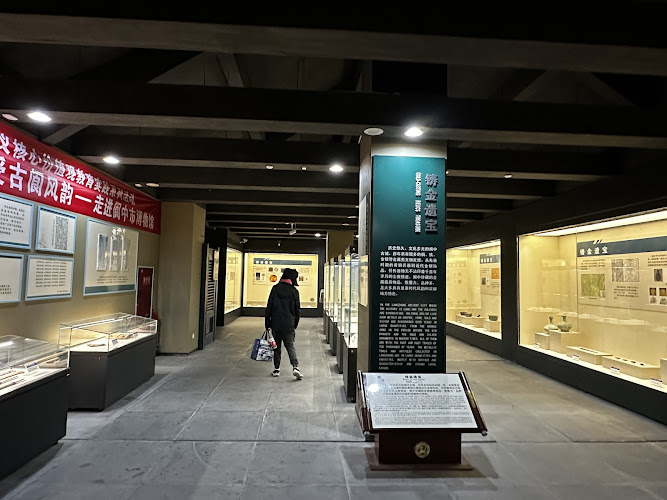
Walking through its courtyards, one can almost sense the weight of history pressing gently on the air. The architecture itself is a lesson in time — wooden beams polished by countless hands, stone pathways that have seen more footsteps than anyone could count. The exhibits are thoughtfully curated, covering everything from the city’s role during the Three Kingdoms period to its evolution as a cultural hub in Sichuan. You’ll find ancient calligraphy, delicate porcelain, and artifacts that once belonged to Langzhong’s scholars and officials. It’s a museum that rewards curiosity; the more you look, the more you find.
What I personally love about this place is how approachable it feels. Even if you’re not a history buff, you’ll find yourself drawn in by the stories. There’s something deeply human about seeing how people lived, worked, and celebrated here centuries ago. And there’s a quiet pride in how the locals maintain it — respectful, but never overly polished. It’s history that still feels alive.
Key Features
- Authentic Architecture: The museum is housed in traditional Sichuan-style buildings, complete with curved roofs and intricate wooden carvings that showcase the craftsmanship of ancient China.
- Three Kingdoms Artifacts: Exhibits highlight Langzhong’s strategic importance during the Three Kingdoms era, including relics linked to the famed general Zhang Fei.
- Cultural Exhibitions: Displays of ancient manuscripts, local costumes, and tools offer a peek into how ordinary people lived in the Sichuan Basin centuries ago.
- Interactive Displays: Some sections include multimedia presentations and hands-on exhibits that bring history to life — great for kids and curious adults alike.
- Family-Friendly Environment: With open spaces and clear signage, it’s easy for families to explore together. The museum even includes areas designed to engage children with storytelling and crafts.
- Accessibility: Wheelchair-accessible restrooms and pathways make it inclusive for visitors with mobility challenges.
- Peaceful Ambience: Despite being located in a popular tourist area, the museum maintains a calm, almost meditative atmosphere — perfect for those who prefer a quieter experience.
Best Time to Visit
If you ask locals, they’ll tell you that spring and autumn are the best times to wander through Langzhong. The weather is mild, the air feels fresh, and the city’s ancient streets are shaded by trees just beginning to bloom or turn golden. Visiting the museum during these seasons means you can explore comfortably without the summer heat or winter chill. Personally, I’d recommend going in the late afternoon — the sunlight slants through the old windows just right, casting warm patterns across the exhibits. It’s one of those moments that makes you pause and think about how many sunsets this place has seen.
That said, if you prefer fewer crowds, weekdays are your best bet. Mornings are usually quiet, giving you time to linger at each display without feeling rushed. During national holidays, the museum can get busy, but even then, there’s a certain charm in seeing families and travelers from across China come together to appreciate their shared heritage.
How to Get There
Reaching Langzhong Museum is fairly straightforward once you’re in Langzhong Ancient City. The city itself is well-connected by road and rail to major hubs like Chengdu, Chongqing, and Nanchong. From Chengdu, it’s roughly a four-hour drive or a high-speed train journey that takes about two and a half hours. Once you arrive in Langzhong, the museum is within walking distance of most major attractions — a nice bonus if you enjoy exploring on foot.
For those staying in the ancient town, you can easily find local taxis or electric carts that take you right to the entrance. It’s also worth noting that the streets around the museum are pedestrian-friendly, so you might want to stroll through the nearby alleys to soak in the atmosphere before heading inside. I’ve walked that route a few times myself — there’s something magical about hearing the faint chatter of shopkeepers and the rhythmic clack of your own footsteps on the old stone streets.
Tips for Visiting
Here’s the thing about visiting Langzhong Museum — it’s not just about ticking off another attraction. It’s about slowing down and letting the place tell its story. So, a few tips from someone who’s been there and learned the hard way:
- Take your time: Don’t rush through the exhibits. There’s a lot of subtle detail that’s easy to miss if you’re moving too fast. Some of the best moments come when you linger and really look.
- Bring a guidebook or hire a local guide: While the displays include English translations, a guide can offer deeper insights and personal stories that make the history come alive.
- Mind the lighting: Photography is usually allowed, but some rooms are dimly lit to protect artifacts. A camera with good low-light performance helps if you want to capture those moody interiors.
- Stay hydrated: There’s a restroom and a small refreshment area nearby, but carrying a bottle of water is always a good idea, especially if you’re exploring the surrounding old town afterward.
- Visit with kids: It’s surprisingly engaging for children — the exhibits are visual, and the staff often organize small cultural activities. My niece still talks about the paper fan she made there.
- Respect the space: Like many historical sites in China, the museum is cherished by locals. Keeping voices low and avoiding flash photography helps preserve its peaceful atmosphere.
- Combine your visit: After the museum, take a walk along the ancient city walls or visit Zhang Fei Temple nearby. It makes for a full, satisfying day of exploration.
And here’s a small personal note — if you happen to visit on a rainy day, don’t be disappointed. The sound of rain on the old tiled roofs adds an almost cinematic touch to the experience. I once found myself sitting in one of the side courtyards, watching raindrops ripple across the stone basin. It was quiet, almost timeless. That’s Langzhong Museum for you — not flashy, not loud, but deeply, quietly beautiful. It’s the kind of place that stays with you long after you’ve left, tucked away in memory like a favorite old photograph.
So, whether you’re a history lover, a curious traveler, or just someone looking for a slower, more reflective travel experience, Langzhong Museum is worth your time. It’s more than just a collection of artifacts — it’s a living story of a city that has seen empires rise and fall, yet still stands gracefully, inviting you to listen.
Key Features
- Key Features
- Best Time to Visit
- How to Get There
- Tips for Visiting
More Details
Updated November 7, 2025
Table of Contents
Description
Langzhong Museum is one of those places that quietly surprises you. It’s not the kind of museum that shouts for attention with flashy lights or modern gimmicks. Instead, it draws you in slowly, like an old storyteller who knows exactly how to hold your attention. Located in the heart of Langzhong Ancient City — one of China’s best-preserved historical towns — this museum feels like a bridge between centuries. It’s where the rhythm of the past still hums beneath the surface, whispering tales of scholars, generals, and everyday life along the Jialing River.
Walking through its courtyards, one can almost sense the weight of history pressing gently on the air. The architecture itself is a lesson in time — wooden beams polished by countless hands, stone pathways that have seen more footsteps than anyone could count. The exhibits are thoughtfully curated, covering everything from the city’s role during the Three Kingdoms period to its evolution as a cultural hub in Sichuan. You’ll find ancient calligraphy, delicate porcelain, and artifacts that once belonged to Langzhong’s scholars and officials. It’s a museum that rewards curiosity; the more you look, the more you find.
What I personally love about this place is how approachable it feels. Even if you’re not a history buff, you’ll find yourself drawn in by the stories. There’s something deeply human about seeing how people lived, worked, and celebrated here centuries ago. And there’s a quiet pride in how the locals maintain it — respectful, but never overly polished. It’s history that still feels alive.
Key Features
- Authentic Architecture: The museum is housed in traditional Sichuan-style buildings, complete with curved roofs and intricate wooden carvings that showcase the craftsmanship of ancient China.
- Three Kingdoms Artifacts: Exhibits highlight Langzhong’s strategic importance during the Three Kingdoms era, including relics linked to the famed general Zhang Fei.
- Cultural Exhibitions: Displays of ancient manuscripts, local costumes, and tools offer a peek into how ordinary people lived in the Sichuan Basin centuries ago.
- Interactive Displays: Some sections include multimedia presentations and hands-on exhibits that bring history to life — great for kids and curious adults alike.
- Family-Friendly Environment: With open spaces and clear signage, it’s easy for families to explore together. The museum even includes areas designed to engage children with storytelling and crafts.
- Accessibility: Wheelchair-accessible restrooms and pathways make it inclusive for visitors with mobility challenges.
- Peaceful Ambience: Despite being located in a popular tourist area, the museum maintains a calm, almost meditative atmosphere — perfect for those who prefer a quieter experience.
Best Time to Visit
If you ask locals, they’ll tell you that spring and autumn are the best times to wander through Langzhong. The weather is mild, the air feels fresh, and the city’s ancient streets are shaded by trees just beginning to bloom or turn golden. Visiting the museum during these seasons means you can explore comfortably without the summer heat or winter chill. Personally, I’d recommend going in the late afternoon — the sunlight slants through the old windows just right, casting warm patterns across the exhibits. It’s one of those moments that makes you pause and think about how many sunsets this place has seen.
That said, if you prefer fewer crowds, weekdays are your best bet. Mornings are usually quiet, giving you time to linger at each display without feeling rushed. During national holidays, the museum can get busy, but even then, there’s a certain charm in seeing families and travelers from across China come together to appreciate their shared heritage.
How to Get There
Reaching Langzhong Museum is fairly straightforward once you’re in Langzhong Ancient City. The city itself is well-connected by road and rail to major hubs like Chengdu, Chongqing, and Nanchong. From Chengdu, it’s roughly a four-hour drive or a high-speed train journey that takes about two and a half hours. Once you arrive in Langzhong, the museum is within walking distance of most major attractions — a nice bonus if you enjoy exploring on foot.
For those staying in the ancient town, you can easily find local taxis or electric carts that take you right to the entrance. It’s also worth noting that the streets around the museum are pedestrian-friendly, so you might want to stroll through the nearby alleys to soak in the atmosphere before heading inside. I’ve walked that route a few times myself — there’s something magical about hearing the faint chatter of shopkeepers and the rhythmic clack of your own footsteps on the old stone streets.
Tips for Visiting
Here’s the thing about visiting Langzhong Museum — it’s not just about ticking off another attraction. It’s about slowing down and letting the place tell its story. So, a few tips from someone who’s been there and learned the hard way:
- Take your time: Don’t rush through the exhibits. There’s a lot of subtle detail that’s easy to miss if you’re moving too fast. Some of the best moments come when you linger and really look.
- Bring a guidebook or hire a local guide: While the displays include English translations, a guide can offer deeper insights and personal stories that make the history come alive.
- Mind the lighting: Photography is usually allowed, but some rooms are dimly lit to protect artifacts. A camera with good low-light performance helps if you want to capture those moody interiors.
- Stay hydrated: There’s a restroom and a small refreshment area nearby, but carrying a bottle of water is always a good idea, especially if you’re exploring the surrounding old town afterward.
- Visit with kids: It’s surprisingly engaging for children — the exhibits are visual, and the staff often organize small cultural activities. My niece still talks about the paper fan she made there.
- Respect the space: Like many historical sites in China, the museum is cherished by locals. Keeping voices low and avoiding flash photography helps preserve its peaceful atmosphere.
- Combine your visit: After the museum, take a walk along the ancient city walls or visit Zhang Fei Temple nearby. It makes for a full, satisfying day of exploration.
And here’s a small personal note — if you happen to visit on a rainy day, don’t be disappointed. The sound of rain on the old tiled roofs adds an almost cinematic touch to the experience. I once found myself sitting in one of the side courtyards, watching raindrops ripple across the stone basin. It was quiet, almost timeless. That’s Langzhong Museum for you — not flashy, not loud, but deeply, quietly beautiful. It’s the kind of place that stays with you long after you’ve left, tucked away in memory like a favorite old photograph.
So, whether you’re a history lover, a curious traveler, or just someone looking for a slower, more reflective travel experience, Langzhong Museum is worth your time. It’s more than just a collection of artifacts — it’s a living story of a city that has seen empires rise and fall, yet still stands gracefully, inviting you to listen.

Key Highlights
- Key Features
- Best Time to Visit
- How to Get There
- Tips for Visiting
Location
Places to Stay Near Langzhong Museum
Find and Book a Tour
Explore More Travel Guides
No reviews found! Be the first to review!
Traveler Reviews for Langzhong Museum
There are no reviews yet. Be the first one to write one.
Have you visited Langzhong Museum? Help other travelers by sharing your review.
Find Accommodations Nearby
Recommended Tours & Activities
Visitor Reviews
There are no reviews yet. Be the first one to write one.
Share Your Experience
Have you visited Langzhong Museum? Help other travelers by leaving a review.