
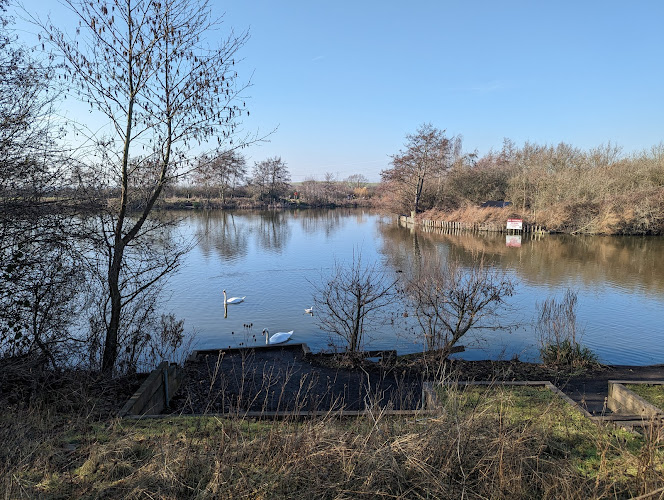
Langdon Nature Discovery Park
About Langdon Nature Discovery Park
Description
Langdon Nature Discovery Park is one of those places that feels bigger than it looks on a map. Spread across 461 acres of woodland, meadows, lakes, and the remnants of old plotland gardens, it’s the kind of spot where you can lose track of time without even trying. It’s managed by the Essex Wildlife Trust, and you can tell they’ve put real thought into keeping it both wild and welcoming. The trails wind through ancient woodlands, some of which burst into a sea of bluebells in spring, and the open meadows hum with bees in summer. There’s a modern visitor centre that’s surprisingly spacious—almost like it’s ready for more people than you’ll usually see there—which makes it feel calm even on busier days.
Now, it’s not perfect. Some folks might say it’s more about quiet walks and natural beauty than big wow moments, but that’s exactly the charm. You won’t find flashy attractions here—unless you count spotting a native orchid in bloom or watching a heron stalk the fishing lake. It’s a place for slowing down, breathing deeply, and maybe even getting a bit muddy if the weather’s been wet. And yes, it’s dog-friendly, so you’ll often meet a few wagging tails along the way. Families with kids tend to love the Peter Rabbit trail, while solo wanderers and photographers can spend hours chasing the changing light through the trees.
Key Features
- 461 acres of varied landscapes including woodland, meadows, lakes, and historic gardens
- Ancient woodlands with seasonal bluebell displays in spring
- Native orchid viewing in spring and summer
- Modern visitor centre with café, toilets, and seating areas
- Fishing lake with peaceful viewing spots
- Kid-friendly trails including the Peter Rabbit walk
- Wheelchair accessible entrances and parking
- Onsite picnic tables and public restrooms
- Dog-friendly walking routes
- Contactless payment options at the visitor centre
Best Time to Visit
Each season here has its own little magic. Spring is probably the most photogenic, thanks to the bluebells and orchids—honestly, the scent alone is worth the trip. Summer brings longer days and a buzzing meadow life, though you might want to start early before the midday heat kicks in. Autumn is underrated; the woodlands turn all shades of gold and copper, and the air gets that crisp, earthy smell that makes you want to walk just a bit further. Winter can be quiet and stark, but if you’re into peaceful, frost-tipped mornings, you’ll have most of the park to yourself. Personally, I think early morning visits year-round are the sweet spot—you get the soft light, fewer people, and a better chance of spotting wildlife.
How to Get There
Reaching Langdon Nature Discovery Park is straightforward whether you’re driving or using public transport. For drivers, there’s a decent-sized car park right by the visitor centre, and it’s set up for wheelchair access too. If you’re coming by train, the nearest stations connect to local bus routes that drop you within walking distance of the park entrance. Cyclists will find it a pleasant ride through the surrounding countryside—just be prepared for a few hills if you’re coming from certain directions. And if you’re the type who likes to combine a walk with your arrival, there are footpaths linking in from nearby villages.
Tips for Visiting
First off, wear good shoes. Even in summer, some trails can get muddy thanks to the shaded woodland areas. If you’re bringing kids, the Peter Rabbit trail is a hit, but pack snacks—while the café is great, it’s nice to have something on hand mid-walk. Dog owners should bring a lead for certain sections, as there’s wildlife and occasional grazing livestock. Photographers might want to bring a macro lens in spring for the wildflowers, and binoculars any time of year for birdwatching. Also, don’t underestimate the weather here; a sunny forecast can still mean a chilly breeze by the lake. Finally, give yourself more time than you think you’ll need—what looks like a quick loop on the map can turn into hours once you start exploring all the side paths and viewpoints.
Key Features
- 461 acres of varied landscapes including woodland, meadows, lakes, and historic gardens
- Ancient woodlands with seasonal bluebell displays in spring
- Native orchid viewing in spring and summer
- Modern visitor centre with café, toilets, and seating areas
- Fishing lake with peaceful viewing spots
- Kid-friendly trails including the Peter Rabbit walk
- Wheelchair accessible entrances and parking
- Onsite picnic tables and public restrooms
More Details
Updated August 10, 2025
Table of Contents
Description
Langdon Nature Discovery Park is one of those places that feels bigger than it looks on a map. Spread across 461 acres of woodland, meadows, lakes, and the remnants of old plotland gardens, it’s the kind of spot where you can lose track of time without even trying. It’s managed by the Essex Wildlife Trust, and you can tell they’ve put real thought into keeping it both wild and welcoming. The trails wind through ancient woodlands, some of which burst into a sea of bluebells in spring, and the open meadows hum with bees in summer. There’s a modern visitor centre that’s surprisingly spacious—almost like it’s ready for more people than you’ll usually see there—which makes it feel calm even on busier days.
Now, it’s not perfect. Some folks might say it’s more about quiet walks and natural beauty than big wow moments, but that’s exactly the charm. You won’t find flashy attractions here—unless you count spotting a native orchid in bloom or watching a heron stalk the fishing lake. It’s a place for slowing down, breathing deeply, and maybe even getting a bit muddy if the weather’s been wet. And yes, it’s dog-friendly, so you’ll often meet a few wagging tails along the way. Families with kids tend to love the Peter Rabbit trail, while solo wanderers and photographers can spend hours chasing the changing light through the trees.
Key Features
- 461 acres of varied landscapes including woodland, meadows, lakes, and historic gardens
- Ancient woodlands with seasonal bluebell displays in spring
- Native orchid viewing in spring and summer
- Modern visitor centre with café, toilets, and seating areas
- Fishing lake with peaceful viewing spots
- Kid-friendly trails including the Peter Rabbit walk
- Wheelchair accessible entrances and parking
- Onsite picnic tables and public restrooms
- Dog-friendly walking routes
- Contactless payment options at the visitor centre
Best Time to Visit
Each season here has its own little magic. Spring is probably the most photogenic, thanks to the bluebells and orchids—honestly, the scent alone is worth the trip. Summer brings longer days and a buzzing meadow life, though you might want to start early before the midday heat kicks in. Autumn is underrated; the woodlands turn all shades of gold and copper, and the air gets that crisp, earthy smell that makes you want to walk just a bit further. Winter can be quiet and stark, but if you’re into peaceful, frost-tipped mornings, you’ll have most of the park to yourself. Personally, I think early morning visits year-round are the sweet spot—you get the soft light, fewer people, and a better chance of spotting wildlife.
How to Get There
Reaching Langdon Nature Discovery Park is straightforward whether you’re driving or using public transport. For drivers, there’s a decent-sized car park right by the visitor centre, and it’s set up for wheelchair access too. If you’re coming by train, the nearest stations connect to local bus routes that drop you within walking distance of the park entrance. Cyclists will find it a pleasant ride through the surrounding countryside—just be prepared for a few hills if you’re coming from certain directions. And if you’re the type who likes to combine a walk with your arrival, there are footpaths linking in from nearby villages.
Tips for Visiting
First off, wear good shoes. Even in summer, some trails can get muddy thanks to the shaded woodland areas. If you’re bringing kids, the Peter Rabbit trail is a hit, but pack snacks—while the café is great, it’s nice to have something on hand mid-walk. Dog owners should bring a lead for certain sections, as there’s wildlife and occasional grazing livestock. Photographers might want to bring a macro lens in spring for the wildflowers, and binoculars any time of year for birdwatching. Also, don’t underestimate the weather here; a sunny forecast can still mean a chilly breeze by the lake. Finally, give yourself more time than you think you’ll need—what looks like a quick loop on the map can turn into hours once you start exploring all the side paths and viewpoints.
Key Highlights
- 461 acres of varied landscapes including woodland, meadows, lakes, and historic gardens
- Ancient woodlands with seasonal bluebell displays in spring
- Native orchid viewing in spring and summer
- Modern visitor centre with café, toilets, and seating areas
- Fishing lake with peaceful viewing spots
- Kid-friendly trails including the Peter Rabbit walk
- Wheelchair accessible entrances and parking
- Onsite picnic tables and public restrooms
Location
Places to Stay Near Langdon Nature Discovery Park
Find and Book a Tour
Explore More Travel Guides
No reviews found! Be the first to review!
Traveler Reviews for Langdon Nature Discovery Park
There are no reviews yet. Be the first one to write one.
Have you visited Langdon Nature Discovery Park? Help other travelers by sharing your review.
You Might Also Like
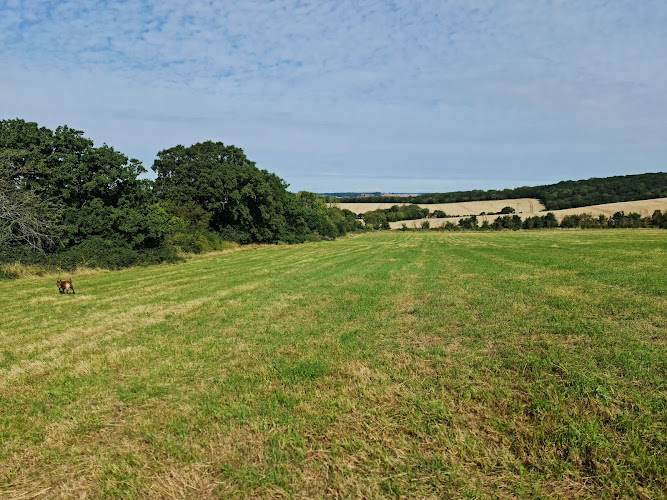
Langdon Hill Country Park
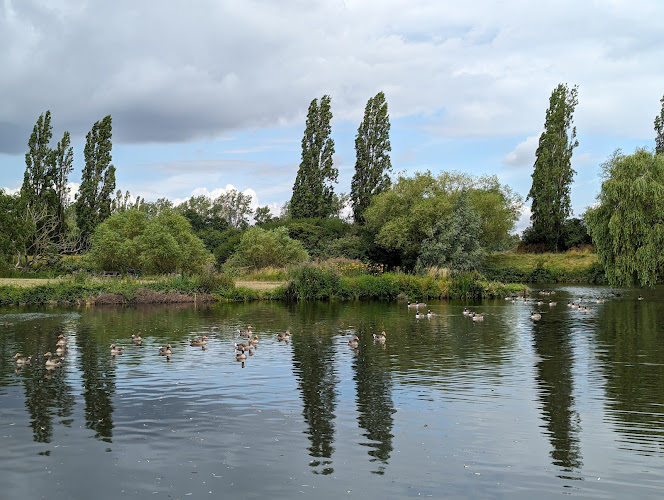
Gloucester Park
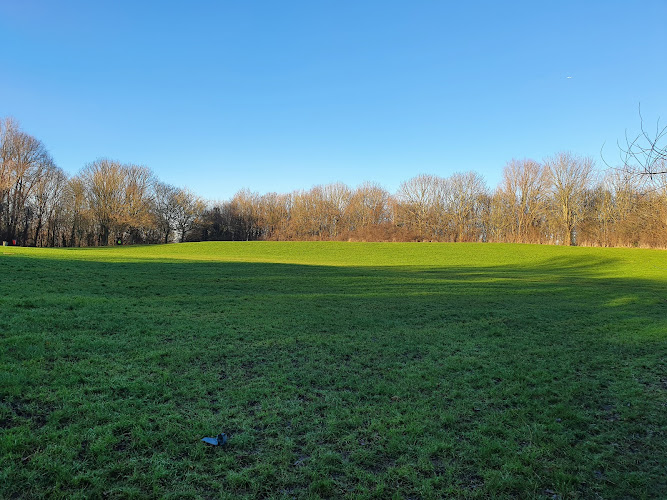
Northlands park
Find Accommodations Nearby
Recommended Tours & Activities
Visitor Reviews
There are no reviews yet. Be the first one to write one.
Share Your Experience
Have you visited Langdon Nature Discovery Park? Help other travelers by leaving a review.