
La paillote
About La paillote
Description
La Paillote stands as a remarkable art center that transforms the traditional gallery experience into something genuinely accessible and welcoming. Unlike those intimidating white-walled spaces where you whisper and feel judged for not "getting" the art, this center creates an atmosphere where creativity flows naturally and visitors actually want to linger.
The name itself—"La Paillote"—hints at the rustic, unpretentious charm that defines this cultural gem. And honestly, that's exactly what draws people in. The space showcases contemporary works alongside traditional pieces, creating conversations between different artistic movements that you won't find in more conventional venues. Artists here aren't afraid to experiment, and neither should visitors be afraid to engage with pieces that challenge their perspectives.
What really sets La Paillote apart is how it handles accessibility. Every entrance, parking area, restroom, and seating arrangement has been thoughtfully designed for wheelchair users. But accessibility here goes beyond physical accommodations—the entire approach to presenting art feels inclusive. Staff members genuinely enjoy discussing the pieces with visitors, regardless of their art background or expertise level.
The center regularly rotates exhibitions, so repeat visitors always discover something new. Local artists get significant representation here, which means travelers experience authentic regional artistic expression rather than generic international touring shows. This focus on local talent creates a more intimate connection between the artwork and the surrounding community.
Key Features
La Paillote offers several distinctive features that enhance the visitor experience:
- Fully accessible facilities - Complete wheelchair accessibility throughout all areas including specialized seating arrangements
- Rotating local artist exhibitions - Fresh displays featuring regional talent that changes seasonally
- Interactive workshop spaces - Hands-on areas where visitors can try artistic techniques demonstrated in current exhibitions
- Multilingual information materials - Exhibition descriptions and guides available in multiple languages for international travelers
- Photography-friendly policies - Most areas welcome personal photography, allowing visitors to capture memories of favorite pieces
- Comfortable seating areas - Strategically placed benches and chairs for contemplating artwork without rushing
- Expert-led discussions - Regular informal talks with artists and curators that don't require advance booking
- Climate-controlled environment - Consistent temperature and humidity levels that protect artwork while keeping visitors comfortable
Best Time to Visit
Timing your visit to La Paillote can significantly impact your experience, and frankly, most travel guides get this wrong by focusing only on weather patterns. The art center operates year-round, but certain periods offer distinct advantages for different types of travelers.
Spring months from March through May provide the ideal combination of mild weather and fresh exhibition installations. Many artists prefer launching new works during this period, coinciding with renewed energy after winter. Crowds remain manageable, and you'll have more opportunities for meaningful conversations with staff and occasionally even the artists themselves.
Summer brings increased tourist traffic, which has both advantages and drawbacks. While you'll encounter more people, this also means more scheduled events, extended hours, and additional programming like evening artist talks or outdoor installations. If you don't mind sharing the space with other visitors, summer offers the richest variety of experiences.
Fall presents perhaps the most authentic atmosphere. Tourist numbers decrease significantly after September, creating a more contemplative environment. The center often schedules its most experimental or challenging exhibitions during this period, knowing they'll attract more serious art enthusiasts rather than casual browsers.
Winter visits offer a completely different character. The center feels more intimate, almost cozy. Staff members have more time to engage with individual visitors, and you might find yourself having extended discussions about particular pieces or artistic movements. However, check ahead for any seasonal hour reductions or temporary closures for exhibition changes.
Weekday mornings consistently provide the most peaceful experience regardless of season. Arriving within the first two hours of opening ensures you'll have galleries largely to yourself, perfect for photography or quiet reflection.
How to Get There
Getting to La Paillote requires some planning, but the journey becomes part of the overall experience rather than just a necessary inconvenience. The art center's location offers multiple transportation options, though some work better than others depending on your travel style and mobility needs.
Public transportation serves the area reasonably well, with regular bus connections from major urban centers. The route involves approximately 45 minutes of travel time, but buses run frequently during peak hours. Purchase tickets in advance if possible—local transit systems sometimes run short on change, especially during tourist season.
Driving provides the most flexibility and convenience, particularly for visitors with mobility concerns or those planning to explore other regional attractions. The parking situation deserves special mention because it's genuinely well-designed. Accessible parking spaces sit close to the main entrance, and regular spots offer adequate space for larger vehicles or rental cars unfamiliar to drivers.
Taxi services operate in the area, though availability can be unpredictable during peak tourist periods. Ride-sharing apps work sporadically depending on local driver participation, so don't rely solely on these options. If you do use taxi services, ask the driver to wait briefly while you confirm the center's hours—nothing worse than arriving to find an unexpected closure.
For adventurous travelers, bicycle routes connect to La Paillote through scenic paths that showcase the surrounding landscape. Local bike rental shops provide maps highlighting the safest routes, though these paths aren't suitable for all fitness levels or mobility situations.
Walking from nearby accommodations remains feasible for moderately fit travelers, typically requiring 20-30 minutes depending on your starting point. The route passes through interesting neighborhoods that offer glimpses into local daily life beyond the tourist zones.
Tips for Visiting
Making the most of your La Paillote experience involves some insider knowledge that regular travel resources rarely share. After spending considerable time observing how different visitors approach the space, certain strategies consistently lead to more rewarding experiences.
Arrive with realistic time expectations. Most people underestimate how long they'll want to stay once they start engaging with the artwork. Plan at least two hours for a thorough visit, though many travelers end up staying longer. Don't pack your schedule too tightly afterward—you might discover a piece that demands extended contemplation.
Bring a small notebook or use your phone's note app to record thoughts about specific pieces. This isn't about being academic or pretentious; it's about remembering what resonated with you weeks later when you're back home. Trust me, those profound moments of connection with artwork fade surprisingly quickly without some kind of record.
Engage with staff members beyond basic questions about directions or facilities. These people genuinely love discussing art and often possess fascinating insights about individual pieces or artists. Don't worry about sounding unknowledgeable—enthusiasm matters more than expertise in these conversations.
Photography policies at La Paillote are generally permissive, but ask before photographing specific pieces. Some temporary exhibitions may have restrictions, and showing courtesy by asking demonstrates respect for both the artwork and other visitors. Flash photography usually isn't allowed, so adjust your camera settings accordingly.
Consider visiting during exhibition opening events if your timing allows. These gatherings offer opportunities to meet artists, hear firsthand explanations of their work, and mingle with local art enthusiasts. The atmosphere during openings differs completely from regular visiting hours.
Dress comfortably but avoid wearing clothing that might brush against artwork. Museum security everywhere gets nervous about loose scarves, large bags, or dangly jewelry near valuable pieces. Comfortable shoes are essential since you'll be standing and walking on various floor surfaces.
Check weather conditions before visiting, not just for travel comfort but because natural lighting affects how certain artworks appear. Overcast days can actually enhance viewing conditions for some pieces by providing consistent, diffused light through windows.
Don't feel obligated to appreciate every single piece on display. Art centers like La Paillote showcase diverse styles and mediums specifically so different works will resonate with different people. Spend more time with pieces that genuinely interest you rather than rushing through everything just to say you saw it all.
Key Features
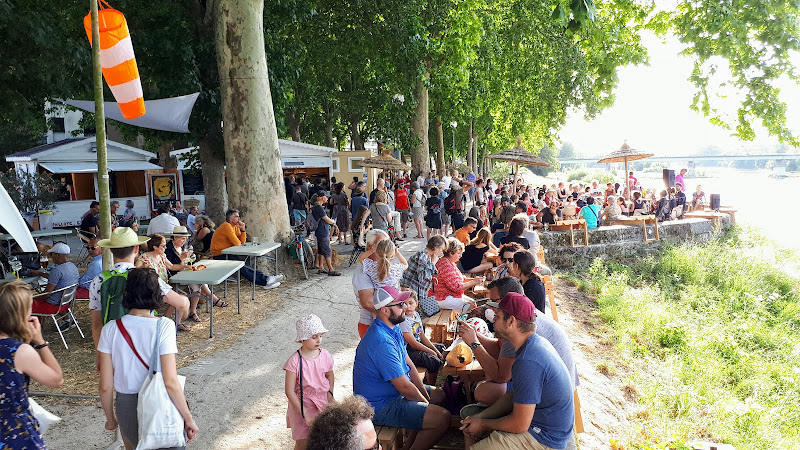
- Open-air cultural program with live music, theatre and cinema
- Rotating visual arts exhibitions and artist workshops
- Riverside setting on Quai de Prague with views of the Loire
- On-site casual food and drink service creating a festival atmosphere
- Family-friendly public games and relaxation areas
More Details
Updated September 14, 2025
Table of Contents
Description
La Paillote stands as a remarkable art center that transforms the traditional gallery experience into something genuinely accessible and welcoming. Unlike those intimidating white-walled spaces where you whisper and feel judged for not “getting” the art, this center creates an atmosphere where creativity flows naturally and visitors actually want to linger.
The name itself—”La Paillote”—hints at the rustic, unpretentious charm that defines this cultural gem. And honestly, that’s exactly what draws people in. The space showcases contemporary works alongside traditional pieces, creating conversations between different artistic movements that you won’t find in more conventional venues. Artists here aren’t afraid to experiment, and neither should visitors be afraid to engage with pieces that challenge their perspectives.
What really sets La Paillote apart is how it handles accessibility. Every entrance, parking area, restroom, and seating arrangement has been thoughtfully designed for wheelchair users. But accessibility here goes beyond physical accommodations—the entire approach to presenting art feels inclusive. Staff members genuinely enjoy discussing the pieces with visitors, regardless of their art background or expertise level.
The center regularly rotates exhibitions, so repeat visitors always discover something new. Local artists get significant representation here, which means travelers experience authentic regional artistic expression rather than generic international touring shows. This focus on local talent creates a more intimate connection between the artwork and the surrounding community.
Key Features
La Paillote offers several distinctive features that enhance the visitor experience:
- Fully accessible facilities – Complete wheelchair accessibility throughout all areas including specialized seating arrangements
- Rotating local artist exhibitions – Fresh displays featuring regional talent that changes seasonally
- Interactive workshop spaces – Hands-on areas where visitors can try artistic techniques demonstrated in current exhibitions
- Multilingual information materials – Exhibition descriptions and guides available in multiple languages for international travelers
- Photography-friendly policies – Most areas welcome personal photography, allowing visitors to capture memories of favorite pieces
- Comfortable seating areas – Strategically placed benches and chairs for contemplating artwork without rushing
- Expert-led discussions – Regular informal talks with artists and curators that don’t require advance booking
- Climate-controlled environment – Consistent temperature and humidity levels that protect artwork while keeping visitors comfortable
Best Time to Visit
Timing your visit to La Paillote can significantly impact your experience, and frankly, most travel guides get this wrong by focusing only on weather patterns. The art center operates year-round, but certain periods offer distinct advantages for different types of travelers.
Spring months from March through May provide the ideal combination of mild weather and fresh exhibition installations. Many artists prefer launching new works during this period, coinciding with renewed energy after winter. Crowds remain manageable, and you’ll have more opportunities for meaningful conversations with staff and occasionally even the artists themselves.
Summer brings increased tourist traffic, which has both advantages and drawbacks. While you’ll encounter more people, this also means more scheduled events, extended hours, and additional programming like evening artist talks or outdoor installations. If you don’t mind sharing the space with other visitors, summer offers the richest variety of experiences.
Fall presents perhaps the most authentic atmosphere. Tourist numbers decrease significantly after September, creating a more contemplative environment. The center often schedules its most experimental or challenging exhibitions during this period, knowing they’ll attract more serious art enthusiasts rather than casual browsers.
Winter visits offer a completely different character. The center feels more intimate, almost cozy. Staff members have more time to engage with individual visitors, and you might find yourself having extended discussions about particular pieces or artistic movements. However, check ahead for any seasonal hour reductions or temporary closures for exhibition changes.
Weekday mornings consistently provide the most peaceful experience regardless of season. Arriving within the first two hours of opening ensures you’ll have galleries largely to yourself, perfect for photography or quiet reflection.
How to Get There
Getting to La Paillote requires some planning, but the journey becomes part of the overall experience rather than just a necessary inconvenience. The art center’s location offers multiple transportation options, though some work better than others depending on your travel style and mobility needs.
Public transportation serves the area reasonably well, with regular bus connections from major urban centers. The route involves approximately 45 minutes of travel time, but buses run frequently during peak hours. Purchase tickets in advance if possible—local transit systems sometimes run short on change, especially during tourist season.
Driving provides the most flexibility and convenience, particularly for visitors with mobility concerns or those planning to explore other regional attractions. The parking situation deserves special mention because it’s genuinely well-designed. Accessible parking spaces sit close to the main entrance, and regular spots offer adequate space for larger vehicles or rental cars unfamiliar to drivers.
Taxi services operate in the area, though availability can be unpredictable during peak tourist periods. Ride-sharing apps work sporadically depending on local driver participation, so don’t rely solely on these options. If you do use taxi services, ask the driver to wait briefly while you confirm the center’s hours—nothing worse than arriving to find an unexpected closure.
For adventurous travelers, bicycle routes connect to La Paillote through scenic paths that showcase the surrounding landscape. Local bike rental shops provide maps highlighting the safest routes, though these paths aren’t suitable for all fitness levels or mobility situations.
Walking from nearby accommodations remains feasible for moderately fit travelers, typically requiring 20-30 minutes depending on your starting point. The route passes through interesting neighborhoods that offer glimpses into local daily life beyond the tourist zones.
Tips for Visiting
Making the most of your La Paillote experience involves some insider knowledge that regular travel resources rarely share. After spending considerable time observing how different visitors approach the space, certain strategies consistently lead to more rewarding experiences.
Arrive with realistic time expectations. Most people underestimate how long they’ll want to stay once they start engaging with the artwork. Plan at least two hours for a thorough visit, though many travelers end up staying longer. Don’t pack your schedule too tightly afterward—you might discover a piece that demands extended contemplation.
Bring a small notebook or use your phone’s note app to record thoughts about specific pieces. This isn’t about being academic or pretentious; it’s about remembering what resonated with you weeks later when you’re back home. Trust me, those profound moments of connection with artwork fade surprisingly quickly without some kind of record.
Engage with staff members beyond basic questions about directions or facilities. These people genuinely love discussing art and often possess fascinating insights about individual pieces or artists. Don’t worry about sounding unknowledgeable—enthusiasm matters more than expertise in these conversations.
Photography policies at La Paillote are generally permissive, but ask before photographing specific pieces. Some temporary exhibitions may have restrictions, and showing courtesy by asking demonstrates respect for both the artwork and other visitors. Flash photography usually isn’t allowed, so adjust your camera settings accordingly.
Consider visiting during exhibition opening events if your timing allows. These gatherings offer opportunities to meet artists, hear firsthand explanations of their work, and mingle with local art enthusiasts. The atmosphere during openings differs completely from regular visiting hours.
Dress comfortably but avoid wearing clothing that might brush against artwork. Museum security everywhere gets nervous about loose scarves, large bags, or dangly jewelry near valuable pieces. Comfortable shoes are essential since you’ll be standing and walking on various floor surfaces.
Check weather conditions before visiting, not just for travel comfort but because natural lighting affects how certain artworks appear. Overcast days can actually enhance viewing conditions for some pieces by providing consistent, diffused light through windows.
Don’t feel obligated to appreciate every single piece on display. Art centers like La Paillote showcase diverse styles and mediums specifically so different works will resonate with different people. Spend more time with pieces that genuinely interest you rather than rushing through everything just to say you saw it all.
Key Highlights
- Open-air cultural program with live music, theatre and cinema
- Rotating visual arts exhibitions and artist workshops
- Riverside setting on Quai de Prague with views of the Loire
- On-site casual food and drink service creating a festival atmosphere
- Family-friendly public games and relaxation areas
Location
Places to Stay Near La paillote
Find and Book a Tour
Explore More Travel Guides
No reviews found! Be the first to review!
Traveler Reviews for La paillote
There are no reviews yet. Be the first one to write one.
Have you visited La paillote? Help other travelers by sharing your review.
Nearby Attractions
You Might Also Like
Find Accommodations Nearby
Recommended Tours & Activities
Visitor Reviews
There are no reviews yet. Be the first one to write one.
Share Your Experience
Have you visited La paillote? Help other travelers by leaving a review.