
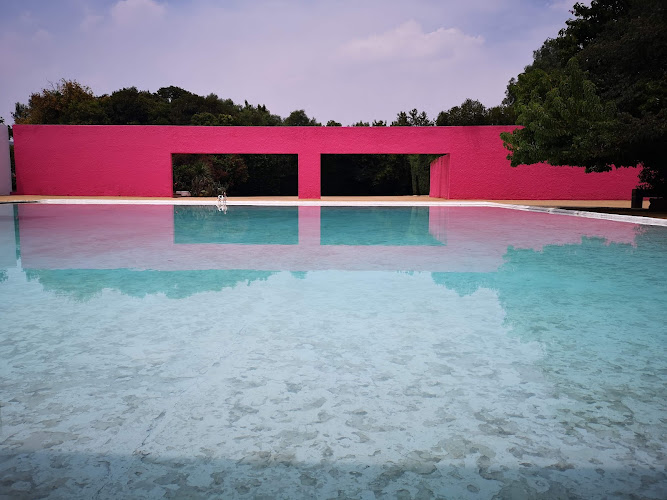
La Cuadra
About La Cuadra
Description
La Cuadra stands as one of those art museums that somehow manages to feel both architecturally impressive and intimately approachable at the same time. When travelers first encounter this space, there's usually a moment of appreciation for how the building itself becomes part of the artistic experience. The architecture doesn't just house the art—it converses with it, creating this interplay between structure and creativity that honestly makes you stop and look around before you even get to the first exhibition. The museum has earned its reputation as a significant tourist attraction, and after spending time there, it becomes clear why visitors keep coming back. There's something about walking through galleries where contemporary art meets thoughtful curation that makes you reconsider what you thought you knew about artistic expression. I've always believed that the best museums don't just show you art—they change how you see the world around you for at least a few days afterward. La Cuadra manages to do exactly that. What really strikes visitors is how the space manages to feel both grand and personal. You'll find yourself in rooms where natural light plays across carefully positioned pieces, creating shadows and highlights that shift throughout the day. The architectural elements—exposed beams, carefully considered sight lines, deliberate use of space—all contribute to an atmosphere where art can breathe. And honestly, that's not something every museum achieves, even the famous ones. The collection itself reflects a commitment to showcasing diverse artistic voices and perspectives. You're not walking through room after room of the same aesthetic repeated endlessly. Instead, there's this thoughtful progression through different styles, mediums, and cultural influences that keeps you engaged. Some pieces will speak to you immediately, while others might take a bit longer to reveal their depth. That's part of the journey here.Key Features
La Cuadra offers several distinctive characteristics that set it apart from other cultural destinations:- Architecturally significant building that serves as both container and context for the artwork displayed within its walls
- Carefully curated art collection featuring contemporary works alongside rotating exhibitions that keep the experience fresh for repeat visitors
- Thoughtfully designed gallery spaces that utilize natural lighting to enhance the viewing experience throughout different times of day
- Intimate scale that allows for genuine engagement with individual pieces without the overwhelming crowds found at larger institutions
- Exhibition programming that balances accessibility for casual visitors with depth that satisfies serious art enthusiasts
- Architectural details that reward careful observation, from structural elements to spatial relationships between different gallery areas
- Advance ticket booking system that helps manage visitor flow and ensures a more contemplative viewing environment
- Mix of permanent installations and temporary exhibitions that provide reasons to return multiple times throughout the year
- Educational materials and interpretive information that enhance understanding without becoming intrusive or overly academic
- Photography opportunities both inside and outside the building for those who appreciate architectural and artistic documentation
Best Time to Visit
Timing your visit to La Cuadra can genuinely transform your experience. Weekday mornings, particularly Tuesday through Thursday, offer the quietest galleries and the best opportunity to spend unhurried time with individual pieces. There's something almost meditative about having a room mostly to yourself, where the only sounds are your footsteps and maybe the hushed conversation of one or two other visitors in the distance. Early afternoon can bring slightly more foot traffic, but it's rarely overwhelming. The light changes throughout the day affect how you perceive certain works, so art photographers and those particularly interested in the interplay between natural illumination and displayed pieces might want to visit during different times to catch various moods. Weekend visits tend to attract more tourists and local visitors alike, which isn't necessarily negative—sometimes the energy of other people engaging with art adds to the experience. But if you're someone who prefers quiet contemplation, Saturday and Sunday afternoons might test your patience a bit. Weekend mornings right when they open offer a compromise between accessibility and crowd levels. Season-wise, consider that summer months often bring increased tourism overall, though La Cuadra never reaches the crushing crowds you'd find at major metropolitan museums. Spring and fall offer pleasant weather for appreciating the building's exterior architecture before or after your visit, and winter provides that cozy sense of finding refuge in a culturally enriching indoor space. Special exhibitions and opening nights draw different crowds entirely. If you're someone who enjoys the social aspect of art viewing—the conversations, the energy, the collective experience of discovering new work—these events offer something distinct from a standard daytime visit. Check their programming schedule when planning, because a major exhibition opening might mean either an exciting atmosphere or longer wait times, depending on what you're seeking.How to Get There
Getting to La Cuadra requires a bit of planning, but it's part of the adventure. Most travelers find that combining their museum visit with exploration of the surrounding area makes for a more complete day trip or afternoon excursion. If you're driving, parking situations vary depending on when you arrive and what's happening in the surrounding neighborhood. Arriving early definitely helps, and honestly, giving yourself an extra fifteen minutes to find a spot and walk a bit will save you the stress of rushing. I've learned that trying to time museum visits down to the exact minute just creates unnecessary anxiety. Public transportation offers a reliable alternative, though you'll want to check current schedules and routes since these can shift. The walk from the nearest transit stops to the museum itself is manageable for most visitors and lets you get a feel for the neighborhood context. Sometimes those transitional moments between transportation and destination reveal unexpected discoveries—a interesting storefront, a architectural detail you might have otherwise missed. Taxi or rideshare services work well for those preferring door-to-door convenience, though be aware that traffic patterns during peak hours might extend your journey time. Having the specific location saved in your phone beforehand eliminates any confusion about where exactly you're headed. For international visitors or those coming from farther distances, La Cuadra makes a worthwhile destination to build a day or weekend trip around. The surrounding area offers dining options, other cultural attractions, and the kind of walkable streets that reward aimless wandering after you've finished at the museum.Tips for Visiting
Getting tickets in advance isn't just recommended—it's genuinely smart planning that will improve your entire experience. Nothing deflates that anticipation quite like arriving ready to immerse yourself in art only to find you'll need to wait or potentially visit another day entirely. Booking ahead takes five minutes and eliminates that particular stress entirely. Comfortable walking shoes matter more than you might initially think. Even though La Cuadra isn't massive, you'll likely spend anywhere from one to three hours on your feet, moving between galleries, stepping closer to examine details, backing up to take in larger pieces from proper viewing distances. Your feet will thank you for prioritizing comfort over style. Bring water, but check policies about food and drink in gallery spaces. Most museums have designated areas for refreshments, and staying hydrated helps maintain focus and energy throughout your visit. I've made the mistake before of pushing through entire museums without a water break, and by the end, I'm not really seeing the art anymore—I'm just thinking about finding something to drink. Photography policies deserve attention before you start snapping pictures. Some exhibitions allow photography without flash, while others restrict it entirely. Nothing marks you as an inconsiderate visitor quite like repeatedly having staff remind you about camera policies. Just check once, remember the rules, and then you can focus on the actual experience. Take your time. Seriously. Museum fatigue is real, and trying to carefully examine every single piece in rapid succession leads to that glazed-over feeling where nothing registers anymore. It's perfectly fine to move past works that don't immediately capture your interest. You're not taking a test—you're supposed to enjoy yourself. Consider visiting the same exhibition twice if something really resonates with you. Your perspective shifts between viewings, and pieces you barely noticed the first time might suddenly reveal new dimensions. Plus, advance tickets sometimes offer flexibility for return visits. Engage with any interactive elements or interpretive materials the museum provides. QR codes, audio guides, or written descriptions often contain insights that deepen understanding without requiring an art history degree to appreciate. But don't let them replace simply looking at and reacting to the work itself. Check what temporary exhibitions are currently showing before your visit. La Cuadra's rotating programming means the experience varies throughout the year, and knowing what's on display helps set appropriate expectations and interests. Finally, leave time after your visit to just sit for a minute, maybe grab a coffee nearby, and let the experience settle. There's this tendency to rush from attraction to attraction, checking boxes on an itinerary, but art benefits from a little breathing room after viewing. Give yourself that space to reflect on what you saw and felt. Those quiet moments afterward often become when the real impact of the visit fully registers.Key Features
- Luis Barragán–designed estate with original architectural elements
- Walled compound with gardens, courtyards and equestrian spaces
- Rotating contemporary art and architecture exhibitions
- Photogenic color-rich surfaces and framed vistas
- Cultural programming and guided visits that contextualize the site
More Details
Updated March 30, 2026
Table of Contents
Description
La Cuadra stands as one of those art museums that somehow manages to feel both architecturally impressive and intimately approachable at the same time. When travelers first encounter this space, there’s usually a moment of appreciation for how the building itself becomes part of the artistic experience. The architecture doesn’t just house the art—it converses with it, creating this interplay between structure and creativity that honestly makes you stop and look around before you even get to the first exhibition.
The museum has earned its reputation as a significant tourist attraction, and after spending time there, it becomes clear why visitors keep coming back. There’s something about walking through galleries where contemporary art meets thoughtful curation that makes you reconsider what you thought you knew about artistic expression. I’ve always believed that the best museums don’t just show you art—they change how you see the world around you for at least a few days afterward. La Cuadra manages to do exactly that.
What really strikes visitors is how the space manages to feel both grand and personal. You’ll find yourself in rooms where natural light plays across carefully positioned pieces, creating shadows and highlights that shift throughout the day. The architectural elements—exposed beams, carefully considered sight lines, deliberate use of space—all contribute to an atmosphere where art can breathe. And honestly, that’s not something every museum achieves, even the famous ones.
The collection itself reflects a commitment to showcasing diverse artistic voices and perspectives. You’re not walking through room after room of the same aesthetic repeated endlessly. Instead, there’s this thoughtful progression through different styles, mediums, and cultural influences that keeps you engaged. Some pieces will speak to you immediately, while others might take a bit longer to reveal their depth. That’s part of the journey here.
Key Features
La Cuadra offers several distinctive characteristics that set it apart from other cultural destinations:
- Architecturally significant building that serves as both container and context for the artwork displayed within its walls
- Carefully curated art collection featuring contemporary works alongside rotating exhibitions that keep the experience fresh for repeat visitors
- Thoughtfully designed gallery spaces that utilize natural lighting to enhance the viewing experience throughout different times of day
- Intimate scale that allows for genuine engagement with individual pieces without the overwhelming crowds found at larger institutions
- Exhibition programming that balances accessibility for casual visitors with depth that satisfies serious art enthusiasts
- Architectural details that reward careful observation, from structural elements to spatial relationships between different gallery areas
- Advance ticket booking system that helps manage visitor flow and ensures a more contemplative viewing environment
- Mix of permanent installations and temporary exhibitions that provide reasons to return multiple times throughout the year
- Educational materials and interpretive information that enhance understanding without becoming intrusive or overly academic
- Photography opportunities both inside and outside the building for those who appreciate architectural and artistic documentation
Best Time to Visit
Timing your visit to La Cuadra can genuinely transform your experience. Weekday mornings, particularly Tuesday through Thursday, offer the quietest galleries and the best opportunity to spend unhurried time with individual pieces. There’s something almost meditative about having a room mostly to yourself, where the only sounds are your footsteps and maybe the hushed conversation of one or two other visitors in the distance.
Early afternoon can bring slightly more foot traffic, but it’s rarely overwhelming. The light changes throughout the day affect how you perceive certain works, so art photographers and those particularly interested in the interplay between natural illumination and displayed pieces might want to visit during different times to catch various moods.
Weekend visits tend to attract more tourists and local visitors alike, which isn’t necessarily negative—sometimes the energy of other people engaging with art adds to the experience. But if you’re someone who prefers quiet contemplation, Saturday and Sunday afternoons might test your patience a bit. Weekend mornings right when they open offer a compromise between accessibility and crowd levels.
Season-wise, consider that summer months often bring increased tourism overall, though La Cuadra never reaches the crushing crowds you’d find at major metropolitan museums. Spring and fall offer pleasant weather for appreciating the building’s exterior architecture before or after your visit, and winter provides that cozy sense of finding refuge in a culturally enriching indoor space.
Special exhibitions and opening nights draw different crowds entirely. If you’re someone who enjoys the social aspect of art viewing—the conversations, the energy, the collective experience of discovering new work—these events offer something distinct from a standard daytime visit. Check their programming schedule when planning, because a major exhibition opening might mean either an exciting atmosphere or longer wait times, depending on what you’re seeking.
How to Get There
Getting to La Cuadra requires a bit of planning, but it’s part of the adventure. Most travelers find that combining their museum visit with exploration of the surrounding area makes for a more complete day trip or afternoon excursion.
If you’re driving, parking situations vary depending on when you arrive and what’s happening in the surrounding neighborhood. Arriving early definitely helps, and honestly, giving yourself an extra fifteen minutes to find a spot and walk a bit will save you the stress of rushing. I’ve learned that trying to time museum visits down to the exact minute just creates unnecessary anxiety.
Public transportation offers a reliable alternative, though you’ll want to check current schedules and routes since these can shift. The walk from the nearest transit stops to the museum itself is manageable for most visitors and lets you get a feel for the neighborhood context. Sometimes those transitional moments between transportation and destination reveal unexpected discoveries—a interesting storefront, a architectural detail you might have otherwise missed.
Taxi or rideshare services work well for those preferring door-to-door convenience, though be aware that traffic patterns during peak hours might extend your journey time. Having the specific location saved in your phone beforehand eliminates any confusion about where exactly you’re headed.
For international visitors or those coming from farther distances, La Cuadra makes a worthwhile destination to build a day or weekend trip around. The surrounding area offers dining options, other cultural attractions, and the kind of walkable streets that reward aimless wandering after you’ve finished at the museum.
Tips for Visiting
Getting tickets in advance isn’t just recommended—it’s genuinely smart planning that will improve your entire experience. Nothing deflates that anticipation quite like arriving ready to immerse yourself in art only to find you’ll need to wait or potentially visit another day entirely. Booking ahead takes five minutes and eliminates that particular stress entirely.
Comfortable walking shoes matter more than you might initially think. Even though La Cuadra isn’t massive, you’ll likely spend anywhere from one to three hours on your feet, moving between galleries, stepping closer to examine details, backing up to take in larger pieces from proper viewing distances. Your feet will thank you for prioritizing comfort over style.
Bring water, but check policies about food and drink in gallery spaces. Most museums have designated areas for refreshments, and staying hydrated helps maintain focus and energy throughout your visit. I’ve made the mistake before of pushing through entire museums without a water break, and by the end, I’m not really seeing the art anymore—I’m just thinking about finding something to drink.
Photography policies deserve attention before you start snapping pictures. Some exhibitions allow photography without flash, while others restrict it entirely. Nothing marks you as an inconsiderate visitor quite like repeatedly having staff remind you about camera policies. Just check once, remember the rules, and then you can focus on the actual experience.
Take your time. Seriously. Museum fatigue is real, and trying to carefully examine every single piece in rapid succession leads to that glazed-over feeling where nothing registers anymore. It’s perfectly fine to move past works that don’t immediately capture your interest. You’re not taking a test—you’re supposed to enjoy yourself.
Consider visiting the same exhibition twice if something really resonates with you. Your perspective shifts between viewings, and pieces you barely noticed the first time might suddenly reveal new dimensions. Plus, advance tickets sometimes offer flexibility for return visits.
Engage with any interactive elements or interpretive materials the museum provides. QR codes, audio guides, or written descriptions often contain insights that deepen understanding without requiring an art history degree to appreciate. But don’t let them replace simply looking at and reacting to the work itself.
Check what temporary exhibitions are currently showing before your visit. La Cuadra’s rotating programming means the experience varies throughout the year, and knowing what’s on display helps set appropriate expectations and interests.
Finally, leave time after your visit to just sit for a minute, maybe grab a coffee nearby, and let the experience settle. There’s this tendency to rush from attraction to attraction, checking boxes on an itinerary, but art benefits from a little breathing room after viewing. Give yourself that space to reflect on what you saw and felt. Those quiet moments afterward often become when the real impact of the visit fully registers.
Key Highlights
- Luis Barragán–designed estate with original architectural elements
- Walled compound with gardens, courtyards and equestrian spaces
- Rotating contemporary art and architecture exhibitions
- Photogenic color-rich surfaces and framed vistas
- Cultural programming and guided visits that contextualize the site
Location
Places to Stay Near La Cuadra
Find and Book a Tour
Explore More Travel Guides
No reviews found! Be the first to review!
La Cuadra is a prominent museums located in Ciudad López Mateos.
Visit us at: Cda. Manantial Ote. 20, Mayorazgos de los Gigantes, 52957 Cd López Mateos, Méx., Mexico.
Traveler Reviews for La Cuadra
There are no reviews yet. Be the first one to write one.
Have you visited La Cuadra? Help other travelers by sharing your review.
Nearby Attractions
You Might Also Like

Find Accommodations Nearby
Recommended Tours & Activities
Visitor Reviews
There are no reviews yet. Be the first one to write one.
Share Your Experience
Have you visited La Cuadra? Help other travelers by leaving a review.