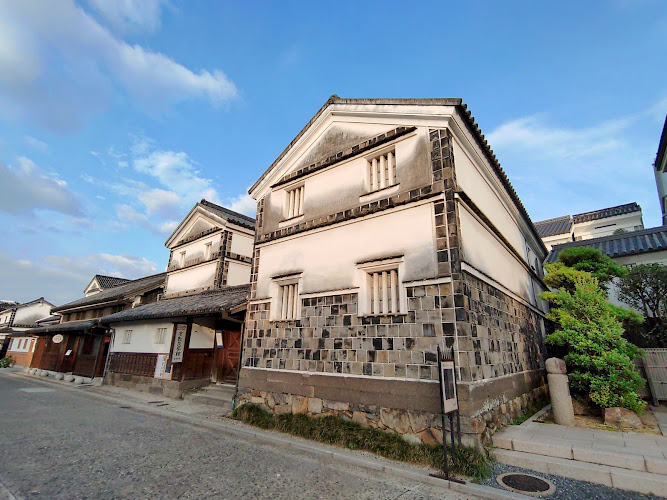
The Kurashiki Museum of Folkcraft represents one of those genuine treasures that catches you off guard in the most delightful way. Housed within an 18th-century rice granary that has stood the test of time, this museum brings together an extraordinary collection of antique ceramics, textiles, and basketry that tells the story of everyday Japanese life through the centuries. The building itself is worth half the admission price—those weathered wooden beams and traditional architecture create an atmosphere you just can’t replicate in modern structures.
What strikes visitors most is how the museum celebrates the beauty in utilitarian objects. Unlike many art museums that can feel stuffy or disconnected from real life, this place puts the spotlight on items people actually used in their daily routines. The ceramic rice bowls, the woven baskets for carrying goods, the textiles that kept families warm—these weren’t created to sit in museums. They were made to be used, and somehow that makes them even more beautiful. The founder understood something crucial about Japanese aesthetics: that function and beauty aren’t separate concepts but deeply intertwined.
Walking through the granary’s spaces, you get a sense of how Japanese craftspeople approached their work with a level of care that’s become increasingly rare in our mass-production age. Each piece on display represents hours of skilled labor, passed-down techniques, and an understanding of materials that came from generations of practice. And honestly, spending time with these objects can shift how you think about the stuff in your own life.
Key Features
The museum offers several distinctive elements that set it apart from typical tourist attractions:
- An authentic 18th-century rice granary building that serves as the exhibition space, with original architectural elements preserved throughout the structure
- Extensive ceramic collections showcasing regional pottery styles from across Japan, including pieces from lesser-known kilns that produced everyday wares
- Textile exhibits featuring traditional weaving techniques, indigo-dyed fabrics, and garments that demonstrate the evolution of Japanese clothing for working people
- Basketry and woven goods that highlight the incredible variety of weaving styles developed in different regions based on available materials
- Thoughtfully curated displays that emphasize the aesthetic philosophy of mingei (folk craft), which finds beauty in simplicity and functionality
- Rotating exhibitions that prevent the collection from feeling static, giving repeat visitors new objects to discover
- Educational information about traditional craft techniques and the cultural context in which these items were produced and used
- A building layout that maintains much of the granary’s original character, allowing visitors to appreciate historical architecture alongside the displayed objects
- Restroom facilities available on-site for visitor convenience
- Wheelchair accessible restroom to accommodate visitors with mobility needs, though entrance access presents some challenges
Best Time to Visit
Timing your visit to the Kurashiki Museum of Folkcraft can significantly impact your experience. The museum tends to see fewer crowds during weekday mornings, especially Tuesday through Thursday. If you’re someone who likes to take your time examining objects without feeling rushed or crowded, arriving right when they open gives you the best chance at a peaceful visit.
Spring and fall emerge as ideal seasons for incorporating the museum into a broader Kurashiki itinerary. The weather during these periods makes walking through the historic Bikan district comfortable, and you won’t find yourself dealing with the intense summer humidity that can make museum-hopping exhausting. Plus, the surrounding area looks particularly photogenic when cherry blossoms appear or autumn leaves start changing colors.
Summer brings larger tourist crowds, particularly during school holidays when Japanese families travel domestically. The museum’s lack of modern climate control—a side effect of operating in a historical building—can also make summer visits somewhat uncomfortable on particularly hot days. That said, if summer is your only option, going early in the day before temperatures peak makes sense.
Winter might actually be underrated for museum visits. While it’s cold, the indoor nature of the attraction provides shelter from the elements, and you’ll encounter significantly fewer tourists. The crafts themselves, especially the textiles, seem particularly appropriate to view when you’re thinking about warmth and comfort. Just dress in layers since historical buildings don’t always have modern heating systems.
Avoiding Japanese national holidays is wise if you prefer a quieter experience. Golden Week in early May and the Obon period in August draw massive domestic tourism, and even relatively niche museums like this one can fill up considerably.
How to Get There
Reaching the Kurashiki Museum of Folkcraft is reasonably straightforward once you’re in the Kurashiki area, though it requires a bit of walking and navigation. The museum sits within the Bikan Historical Quarter, which is the main tourist district of Kurashiki and the reason most travelers visit this city in the first place.
From JR Kurashiki Station, the journey takes about 15 minutes on foot. Exit the station and head south toward the historic district—you’ll see signage pointing you in the right direction. The walk itself offers a nice transition from modern Japan into the preserved historical area, as contemporary buildings gradually give way to traditional architecture. Some visitors prefer this approach because it builds anticipation and helps orient you to the neighborhood layout.
Alternatively, buses run from the station to stops closer to the Bikan area, though honestly the walk is pleasant enough that most people skip the bus unless mobility is a concern. If you do take a bus, get off at stops near the Ohara Museum of Art, which sits fairly close to the folkcraft museum.
For visitors staying in nearby cities like Okayama, taking the train to Kurashiki Station is the standard approach. The JR Sanyo Line connects these cities with frequent service, and the trip takes only about 15 minutes. This makes the museum an easy addition to a broader Okayama itinerary without requiring an overnight stay in Kurashiki itself, though the town certainly deserves more time if your schedule allows.
Once you’re in the Bikan district, navigation relies mainly on walking and asking for directions or using your phone’s GPS. The streets in this historic area follow old patterns rather than modern grid layouts, which adds character but can be confusing. Look for directional signs—they’re present but not always as prominent as you might expect. The museum’s location in an actual historic granary means it blends into the architectural landscape rather than standing out with flashy signage.
Important note for visitors with mobility concerns: the museum lacks wheelchair accessible entrance and parking facilities. The building’s historical nature means it wasn’t designed with modern accessibility standards, and retrofitting hasn’t fully addressed these limitations. Visitors using wheelchairs should be aware that accessing the museum may present significant challenges, despite the presence of an accessible restroom inside.
Tips for Visiting
Making the most of your museum visit involves some practical considerations beyond just showing up. First off, plan to spend at least an hour here, possibly more if you’re genuinely interested in traditional crafts. This isn’t a huge museum you could get lost in for an entire day, but rushing through defeats the purpose. The beauty of folkcraft lies in the details—the glaze on a ceramic bowl, the pattern in woven indigo fabric, the shape of a work-worn basket handle. These details reveal themselves slowly.
Bring cash for admission. While Japan has modernized payment systems in many tourist areas, smaller museums sometimes still operate on cash-only basis. Having exact change or small bills makes transactions smoother for everyone involved.
Photography policies vary in different exhibition spaces, so check signage or ask staff before snapping pictures. Some areas prohibit photography entirely to protect light-sensitive textiles, while others may allow photos without flash. Respecting these rules helps preserve the collections for future visitors and shows consideration for the museum’s preservation efforts.
Combine your visit with exploration of the broader Bikan Historical Quarter. The folkcraft museum sits among canal-side buildings, other museums, shops, and cafes that make this area special. Since there’s no restaurant at the museum itself, planning meal times around your visit makes sense. Several traditional sweets shops and cafes in the area serve as perfect pre or post-museum stops.
Wear comfortable shoes you can easily slip on and off. Many traditional Japanese buildings, including sections of this museum, may require removing footwear. Shoes that are easy to remove and won’t leave you fussing with laces make the experience more pleasant. Plus, you’ll be doing plenty of walking around Kurashiki’s historic streets.
Take advantage of any English information available, but don’t let language barriers discourage you. The objects themselves communicate across language differences—you don’t need perfect translation to appreciate the craftsmanship in a beautifully made basket or the subtle colors in traditional textiles. That said, any available English explanations do add valuable context about regional craft traditions and techniques.
Visit on a weekday if possible. Weekend crowds, while not overwhelming, do change the contemplative atmosphere that makes this museum special. There’s something meditative about studying folk crafts in relative quiet, letting your attention settle on individual objects rather than being swept along in tourist traffic.
Consider your visit part of a broader exploration of Japanese craft traditions. If the museum resonates with you, Kurashiki and the surrounding region have other opportunities to see traditional crafts, including working studios and shops where contemporary craftspeople continue these traditions. The museum can serve as an educational foundation that deepens your appreciation for crafts you’ll encounter elsewhere.
Don’t expect ultra-modern facilities. The charm of visiting a museum in an 18th-century building comes with trade-offs in terms of climate control, lighting, and accessibility. Embracing these limitations as part of the authentic experience rather than viewing them as deficiencies leads to greater enjoyment.
Finally, give yourself permission to be selective about what captures your attention. Not every visitor connects equally with ceramics, textiles, and basketry. Following your genuine interests rather than feeling obligated to examine everything creates a more meaningful visit. Maybe you’ll spend twenty minutes studying one case of rice bowls and walk past textile displays with just a glance. That’s perfectly fine—these objects were meant to be used and lived with, not dutifully examined like homework assignments.
 Real Journey Travels