
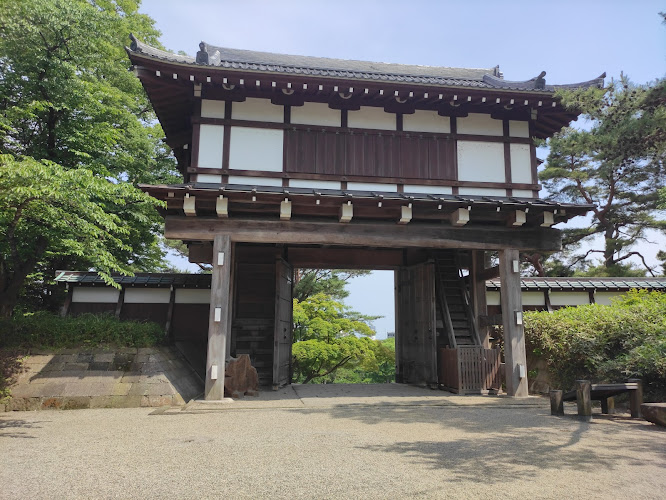
Kubota Castle Front Gate
About Kubota Castle Front Gate
Description
There’s something quietly powerful about standing before the Kubota Castle Front Gate in Akita. Maybe it’s the way the wooden beams seem to hum with history, or how the crisp northern air feels a little thicker here, as if the past never really left. Built as part of Kubota Castle during the Edo period, this gate—known as Ichinomon—once stood as the first line of defense for the Satake clan. Today, it’s a beautifully reconstructed reminder of Akita’s samurai heritage and a peaceful escape right in the heart of the city.
What makes it special isn’t just its architecture (though the craftsmanship is stunning). It’s the way it connects you to a slower time. You can almost picture armored guards standing watch, the sound of geta sandals on gravel, the faint smell of pine drifting in from Senshu Park. The gate sits within what’s now a public park, surrounded by trees that blaze red and gold in autumn and bloom soft pink in spring. It’s a favorite stop for locals taking a quiet morning walk, and for travelers, it’s one of those places that doesn’t scream for attention—but rewards those who pause to look closer.
While the gate itself isn’t massive or flashy compared to Japan’s more famous castles, it carries a sense of authenticity that’s becoming rare. You won’t find crowds of tourists waving selfie sticks here. Instead, you’ll find calm. Maybe a couple of elderly locals feeding pigeons nearby, or a young couple taking wedding photos under the wooden arch. It’s understated, but that’s part of its charm. And honestly, that’s what Akita does best—beauty in simplicity, history in the everyday.
It’s worth noting that the site isn’t fully wheelchair accessible, and the terrain can be uneven in places. But for those able to explore on foot, the experience feels intimate and grounding. The air smells faintly of cedar after rain, and if you visit early in the morning, you might even catch the mist curling around the gate’s roof tiles. It’s the kind of moment that makes you stop, breathe, and remember that travel isn’t always about big sights—it’s about quiet connections.
Key Features
- Historic Significance: Once the main defensive gate of Kubota Castle, Ichinomon served as a crucial checkpoint for the Satake clan during the Edo period.
- Authentic Reconstruction: Although restored, the gate stays true to traditional Japanese architectural techniques, using wood and stone that reflect the original design.
- Senshu Park Surroundings: The gate stands within Senshu Park, a scenic area that changes dramatically with each season—cherry blossoms in spring, lush greens in summer, fiery maples in autumn, and a serene snow-covered landscape in winter.
- Peaceful Atmosphere: Unlike Japan’s busier castles, this site offers a tranquil experience, perfect for reflection or photography without the rush of crowds.
- Cultural Symbolism: The gate represents resilience, having survived fires and reconstructions, and continues to embody Akita’s enduring spirit.
- Local Connection: The area is well-loved by Akita residents, often used for festivals, casual strolls, and even wedding photo shoots.
Best Time to Visit
Honestly, there’s no bad time to visit the Kubota Castle Front Gate—it’s one of those places that transforms with the seasons. But if you’re after that postcard-perfect moment, spring and autumn are unbeatable. In April, the cherry blossoms burst into soft clouds of pink, framing the gate like a painting. It’s no wonder locals flock here for hanami picnics under the petals. If you come then, bring a bento lunch and a blanket—trust me, sitting under those trees feels like something out of a dream.
Autumn, though, might be my personal favorite. The park glows in shades of crimson and gold, and the wooden gate looks even more striking against the fiery backdrop. There’s a crispness in the air, and the crowds thin out, making it easier to take your time wandering around. Winter has its own magic too—the snow muffles the sounds, and the gate looks almost solemn, like it’s standing guard over centuries of silence. Summer can be warm but lively, especially during local festivals when you might stumble upon taiko drummers or food stalls nearby.
How to Get There
Getting to the Kubota Castle Front Gate is refreshingly straightforward, especially if you’re already in Akita City. From Akita Station, it’s just a short walk—about ten minutes or so—through pleasant streets lined with shops and cafes. You can grab a coffee on the way (I always stop at a little café near the station that serves the best matcha latte) and make your way toward Senshu Park, where the gate stands proudly at the entrance.
If you’re coming from outside Akita, the Shinkansen makes it easy. The Akita Shinkansen runs directly from Tokyo, taking around four hours. Once you arrive, everything’s within walking distance, which is one of the reasons I love visiting this city. It’s compact, friendly, and never overwhelming. For those driving, there’s parking nearby, though it can be limited during cherry blossom season. And if you’re relying on public transport, local buses also stop within minutes of the park entrance.
Pro tip: if you’re planning a day trip, pair your visit to the gate with a stroll around Senshu Park and maybe a stop at the Akita Museum of Art nearby. It makes for a perfect blend of history, culture, and a bit of modern flair.
Tips for Visiting
First off, take your time. The Kubota Castle Front Gate isn’t a place to rush through. It’s small, yes, but it rewards slow exploration. Walk around it, notice the details in the woodwork, the way the sunlight hits the beams, the worn stone beneath your feet. Bring a camera if you like, but don’t spend the whole time behind the lens—just stand there for a minute and take it in.
If you’re visiting in spring or autumn, arrive early in the morning or just before sunset. The lighting is softer, the park quieter, and you’ll get that beautiful golden hue that photographers dream about. Also, wear comfortable shoes; the paths around the park can be uneven, especially after rain. And if mobility is a concern, be aware that the site isn’t fully wheelchair accessible, so plan accordingly.
Another little tip: check the local calendar before you go. Sometimes small festivals or cultural events pop up around the park, and they’re worth catching. I once stumbled upon a local tea ceremony demonstration near the gate—it was completely unplanned, but easily one of the highlights of my trip. Moments like that remind you why it’s worth wandering off the beaten path.
Lastly, don’t skip the nearby viewpoints. There are a few small rises in the park that offer lovely angles of the gate framed by trees and sky. If you’re into photography, you’ll appreciate how the light changes throughout the day. And if you’re just there to relax, grab a bench, listen to the rustle of leaves, and let the centuries of history sink in. It’s peaceful in a way that’s hard to describe—like time slows down just a bit.
All in all, the Kubota Castle Front Gate is more than just a historical landmark. It’s a quiet storyteller, whispering tales of samurai, resilience, and the passage of time. Whether you’re a history buff, a casual traveler, or someone simply looking for a moment of calm, this spot in Akita offers something genuine. It’s not flashy, but it’s real—and that’s what makes it unforgettable.
Key Features
- Key Features
- Best Time to Visit
- How to Get There
- Tips for Visiting
More Details
Updated November 9, 2025
Table of Contents
Description
There’s something quietly powerful about standing before the Kubota Castle Front Gate in Akita. Maybe it’s the way the wooden beams seem to hum with history, or how the crisp northern air feels a little thicker here, as if the past never really left. Built as part of Kubota Castle during the Edo period, this gate—known as Ichinomon—once stood as the first line of defense for the Satake clan. Today, it’s a beautifully reconstructed reminder of Akita’s samurai heritage and a peaceful escape right in the heart of the city.
What makes it special isn’t just its architecture (though the craftsmanship is stunning). It’s the way it connects you to a slower time. You can almost picture armored guards standing watch, the sound of geta sandals on gravel, the faint smell of pine drifting in from Senshu Park. The gate sits within what’s now a public park, surrounded by trees that blaze red and gold in autumn and bloom soft pink in spring. It’s a favorite stop for locals taking a quiet morning walk, and for travelers, it’s one of those places that doesn’t scream for attention—but rewards those who pause to look closer.
While the gate itself isn’t massive or flashy compared to Japan’s more famous castles, it carries a sense of authenticity that’s becoming rare. You won’t find crowds of tourists waving selfie sticks here. Instead, you’ll find calm. Maybe a couple of elderly locals feeding pigeons nearby, or a young couple taking wedding photos under the wooden arch. It’s understated, but that’s part of its charm. And honestly, that’s what Akita does best—beauty in simplicity, history in the everyday.
It’s worth noting that the site isn’t fully wheelchair accessible, and the terrain can be uneven in places. But for those able to explore on foot, the experience feels intimate and grounding. The air smells faintly of cedar after rain, and if you visit early in the morning, you might even catch the mist curling around the gate’s roof tiles. It’s the kind of moment that makes you stop, breathe, and remember that travel isn’t always about big sights—it’s about quiet connections.
Key Features
- Historic Significance: Once the main defensive gate of Kubota Castle, Ichinomon served as a crucial checkpoint for the Satake clan during the Edo period.
- Authentic Reconstruction: Although restored, the gate stays true to traditional Japanese architectural techniques, using wood and stone that reflect the original design.
- Senshu Park Surroundings: The gate stands within Senshu Park, a scenic area that changes dramatically with each season—cherry blossoms in spring, lush greens in summer, fiery maples in autumn, and a serene snow-covered landscape in winter.
- Peaceful Atmosphere: Unlike Japan’s busier castles, this site offers a tranquil experience, perfect for reflection or photography without the rush of crowds.
- Cultural Symbolism: The gate represents resilience, having survived fires and reconstructions, and continues to embody Akita’s enduring spirit.
- Local Connection: The area is well-loved by Akita residents, often used for festivals, casual strolls, and even wedding photo shoots.
Best Time to Visit
Honestly, there’s no bad time to visit the Kubota Castle Front Gate—it’s one of those places that transforms with the seasons. But if you’re after that postcard-perfect moment, spring and autumn are unbeatable. In April, the cherry blossoms burst into soft clouds of pink, framing the gate like a painting. It’s no wonder locals flock here for hanami picnics under the petals. If you come then, bring a bento lunch and a blanket—trust me, sitting under those trees feels like something out of a dream.
Autumn, though, might be my personal favorite. The park glows in shades of crimson and gold, and the wooden gate looks even more striking against the fiery backdrop. There’s a crispness in the air, and the crowds thin out, making it easier to take your time wandering around. Winter has its own magic too—the snow muffles the sounds, and the gate looks almost solemn, like it’s standing guard over centuries of silence. Summer can be warm but lively, especially during local festivals when you might stumble upon taiko drummers or food stalls nearby.
How to Get There
Getting to the Kubota Castle Front Gate is refreshingly straightforward, especially if you’re already in Akita City. From Akita Station, it’s just a short walk—about ten minutes or so—through pleasant streets lined with shops and cafes. You can grab a coffee on the way (I always stop at a little café near the station that serves the best matcha latte) and make your way toward Senshu Park, where the gate stands proudly at the entrance.
If you’re coming from outside Akita, the Shinkansen makes it easy. The Akita Shinkansen runs directly from Tokyo, taking around four hours. Once you arrive, everything’s within walking distance, which is one of the reasons I love visiting this city. It’s compact, friendly, and never overwhelming. For those driving, there’s parking nearby, though it can be limited during cherry blossom season. And if you’re relying on public transport, local buses also stop within minutes of the park entrance.
Pro tip: if you’re planning a day trip, pair your visit to the gate with a stroll around Senshu Park and maybe a stop at the Akita Museum of Art nearby. It makes for a perfect blend of history, culture, and a bit of modern flair.
Tips for Visiting
First off, take your time. The Kubota Castle Front Gate isn’t a place to rush through. It’s small, yes, but it rewards slow exploration. Walk around it, notice the details in the woodwork, the way the sunlight hits the beams, the worn stone beneath your feet. Bring a camera if you like, but don’t spend the whole time behind the lens—just stand there for a minute and take it in.
If you’re visiting in spring or autumn, arrive early in the morning or just before sunset. The lighting is softer, the park quieter, and you’ll get that beautiful golden hue that photographers dream about. Also, wear comfortable shoes; the paths around the park can be uneven, especially after rain. And if mobility is a concern, be aware that the site isn’t fully wheelchair accessible, so plan accordingly.
Another little tip: check the local calendar before you go. Sometimes small festivals or cultural events pop up around the park, and they’re worth catching. I once stumbled upon a local tea ceremony demonstration near the gate—it was completely unplanned, but easily one of the highlights of my trip. Moments like that remind you why it’s worth wandering off the beaten path.
Lastly, don’t skip the nearby viewpoints. There are a few small rises in the park that offer lovely angles of the gate framed by trees and sky. If you’re into photography, you’ll appreciate how the light changes throughout the day. And if you’re just there to relax, grab a bench, listen to the rustle of leaves, and let the centuries of history sink in. It’s peaceful in a way that’s hard to describe—like time slows down just a bit.
All in all, the Kubota Castle Front Gate is more than just a historical landmark. It’s a quiet storyteller, whispering tales of samurai, resilience, and the passage of time. Whether you’re a history buff, a casual traveler, or someone simply looking for a moment of calm, this spot in Akita offers something genuine. It’s not flashy, but it’s real—and that’s what makes it unforgettable.
Key Highlights
- Key Features
- Best Time to Visit
- How to Get There
- Tips for Visiting
Location
Places to Stay Near Kubota Castle Front Gate
Find and Book a Tour
Explore More Travel Guides
No reviews found! Be the first to review!
Traveler Reviews for Kubota Castle Front Gate
There are no reviews yet. Be the first one to write one.
Have you visited Kubota Castle Front Gate? Help other travelers by sharing your review.
You Might Also Like
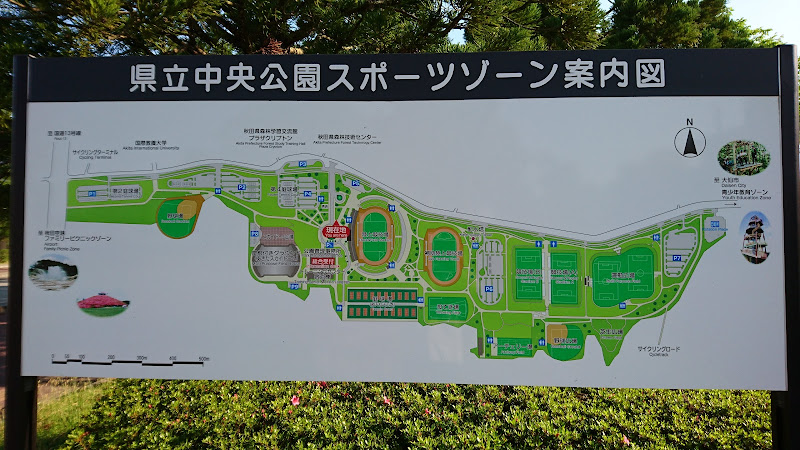
Akita Prefectural Central Park
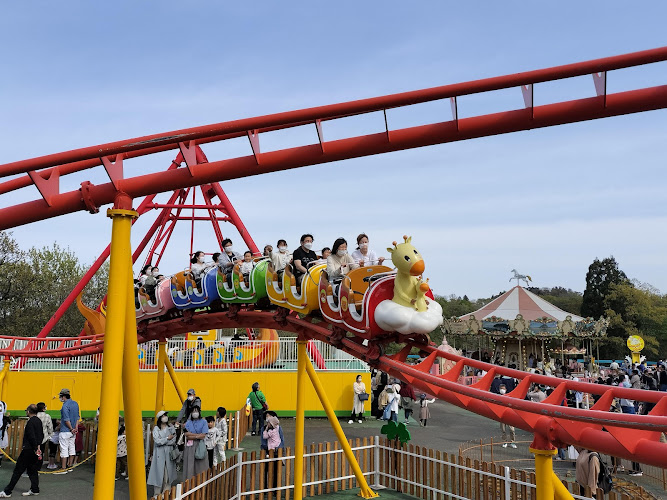
Omoriyama Yuenchi Anipa

Akita City Folk Arts Center (Neburinagashi-Kan)
Find Accommodations Nearby
Recommended Tours & Activities
Visitor Reviews
There are no reviews yet. Be the first one to write one.
Share Your Experience
Have you visited Kubota Castle Front Gate? Help other travelers by leaving a review.