
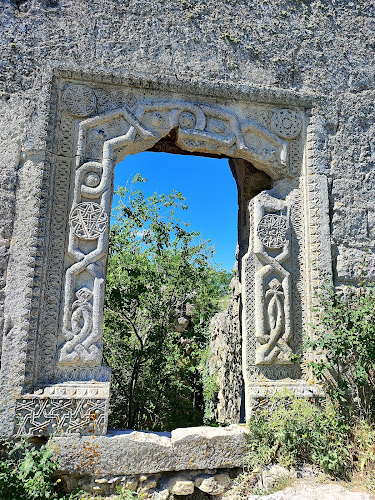
Krepostʹ Manhup-Kale
About Krepostʹ Manhup-Kale
Description
Perched dramatically atop Mangup Mountain in Crimea, Krepostʹ Manhup-Kale stands as one of the most remarkable cave fortresses you'll encounter anywhere in Eastern Europe. This isn't just another ruined castle – it's a sprawling medieval settlement carved into the very rock itself, spread across a massive plateau that overlooks three distinct valleys in a way that'll absolutely take your breath away. The fortress represents centuries of human habitation, with its origins tracing back to the 3rd century AD. Various civilizations called this place home over the millennia, including the Goths, Byzantines, and eventually the Principality of Theodoro in the Middle Ages. Walking through this site feels like stepping through layers of history, where every cave dwelling and defensive wall tells a different chapter of Crimea's complicated past. What really sets Manhup-Kale apart from other historical sites is the sheer scale of it all. The plateau extends for kilometers, and you'll find yourself wandering through an entire town that was literally hewn from the mountain. The natural fortifications combined with human engineering created an almost impregnable stronghold that held out against numerous sieges throughout its active years. And honestly? When you see how the fortress builders used the natural landscape to their advantage, you can't help but admire their ingenuity. The views alone justify the journey. Standing at various points across the fortress grounds, visitors can gaze out over three valleys simultaneously, watching the landscape shift colors as the day progresses. It's the kind of place where you lose track of time just sitting on an ancient stone wall, imagining what life must have been like for the people who defended these heights centuries ago.Key Features
The fortress complex offers travelers a wealth of features that make it stand out among Crimean historical sites: • Massive cave monastery complex carved directly into the cliff faces, with multiple chambers and Byzantine-era frescoes still visible in some sections • Ancient water collection system including cisterns that held thousands of liters, demonstrating the sophisticated engineering that allowed residents to withstand lengthy sieges • Remains of the Theodoro princes' citadel at the highest point of the plateau, offering panoramic views that stretch for miles in every direction • Multiple defensive walls and gates showing different construction periods, from Byzantine stonework to later medieval fortifications • Natural rock formations that blend seamlessly with human-made structures, creating an architectural landscape unlike anywhere else • Cave dwellings that housed hundreds of residents, with visible niches for household items, sleeping areas, and even storage spaces • The ruins of several churches, including the impressive Church of the Princes with its distinctive architectural elements still standing • Natural springs that continue flowing even today, the same water sources that sustained the fortress population • Walking trails across the plateau that connect different sections of the settlement, each offering unique perspectives on the valleys below • Archaeological sites where ongoing excavations continue revealing new insights about medieval life in this extraordinary locationBest Time to Visit
Timing your visit to Krepostʹ Manhup-Kale makes a huge difference in your experience. I've talked to enough travelers who've been there in different seasons to piece together what works best. Spring, particularly late April through May, offers ideal conditions for exploring the fortress. The weather stays comfortable for the considerable hiking involved – and believe me, there's a lot of walking and climbing. The wildflowers blooming across the plateau during this period add an extra dimension of beauty to the already stunning landscape. Temperatures hover around 15-20°C, perfect for scrambling around cave dwellings without overheating. Early autumn, specifically September and early October, provides another excellent window. The summer crowds have thinned considerably, yet the weather remains pleasant enough for extended outdoor exploration. The changing foliage in the valleys below creates a spectacular backdrop for photography enthusiasts. You'll find the light during these months particularly beautiful for capturing the fortress at different times of day. Summer brings the warmest weather but also presents challenges. July and August can get genuinely hot, and there's precious little shade on the exposed plateau. If you must visit during peak summer, start your exploration early in the morning – I'm talking sunrise early – to avoid the midday heat. Bring significantly more water than you think you'll need. Winter visits require serious preparation. Snow and ice can make the already challenging terrain downright treacherous. But if you're equipped for it and the weather cooperates, you'll practically have the place to yourself. The fortress under snow creates haunting, otherworldly atmosphere that few visitors ever experience. Weather in Crimea can shift quickly, regardless of season. Even on days that start perfectly clear, clouds can roll in rapidly. This actually creates dramatic lighting effects across the fortress and valleys, though it can make footing more precarious on the stone surfaces.How to Get There
Getting to Manhup-Kale requires some planning since it's definitely not the most accessible tourist site you'll ever visit. But that remoteness is part of what makes it special. The nearest sizeable town is Bakhchysarai, which serves as the primary base for most visitors heading to the fortress. From Bakhchysarai, you're looking at roughly 25 kilometers to the mountain. Public transportation doesn't run all the way to the site, so you've got several options to consider. Renting a car gives you the most flexibility. The road conditions vary – paved highways give way to rougher country roads as you approach the mountain. A standard vehicle can usually make it to the villages near the base during good weather, though a vehicle with higher clearance definitely helps. The village of Khodzhа Sala sits closest to the trailhead. Hiring a local driver or joining an organized tour from Bakhchysarai removes the navigation stress. Many guesthouses and hotels can arrange transportation, and the drivers typically know the area intimately. This option costs more than going independently but saves considerable time and potential wrong turns. The adventurous can attempt public buses from Bakhchysarai toward the mountain villages, then hike the remaining distance. This requires flexibility with your schedule since bus services don't run frequently. You'll want to confirm current routes and times locally rather than relying on online schedules. From wherever you leave your transportation, the real journey begins with the hike up Mangup Mountain. Multiple trails ascend to the plateau, ranging from moderate to quite challenging. The main path takes between 1.5 to 3 hours depending on your fitness level and how often you stop to catch your breath and admire the increasingly impressive views. The trail isn't maintained to modern park standards – expect uneven footing, loose rocks, and steep sections that require using your hands occasionally. Proper hiking footwear isn't optional here; it's absolutely essential. I've heard too many stories of people attempting the climb in casual shoes and regretting it thoroughly.Tips for Visiting
Actually experiencing Krepostʹ Manhup-Kale to its fullest requires more preparation than your typical tourist attraction. Here's what you need to know before you go. Wear genuine hiking boots with ankle support and good tread. The terrain varies from smooth rock faces to loose scree to narrow paths along cliff edges. Your footwear will make or break your visit, literally. And break in those boots beforehand – discovering they give you blisters halfway up the mountain ranks among travel's special miseries. Bring substantially more water than feels reasonable. There's no place to buy refreshments once you start ascending, and the physical exertion combined with exposure means you'll drink far more than usual. At least two liters per person for a half-day visit, more if the weather's warm. Pack real food, not just snacks. You'll likely spend several hours exploring the plateau, and the combination of hiking and altitude tends to work up a serious appetite. Sandwiches, fruit, energy bars – whatever keeps you fueled. There's something special about eating lunch surrounded by thousand-year-old cave dwellings anyway. The fortress lacks wheelchair accessibility completely, which makes sense given it's a medieval mountain settlement but needs stating clearly for trip planning purposes. The hiking required to reach the plateau and then navigate around it presents significant physical challenges. Visitors need reasonable fitness levels and mobility. Start your visit earlier than seems necessary. The hike up takes longer than you expect, and you'll want ample time on the plateau itself without feeling rushed. Plus, morning light tends to be best for photography, and you'll encounter fewer other visitors. Bring a proper flashlight or headlamp if you plan exploring the cave dwellings and monastery sections thoroughly. Some chambers extend deep into the mountain, and while you don't need spelunking equipment, a good light source reveals details you'd otherwise miss. Dress in layers regardless of season. Conditions on the exposed plateau differ dramatically from the valleys below. Wind picks up significantly at elevation, and temperatures drop noticeably. That morning warmth can give way to chilly afternoon breezes quickly. Don't rush through the experience. This isn't a place for quick photo stops. The fortress rewards slow, contemplative exploration. Sit in one of the cave dwellings and imagine daily life centuries ago. Trace the stonework with your hands. Watch the shadows shift across the valleys. The history here deserves more than a hurried visit. Keep kids close and supervised constantly. While the site works well for older children who can handle the hiking and understand the importance of staying away from cliff edges, it's not suitable for toddlers. There aren't guardrails or modern safety features – just ancient fortifications and serious drop-offs. Photography enthusiasts should bring extra batteries and memory cards. The compositional opportunities seem endless, from sweeping valley panoramas to intimate details of Byzantine stonework. The light changes character throughout the day, each hour offering different possibilities. Consider hiring a local guide in Bakhchysarai who specializes in the fortress. The site lacks comprehensive signage or information panels, and a knowledgeable guide transforms scattered ruins into vivid stories of medieval intrigue, Byzantine glory, and Gothic resilience. Check current regional situation and access regulations before traveling. The political complexities of Crimea can affect accessibility and requirements for visiting. Ensure you have proper documentation and understand any restrictions that might apply.Key Features
- Extensive rock-cut cave dwellings and chapels
- Medieval defensive walls and khan’s palace ruins
- Network of cisterns and storage carved into the plateau
- Panoramic views over surrounding valleys and lakes
- Layered history spanning Byzantine, Gothic, Genoese and Crimean Tatar periods
More Details
Updated March 30, 2026
Table of Contents
Description
Perched dramatically atop Mangup Mountain in Crimea, Krepostʹ Manhup-Kale stands as one of the most remarkable cave fortresses you’ll encounter anywhere in Eastern Europe. This isn’t just another ruined castle – it’s a sprawling medieval settlement carved into the very rock itself, spread across a massive plateau that overlooks three distinct valleys in a way that’ll absolutely take your breath away.
The fortress represents centuries of human habitation, with its origins tracing back to the 3rd century AD. Various civilizations called this place home over the millennia, including the Goths, Byzantines, and eventually the Principality of Theodoro in the Middle Ages. Walking through this site feels like stepping through layers of history, where every cave dwelling and defensive wall tells a different chapter of Crimea’s complicated past.
What really sets Manhup-Kale apart from other historical sites is the sheer scale of it all. The plateau extends for kilometers, and you’ll find yourself wandering through an entire town that was literally hewn from the mountain. The natural fortifications combined with human engineering created an almost impregnable stronghold that held out against numerous sieges throughout its active years. And honestly? When you see how the fortress builders used the natural landscape to their advantage, you can’t help but admire their ingenuity.
The views alone justify the journey. Standing at various points across the fortress grounds, visitors can gaze out over three valleys simultaneously, watching the landscape shift colors as the day progresses. It’s the kind of place where you lose track of time just sitting on an ancient stone wall, imagining what life must have been like for the people who defended these heights centuries ago.
Key Features
The fortress complex offers travelers a wealth of features that make it stand out among Crimean historical sites:
• Massive cave monastery complex carved directly into the cliff faces, with multiple chambers and Byzantine-era frescoes still visible in some sections
• Ancient water collection system including cisterns that held thousands of liters, demonstrating the sophisticated engineering that allowed residents to withstand lengthy sieges
• Remains of the Theodoro princes’ citadel at the highest point of the plateau, offering panoramic views that stretch for miles in every direction
• Multiple defensive walls and gates showing different construction periods, from Byzantine stonework to later medieval fortifications
• Natural rock formations that blend seamlessly with human-made structures, creating an architectural landscape unlike anywhere else
• Cave dwellings that housed hundreds of residents, with visible niches for household items, sleeping areas, and even storage spaces
• The ruins of several churches, including the impressive Church of the Princes with its distinctive architectural elements still standing
• Natural springs that continue flowing even today, the same water sources that sustained the fortress population
• Walking trails across the plateau that connect different sections of the settlement, each offering unique perspectives on the valleys below
• Archaeological sites where ongoing excavations continue revealing new insights about medieval life in this extraordinary location
Best Time to Visit
Timing your visit to Krepostʹ Manhup-Kale makes a huge difference in your experience. I’ve talked to enough travelers who’ve been there in different seasons to piece together what works best.
Spring, particularly late April through May, offers ideal conditions for exploring the fortress. The weather stays comfortable for the considerable hiking involved – and believe me, there’s a lot of walking and climbing. The wildflowers blooming across the plateau during this period add an extra dimension of beauty to the already stunning landscape. Temperatures hover around 15-20°C, perfect for scrambling around cave dwellings without overheating.
Early autumn, specifically September and early October, provides another excellent window. The summer crowds have thinned considerably, yet the weather remains pleasant enough for extended outdoor exploration. The changing foliage in the valleys below creates a spectacular backdrop for photography enthusiasts. You’ll find the light during these months particularly beautiful for capturing the fortress at different times of day.
Summer brings the warmest weather but also presents challenges. July and August can get genuinely hot, and there’s precious little shade on the exposed plateau. If you must visit during peak summer, start your exploration early in the morning – I’m talking sunrise early – to avoid the midday heat. Bring significantly more water than you think you’ll need.
Winter visits require serious preparation. Snow and ice can make the already challenging terrain downright treacherous. But if you’re equipped for it and the weather cooperates, you’ll practically have the place to yourself. The fortress under snow creates haunting, otherworldly atmosphere that few visitors ever experience.
Weather in Crimea can shift quickly, regardless of season. Even on days that start perfectly clear, clouds can roll in rapidly. This actually creates dramatic lighting effects across the fortress and valleys, though it can make footing more precarious on the stone surfaces.
How to Get There
Getting to Manhup-Kale requires some planning since it’s definitely not the most accessible tourist site you’ll ever visit. But that remoteness is part of what makes it special.
The nearest sizeable town is Bakhchysarai, which serves as the primary base for most visitors heading to the fortress. From Bakhchysarai, you’re looking at roughly 25 kilometers to the mountain. Public transportation doesn’t run all the way to the site, so you’ve got several options to consider.
Renting a car gives you the most flexibility. The road conditions vary – paved highways give way to rougher country roads as you approach the mountain. A standard vehicle can usually make it to the villages near the base during good weather, though a vehicle with higher clearance definitely helps. The village of Khodzhа Sala sits closest to the trailhead.
Hiring a local driver or joining an organized tour from Bakhchysarai removes the navigation stress. Many guesthouses and hotels can arrange transportation, and the drivers typically know the area intimately. This option costs more than going independently but saves considerable time and potential wrong turns.
The adventurous can attempt public buses from Bakhchysarai toward the mountain villages, then hike the remaining distance. This requires flexibility with your schedule since bus services don’t run frequently. You’ll want to confirm current routes and times locally rather than relying on online schedules.
From wherever you leave your transportation, the real journey begins with the hike up Mangup Mountain. Multiple trails ascend to the plateau, ranging from moderate to quite challenging. The main path takes between 1.5 to 3 hours depending on your fitness level and how often you stop to catch your breath and admire the increasingly impressive views.
The trail isn’t maintained to modern park standards – expect uneven footing, loose rocks, and steep sections that require using your hands occasionally. Proper hiking footwear isn’t optional here; it’s absolutely essential. I’ve heard too many stories of people attempting the climb in casual shoes and regretting it thoroughly.
Tips for Visiting
Actually experiencing Krepostʹ Manhup-Kale to its fullest requires more preparation than your typical tourist attraction. Here’s what you need to know before you go.
Wear genuine hiking boots with ankle support and good tread. The terrain varies from smooth rock faces to loose scree to narrow paths along cliff edges. Your footwear will make or break your visit, literally. And break in those boots beforehand – discovering they give you blisters halfway up the mountain ranks among travel’s special miseries.
Bring substantially more water than feels reasonable. There’s no place to buy refreshments once you start ascending, and the physical exertion combined with exposure means you’ll drink far more than usual. At least two liters per person for a half-day visit, more if the weather’s warm.
Pack real food, not just snacks. You’ll likely spend several hours exploring the plateau, and the combination of hiking and altitude tends to work up a serious appetite. Sandwiches, fruit, energy bars – whatever keeps you fueled. There’s something special about eating lunch surrounded by thousand-year-old cave dwellings anyway.
The fortress lacks wheelchair accessibility completely, which makes sense given it’s a medieval mountain settlement but needs stating clearly for trip planning purposes. The hiking required to reach the plateau and then navigate around it presents significant physical challenges. Visitors need reasonable fitness levels and mobility.
Start your visit earlier than seems necessary. The hike up takes longer than you expect, and you’ll want ample time on the plateau itself without feeling rushed. Plus, morning light tends to be best for photography, and you’ll encounter fewer other visitors.
Bring a proper flashlight or headlamp if you plan exploring the cave dwellings and monastery sections thoroughly. Some chambers extend deep into the mountain, and while you don’t need spelunking equipment, a good light source reveals details you’d otherwise miss.
Dress in layers regardless of season. Conditions on the exposed plateau differ dramatically from the valleys below. Wind picks up significantly at elevation, and temperatures drop noticeably. That morning warmth can give way to chilly afternoon breezes quickly.
Don’t rush through the experience. This isn’t a place for quick photo stops. The fortress rewards slow, contemplative exploration. Sit in one of the cave dwellings and imagine daily life centuries ago. Trace the stonework with your hands. Watch the shadows shift across the valleys. The history here deserves more than a hurried visit.
Keep kids close and supervised constantly. While the site works well for older children who can handle the hiking and understand the importance of staying away from cliff edges, it’s not suitable for toddlers. There aren’t guardrails or modern safety features – just ancient fortifications and serious drop-offs.
Photography enthusiasts should bring extra batteries and memory cards. The compositional opportunities seem endless, from sweeping valley panoramas to intimate details of Byzantine stonework. The light changes character throughout the day, each hour offering different possibilities.
Consider hiring a local guide in Bakhchysarai who specializes in the fortress. The site lacks comprehensive signage or information panels, and a knowledgeable guide transforms scattered ruins into vivid stories of medieval intrigue, Byzantine glory, and Gothic resilience.
Check current regional situation and access regulations before traveling. The political complexities of Crimea can affect accessibility and requirements for visiting. Ensure you have proper documentation and understand any restrictions that might apply.
Key Highlights
- Extensive rock-cut cave dwellings and chapels
- Medieval defensive walls and khan’s palace ruins
- Network of cisterns and storage carved into the plateau
- Panoramic views over surrounding valleys and lakes
- Layered history spanning Byzantine, Gothic, Genoese and Crimean Tatar periods
Location
Places to Stay Near Krepostʹ Manhup-Kale
Find and Book a Tour
Explore More Travel Guides
No reviews found! Be the first to review!
Krepostʹ Manhup-Kale is a prominent attractions located in RU.
Visit us at: Historic Crimean fortress on a plateau.
Traveler Reviews for Krepostʹ Manhup-Kale
There are no reviews yet. Be the first one to write one.
Have you visited Krepostʹ Manhup-Kale? Help other travelers by sharing your review.
Nearby Attractions
You Might Also Like

690048
Mining Museum
Zvozdnyy Klyuch
Find Accommodations Nearby
Recommended Tours & Activities
Visitor Reviews
There are no reviews yet. Be the first one to write one.
Share Your Experience
Have you visited Krepostʹ Manhup-Kale? Help other travelers by leaving a review.