
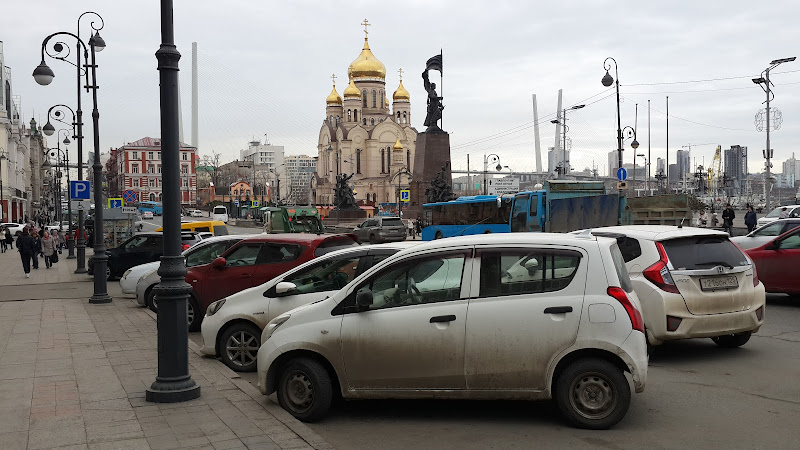
690091
About 690091
Description
The 690091 postal code area represents a fascinating slice of Indian geography that most travelers completely overlook when planning their journeys through the country. Located in Kerala, this region encompasses parts of the Kollam district, an area that honestly deserves way more attention than it typically receives from the international travel community. What makes this particular zone interesting isn't necessarily one single attraction – it's more about the authentic Kerala experience you'll find here. I've spent time wandering through similar postal code regions in India, and there's something genuinely special about exploring areas that haven't been completely transformed by mass tourism yet. The 690091 area gives you that real glimpse into how people actually live and work in this part of southern India. The landscape here is characteristically Kerala – you'll find coconut groves stretching as far as your eyes can see, waterways that crisscross the terrain, and pockets of development mixed with traditional rural settings. It's not going to give you the postcard-perfect beaches of Varkala or the famous backwaters of Alleppey, but that's kind of the point. This is where you come when you want to understand the rhythm of everyday life in Kerala rather than just collecting Instagram photos. The communities within this postal zone reflect the cultural tapestry that makes Kerala so unique in the Indian context. You'll encounter the characteristic red-tiled houses, small family-run shops, local markets where English might not get you very far, and temples that have served their communities for generations. And honestly? That's exactly what makes it worth your time if you're the kind of traveler who gets bored with overly sanitized tourist experiences.Key Features
The 690091 area offers several distinctive characteristics that make it worth consideration for travelers seeking authentic experiences:- Genuine local atmosphere largely untouched by commercial tourism infrastructure, which means you'll interact with locals going about their actual daily lives rather than those catering exclusively to tourists
- Access to traditional Kerala architecture and residential patterns that show you how multiple generations of families structure their living spaces and community relationships
- Proximity to Kollam's broader attractions while maintaining a quieter, more residential character that gives you a break from tourist crowds
- Local markets and shopping areas where prices reflect what residents actually pay rather than inflated tourist rates – your rupees will go considerably further here
- Opportunities to observe and participate in everyday cultural practices, religious festivals, and community events that aren't staged for visitors
- Network of smaller temples, churches, and mosques that reflect Kerala's famous religious harmony and offer architectural interest without the tour bus crowds
- Traditional food establishments and small restaurants serving authentic Kerala cuisine at local prices, prepared the way families actually eat at home
- Easier interaction with English speakers among younger residents who are genuinely curious about foreign visitors rather than seeing you as just another transaction
- Waterways and smaller canals that give you access to Kerala's famous water culture without the commercialized houseboat experience
- Strategic location for using as a base to explore the wider Kollam district while enjoying lower accommodation costs
Best Time to Visit
Timing your visit to the 690091 area really depends on what kind of experience you're after and, honestly, how much humidity you can handle. Kerala's climate doesn't mess around, and this region follows the typical patterns you'll find throughout the state. The November to February window is when most guidebooks will tell you to visit, and they're not wrong exactly. The weather during these months is genuinely pleasant – temperatures hover around 23-32°C, which feels comfortable compared to the scorching heat of summer. You won't deal with the monsoon rains, and the post-monsoon landscape looks incredibly lush and green. But here's the thing – everyone knows this is the best time, so even in less touristy areas like this postal zone, you'll find more activity and potentially higher prices for any accommodation you might need. I've actually got a soft spot for the monsoon period from June to September, though I'll admit it's not for everyone. The rains in Kerala are intense – we're talking proper downpours that can last hours. But if you've got flexibility in your schedule and don't mind getting wet, there's something magical about experiencing Kerala during the monsoons. The landscape transforms completely, everything turns impossibly green, and you'll see the water systems that define Kerala's geography in full action. Plus, this is when you'll have the most authentic local experience since very few tourists venture here during these months. The summer months from March to May? I'd probably skip them unless you've got a specific reason to be here. Temperatures can push past 35°C with humidity that makes it feel even hotter. It's uncomfortable for sightseeing, and locals themselves try to stay indoors during the hottest parts of the day. One thing people don't often consider is timing your visit around local festivals. The 690091 area, like much of Kerala, celebrates numerous festivals throughout the year – Onam in August/September being the biggest. If you can align your visit with these celebrations, you'll get incredible insights into local culture, though you'll need to book any accommodation well in advance.How to Get There
Getting to the 690091 postal code area isn't particularly complicated, but it does require a bit of planning since you're not heading to a major tourist destination with dedicated infrastructure. Your primary gateway will be Kollam city, which is well-connected to the rest of Kerala and southern India. The Kollam Junction railway station serves as a major stop on the southern railway network, with regular trains connecting to Trivandrum (about 70 kilometers south), Kochi (around 120 kilometers north), and other major cities. If you're coming from elsewhere in India, getting a train to Kollam is usually straightforward and, frankly, way more comfortable than the bus options for longer journeys. From Kollam Junction or the main areas of Kollam city, you'll need local transport to reach specific locations within the 690091 zone. Auto-rickshaws are probably your most practical option – they're everywhere, relatively inexpensive, and drivers generally know the area well. Just make sure you either negotiate the fare beforehand or insist on using the meter. In my experience traveling through Kerala, meters often "don't work" for foreigners, so having a rough idea of fair prices helps. For reference, short trips within the postal area shouldn't cost more than 50-100 rupees, though this obviously changes over time. Local buses run throughout the area, and they're incredibly cheap – we're talking 10-20 rupees for most journeys. But here's the reality: if you don't read Malayalam and aren't familiar with the routes, buses can be confusing. Drivers and conductors are usually helpful, but language barriers make this option more challenging for international visitors. If you're flying in, Trivandrum International Airport is your closest option at about 75 kilometers away. From there, you can hire a taxi (which will be expensive but convenient), take a bus to Kollam (much cheaper but time-consuming), or book a train from Trivandrum to Kollam Junction. I'd probably go with the train option as a good middle ground between cost and convenience. Renting a vehicle gives you maximum flexibility, though driving in Kerala takes some getting used to if you're not familiar with Indian road conditions. Traffic rules are more like suggestions, and the roads can be narrow with unpredictable obstacles. If you're comfortable with that, rental cars and motorcycles are available in Kollam city.Tips for Visiting
Let me share some practical advice that'll make your time in the 690091 area much smoother and more enjoyable. First thing – manage your cash situation carefully. This isn't a heavily touristed area, so many smaller shops, restaurants, and even some service providers might not accept cards or digital payments despite India's push toward cashless transactions. ATMs exist in the area, but don't count on finding one on every corner like you would in a major city. Carry sufficient cash in smaller denominations because breaking a 500 or 2000 rupee note at a small tea shop can be genuinely difficult. Language is probably going to be your biggest challenge if you don't speak Malayalam. English proficiency varies widely – you'll find younger people and those working in any kind of business typically speak at least some English, but many residents don't. I'd recommend downloading an offline translation app before you arrive, and learning a few basic Malayalam phrases goes a surprisingly long way in terms of how people respond to you. Even just knowing how to say hello (namaskaram) and thank you (nanni) makes a difference. Dress appropriately, especially if you're planning to visit religious sites. Kerala is generally more liberal than some other parts of India, but you're in a residential area, not a beach resort. Covering shoulders and knees shows respect and honestly makes your interactions with locals much more positive. Women should definitely carry a scarf or shawl that can be used for additional coverage when entering temples or churches. Food safety deserves attention, though probably not as much paranoia as some travel guides suggest. The smaller restaurants and food stalls in this area serve locals every day, so the turnover is good and food is generally fresh. But your stomach might need time to adjust to new bacteria and spices it's not used to. Start slowly with street food, make sure anything you eat is freshly cooked and hot, and stick to bottled or purified water. I learned this the hard way during my first trip to India – that roadside snack might look amazing (and probably tastes incredible), but maybe don't eat three different street foods in your first 24 hours. Transportation apps like Ola and Uber have expanded their coverage in Kerala, though availability in the 690091 area specifically might be limited compared to main city centers. Download these apps anyway as backup options, but don't rely on them exclusively. The heat and humidity can really drain you even if you're used to warm climates. Stay hydrated constantly – we're talking way more water than you think you need. Coconut water is readily available, cheap, and actually better for hydration than plain water due to the electrolytes. Take breaks during the hottest part of the day (roughly 12-3 PM) like the locals do. If you're staying in the area for more than a day or two, make an effort to connect with local residents. Kerala people are generally warm and hospitable, and many are genuinely interested in talking with international visitors. These conversations often lead to invitations for tea or recommendations for places you'd never find on your own. Some of my best travel experiences in India came from exactly these kinds of spontaneous interactions. Photography etiquette matters here. Always ask permission before photographing people, and respect if someone says no. Religious sites might have restrictions on photography, and some areas might be sensitive for privacy reasons. When in doubt, ask first. Keep your accommodation expectations realistic. You're not going to find luxury resorts in this postal zone, and that's perfectly fine. What you will find are budget guesthouses and homestays that give you authentic experiences and the chance to interact with families. Just check reviews carefully if booking online, and don't be afraid to ask to see the room before committing. Finally, embrace the slower pace. This isn't an area where you're racing from one major attraction to another. The point is experiencing a different rhythm of life, observing daily patterns, and gaining insights into how people live outside the tourist spotlight. If that sounds boring to you, then honestly, this probably isn't your destination. But if you appreciate authentic cultural immersion over checking boxes on a sightseeing list, the 690091 area offers something genuinely valuable.Key Features
- Access to traditional Kerala architecture and residential patterns that show you how multiple generations of families structure their living spaces and community relationships
- Proximity to Kollam's broader attractions while maintaining a quieter, more residential character that gives you a break from tourist crowds
- Local markets and shopping areas where prices reflect what residents actually pay rather than inflated tourist rates – your rupees will go considerably further here
- Opportunities to observe and participate in everyday cultural practices, religious festivals, and community events that aren't staged for visitors
- Network of smaller temples, churches, and mosques that reflect Kerala's famous religious harmony and offer architectural interest without the tour bus crowds
- Traditional food establishments and small restaurants serving authentic Kerala cuisine at local prices, prepared the way families actually eat at home
- Easier interaction with English speakers among younger residents who are genuinely curious about foreign visitors rather than seeing you as just another transaction
More Details
Updated March 30, 2026
Table of Contents
Description
The 690091 postal code area represents a fascinating slice of Indian geography that most travelers completely overlook when planning their journeys through the country. Located in Kerala, this region encompasses parts of the Kollam district, an area that honestly deserves way more attention than it typically receives from the international travel community.
What makes this particular zone interesting isn’t necessarily one single attraction – it’s more about the authentic Kerala experience you’ll find here. I’ve spent time wandering through similar postal code regions in India, and there’s something genuinely special about exploring areas that haven’t been completely transformed by mass tourism yet. The 690091 area gives you that real glimpse into how people actually live and work in this part of southern India.
The landscape here is characteristically Kerala – you’ll find coconut groves stretching as far as your eyes can see, waterways that crisscross the terrain, and pockets of development mixed with traditional rural settings. It’s not going to give you the postcard-perfect beaches of Varkala or the famous backwaters of Alleppey, but that’s kind of the point. This is where you come when you want to understand the rhythm of everyday life in Kerala rather than just collecting Instagram photos.
The communities within this postal zone reflect the cultural tapestry that makes Kerala so unique in the Indian context. You’ll encounter the characteristic red-tiled houses, small family-run shops, local markets where English might not get you very far, and temples that have served their communities for generations. And honestly? That’s exactly what makes it worth your time if you’re the kind of traveler who gets bored with overly sanitized tourist experiences.
Key Features
The 690091 area offers several distinctive characteristics that make it worth consideration for travelers seeking authentic experiences:
- Genuine local atmosphere largely untouched by commercial tourism infrastructure, which means you’ll interact with locals going about their actual daily lives rather than those catering exclusively to tourists
- Access to traditional Kerala architecture and residential patterns that show you how multiple generations of families structure their living spaces and community relationships
- Proximity to Kollam’s broader attractions while maintaining a quieter, more residential character that gives you a break from tourist crowds
- Local markets and shopping areas where prices reflect what residents actually pay rather than inflated tourist rates – your rupees will go considerably further here
- Opportunities to observe and participate in everyday cultural practices, religious festivals, and community events that aren’t staged for visitors
- Network of smaller temples, churches, and mosques that reflect Kerala’s famous religious harmony and offer architectural interest without the tour bus crowds
- Traditional food establishments and small restaurants serving authentic Kerala cuisine at local prices, prepared the way families actually eat at home
- Easier interaction with English speakers among younger residents who are genuinely curious about foreign visitors rather than seeing you as just another transaction
- Waterways and smaller canals that give you access to Kerala’s famous water culture without the commercialized houseboat experience
- Strategic location for using as a base to explore the wider Kollam district while enjoying lower accommodation costs
Best Time to Visit
Timing your visit to the 690091 area really depends on what kind of experience you’re after and, honestly, how much humidity you can handle. Kerala’s climate doesn’t mess around, and this region follows the typical patterns you’ll find throughout the state.
The November to February window is when most guidebooks will tell you to visit, and they’re not wrong exactly. The weather during these months is genuinely pleasant – temperatures hover around 23-32°C, which feels comfortable compared to the scorching heat of summer. You won’t deal with the monsoon rains, and the post-monsoon landscape looks incredibly lush and green. But here’s the thing – everyone knows this is the best time, so even in less touristy areas like this postal zone, you’ll find more activity and potentially higher prices for any accommodation you might need.
I’ve actually got a soft spot for the monsoon period from June to September, though I’ll admit it’s not for everyone. The rains in Kerala are intense – we’re talking proper downpours that can last hours. But if you’ve got flexibility in your schedule and don’t mind getting wet, there’s something magical about experiencing Kerala during the monsoons. The landscape transforms completely, everything turns impossibly green, and you’ll see the water systems that define Kerala’s geography in full action. Plus, this is when you’ll have the most authentic local experience since very few tourists venture here during these months.
The summer months from March to May? I’d probably skip them unless you’ve got a specific reason to be here. Temperatures can push past 35°C with humidity that makes it feel even hotter. It’s uncomfortable for sightseeing, and locals themselves try to stay indoors during the hottest parts of the day.
One thing people don’t often consider is timing your visit around local festivals. The 690091 area, like much of Kerala, celebrates numerous festivals throughout the year – Onam in August/September being the biggest. If you can align your visit with these celebrations, you’ll get incredible insights into local culture, though you’ll need to book any accommodation well in advance.
How to Get There
Getting to the 690091 postal code area isn’t particularly complicated, but it does require a bit of planning since you’re not heading to a major tourist destination with dedicated infrastructure.
Your primary gateway will be Kollam city, which is well-connected to the rest of Kerala and southern India. The Kollam Junction railway station serves as a major stop on the southern railway network, with regular trains connecting to Trivandrum (about 70 kilometers south), Kochi (around 120 kilometers north), and other major cities. If you’re coming from elsewhere in India, getting a train to Kollam is usually straightforward and, frankly, way more comfortable than the bus options for longer journeys.
From Kollam Junction or the main areas of Kollam city, you’ll need local transport to reach specific locations within the 690091 zone. Auto-rickshaws are probably your most practical option – they’re everywhere, relatively inexpensive, and drivers generally know the area well. Just make sure you either negotiate the fare beforehand or insist on using the meter. In my experience traveling through Kerala, meters often “don’t work” for foreigners, so having a rough idea of fair prices helps. For reference, short trips within the postal area shouldn’t cost more than 50-100 rupees, though this obviously changes over time.
Local buses run throughout the area, and they’re incredibly cheap – we’re talking 10-20 rupees for most journeys. But here’s the reality: if you don’t read Malayalam and aren’t familiar with the routes, buses can be confusing. Drivers and conductors are usually helpful, but language barriers make this option more challenging for international visitors.
If you’re flying in, Trivandrum International Airport is your closest option at about 75 kilometers away. From there, you can hire a taxi (which will be expensive but convenient), take a bus to Kollam (much cheaper but time-consuming), or book a train from Trivandrum to Kollam Junction. I’d probably go with the train option as a good middle ground between cost and convenience.
Renting a vehicle gives you maximum flexibility, though driving in Kerala takes some getting used to if you’re not familiar with Indian road conditions. Traffic rules are more like suggestions, and the roads can be narrow with unpredictable obstacles. If you’re comfortable with that, rental cars and motorcycles are available in Kollam city.
Tips for Visiting
Let me share some practical advice that’ll make your time in the 690091 area much smoother and more enjoyable.
First thing – manage your cash situation carefully. This isn’t a heavily touristed area, so many smaller shops, restaurants, and even some service providers might not accept cards or digital payments despite India’s push toward cashless transactions. ATMs exist in the area, but don’t count on finding one on every corner like you would in a major city. Carry sufficient cash in smaller denominations because breaking a 500 or 2000 rupee note at a small tea shop can be genuinely difficult.
Language is probably going to be your biggest challenge if you don’t speak Malayalam. English proficiency varies widely – you’ll find younger people and those working in any kind of business typically speak at least some English, but many residents don’t. I’d recommend downloading an offline translation app before you arrive, and learning a few basic Malayalam phrases goes a surprisingly long way in terms of how people respond to you. Even just knowing how to say hello (namaskaram) and thank you (nanni) makes a difference.
Dress appropriately, especially if you’re planning to visit religious sites. Kerala is generally more liberal than some other parts of India, but you’re in a residential area, not a beach resort. Covering shoulders and knees shows respect and honestly makes your interactions with locals much more positive. Women should definitely carry a scarf or shawl that can be used for additional coverage when entering temples or churches.
Food safety deserves attention, though probably not as much paranoia as some travel guides suggest. The smaller restaurants and food stalls in this area serve locals every day, so the turnover is good and food is generally fresh. But your stomach might need time to adjust to new bacteria and spices it’s not used to. Start slowly with street food, make sure anything you eat is freshly cooked and hot, and stick to bottled or purified water. I learned this the hard way during my first trip to India – that roadside snack might look amazing (and probably tastes incredible), but maybe don’t eat three different street foods in your first 24 hours.
Transportation apps like Ola and Uber have expanded their coverage in Kerala, though availability in the 690091 area specifically might be limited compared to main city centers. Download these apps anyway as backup options, but don’t rely on them exclusively.
The heat and humidity can really drain you even if you’re used to warm climates. Stay hydrated constantly – we’re talking way more water than you think you need. Coconut water is readily available, cheap, and actually better for hydration than plain water due to the electrolytes. Take breaks during the hottest part of the day (roughly 12-3 PM) like the locals do.
If you’re staying in the area for more than a day or two, make an effort to connect with local residents. Kerala people are generally warm and hospitable, and many are genuinely interested in talking with international visitors. These conversations often lead to invitations for tea or recommendations for places you’d never find on your own. Some of my best travel experiences in India came from exactly these kinds of spontaneous interactions.
Photography etiquette matters here. Always ask permission before photographing people, and respect if someone says no. Religious sites might have restrictions on photography, and some areas might be sensitive for privacy reasons. When in doubt, ask first.
Keep your accommodation expectations realistic. You’re not going to find luxury resorts in this postal zone, and that’s perfectly fine. What you will find are budget guesthouses and homestays that give you authentic experiences and the chance to interact with families. Just check reviews carefully if booking online, and don’t be afraid to ask to see the room before committing.
Finally, embrace the slower pace. This isn’t an area where you’re racing from one major attraction to another. The point is experiencing a different rhythm of life, observing daily patterns, and gaining insights into how people live outside the tourist spotlight. If that sounds boring to you, then honestly, this probably isn’t your destination. But if you appreciate authentic cultural immersion over checking boxes on a sightseeing list, the 690091 area offers something genuinely valuable.
Key Highlights
- Access to traditional Kerala architecture and residential patterns that show you how multiple generations of families structure their living spaces and community relationships
- Proximity to Kollam's broader attractions while maintaining a quieter, more residential character that gives you a break from tourist crowds
- Local markets and shopping areas where prices reflect what residents actually pay rather than inflated tourist rates – your rupees will go considerably further here
- Opportunities to observe and participate in everyday cultural practices, religious festivals, and community events that aren't staged for visitors
- Network of smaller temples, churches, and mosques that reflect Kerala's famous religious harmony and offer architectural interest without the tour bus crowds
- Traditional food establishments and small restaurants serving authentic Kerala cuisine at local prices, prepared the way families actually eat at home
- Easier interaction with English speakers among younger residents who are genuinely curious about foreign visitors rather than seeing you as just another transaction
Location
Places to Stay Near 690091
Find and Book a Tour
Explore More Travel Guides
No reviews found! Be the first to review!
690091 is a prominent Attractions located in RU.
Visit us at: Vladivostok, Primorsky Krai, Russia, 690091.
Traveler Reviews for 690091
There are no reviews yet. Be the first one to write one.
Have you visited 690091? Help other travelers by sharing your review.
You Might Also Like
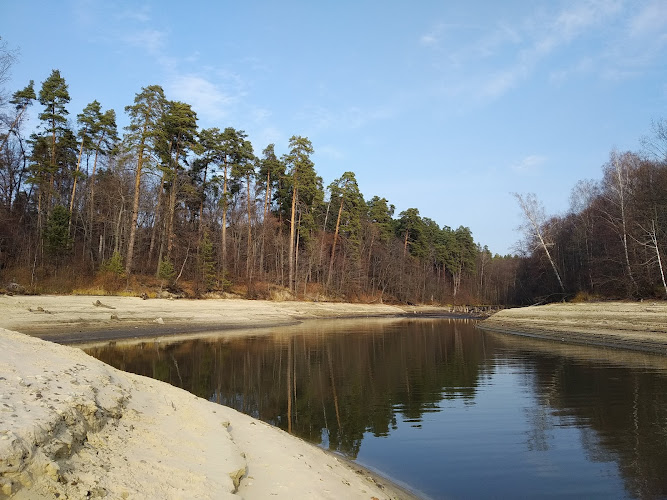
Lyamzyay
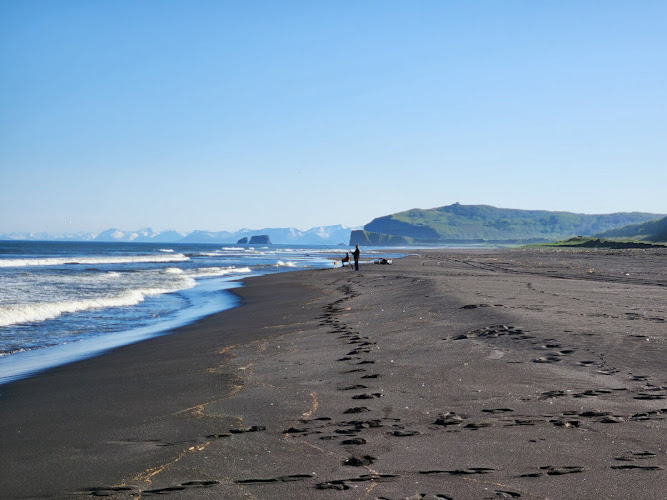
Khalaktyrsky Beach
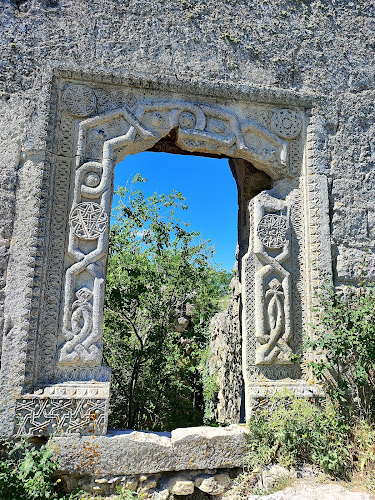
Krepostʹ Manhup-Kale
Find Accommodations Nearby
Recommended Tours & Activities
Visitor Reviews
There are no reviews yet. Be the first one to write one.
Share Your Experience
Have you visited 690091? Help other travelers by leaving a review.