
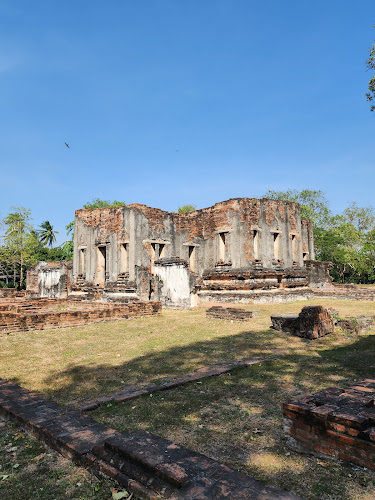
Kraison Siharat Palace (Yen Palace)
About Kraison Siharat Palace (Yen Palace)
Description
If you ask me, Kraison Siharat Palace – or as the locals often call it, the Yen Palace – is one of those rare places that manages to weave together Thai history, aged architecture, and the everyday bustle of Lopburi life. There’s absolutely something fascinating about wandering around a site that once echoed with royal footsteps and now welcomes the curious and the history-hungry alike. I remember my first visit: The light filtered softly through ancient stone archways while schoolkids laughed near the foundations, and I couldn’t help but feel a collision of centuries right in front of me.
Built over three hundred years ago during the golden era of King Narai, the Yen Palace isn’t just another collection of crumbling ruins. It’s an archaeological site that tells, quite plainly, stories you won’t find in your run-of-the-mill history textbook. The reminders of French influence, the proud silhouettes of Thai pillars, and the odd surprise like a clever bit of original brickwork still standing—well, you truly get a sense that this palace was a real place where real, interesting people lived their complicated lives.
What I especially enjoy about Kraison Siharat Palace is how peaceful it can feel (unless of course, you run into a pack of cheeky monkeys—trust me, they’re a riot, though not everyone finds them charming!). Unlike other glitzy attractions, this spot hasn’t been overly commercialized. The weathered halls and time-polished courtyards have their own honest sort of beauty. Families meander, folks take photos that look like something out of a history documentary, and you might even see locals sharing lunch in the shade of the ancient trees on a hot day.
Let me be honest—it isn’t the most polished tourist palace you’ll ever see. But that’s what I like about it! There’s a friendly, unpretentious atmosphere. The site is pretty well maintained, and it’s good for people with kids or travelers who aren’t looking to climb steep steps. Plus, the palace caters to folks who need wheelchair access, which, honestly, is something not every landmark in Thailand can promise. If you ask me, that alone is a huge plus.
Key Features
- Rich History: Once the summer residence of King Narai the Great, the palace echoes stories from the Ayutthaya period and was deeply influenced by both Thai and Western architecture.
- Unique Architecture: Highlights a blend of Thai, French, and Persian design elements – arches, moat remnants, and original pavilions that have definitely seen a few suns rise and fall.
- Family-Friendly: Wide open courtyards and safe walkways mean you can let the kids explore without too much worry. Educational plaques and signs can get the young ones engaged and spark some “when can we go see another palace?”-type excitement.
- Wheelchair Accessibility: Includes accessible parking and entrances, making it a solid choice for visitors of all mobility levels without fuss or embarrassment.
- Archaeological Interest: You’ll spot active excavation areas and interpretive displays for curious minds who want to know how this place looked in its heyday. If you happen to catch an archaeologist on-site, they’re sometimes open to a quick chat (if you're polite about it).
- Lush Grounds: Old trees, inviting bits of afternoon shade, and cool breezes help make wandering pleasant even in the warmer months. Lots of photo ops for shutterbugs, if you’re into that kind of thing.
- Local Flavor: Often used for community events and low-key weekend markets—so you might end up stumbling onto fresh fruit stalls or local performances if your timing is right.
- Monkey Sightings: Lopburi is infamous for its monkeys. Sometimes they pop by for a mischievous hello. Watch your snacks!
Best Time to Visit
Now, this might surprise you, but I genuinely think the best time to visit Kraison Siharat Palace is early in the morning, especially if you can swing a weekday. The crowds are thin, the air is cooler, and the sunlight makes everything look twice as photogenic. I’ve gone in the thick of the afternoon once, and let me tell you, unless you run on solar power, that’s a sweaty experience you may not want to repeat.
November to February, Thailand’s so-called “cool season,” is your safest bet. That’s when Lopburi gets its best weather: breezy, pleasantly warm, and mostly dry. If you come during the annual Monkey Festival (usually in late November), the whole district is alive and buzzing, and you can really soak in the quirky, lively atmosphere unique to Lopburi. But, big caveat—those curious monkeys are extra playful then, so keep an eye on your sunglasses and bags.
If you’re all about the photos, sunsets here can be downright magical. There’s something poetic about those golden beams lighting up centuries of history. Aim for late afternoon into early evening for that golden-hour glow, but keep enough time to explore before they close up for the day.
How to Get There
Getting to a slightly hidden gem like Yen Palace is half the fun—depending, of course, on your sense of adventure and how much time you’ve got to spare. If you’re in central Lopburi, you can pretty much take a short tuk-tuk ride or a leisurely stroll if you don’t mind a bit of heat or monkey gawkers along the way.
For the planners among us (yes, I’m guilty of always checking train times), Lopburi is well-connected by rail from Bangkok and Ayutthaya. The palace is about a 10–15 minute walk from the main train station, so you won’t be hailing taxis or fiddling with GPS for ages (unless you get sidetracked by a street stall—I’ve been there, trust me). Bus routes and minivans from nearby provinces all funnel travelers into the city center, with well-signposted directions to the palace.
And if you’re driving, there’s conveniently located, wheelchair-accessible parking. I’d say parking is relatively stress-free, especially during non-peak hours. Make sure to watch for signs, though—a monkey or two might try to examine your windshield wipers if you’re parked too long.
Tips for Visiting
So here’s my quick and honest list of tips—things I wish someone had told me before my first visit to Kraison Siharat Palace:
- Bring Water and a Hat: Thai sun gets aggressive. Grab a bottle of water (or two if you’re like me and sweat a lot) and a decent hat; the site isn’t packed with vendors once you’re inside.
- Mind the Monkeys: I know, I keep talking about them, but they’re unavoidable. Monkeys here are clever, sometimes bold. Don’t bring plastic bags full of snacks or shiny gear you’d hate to lose. I once watched a tourist get her leftover sticky rice snatched faster than she could say “snap a photo.”
- Wear Comfortable Shoes: The paths can be uneven, and you’ll regret those fancy sandals after half an hour of exploring. Sneakers or comfy walking shoes make all the difference (I learned this the hard way—my heel blisters have never forgiven me).
- Charge Up Your Camera: Whether it’s a phone or a DSLR, you’d regret not having enough battery for those atmospheric shots—especially during sunrise or sunset. Some of my favorite travel photos were snapped right here.
- Read Up Beforehand: There are English signs and plaques, but a little pre-visit reading will help the whole palace spring to life. Or, if you’re traveling with family, turn the visit into a fun scavenger hunt. “Who can spot the oldest brickwork?” That kind of thing keeps kids and grown-ups entertained.
- Check Opening Hours: Sometimes, the hours shift a bit for holidays or special events. It’s a quick thing to look up the morning of your visit, saves you disappointment if you’re coming from out of town.
- Be Respectful: This is still a site of deep historical and cultural meaning—no climbing on fragile structures or blaring loud music. Treat it like the living museum it is, and you’ll be golden.
One last little piece of wisdom: don’t rush it. Take your time, listen, look, even sit on a bench under the trees and absorb what’s left of the royal breeze. Kraison Siharat Palace isn’t just a place to tick off your travel list—it’s a chance to connect with the past, soak up local color, and maybe, just maybe, find a spot you’ll remember long after the trip’s over.
Key Features
- Key Features
- Best Time to Visit
- How to Get There
- Tips for Visiting
More Details
Updated June 7, 2025
Table of Contents
- Description
- Key Features
- Best Time to Visit
- How to Get There
- Tips for Visiting
- Key Highlights
- Location
- Places to Stay Near Kraison Siharat Palace (Yen Palace)
- Find and Book a Tour
- Explore More Travel Guides
- Nearby Places You Might Like
- Traveler Reviews for Kraison Siharat Palace (Yen Palace)
- Share Your Experience
Description
If you ask me, Kraison Siharat Palace – or as the locals often call it, the Yen Palace – is one of those rare places that manages to weave together Thai history, aged architecture, and the everyday bustle of Lopburi life. There’s absolutely something fascinating about wandering around a site that once echoed with royal footsteps and now welcomes the curious and the history-hungry alike. I remember my first visit: The light filtered softly through ancient stone archways while schoolkids laughed near the foundations, and I couldn’t help but feel a collision of centuries right in front of me.
Built over three hundred years ago during the golden era of King Narai, the Yen Palace isn’t just another collection of crumbling ruins. It’s an archaeological site that tells, quite plainly, stories you won’t find in your run-of-the-mill history textbook. The reminders of French influence, the proud silhouettes of Thai pillars, and the odd surprise like a clever bit of original brickwork still standing—well, you truly get a sense that this palace was a real place where real, interesting people lived their complicated lives.
What I especially enjoy about Kraison Siharat Palace is how peaceful it can feel (unless of course, you run into a pack of cheeky monkeys—trust me, they’re a riot, though not everyone finds them charming!). Unlike other glitzy attractions, this spot hasn’t been overly commercialized. The weathered halls and time-polished courtyards have their own honest sort of beauty. Families meander, folks take photos that look like something out of a history documentary, and you might even see locals sharing lunch in the shade of the ancient trees on a hot day.
Let me be honest—it isn’t the most polished tourist palace you’ll ever see. But that’s what I like about it! There’s a friendly, unpretentious atmosphere. The site is pretty well maintained, and it’s good for people with kids or travelers who aren’t looking to climb steep steps. Plus, the palace caters to folks who need wheelchair access, which, honestly, is something not every landmark in Thailand can promise. If you ask me, that alone is a huge plus.
Key Features
- Rich History: Once the summer residence of King Narai the Great, the palace echoes stories from the Ayutthaya period and was deeply influenced by both Thai and Western architecture.
- Unique Architecture: Highlights a blend of Thai, French, and Persian design elements – arches, moat remnants, and original pavilions that have definitely seen a few suns rise and fall.
- Family-Friendly: Wide open courtyards and safe walkways mean you can let the kids explore without too much worry. Educational plaques and signs can get the young ones engaged and spark some “when can we go see another palace?”-type excitement.
- Wheelchair Accessibility: Includes accessible parking and entrances, making it a solid choice for visitors of all mobility levels without fuss or embarrassment.
- Archaeological Interest: You’ll spot active excavation areas and interpretive displays for curious minds who want to know how this place looked in its heyday. If you happen to catch an archaeologist on-site, they’re sometimes open to a quick chat (if you’re polite about it).
- Lush Grounds: Old trees, inviting bits of afternoon shade, and cool breezes help make wandering pleasant even in the warmer months. Lots of photo ops for shutterbugs, if you’re into that kind of thing.
- Local Flavor: Often used for community events and low-key weekend markets—so you might end up stumbling onto fresh fruit stalls or local performances if your timing is right.
- Monkey Sightings: Lopburi is infamous for its monkeys. Sometimes they pop by for a mischievous hello. Watch your snacks!
Best Time to Visit
Now, this might surprise you, but I genuinely think the best time to visit Kraison Siharat Palace is early in the morning, especially if you can swing a weekday. The crowds are thin, the air is cooler, and the sunlight makes everything look twice as photogenic. I’ve gone in the thick of the afternoon once, and let me tell you, unless you run on solar power, that’s a sweaty experience you may not want to repeat.
November to February, Thailand’s so-called “cool season,” is your safest bet. That’s when Lopburi gets its best weather: breezy, pleasantly warm, and mostly dry. If you come during the annual Monkey Festival (usually in late November), the whole district is alive and buzzing, and you can really soak in the quirky, lively atmosphere unique to Lopburi. But, big caveat—those curious monkeys are extra playful then, so keep an eye on your sunglasses and bags.
If you’re all about the photos, sunsets here can be downright magical. There’s something poetic about those golden beams lighting up centuries of history. Aim for late afternoon into early evening for that golden-hour glow, but keep enough time to explore before they close up for the day.
How to Get There
Getting to a slightly hidden gem like Yen Palace is half the fun—depending, of course, on your sense of adventure and how much time you’ve got to spare. If you’re in central Lopburi, you can pretty much take a short tuk-tuk ride or a leisurely stroll if you don’t mind a bit of heat or monkey gawkers along the way.
For the planners among us (yes, I’m guilty of always checking train times), Lopburi is well-connected by rail from Bangkok and Ayutthaya. The palace is about a 10–15 minute walk from the main train station, so you won’t be hailing taxis or fiddling with GPS for ages (unless you get sidetracked by a street stall—I’ve been there, trust me). Bus routes and minivans from nearby provinces all funnel travelers into the city center, with well-signposted directions to the palace.
And if you’re driving, there’s conveniently located, wheelchair-accessible parking. I’d say parking is relatively stress-free, especially during non-peak hours. Make sure to watch for signs, though—a monkey or two might try to examine your windshield wipers if you’re parked too long.
Tips for Visiting
So here’s my quick and honest list of tips—things I wish someone had told me before my first visit to Kraison Siharat Palace:
- Bring Water and a Hat: Thai sun gets aggressive. Grab a bottle of water (or two if you’re like me and sweat a lot) and a decent hat; the site isn’t packed with vendors once you’re inside.
- Mind the Monkeys: I know, I keep talking about them, but they’re unavoidable. Monkeys here are clever, sometimes bold. Don’t bring plastic bags full of snacks or shiny gear you’d hate to lose. I once watched a tourist get her leftover sticky rice snatched faster than she could say “snap a photo.”
- Wear Comfortable Shoes: The paths can be uneven, and you’ll regret those fancy sandals after half an hour of exploring. Sneakers or comfy walking shoes make all the difference (I learned this the hard way—my heel blisters have never forgiven me).
- Charge Up Your Camera: Whether it’s a phone or a DSLR, you’d regret not having enough battery for those atmospheric shots—especially during sunrise or sunset. Some of my favorite travel photos were snapped right here.
- Read Up Beforehand: There are English signs and plaques, but a little pre-visit reading will help the whole palace spring to life. Or, if you’re traveling with family, turn the visit into a fun scavenger hunt. “Who can spot the oldest brickwork?” That kind of thing keeps kids and grown-ups entertained.
- Check Opening Hours: Sometimes, the hours shift a bit for holidays or special events. It’s a quick thing to look up the morning of your visit, saves you disappointment if you’re coming from out of town.
- Be Respectful: This is still a site of deep historical and cultural meaning—no climbing on fragile structures or blaring loud music. Treat it like the living museum it is, and you’ll be golden.
One last little piece of wisdom: don’t rush it. Take your time, listen, look, even sit on a bench under the trees and absorb what’s left of the royal breeze. Kraison Siharat Palace isn’t just a place to tick off your travel list—it’s a chance to connect with the past, soak up local color, and maybe, just maybe, find a spot you’ll remember long after the trip’s over.
Key Highlights
- Key Features
- Best Time to Visit
- How to Get There
- Tips for Visiting
Location
Places to Stay Near Kraison Siharat Palace (Yen Palace)
Find and Book a Tour
Explore More Travel Guides
No reviews found! Be the first to review!
Traveler Reviews for Kraison Siharat Palace (Yen Palace)
There are no reviews yet. Be the first one to write one.
Have you visited Kraison Siharat Palace (Yen Palace)? Help other travelers by sharing your review.
You Might Also Like
Find Accommodations Nearby
Recommended Tours & Activities
Visitor Reviews
There are no reviews yet. Be the first one to write one.
Share Your Experience
Have you visited Kraison Siharat Palace (Yen Palace)? Help other travelers by leaving a review.