

Kota Bharu
About Kota Bharu
Description
Kota Bharu sits right at the northeastern corner of Peninsular Malaysia, practically kissing the Thai border and hugging the South China Sea coast. This is where Malaysia's Islamic heritage meets everyday life in the most authentic way you'll find anywhere in the country. The city serves as the capital of Kelantan state, and honestly, it feels like stepping into a different Malaysia altogether—one that moves at its own rhythm and follows its own cultural compass. I remember my first visit here, expecting just another Malaysian city, but what I got was something completely different. The place breathes tradition in ways that bigger cities have long forgotten. Women in colorful hijabs dominate the markets, the call to prayer echoes five times daily with particular reverence, and the local dialect sounds almost like a different language entirely. You won't find much nightlife here (alcohol is pretty hard to come by in this conservative state), but what you will discover is a living museum of Malay culture that hasn't been sanitized for tourists. The city's relationship with its Islamic identity is central to understanding Kota Bharu. Kelantan is governed by PAS, an Islamic political party, which means the city observes Friday-Saturday weekends instead of the typical Saturday-Sunday you'll find elsewhere in Malaysia. Shops close for Friday prayers, and the dress code tends toward modest even by Malaysian standards. But don't let that intimidate you—the locals are genuinely warm and curious about visitors, often more so than in tourist-heavy destinations. What makes Kota Bharu special isn't grand monuments or luxury experiences. It's the authentic cultural immersion you get just walking through Pasar Siti Khadijah, the city's famous central market run almost entirely by women. It's watching craftspeople create traditional kites and batik using techniques passed down through generations. It's eating nasi kerabu (blue rice with herbs and fish) for breakfast because that's what people actually eat here, not because some travel guide told you to.Key Features
The distinctive elements that define Kota Bharu create an experience quite unlike other Malaysian destinations:- Pasar Siti Khadijah - This three-story market named after Prophet Muhammad's wife operates as a matriarchal trading hub where women vendors dominate, selling everything from fresh produce to traditional cakes and handicrafts in a building that resembles a mosque
- Royal Museums - Several beautifully preserved wooden palaces showcase Kelantanese royal heritage, including Istana Jahar with its intricate architecture and Museum Negeri displaying traditional weapons, musical instruments, and royal regalia
- Traditional Crafts Villages - Surrounding areas like Kampung Kraftangan house artisans creating wau bulan (moon kites), batik textiles, silverware, and wood carvings using centuries-old methods you can actually watch and learn
- Authentic Kelantanese Cuisine - The food scene here is uncompromisingly local, featuring dishes like nasi dagang, ayam percik, solok lada, and various kuih-muih (traditional cakes) that you'll struggle to find prepared this authentically anywhere else
- Beach Access - Pantai Cahaya Bulan (formerly Pantai Cinta Berahi or Beach of Passionate Love, renamed for Islamic propriety) offers a local beach experience where families picnic and fishermen still pull in their daily catch
- Islamic Architecture - Numerous beautiful mosques including Masjid Muhammadi and the striking State Mosque showcase regional Islamic architectural styles with colorful designs and distinctive local touches
- Cultural Performances - Traditional art forms like wayang kulit (shadow puppetry), mak yong dance-drama, and rebana ubi (giant drum performances) are still practiced and occasionally performed, though finding shows requires some local knowledge
- Night Market Culture - Pasar Malam Kota Bharu transforms evenings into a sensory experience with street food stalls, clothing vendors, and a distinctly local atmosphere where tourists are rare
Best Time to Visit
Here's where things get a bit tricky with Kota Bharu. The monsoon season hits the east coast of Peninsular Malaysia hard between November and February, and I mean really hard. We're talking serious flooding, rough seas, and many businesses closing up shop temporarily. I once tried visiting in late December thinking I'd get cheap rates—yeah, I got cheap rates alright, but half the restaurants were closed and the rain was relentless. Not recommended unless you enjoy watching the world from under an umbrella. The sweet spot for visiting runs from March through September. March to May offers the most comfortable weather before the serious heat kicks in, though you'll still feel that tropical humidity the moment you step outside. But it's manageable, especially compared to what comes next. June through August brings the hottest temperatures—we're talking 33-35°C (91-95°F) regularly. Yet this period also sees less rainfall and plenty of sunshine if you can handle the heat. The beaches are at their best during these months, and all the cultural attractions operate on full schedules. September through early October serves as a transition period. You might catch some early rain, but it's usually not the deluge that comes later. Prices start dropping, crowds thin out, and you get a more relaxed experience overall. Now, here's something most travel sites won't tell you: timing your visit around the Islamic calendar can significantly affect your experience. During Ramadan, restaurants may be closed during daylight hours, though night markets become especially lively for the breaking of fast. Eid celebrations that follow are spectacular if you're lucky enough to be here, with the whole city dressed up and celebrating, but many shops close for several days. The Friday-Saturday weekend thing I mentioned earlier? That affects when you'll find museums and government sites open. Plan accordingly, because showing up on a Friday expecting everything to be bustling might leave you disappointed.How to Get There
Getting to Kota Bharu requires a bit more effort than reaching Malaysia's more tourist-friendly destinations, but that's partly why it maintains its authentic character. Sultan Ismail Petra Airport sits just outside the city and receives daily flights from Kuala Lumpur on carriers like Malaysia Airlines, AirAsia, and Firefly. The flight takes roughly an hour, and honestly, this is the most straightforward option for most travelers. From the airport, taxis and ride-sharing apps can get you into the city center in about 15-20 minutes. The airport is small and easy to navigate—none of that massive terminal confusion you get at KL's airports. But if you're up for an adventure, the overland journey tells a better story. The train from Kuala Lumpur to Wakaf Bharu (the station serving Kota Bharu) takes about 8-10 hours through the interior of the peninsula. I took this journey once and watched the landscape transform from urban sprawl to oil palm plantations to rural kampungs with wooden houses on stilts. The jungle-railway experience is genuinely beautiful, and you'll arrive at Wakaf Bharu station just across the river from Kota Bharu proper. A short taxi ride or even a walk across the bridge gets you into the city. Buses run regularly from major Malaysian cities, though it's a long haul—about 8-9 hours from Kuala Lumpur, more from other locations. The buses are usually comfortable enough (go for the premium coaches if available), and you'll save money compared to flying. Several bus companies operate this route, departing from Terminal Bersepadu Selatan in KL. Driving from the west coast means crossing the interior of the peninsula, which takes about 5-6 hours from KL depending on your route and stops. The roads are generally good, and you get the flexibility to explore along the way. From southern Thailand, Kota Bharu is actually quite accessible—the border crossing at Rantau Panjang is just about 30 kilometers away, making this city a natural stop for travelers working their way down the peninsula. Within Kota Bharu itself, taxis and ride-sharing apps work fine for getting around, though the city center is actually quite walkable if you don't mind the heat. Local buses exist but require some knowledge of routes that most short-term visitors won't have.Tips for Visiting
Dress modestly, and I can't stress this enough. Kota Bharu takes modesty seriously, and while tourists get some leeway, you'll have a much better experience if you respect local norms. Women should cover shoulders and knees at minimum—many female travelers find wearing long, loose pants or maxi skirts most comfortable. Men should avoid tank tops and short shorts. When visiting mosques, you'll need even more coverage, though many provide robes you can borrow. And speaking of mosques, most welcome respectful non-Muslim visitors outside prayer times, but always ask permission before entering. Remove your shoes, and women will need to cover their hair. The architecture alone makes these visits worthwhile. Learn a few Malay phrases if you can. English proficiency in Kota Bharu is lower than in KL or Penang, and making the effort to say "terima kasih" (thank you) or "berapa harga?" (how much?) goes a long way. The Kelantanese dialect is distinct, though, so don't be surprised if locals speak differently than your phrasebook. Cash remains king here more than in other Malaysian cities. Sure, bigger establishments take cards, but market vendors, small restaurants, and taxi drivers often prefer cash. ATMs are readily available, so stock up before heading to markets or rural areas. The food scene deserves your full attention and appetite. Don't skip breakfast—morning markets offer the best selection of traditional Kelantanese dishes. Nasi kerabu isn't just food; it's a cultural experience. That blue color comes from butterfly pea flowers, and it's traditionally eaten with your hands (right hand only, please). The combination of herbs, coconut, and fish creates flavors you genuinely won't find elsewhere. Photography etiquette matters more here than in tourist-heavy areas. Always ask before photographing people, especially women. Some may decline, and that's perfectly fine. Market scenes, architecture, and food are usually okay, but use common sense and respect privacy. Respect prayer times, which occur five times daily. You'll hear the call to prayer echo across the city, and many shops close briefly, especially for Friday prayers. Plan your activities around this rhythm rather than fighting against it. Visit the craft villages during weekdays when artisans are actually working. Weekend visits might find workshops closed or less active. Watching a master craftsman create a wau bulan kite is genuinely fascinating, and many are happy to explain their work if you show genuine interest. Bargaining is expected at markets and with certain vendors, but don't be aggressive about it. This isn't Bangkok or Marrakech—people here value relationships and respect. Offer a fair counter-price, smile, and accept if they can't go lower. You're haggling over small amounts anyway, and the income supports local families. The heat and humidity can be brutal, especially if you're not accustomed to tropical climates. Carry water, wear sunscreen, and don't overpack your daily itinerary. Taking a midday break during the hottest hours isn't lazy—it's smart. Finally, approach Kota Bharu with an open mind and patience for a different pace of life. This isn't a city of grand monuments or luxury resorts. What it offers is authenticity, cultural depth, and a glimpse of Malaysian Islamic culture that hasn't been commercialized or watered down for foreign consumption. That's worth way more than any postcard view if you ask me.Key Features
- Siti Khadijah Market — vibrant local market and food hub
- Rich Malay-Islamic cultural heritage and handicrafts (batik, songket)
- Historic wooden architecture and royal palace complex
- Gateway to east-coast beaches and the Perhentian/Redang island region
- Close proximity to Thai border and cross-cultural influences
More Details
Updated March 30, 2026
Table of Contents
Description
Kota Bharu sits right at the northeastern corner of Peninsular Malaysia, practically kissing the Thai border and hugging the South China Sea coast. This is where Malaysia’s Islamic heritage meets everyday life in the most authentic way you’ll find anywhere in the country. The city serves as the capital of Kelantan state, and honestly, it feels like stepping into a different Malaysia altogether—one that moves at its own rhythm and follows its own cultural compass.
I remember my first visit here, expecting just another Malaysian city, but what I got was something completely different. The place breathes tradition in ways that bigger cities have long forgotten. Women in colorful hijabs dominate the markets, the call to prayer echoes five times daily with particular reverence, and the local dialect sounds almost like a different language entirely. You won’t find much nightlife here (alcohol is pretty hard to come by in this conservative state), but what you will discover is a living museum of Malay culture that hasn’t been sanitized for tourists.
The city’s relationship with its Islamic identity is central to understanding Kota Bharu. Kelantan is governed by PAS, an Islamic political party, which means the city observes Friday-Saturday weekends instead of the typical Saturday-Sunday you’ll find elsewhere in Malaysia. Shops close for Friday prayers, and the dress code tends toward modest even by Malaysian standards. But don’t let that intimidate you—the locals are genuinely warm and curious about visitors, often more so than in tourist-heavy destinations.
What makes Kota Bharu special isn’t grand monuments or luxury experiences. It’s the authentic cultural immersion you get just walking through Pasar Siti Khadijah, the city’s famous central market run almost entirely by women. It’s watching craftspeople create traditional kites and batik using techniques passed down through generations. It’s eating nasi kerabu (blue rice with herbs and fish) for breakfast because that’s what people actually eat here, not because some travel guide told you to.
Key Features
The distinctive elements that define Kota Bharu create an experience quite unlike other Malaysian destinations:
- Pasar Siti Khadijah – This three-story market named after Prophet Muhammad’s wife operates as a matriarchal trading hub where women vendors dominate, selling everything from fresh produce to traditional cakes and handicrafts in a building that resembles a mosque
- Royal Museums – Several beautifully preserved wooden palaces showcase Kelantanese royal heritage, including Istana Jahar with its intricate architecture and Museum Negeri displaying traditional weapons, musical instruments, and royal regalia
- Traditional Crafts Villages – Surrounding areas like Kampung Kraftangan house artisans creating wau bulan (moon kites), batik textiles, silverware, and wood carvings using centuries-old methods you can actually watch and learn
- Authentic Kelantanese Cuisine – The food scene here is uncompromisingly local, featuring dishes like nasi dagang, ayam percik, solok lada, and various kuih-muih (traditional cakes) that you’ll struggle to find prepared this authentically anywhere else
- Beach Access – Pantai Cahaya Bulan (formerly Pantai Cinta Berahi or Beach of Passionate Love, renamed for Islamic propriety) offers a local beach experience where families picnic and fishermen still pull in their daily catch
- Islamic Architecture – Numerous beautiful mosques including Masjid Muhammadi and the striking State Mosque showcase regional Islamic architectural styles with colorful designs and distinctive local touches
- Cultural Performances – Traditional art forms like wayang kulit (shadow puppetry), mak yong dance-drama, and rebana ubi (giant drum performances) are still practiced and occasionally performed, though finding shows requires some local knowledge
- Night Market Culture – Pasar Malam Kota Bharu transforms evenings into a sensory experience with street food stalls, clothing vendors, and a distinctly local atmosphere where tourists are rare
Best Time to Visit
Here’s where things get a bit tricky with Kota Bharu. The monsoon season hits the east coast of Peninsular Malaysia hard between November and February, and I mean really hard. We’re talking serious flooding, rough seas, and many businesses closing up shop temporarily. I once tried visiting in late December thinking I’d get cheap rates—yeah, I got cheap rates alright, but half the restaurants were closed and the rain was relentless. Not recommended unless you enjoy watching the world from under an umbrella.
The sweet spot for visiting runs from March through September. March to May offers the most comfortable weather before the serious heat kicks in, though you’ll still feel that tropical humidity the moment you step outside. But it’s manageable, especially compared to what comes next.
June through August brings the hottest temperatures—we’re talking 33-35°C (91-95°F) regularly. Yet this period also sees less rainfall and plenty of sunshine if you can handle the heat. The beaches are at their best during these months, and all the cultural attractions operate on full schedules.
September through early October serves as a transition period. You might catch some early rain, but it’s usually not the deluge that comes later. Prices start dropping, crowds thin out, and you get a more relaxed experience overall.
Now, here’s something most travel sites won’t tell you: timing your visit around the Islamic calendar can significantly affect your experience. During Ramadan, restaurants may be closed during daylight hours, though night markets become especially lively for the breaking of fast. Eid celebrations that follow are spectacular if you’re lucky enough to be here, with the whole city dressed up and celebrating, but many shops close for several days.
The Friday-Saturday weekend thing I mentioned earlier? That affects when you’ll find museums and government sites open. Plan accordingly, because showing up on a Friday expecting everything to be bustling might leave you disappointed.
How to Get There
Getting to Kota Bharu requires a bit more effort than reaching Malaysia’s more tourist-friendly destinations, but that’s partly why it maintains its authentic character.
Sultan Ismail Petra Airport sits just outside the city and receives daily flights from Kuala Lumpur on carriers like Malaysia Airlines, AirAsia, and Firefly. The flight takes roughly an hour, and honestly, this is the most straightforward option for most travelers. From the airport, taxis and ride-sharing apps can get you into the city center in about 15-20 minutes. The airport is small and easy to navigate—none of that massive terminal confusion you get at KL’s airports.
But if you’re up for an adventure, the overland journey tells a better story. The train from Kuala Lumpur to Wakaf Bharu (the station serving Kota Bharu) takes about 8-10 hours through the interior of the peninsula. I took this journey once and watched the landscape transform from urban sprawl to oil palm plantations to rural kampungs with wooden houses on stilts. The jungle-railway experience is genuinely beautiful, and you’ll arrive at Wakaf Bharu station just across the river from Kota Bharu proper. A short taxi ride or even a walk across the bridge gets you into the city.
Buses run regularly from major Malaysian cities, though it’s a long haul—about 8-9 hours from Kuala Lumpur, more from other locations. The buses are usually comfortable enough (go for the premium coaches if available), and you’ll save money compared to flying. Several bus companies operate this route, departing from Terminal Bersepadu Selatan in KL.
Driving from the west coast means crossing the interior of the peninsula, which takes about 5-6 hours from KL depending on your route and stops. The roads are generally good, and you get the flexibility to explore along the way. From southern Thailand, Kota Bharu is actually quite accessible—the border crossing at Rantau Panjang is just about 30 kilometers away, making this city a natural stop for travelers working their way down the peninsula.
Within Kota Bharu itself, taxis and ride-sharing apps work fine for getting around, though the city center is actually quite walkable if you don’t mind the heat. Local buses exist but require some knowledge of routes that most short-term visitors won’t have.
Tips for Visiting
Dress modestly, and I can’t stress this enough. Kota Bharu takes modesty seriously, and while tourists get some leeway, you’ll have a much better experience if you respect local norms. Women should cover shoulders and knees at minimum—many female travelers find wearing long, loose pants or maxi skirts most comfortable. Men should avoid tank tops and short shorts. When visiting mosques, you’ll need even more coverage, though many provide robes you can borrow.
And speaking of mosques, most welcome respectful non-Muslim visitors outside prayer times, but always ask permission before entering. Remove your shoes, and women will need to cover their hair. The architecture alone makes these visits worthwhile.
Learn a few Malay phrases if you can. English proficiency in Kota Bharu is lower than in KL or Penang, and making the effort to say “terima kasih” (thank you) or “berapa harga?” (how much?) goes a long way. The Kelantanese dialect is distinct, though, so don’t be surprised if locals speak differently than your phrasebook.
Cash remains king here more than in other Malaysian cities. Sure, bigger establishments take cards, but market vendors, small restaurants, and taxi drivers often prefer cash. ATMs are readily available, so stock up before heading to markets or rural areas.
The food scene deserves your full attention and appetite. Don’t skip breakfast—morning markets offer the best selection of traditional Kelantanese dishes. Nasi kerabu isn’t just food; it’s a cultural experience. That blue color comes from butterfly pea flowers, and it’s traditionally eaten with your hands (right hand only, please). The combination of herbs, coconut, and fish creates flavors you genuinely won’t find elsewhere.
Photography etiquette matters more here than in tourist-heavy areas. Always ask before photographing people, especially women. Some may decline, and that’s perfectly fine. Market scenes, architecture, and food are usually okay, but use common sense and respect privacy.
Respect prayer times, which occur five times daily. You’ll hear the call to prayer echo across the city, and many shops close briefly, especially for Friday prayers. Plan your activities around this rhythm rather than fighting against it.
Visit the craft villages during weekdays when artisans are actually working. Weekend visits might find workshops closed or less active. Watching a master craftsman create a wau bulan kite is genuinely fascinating, and many are happy to explain their work if you show genuine interest.
Bargaining is expected at markets and with certain vendors, but don’t be aggressive about it. This isn’t Bangkok or Marrakech—people here value relationships and respect. Offer a fair counter-price, smile, and accept if they can’t go lower. You’re haggling over small amounts anyway, and the income supports local families.
The heat and humidity can be brutal, especially if you’re not accustomed to tropical climates. Carry water, wear sunscreen, and don’t overpack your daily itinerary. Taking a midday break during the hottest hours isn’t lazy—it’s smart.
Finally, approach Kota Bharu with an open mind and patience for a different pace of life. This isn’t a city of grand monuments or luxury resorts. What it offers is authenticity, cultural depth, and a glimpse of Malaysian Islamic culture that hasn’t been commercialized or watered down for foreign consumption. That’s worth way more than any postcard view if you ask me.
Key Highlights
- Siti Khadijah Market — vibrant local market and food hub
- Rich Malay-Islamic cultural heritage and handicrafts (batik, songket)
- Historic wooden architecture and royal palace complex
- Gateway to east-coast beaches and the Perhentian/Redang island region
- Close proximity to Thai border and cross-cultural influences
Location
Places to Stay Near Kota Bharu
Find and Book a Tour
Explore More Travel Guides
No reviews found! Be the first to review!
Kota Bharu is a prominent Attractions located in Kota Bharu.
Traveler Reviews for Kota Bharu
There are no reviews yet. Be the first one to write one.
Have you visited Kota Bharu? Help other travelers by sharing your review.
Nearby Attractions
You Might Also Like
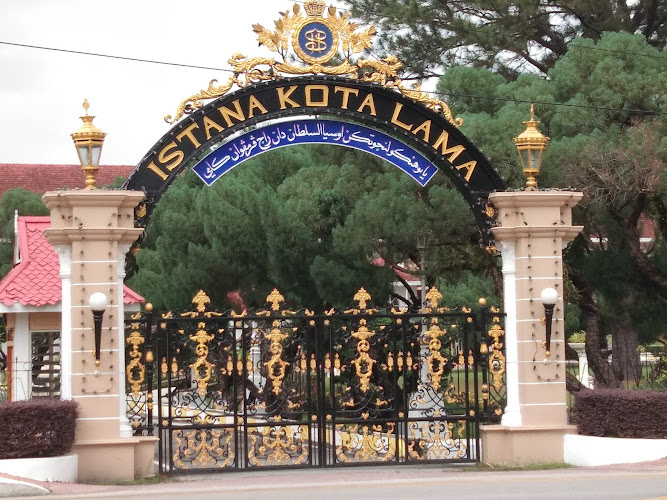
Istana Kota Lama

War Museum — Kerapu Bank

Persimpangan Padang Garong
Find Accommodations Nearby
Recommended Tours & Activities
Visitor Reviews
There are no reviews yet. Be the first one to write one.
Share Your Experience
Have you visited Kota Bharu? Help other travelers by leaving a review.