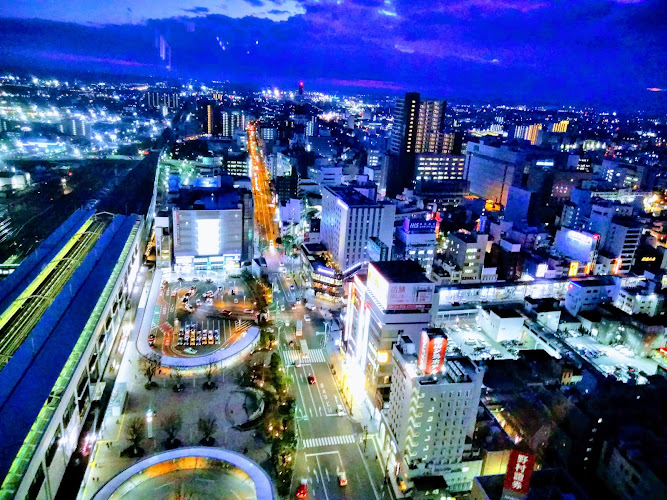
About Koriyama

Description

Kōriyama, tucked right in the heart of Fukushima Prefecture, is one of those cities that quietly surprises you. It’s not the kind of place that shouts for attention, but once you’re there, it’s hard not to feel drawn in. With a population of just over 320,000, Kōriyama feels big enough to buzz with life yet small enough to keep that grounded, local charm. The city stretches across about 757 square kilometers, a mix of urban energy, farmland, and gentle hills that roll toward the horizon. It’s a hub in the Tohoku region—some even call it the “commercial heart of Fukushima.” But beyond its modern façade, Kōriyama holds layers of history, culture, and nature that make it worth far more than just a stopover.

What I personally love about Kōriyama is how it balances the old and new without trying too hard. You can spend the morning sipping coffee in a sleek café near the station, and by afternoon, be standing in front of ancient cherry trees that have seen centuries pass. The city was shaped by water—literally—thanks to the development around Lake Inawashiro. That connection to nature still defines it today. Whether you’re exploring its parks, tasting locally brewed sake, or wandering through its quiet neighborhoods, there’s this sense of steady endurance, a quiet confidence that feels distinctly Japanese.

And honestly, Kōriyama’s people are what make it shine. There’s a warmth here that’s not loud or flashy—it’s in the simple gestures, the shopkeeper who insists you try their homemade pickles, or the elderly couple who stop to help you find your way. It’s one of those places that feels lived-in, real, and refreshingly unpretentious. If you’ve ever wanted to experience a slice of Japan that’s authentic and a bit under the radar, Kōriyama deserves a spot on your map.

Key Features

  • Koriyama Big-i: The city’s tallest skyscraper, standing 133 meters high, offering panoramic views of both the city and the surrounding mountains. It’s a great spot for photography, especially at sunset.
  • Kaiseizan Park: Famous for its cherry blossoms, this park transforms into a pink wonderland each spring. Locals gather here for hanami picnics, and it’s one of those moments that makes you feel like you’re in a Japanese postcard.
  • Lake Inawashiro: Just a short trip away, this lake is known for its crystal-clear waters and swan sightings in winter. It’s also a popular place for kayaking and cycling.
  • Asaka Canal: A historical engineering marvel that helped transform Kōriyama into a fertile agricultural hub. Walking along the canal gives you a glimpse into the city’s industrial roots.
  • Local Sake Breweries: The city’s climate and water make it ideal for sake brewing. You can tour local breweries and taste varieties that never make it outside the prefecture.
  • Koriyama City Museum of Art: A peaceful museum surrounded by greenery, featuring both Japanese and Western art, including works by Monet and Degas.
  • Festivals: The summer’s Uneme Festival is a highlight, with dancers, lanterns, and traditional music filling the streets. It’s a lively celebration that captures the city’s spirit.

Best Time to Visit

Timing matters in Kōriyama, and each season paints the city in a completely different light. Spring, from late March to early May, is hands down the most photogenic time to visit. The cherry blossoms in Kaiseizan Park are breathtaking, and the weather is mild enough for long walks. Summer brings festivals and fireworks, though it can get humid—so pack light clothes and plenty of energy. Autumn, though, might be my personal favorite. The air turns crisp, the hillsides glow with red and gold leaves, and the food scene really comes alive with harvest flavors. Winter, on the other hand, is quieter but magical in its own right. The snow-dusted landscapes and nearby ski resorts make it perfect for a cozy getaway. Plus, you can warm up with a cup of hot amazake from a local stall—trust me, it hits differently when it’s freezing outside.

How to Get There

Getting to Kōriyama is surprisingly easy, which is part of its charm. The city sits right along the Tohoku Shinkansen line, so you can hop on a bullet train from Tokyo and be there in about 80 to 90 minutes. That’s faster than most commutes, honestly. If you’re coming from Sendai, it’s about 40 minutes south by the same train line. There are also local trains and highway buses connecting Kōriyama to nearby cities like Aizu-Wakamatsu and Fukushima City, making it a convenient base for exploring the region.

Once you arrive at Koriyama Station, you’ll find yourself right in the thick of things. The station area is modern and lively, with shopping centers, restaurants, and hotels all within walking distance. For getting around the city, buses cover most major attractions, but honestly, walking or renting a bike can be more fun. The streets are safe and easy to navigate, and you’ll stumble upon plenty of hidden gems that way—tiny bakeries, vintage shops, and those random shrines tucked between buildings that make Japan so fascinating.

Tips for Visiting

Here’s where a few insider tips can really make your trip smoother—and maybe a bit more memorable. First off, if you’re visiting in spring, book accommodation early. The cherry blossom season draws visitors from all over Fukushima, and rooms fill up fast. I learned that the hard way one year when I ended up staying in a ryokan two towns over (which, to be fair, turned out to be a happy accident—it had the best onsen I’ve ever soaked in).

When it comes to food, don’t skip the local specialties. Kōriyama has a thing for ramen, and the local style is rich and flavorful, often made with soy-based broth and thick noodles. Pair that with a cold glass of locally brewed sake, and you’ll understand why people rave about Fukushima’s food scene. Also, try some fermented foods—this region has deep roots in fermentation culture, and you’ll find everything from miso to pickled vegetables that taste like nothing you’ve had before.

Language-wise, English isn’t as widely spoken as in Tokyo, but people are incredibly kind and will go out of their way to help. A translation app or a few basic Japanese phrases will go a long way. And if you’re into photography, bring extra memory cards. Between the natural scenery, the city lights, and the unexpected moments you’ll stumble across, you’ll be snapping photos constantly.

One more thing—take time to slow down. Kōriyama isn’t a city you rush through. It’s a place that rewards curiosity. Wander without a plan, talk to locals, follow the sound of festival drums or the smell of grilled yakitori down a side street. That’s where the real magic happens. And if you’re lucky, you might just find yourself sitting by the Asaka Canal at dusk, watching the lights shimmer on the water, thinking how glad you are that you came.

In the end, Kōriyama is a city that feels both familiar and new. It’s modern yet deeply rooted, lively yet peaceful, and full of small, human moments that stick with you long after you’ve left. Whether you’re chasing cherry blossoms, exploring art museums, or just craving a genuine slice of Japanese life, Kōriyama offers it all—quietly, confidently, and without pretense. And that’s exactly what makes it special.

Key Features

  • Key Features
  • Best Time to Visit
  • How to Get There
  • Tips for Visiting

More Details

Updated December 1, 2025


Description

Kōriyama, tucked right in the heart of Fukushima Prefecture, is one of those cities that quietly surprises you. It’s not the kind of place that shouts for attention, but once you’re there, it’s hard not to feel drawn in. With a population of just over 320,000, Kōriyama feels big enough to buzz with life yet small enough to keep that grounded, local charm. The city stretches across about 757 square kilometers, a mix of urban energy, farmland, and gentle hills that roll toward the horizon. It’s a hub in the Tohoku region—some even call it the “commercial heart of Fukushima.” But beyond its modern façade, Kōriyama holds layers of history, culture, and nature that make it worth far more than just a stopover.

What I personally love about Kōriyama is how it balances the old and new without trying too hard. You can spend the morning sipping coffee in a sleek café near the station, and by afternoon, be standing in front of ancient cherry trees that have seen centuries pass. The city was shaped by water—literally—thanks to the development around Lake Inawashiro. That connection to nature still defines it today. Whether you’re exploring its parks, tasting locally brewed sake, or wandering through its quiet neighborhoods, there’s this sense of steady endurance, a quiet confidence that feels distinctly Japanese.

And honestly, Kōriyama’s people are what make it shine. There’s a warmth here that’s not loud or flashy—it’s in the simple gestures, the shopkeeper who insists you try their homemade pickles, or the elderly couple who stop to help you find your way. It’s one of those places that feels lived-in, real, and refreshingly unpretentious. If you’ve ever wanted to experience a slice of Japan that’s authentic and a bit under the radar, Kōriyama deserves a spot on your map.

Key Features

  • Koriyama Big-i: The city’s tallest skyscraper, standing 133 meters high, offering panoramic views of both the city and the surrounding mountains. It’s a great spot for photography, especially at sunset.
  • Kaiseizan Park: Famous for its cherry blossoms, this park transforms into a pink wonderland each spring. Locals gather here for hanami picnics, and it’s one of those moments that makes you feel like you’re in a Japanese postcard.
  • Lake Inawashiro: Just a short trip away, this lake is known for its crystal-clear waters and swan sightings in winter. It’s also a popular place for kayaking and cycling.
  • Asaka Canal: A historical engineering marvel that helped transform Kōriyama into a fertile agricultural hub. Walking along the canal gives you a glimpse into the city’s industrial roots.
  • Local Sake Breweries: The city’s climate and water make it ideal for sake brewing. You can tour local breweries and taste varieties that never make it outside the prefecture.
  • Koriyama City Museum of Art: A peaceful museum surrounded by greenery, featuring both Japanese and Western art, including works by Monet and Degas.
  • Festivals: The summer’s Uneme Festival is a highlight, with dancers, lanterns, and traditional music filling the streets. It’s a lively celebration that captures the city’s spirit.

Best Time to Visit

Timing matters in Kōriyama, and each season paints the city in a completely different light. Spring, from late March to early May, is hands down the most photogenic time to visit. The cherry blossoms in Kaiseizan Park are breathtaking, and the weather is mild enough for long walks. Summer brings festivals and fireworks, though it can get humid—so pack light clothes and plenty of energy. Autumn, though, might be my personal favorite. The air turns crisp, the hillsides glow with red and gold leaves, and the food scene really comes alive with harvest flavors. Winter, on the other hand, is quieter but magical in its own right. The snow-dusted landscapes and nearby ski resorts make it perfect for a cozy getaway. Plus, you can warm up with a cup of hot amazake from a local stall—trust me, it hits differently when it’s freezing outside.

How to Get There

Getting to Kōriyama is surprisingly easy, which is part of its charm. The city sits right along the Tohoku Shinkansen line, so you can hop on a bullet train from Tokyo and be there in about 80 to 90 minutes. That’s faster than most commutes, honestly. If you’re coming from Sendai, it’s about 40 minutes south by the same train line. There are also local trains and highway buses connecting Kōriyama to nearby cities like Aizu-Wakamatsu and Fukushima City, making it a convenient base for exploring the region.

Once you arrive at Koriyama Station, you’ll find yourself right in the thick of things. The station area is modern and lively, with shopping centers, restaurants, and hotels all within walking distance. For getting around the city, buses cover most major attractions, but honestly, walking or renting a bike can be more fun. The streets are safe and easy to navigate, and you’ll stumble upon plenty of hidden gems that way—tiny bakeries, vintage shops, and those random shrines tucked between buildings that make Japan so fascinating.

Tips for Visiting

Here’s where a few insider tips can really make your trip smoother—and maybe a bit more memorable. First off, if you’re visiting in spring, book accommodation early. The cherry blossom season draws visitors from all over Fukushima, and rooms fill up fast. I learned that the hard way one year when I ended up staying in a ryokan two towns over (which, to be fair, turned out to be a happy accident—it had the best onsen I’ve ever soaked in).

When it comes to food, don’t skip the local specialties. Kōriyama has a thing for ramen, and the local style is rich and flavorful, often made with soy-based broth and thick noodles. Pair that with a cold glass of locally brewed sake, and you’ll understand why people rave about Fukushima’s food scene. Also, try some fermented foods—this region has deep roots in fermentation culture, and you’ll find everything from miso to pickled vegetables that taste like nothing you’ve had before.

Language-wise, English isn’t as widely spoken as in Tokyo, but people are incredibly kind and will go out of their way to help. A translation app or a few basic Japanese phrases will go a long way. And if you’re into photography, bring extra memory cards. Between the natural scenery, the city lights, and the unexpected moments you’ll stumble across, you’ll be snapping photos constantly.

One more thing—take time to slow down. Kōriyama isn’t a city you rush through. It’s a place that rewards curiosity. Wander without a plan, talk to locals, follow the sound of festival drums or the smell of grilled yakitori down a side street. That’s where the real magic happens. And if you’re lucky, you might just find yourself sitting by the Asaka Canal at dusk, watching the lights shimmer on the water, thinking how glad you are that you came.

In the end, Kōriyama is a city that feels both familiar and new. It’s modern yet deeply rooted, lively yet peaceful, and full of small, human moments that stick with you long after you’ve left. Whether you’re chasing cherry blossoms, exploring art museums, or just craving a genuine slice of Japanese life, Kōriyama offers it all—quietly, confidently, and without pretense. And that’s exactly what makes it special.

Key Highlights

  • Key Features
  • Best Time to Visit
  • How to Get There
  • Tips for Visiting

Location

Places to Stay Near Koriyama

Find and Book a Tour

Explore More Travel Guides

No reviews found! Be the first to review!

Traveler Reviews for Koriyama

There are no reviews yet. Be the first one to write one.

Share Your Experience

Have you visited Koriyama? Help other travelers by sharing your review.

Find Accommodations Nearby

Recommended Tours & Activities

Visitor Reviews

There are no reviews yet. Be the first one to write one.

Share Your Experience

Have you visited Koriyama? Help other travelers by leaving a review.