
Korea National Arboretum
About Korea National Arboretum
Description
The Korea National Arboretum isn’t the kind of attraction you rush through with a checklist in hand. It’s slower, greener, and honestly a bit humbling. Spread across a vast forested area, this national arboretum functions as both a protected research site and a visitor-friendly nature escape. Walking through it feels like stepping into Korea’s plant history, layer by leafy layer. Old-growth trees stand quietly next to carefully curated gardens, and every turn of the path seems to say, slow down, you’re not late for anything.
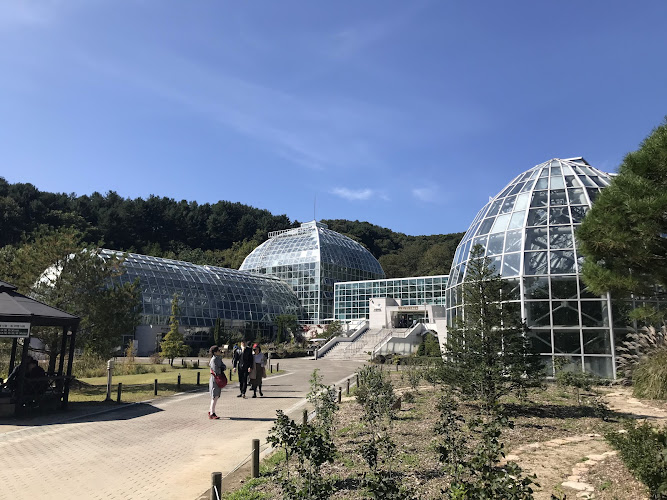
The arboretum combines wooded trails, outdoor gardens, themed greenhouses, and a forest museum, all stitched together with walking paths that range from easy strolls to longer hikes. Some areas feel wild and untouched, others feel gently organized, like nature agreed to tidy up just a little for guests. And that balance is kind of the magic here.
Travelers often expect something ornamental, like rows of labeled plants. That’s partly true, sure, but the Korea National Arboretum goes deeper. It exists to protect native Korean plant species, many of them rare or endangered. That sense of purpose is felt everywhere. You’re not just visiting a park; you’re entering a living archive. And yes, you can feel a bit smarter by the time you leave.
I remember visiting on a slightly overcast day, thinking it might be dull without sunshine. Turns out, that soft gray light made the greens look richer, deeper. The forest smelled like damp leaves and pine, and I ended up staying way longer than planned. That happens here. Time stretches. Phones go quiet. And suddenly you’re the kind of traveler who gets excited about moss.
It’s also worth saying this isn’t a perfect place, and that’s okay. Some paths can feel long if you’re not prepared, and signage isn’t always flashy or obvious. But that’s part of its honest, no-frills charm. It’s more about substance than spectacle, and travelers who appreciate that tend to leave very satisfied.
Key Features
- Extensive walking paths through preserved forest landscapes
- Outdoor gardens showcasing native and seasonal plant species
- Greenhouses with controlled climates and rare flora
- Forest museum explaining Korea’s ecological history
- Picnic areas with tables for relaxed meals outdoors
- Kid-friendly hiking routes and a dedicated playground
- Wheelchair-accessible entrance and parking areas
- Public restrooms spaced throughout the grounds
- Educational focus on conservation and biodiversity
One feature I didn’t expect to enjoy as much as I did was the forest museum. Museums can sometimes feel like a chore when you’re itching to be outside, but this one actually adds context to everything you see later. After learning how certain tree species survived centuries of change, spotting them along the trails becomes weirdly exciting. You’ll find yourself saying things like, hey, I just read about that tree, and yes, you might feel like a proud nerd.
Best Time to Visit
The arboretum changes personality with the seasons, which is both a blessing and a planning challenge. Spring is popular for good reason. Blossoms appear, the air feels fresh, and the gardens look carefully styled by nature itself. If you enjoy flowers and mild temperatures, spring is a solid bet.
Summer, though, is underrated. Yes, it can be humid, and yes, you’ll sweat. But the forest canopy offers shade, and the deeper greens are dramatic. I once visited in midsummer and was surprised by how cool some wooded sections felt. Bring water, wear breathable clothes, and you’ll be fine. Plus, fewer crowds tend to linger during peak heat.
Autumn might be the favorite for many travelers, and I get it. The foliage shifts into reds, oranges, and yellows, and the walking paths become photo-worthy without trying too hard. It’s also a comfortable time for longer hikes. If you’re the type who plans trips around fall colors, this place deserves a spot on your list.
Winter is quieter. Some areas may feel bare, and certain gardens won’t be at their best. But there’s a stark beauty to leafless trees and snow-dusted paths. It’s peaceful, contemplative. Not everyone’s cup of tea, but if you enjoy solitude and crisp air, winter visits can feel special.
Regardless of season, weekdays are calmer than weekends. And mornings beat afternoons if you prefer a quieter experience. Trust me, starting early here pays off.
How to Get There
Reaching the Korea National Arboretum takes a bit of planning, which honestly helps keep it from feeling overcrowded. It’s accessible by car, and there’s designated parking, including spaces for visitors with mobility needs. If you’re driving, navigation apps usually get you close, though it’s smart to double-check your route before heading out.
Public transportation is possible, but it involves transfers and a bit of walking. For travelers staying in major cities, this might mean combining subway or bus routes with a short taxi ride near the end. It’s not difficult, just not the kind of place you stumble upon by accident.
One important thing, and I learned this the hard way, tickets are limited and getting them in advance is strongly recommended. Showing up without a reservation can lead to disappointment, especially during peak seasons. Planning ahead here isn’t just a suggestion, it’s survival.
Payment methods are modern and convenient, which is always nice when you’re already juggling maps and water bottles. Credit cards, debit cards, and mobile payments are accepted, so you won’t be stuck scrambling for cash.
Tips for Visiting
First tip, and I can’t stress this enough, wear comfortable shoes. This isn’t a short stroll kind of attraction. Even if you don’t plan on hiking far, the distances add up. I once thought, these shoes are fine, and regretted it about an hour later. Learn from my mistake.
Second, bring snacks or plan a picnic. There are picnic tables, and the setting is perfect for a relaxed meal. Sitting among trees while eating something simple somehow makes food taste better. Science probably backs this up, or maybe it’s just me.
If you’re visiting with kids, the arboretum is surprisingly accommodating. Kid-friendly hikes, open spaces to run around, and a playground help keep younger travelers engaged. That said, keep an eye on them. Nature doesn’t come with guardrails everywhere.
Accessibility is thoughtfully handled, with wheelchair-accessible entrances and parking. Some paths are smoother than others, so it’s worth checking which areas best suit your needs when you arrive.
Give yourself more time than you think you need. Many travelers underestimate the size and end up rushing. This place rewards patience. Sit on a bench. Read a sign. Take the long way.
And finally, don’t expect perfection. Some signs might be faded, some areas less manicured. But that’s part of the arboretum’s honesty. It’s a working conservation space first, a tourist attraction second. If you embrace that mindset, your visit will feel richer.
The Korea National Arboretum isn’t flashy or loud. It doesn’t beg for attention. Instead, it quietly offers space, knowledge, and a chance to reconnect with the natural side of Korea. For travelers willing to slow down and look closely, it delivers something increasingly rare: a genuine sense of calm mixed with curiosity. And honestly, that’s worth the trip.
Key Features
- Extensive walking paths through preserved forest landscapes
- Outdoor gardens showcasing native and seasonal plant species
- Greenhouses with controlled climates and rare flora
- Forest museum explaining Korea’s ecological history
- Picnic areas with tables for relaxed meals outdoors
- Kid-friendly hiking routes and a dedicated playground
- Wheelchair-accessible entrance and parking areas
- Public restrooms spaced throughout the grounds
More Details
Updated January 1, 2026
Table of Contents
Description
The Korea National Arboretum isn’t the kind of attraction you rush through with a checklist in hand. It’s slower, greener, and honestly a bit humbling. Spread across a vast forested area, this national arboretum functions as both a protected research site and a visitor-friendly nature escape. Walking through it feels like stepping into Korea’s plant history, layer by leafy layer. Old-growth trees stand quietly next to carefully curated gardens, and every turn of the path seems to say, slow down, you’re not late for anything.
The arboretum combines wooded trails, outdoor gardens, themed greenhouses, and a forest museum, all stitched together with walking paths that range from easy strolls to longer hikes. Some areas feel wild and untouched, others feel gently organized, like nature agreed to tidy up just a little for guests. And that balance is kind of the magic here.
Travelers often expect something ornamental, like rows of labeled plants. That’s partly true, sure, but the Korea National Arboretum goes deeper. It exists to protect native Korean plant species, many of them rare or endangered. That sense of purpose is felt everywhere. You’re not just visiting a park; you’re entering a living archive. And yes, you can feel a bit smarter by the time you leave.
I remember visiting on a slightly overcast day, thinking it might be dull without sunshine. Turns out, that soft gray light made the greens look richer, deeper. The forest smelled like damp leaves and pine, and I ended up staying way longer than planned. That happens here. Time stretches. Phones go quiet. And suddenly you’re the kind of traveler who gets excited about moss.
It’s also worth saying this isn’t a perfect place, and that’s okay. Some paths can feel long if you’re not prepared, and signage isn’t always flashy or obvious. But that’s part of its honest, no-frills charm. It’s more about substance than spectacle, and travelers who appreciate that tend to leave very satisfied.
Key Features
- Extensive walking paths through preserved forest landscapes
- Outdoor gardens showcasing native and seasonal plant species
- Greenhouses with controlled climates and rare flora
- Forest museum explaining Korea’s ecological history
- Picnic areas with tables for relaxed meals outdoors
- Kid-friendly hiking routes and a dedicated playground
- Wheelchair-accessible entrance and parking areas
- Public restrooms spaced throughout the grounds
- Educational focus on conservation and biodiversity
One feature I didn’t expect to enjoy as much as I did was the forest museum. Museums can sometimes feel like a chore when you’re itching to be outside, but this one actually adds context to everything you see later. After learning how certain tree species survived centuries of change, spotting them along the trails becomes weirdly exciting. You’ll find yourself saying things like, hey, I just read about that tree, and yes, you might feel like a proud nerd.
Best Time to Visit
The arboretum changes personality with the seasons, which is both a blessing and a planning challenge. Spring is popular for good reason. Blossoms appear, the air feels fresh, and the gardens look carefully styled by nature itself. If you enjoy flowers and mild temperatures, spring is a solid bet.
Summer, though, is underrated. Yes, it can be humid, and yes, you’ll sweat. But the forest canopy offers shade, and the deeper greens are dramatic. I once visited in midsummer and was surprised by how cool some wooded sections felt. Bring water, wear breathable clothes, and you’ll be fine. Plus, fewer crowds tend to linger during peak heat.
Autumn might be the favorite for many travelers, and I get it. The foliage shifts into reds, oranges, and yellows, and the walking paths become photo-worthy without trying too hard. It’s also a comfortable time for longer hikes. If you’re the type who plans trips around fall colors, this place deserves a spot on your list.
Winter is quieter. Some areas may feel bare, and certain gardens won’t be at their best. But there’s a stark beauty to leafless trees and snow-dusted paths. It’s peaceful, contemplative. Not everyone’s cup of tea, but if you enjoy solitude and crisp air, winter visits can feel special.
Regardless of season, weekdays are calmer than weekends. And mornings beat afternoons if you prefer a quieter experience. Trust me, starting early here pays off.
How to Get There
Reaching the Korea National Arboretum takes a bit of planning, which honestly helps keep it from feeling overcrowded. It’s accessible by car, and there’s designated parking, including spaces for visitors with mobility needs. If you’re driving, navigation apps usually get you close, though it’s smart to double-check your route before heading out.
Public transportation is possible, but it involves transfers and a bit of walking. For travelers staying in major cities, this might mean combining subway or bus routes with a short taxi ride near the end. It’s not difficult, just not the kind of place you stumble upon by accident.
One important thing, and I learned this the hard way, tickets are limited and getting them in advance is strongly recommended. Showing up without a reservation can lead to disappointment, especially during peak seasons. Planning ahead here isn’t just a suggestion, it’s survival.
Payment methods are modern and convenient, which is always nice when you’re already juggling maps and water bottles. Credit cards, debit cards, and mobile payments are accepted, so you won’t be stuck scrambling for cash.
Tips for Visiting
First tip, and I can’t stress this enough, wear comfortable shoes. This isn’t a short stroll kind of attraction. Even if you don’t plan on hiking far, the distances add up. I once thought, these shoes are fine, and regretted it about an hour later. Learn from my mistake.
Second, bring snacks or plan a picnic. There are picnic tables, and the setting is perfect for a relaxed meal. Sitting among trees while eating something simple somehow makes food taste better. Science probably backs this up, or maybe it’s just me.
If you’re visiting with kids, the arboretum is surprisingly accommodating. Kid-friendly hikes, open spaces to run around, and a playground help keep younger travelers engaged. That said, keep an eye on them. Nature doesn’t come with guardrails everywhere.
Accessibility is thoughtfully handled, with wheelchair-accessible entrances and parking. Some paths are smoother than others, so it’s worth checking which areas best suit your needs when you arrive.
Give yourself more time than you think you need. Many travelers underestimate the size and end up rushing. This place rewards patience. Sit on a bench. Read a sign. Take the long way.
And finally, don’t expect perfection. Some signs might be faded, some areas less manicured. But that’s part of the arboretum’s honesty. It’s a working conservation space first, a tourist attraction second. If you embrace that mindset, your visit will feel richer.
The Korea National Arboretum isn’t flashy or loud. It doesn’t beg for attention. Instead, it quietly offers space, knowledge, and a chance to reconnect with the natural side of Korea. For travelers willing to slow down and look closely, it delivers something increasingly rare: a genuine sense of calm mixed with curiosity. And honestly, that’s worth the trip.
Key Highlights
- Extensive walking paths through preserved forest landscapes
- Outdoor gardens showcasing native and seasonal plant species
- Greenhouses with controlled climates and rare flora
- Forest museum explaining Korea’s ecological history
- Picnic areas with tables for relaxed meals outdoors
- Kid-friendly hiking routes and a dedicated playground
- Wheelchair-accessible entrance and parking areas
- Public restrooms spaced throughout the grounds
Location
Places to Stay Near Korea National Arboretum
Find and Book a Tour
Explore More Travel Guides
No reviews found! Be the first to review!
Traveler Reviews for Korea National Arboretum
There are no reviews yet. Be the first one to write one.
Have you visited Korea National Arboretum? Help other travelers by sharing your review.
You Might Also Like

Pocheon Art Valley Astronomical Science Museum

Amazing Park
서운동산
Find Accommodations Nearby
Recommended Tours & Activities
Visitor Reviews
There are no reviews yet. Be the first one to write one.
Share Your Experience
Have you visited Korea National Arboretum? Help other travelers by leaving a review.