
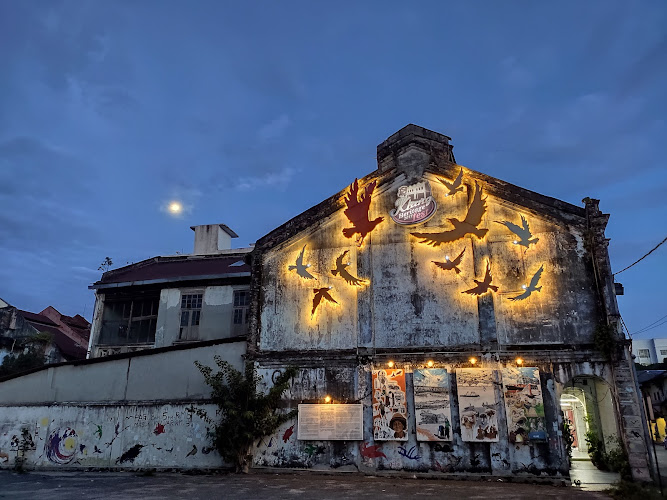
Klang Heritage Art deco
About Klang Heritage Art deco
Description
Klang Heritage Art Deco is one of those places that feels like stepping into a time capsule. It’s not just about pretty facades or old buildings—it’s about stories etched into walls, staircases, and even the tiniest decorative details. The area showcases a collection of Art Deco architecture that dates back to the early 20th century, when Klang was buzzing with trade and cultural exchange. These buildings, with their clean lines, geometric motifs, and bold curves, stand as reminders of a period when modernism was just beginning to leave its mark on Southeast Asia.
Walking through the streets here, you’ll notice how the structures carry both elegance and a touch of grit. Some are lovingly preserved, while others wear their age proudly with weathered paint and cracks that almost seem like wrinkles on an old friend’s face. That’s part of the charm—it feels real, not polished to perfection. And honestly, that’s what makes it special compared to other heritage sites that sometimes feel a little too staged.
Families often bring their kids along, and it’s easy to see why. The area is open, walkable, and sparks curiosity. Kids point at the quirky shapes and patterns, while adults linger a bit longer, soaking in the nostalgia. It’s a place that appeals to both the casual stroller and the history buff who loves digging into architectural details. If you’re someone who enjoys photography, you’ll find endless angles to capture—the play of light on old facades, the shadows cast by ornate balconies, and the pops of color from nearby shops.
What stands out most is how the heritage district blends into everyday life. You’ll see locals heading to work, schoolchildren rushing past, and shopkeepers opening their shutters, all against this backdrop of Art Deco charm. It’s living history, not just a museum piece, and that adds a layer of authenticity you can’t fake. Sure, not every building is in pristine condition, but that’s precisely what makes the experience so human and relatable.
Key Features
- Distinctive Art Deco architecture with geometric patterns, curved edges, and bold facades
- A mix of restored buildings and naturally aged structures that tell different stories
- Easy to explore on foot, making it ideal for leisurely walks or family outings
- Plenty of photo-worthy spots for architecture enthusiasts and casual travelers alike
- Close proximity to cultural landmarks and local eateries, so you can combine history with food adventures
- A family-friendly environment where children can safely enjoy the walk
Best Time to Visit
The best time to explore Klang Heritage Art Deco is in the morning or late afternoon. The soft light during these hours brings out the textures and colors of the buildings, making them even more photogenic. Midday can be hot and a bit draining, especially if you’re walking around with kids. Weekdays are quieter, which makes it easier to take your time without bumping into tour groups. That said, weekends have their own charm—more street activity, open shops, and a livelier vibe. Personally, I prefer
Key Features
- Distinctive Art Deco architecture with geometric patterns, curved edges, and bold facades
- A mix of restored buildings and naturally aged structures that tell different stories
- Easy to explore on foot, making it ideal for leisurely walks or family outings
- Plenty of photo-worthy spots for architecture enthusiasts and casual travelers alike
- Close proximity to cultural landmarks and local eateries, so you can combine history with food adventures
- A family-friendly environment where children can safely enjoy the walk
More Details
Updated September 30, 2025
Table of Contents
Description
Klang Heritage Art Deco is one of those places that feels like stepping into a time capsule. It’s not just about pretty facades or old buildings—it’s about stories etched into walls, staircases, and even the tiniest decorative details. The area showcases a collection of Art Deco architecture that dates back to the early 20th century, when Klang was buzzing with trade and cultural exchange. These buildings, with their clean lines, geometric motifs, and bold curves, stand as reminders of a period when modernism was just beginning to leave its mark on Southeast Asia.
Walking through the streets here, you’ll notice how the structures carry both elegance and a touch of grit. Some are lovingly preserved, while others wear their age proudly with weathered paint and cracks that almost seem like wrinkles on an old friend’s face. That’s part of the charm—it feels real, not polished to perfection. And honestly, that’s what makes it special compared to other heritage sites that sometimes feel a little too staged.
Families often bring their kids along, and it’s easy to see why. The area is open, walkable, and sparks curiosity. Kids point at the quirky shapes and patterns, while adults linger a bit longer, soaking in the nostalgia. It’s a place that appeals to both the casual stroller and the history buff who loves digging into architectural details. If you’re someone who enjoys photography, you’ll find endless angles to capture—the play of light on old facades, the shadows cast by ornate balconies, and the pops of color from nearby shops.
What stands out most is how the heritage district blends into everyday life. You’ll see locals heading to work, schoolchildren rushing past, and shopkeepers opening their shutters, all against this backdrop of Art Deco charm. It’s living history, not just a museum piece, and that adds a layer of authenticity you can’t fake. Sure, not every building is in pristine condition, but that’s precisely what makes the experience so human and relatable.
Key Features
- Distinctive Art Deco architecture with geometric patterns, curved edges, and bold facades
- A mix of restored buildings and naturally aged structures that tell different stories
- Easy to explore on foot, making it ideal for leisurely walks or family outings
- Plenty of photo-worthy spots for architecture enthusiasts and casual travelers alike
- Close proximity to cultural landmarks and local eateries, so you can combine history with food adventures
- A family-friendly environment where children can safely enjoy the walk
Best Time to Visit
The best time to explore Klang Heritage Art Deco is in the morning or late afternoon. The soft light during these hours brings out the textures and colors of the buildings, making them even more photogenic. Midday can be hot and a bit draining, especially if you’re walking around with kids. Weekdays are quieter, which makes it easier to take your time without bumping into tour groups. That said, weekends have their own charm—more street activity, open shops, and a livelier vibe. Personally, I prefer
Key Highlights
- Distinctive Art Deco architecture with geometric patterns, curved edges, and bold facades
- A mix of restored buildings and naturally aged structures that tell different stories
- Easy to explore on foot, making it ideal for leisurely walks or family outings
- Plenty of photo-worthy spots for architecture enthusiasts and casual travelers alike
- Close proximity to cultural landmarks and local eateries, so you can combine history with food adventures
- A family-friendly environment where children can safely enjoy the walk
Location
Places to Stay Near Klang Heritage Art deco
Find and Book a Tour
Explore More Travel Guides
No reviews found! Be the first to review!
Traveler Reviews for Klang Heritage Art deco
There are no reviews yet. Be the first one to write one.
Have you visited Klang Heritage Art deco? Help other travelers by sharing your review.
You Might Also Like
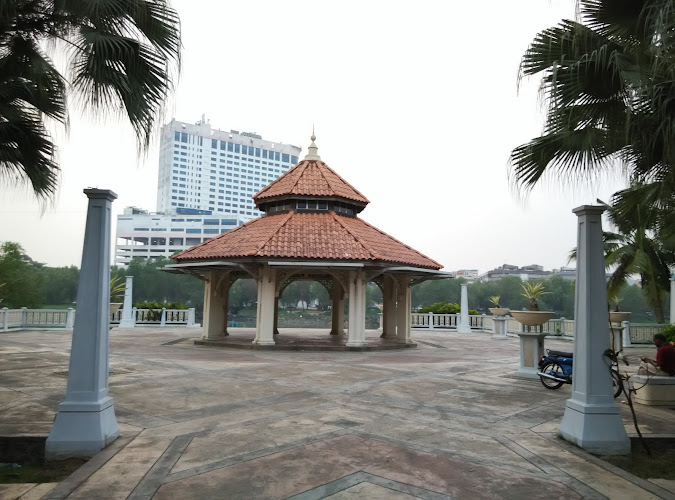
Taman Awam Pangkalan Batu
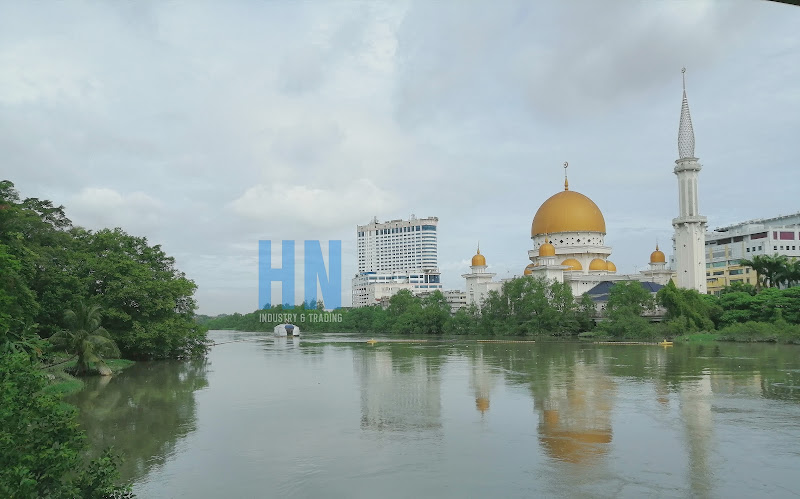
Klang
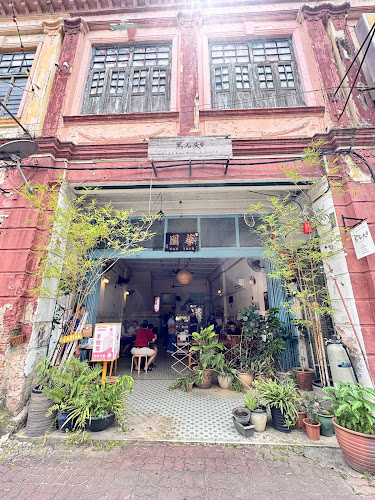
Blackstone Bakery Cafe (Jalan Stesen 1)
Find Accommodations Nearby
Recommended Tours & Activities
Visitor Reviews
There are no reviews yet. Be the first one to write one.
Share Your Experience
Have you visited Klang Heritage Art deco? Help other travelers by leaving a review.