
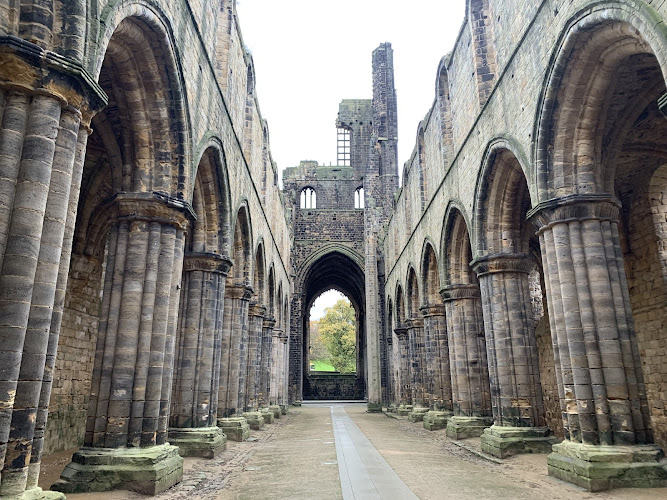
Kirkstall Abbey
About Kirkstall Abbey
Description
Kirkstall Abbey is one of those places that makes you stop for a moment and just breathe it all in. Standing among the ruins of this 12th-century Cistercian monastery, you can almost hear the echo of monks’ footsteps on the worn stone floors. It’s the kind of site that feels both grand and intimate at the same time—grand because of its soaring arches and weathered walls, intimate because of the quiet parkland and the way the River Aire meanders nearby. I’ve wandered through plenty of historical ruins, but Kirkstall Abbey always strikes me as unusually atmospheric. The ruins are remarkably well-preserved for their age, which makes it easy to picture what life might have been like centuries ago.
What’s nice is that it isn’t just about the stones and the history. The grounds are wrapped in tree-filled parkland that locals use for picnics, jogs, or just a lazy afternoon stroll. Families spread blankets out on the grass, kids run around chasing each other, and you’ll often see a dog or two bounding happily along the paths. There’s also a visitor centre that helps fill in the gaps with stories, artifacts, and insights into the daily routines of the monks who once called the abbey home. It’s not a museum that feels stiff or overwhelming—it’s more like a companion to the ruins themselves.
Of course, not everyone finds it perfect. Some visitors think the site could use more signage or modern facilities, and if you’re expecting a polished museum experience, you might be a bit underwhelmed. But honestly, that’s part of its charm. It’s raw, it’s real, and it doesn’t try to over-explain itself. For most people, that combination of history, open space, and atmosphere makes it a highlight of Leeds.
Key Features
- 12th-century Cistercian abbey ruins with striking Gothic architecture
- Visitor centre with exhibits, artifacts, and historical context
- Set within expansive parkland along the River Aire
- Wheelchair accessible entrances and parking
- Family-friendly grounds with open space for children
- LGBTQ+ friendly and inclusive environment
- Regular community events, markets, and outdoor theatre
- Peaceful walking trails shaded by mature trees
Best Time to Visit
If you’re anything like me, you’ll want to time your visit carefully. The abbey has a completely different feel depending on the season. In spring, the parkland bursts into life with blossoms and fresh greenery, which makes the ruins look almost like they’re framed by nature itself. Summer is when the place feels most alive, with families, picnics, and events filling the grounds. If you’re into photography, autumn might be your sweet spot—the golden leaves against the grey stone walls look like something out of a painting. And winter? Well, it’s quieter, sometimes even haunting. A dusting of frost or snow makes the abbey look like a scene from a medieval storybook.
Crowds are generally manageable, but weekends and school holidays can get busy. Personally, I prefer weekday mornings when it feels like you’ve got the whole place to yourself. That’s when you can really soak up the silence and imagine the monks going about their daily rituals centuries ago.
How to Get There
Reaching Kirkstall Abbey is surprisingly easy, which is probably why it’s such a popular spot for both locals and travelers. If you’re coming from Leeds city centre, it’s just a short ride by bus or car. The buses drop you off within walking distance, and if you’re driving, there’s parking nearby. For the more adventurous, walking or cycling along the River Aire from the city is a lovely way to arrive—it’s about three miles, and the riverside path is scenic without being too strenuous.
I once cycled there on a sunny afternoon, and the ride itself felt like part of the experience. By the time I reached the abbey, I was already in that relaxed, slow-travel mindset that makes exploring ruins even more enjoyable.
Tips for Visiting
Here are a few things I’ve learned (sometimes the hard way) that might make your trip smoother:
- Bring good shoes: The ruins are uneven in places, and if it’s been raining, the grass can be slippery. Trainers or walking shoes are your best bet.
- Check the event schedule: The abbey hosts markets, outdoor theatre, and community events. These can add a whole new dimension to your visit.
- Pack a picnic: The parkland is perfect for laying out a blanket and enjoying some food. There are cafés nearby, but nothing beats your own little picnic spread.
- Give yourself time: Don’t rush. The abbey itself doesn’t take long to walk around, but the atmosphere is best absorbed slowly. Sit on a bench, listen to the birds, and just be present.
- Bring kids (or your inner child): The open space is brilliant for little ones to run around safely. And honestly, exploring ruins is fun no matter your age.
- Photography tip: Early morning or late afternoon light makes the stone glow. If you’re into photos, plan around the golden hour.
And one last thought: don’t just see Kirkstall Abbey as a quick stop. It’s the kind of place where, if you let yourself linger, you’ll come away with more than just a few photos. You’ll leave with a sense of calm and a deeper connection to the history that shaped this corner of Yorkshire.
Key Features
- 12th-century Cistercian abbey ruins with striking Gothic architecture
- Visitor centre with exhibits, artifacts, and historical context
- Set within expansive parkland along the River Aire
- Wheelchair accessible entrances and parking
- Family-friendly grounds with open space for children
- LGBTQ+ friendly and inclusive environment
- Regular community events, markets, and outdoor theatre
- Peaceful walking trails shaded by mature trees
More Details
Updated September 23, 2025
Table of Contents
Description
Kirkstall Abbey is one of those places that makes you stop for a moment and just breathe it all in. Standing among the ruins of this 12th-century Cistercian monastery, you can almost hear the echo of monks’ footsteps on the worn stone floors. It’s the kind of site that feels both grand and intimate at the same time—grand because of its soaring arches and weathered walls, intimate because of the quiet parkland and the way the River Aire meanders nearby. I’ve wandered through plenty of historical ruins, but Kirkstall Abbey always strikes me as unusually atmospheric. The ruins are remarkably well-preserved for their age, which makes it easy to picture what life might have been like centuries ago.
What’s nice is that it isn’t just about the stones and the history. The grounds are wrapped in tree-filled parkland that locals use for picnics, jogs, or just a lazy afternoon stroll. Families spread blankets out on the grass, kids run around chasing each other, and you’ll often see a dog or two bounding happily along the paths. There’s also a visitor centre that helps fill in the gaps with stories, artifacts, and insights into the daily routines of the monks who once called the abbey home. It’s not a museum that feels stiff or overwhelming—it’s more like a companion to the ruins themselves.
Of course, not everyone finds it perfect. Some visitors think the site could use more signage or modern facilities, and if you’re expecting a polished museum experience, you might be a bit underwhelmed. But honestly, that’s part of its charm. It’s raw, it’s real, and it doesn’t try to over-explain itself. For most people, that combination of history, open space, and atmosphere makes it a highlight of Leeds.
Key Features
- 12th-century Cistercian abbey ruins with striking Gothic architecture
- Visitor centre with exhibits, artifacts, and historical context
- Set within expansive parkland along the River Aire
- Wheelchair accessible entrances and parking
- Family-friendly grounds with open space for children
- LGBTQ+ friendly and inclusive environment
- Regular community events, markets, and outdoor theatre
- Peaceful walking trails shaded by mature trees
Best Time to Visit
If you’re anything like me, you’ll want to time your visit carefully. The abbey has a completely different feel depending on the season. In spring, the parkland bursts into life with blossoms and fresh greenery, which makes the ruins look almost like they’re framed by nature itself. Summer is when the place feels most alive, with families, picnics, and events filling the grounds. If you’re into photography, autumn might be your sweet spot—the golden leaves against the grey stone walls look like something out of a painting. And winter? Well, it’s quieter, sometimes even haunting. A dusting of frost or snow makes the abbey look like a scene from a medieval storybook.
Crowds are generally manageable, but weekends and school holidays can get busy. Personally, I prefer weekday mornings when it feels like you’ve got the whole place to yourself. That’s when you can really soak up the silence and imagine the monks going about their daily rituals centuries ago.
How to Get There
Reaching Kirkstall Abbey is surprisingly easy, which is probably why it’s such a popular spot for both locals and travelers. If you’re coming from Leeds city centre, it’s just a short ride by bus or car. The buses drop you off within walking distance, and if you’re driving, there’s parking nearby. For the more adventurous, walking or cycling along the River Aire from the city is a lovely way to arrive—it’s about three miles, and the riverside path is scenic without being too strenuous.
I once cycled there on a sunny afternoon, and the ride itself felt like part of the experience. By the time I reached the abbey, I was already in that relaxed, slow-travel mindset that makes exploring ruins even more enjoyable.
Tips for Visiting
Here are a few things I’ve learned (sometimes the hard way) that might make your trip smoother:
- Bring good shoes: The ruins are uneven in places, and if it’s been raining, the grass can be slippery. Trainers or walking shoes are your best bet.
- Check the event schedule: The abbey hosts markets, outdoor theatre, and community events. These can add a whole new dimension to your visit.
- Pack a picnic: The parkland is perfect for laying out a blanket and enjoying some food. There are cafés nearby, but nothing beats your own little picnic spread.
- Give yourself time: Don’t rush. The abbey itself doesn’t take long to walk around, but the atmosphere is best absorbed slowly. Sit on a bench, listen to the birds, and just be present.
- Bring kids (or your inner child): The open space is brilliant for little ones to run around safely. And honestly, exploring ruins is fun no matter your age.
- Photography tip: Early morning or late afternoon light makes the stone glow. If you’re into photos, plan around the golden hour.
And one last thought: don’t just see Kirkstall Abbey as a quick stop. It’s the kind of place where, if you let yourself linger, you’ll come away with more than just a few photos. You’ll leave with a sense of calm and a deeper connection to the history that shaped this corner of Yorkshire.
Key Highlights
- 12th-century Cistercian abbey ruins with striking Gothic architecture
- Visitor centre with exhibits, artifacts, and historical context
- Set within expansive parkland along the River Aire
- Wheelchair accessible entrances and parking
- Family-friendly grounds with open space for children
- LGBTQ+ friendly and inclusive environment
- Regular community events, markets, and outdoor theatre
- Peaceful walking trails shaded by mature trees
Location
Places to Stay Near Kirkstall Abbey
Find and Book a Tour
Explore More Travel Guides
No reviews found! Be the first to review!
Traveler Reviews for Kirkstall Abbey
There are no reviews yet. Be the first one to write one.
Have you visited Kirkstall Abbey? Help other travelers by sharing your review.
You Might Also Like
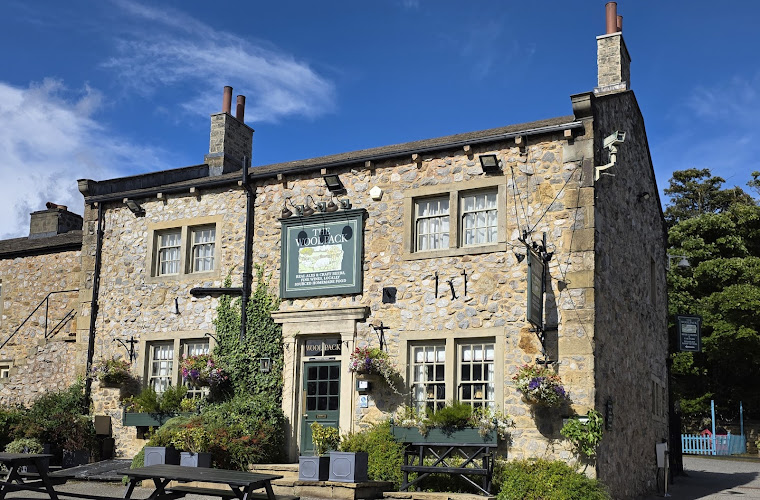
The Emmerdale Village Tour
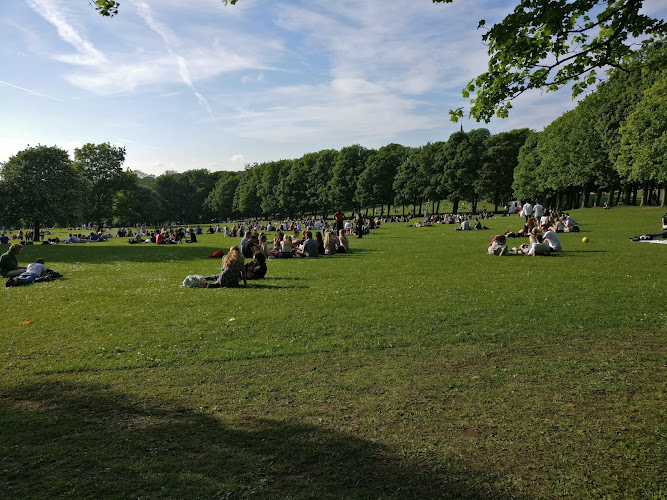
Woodhouse Moor
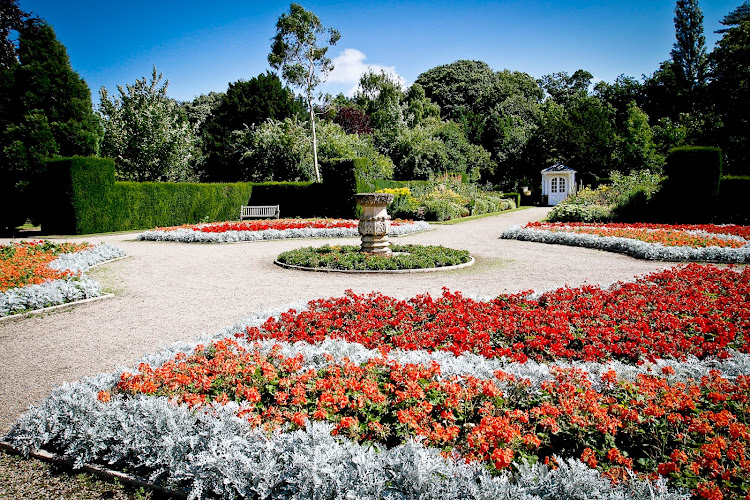
Lotherton
Find Accommodations Nearby
Recommended Tours & Activities
Visitor Reviews
There are no reviews yet. Be the first one to write one.
Share Your Experience
Have you visited Kirkstall Abbey? Help other travelers by leaving a review.