

Kielce History Museum
About Kielce History Museum
Description
The Kielce History Museum sits at the heart of Kielce, Poland, as a personable and thorough local history museum that quietly insists on being taken seriously. It chronicles the city's story — from prehistoric settlements to the modern urban rhythm — with a mix of sturdy artifacts, approachable interpretation, and occasional moments of theatrical flare. Visitors who wander in expecting a dry, glass-cased chronological slog are often surprised; the museum has a knack for pulling people into stories about industry, everyday life, and the oddities that made this region tick.
Exhibits range from archaeological finds and medieval relics to 19th- and 20th-century domestic objects and industrial paraphernalia. There are cabinets of coins and weaponry, sure, but also vivid displays of folk costume, reconstructed interiors, and maps that quietly reveal how the surrounding Świętokrzyskie region shaped Kielce’s identity. The museum leans into local pride without being preachy — it shows rather than tells, and often that’s more persuasive. Many of the displays are curated with an eye for narrative; the labels read like short stories for those who want to know not only what something is, but why it mattered to a family, a craftsman, or a community.
Families will find the museum accommodating. It is, bluntly, kid-friendly in the ways that count. There are tactile moments for children to engage with (buttons to press, objects to examine up close), and the layout avoids the maze-like confusion that can make small visitors restless. Parents appreciate clean restrooms on site — an underrated yet vital detail for travelers with kids. There isn’t a restaurant inside the museum, so plan snacks or a meal before or after the visit, but the lack of an in-house dining option is balanced by cafés and eateries a short walk away in Kielce’s central areas.
What stands out is the balance between local specificity and universal hooks. The museum excels at zooming in on seemingly small items — an old ledger, a miner’s lamp, a village wedding kerchief — and using them to illuminate larger social and economic shifts: industrialization, migration, war, and recovery. One exhibit, in particular, lingers in memory: a room that recreates a 19th-century workshop with tools hung like a craftsman’s bones. It’s the kind of display that sneaks up on you; one moment the visitor is scanning artifacts, the next they’re imagining the rhythm of hands at work a century ago. That kind of empathy-building curation is its quiet superpower.
For travelers interested in military and political history, there are compelling sections that cover the region’s role in national struggles and local resistance movements. But the museum resists turning everything into grand narrative; it keeps returning the focus to everyday people. That approach makes it particularly valuable for anyone who wants to understand Kielce not as a postcard, but as a living place with layered histories. A history buff will enjoy the depth; a casual traveler will leave with a better sense of the city’s character; and a child will likely remember the tactile bits more than the timeline — which is fine, because those tactile bits do a lot of the heavy lifting.
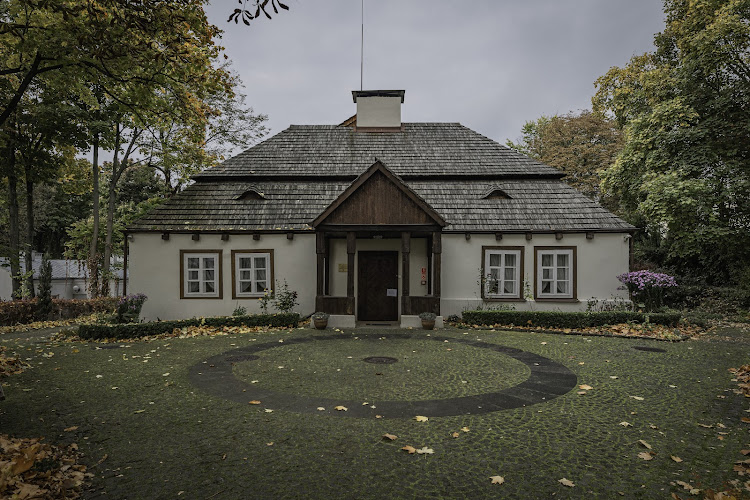
Visitors with a taste for architecture should note the building itself. Without pretending to be the primary attraction, the museum occupies space that reflects different eras — and that, too, is part of the story. Rooms shift from intimate to grand, with period details preserved that make wandering from one gallery to the next feel a bit like turning pages in a very well-bound book. The lighting is often soft, meant to protect artifacts, but also to set a mood that invites lingering. Sometimes, on quieter afternoons, the museum feels like a secret kept between the city and those curious enough to look.
Educational programming is a noticeable facet. The museum runs workshops, guided tours, and family-oriented events that are particularly lively during school holidays. Local teachers commonly bring students for hands-on lessons, so at times visitors might notice groups of schoolchildren learning about pottery or maps. That human energy makes the place feel lived-in and relevant, not sealed in amber. If the traveler happens upon one of these workshops, it’s worth hanging around; the guided storytelling often adds context that the static panels cannot convey.
Practical visitors will appreciate the efficient layout. Galleries are arranged to encourage a logical flow, so it’s easy to estimate how long a visit might take. For a relaxed, detailed look — reading labels, engaging with interactive elements, and taking photos where allowed — plan for roughly 90 to 120 minutes. For a quicker, high-level tour of highlights, 45 to 60 minutes will do. The guide’s own experience was that 90 minutes was the sweet spot: enough time to connect with a handful of standout exhibits and still step outside into Kielce’s streets with energy to explore more.
There are a few things the museum could improve — and an honest review mentions those. Signage can be denser in places, and while many exhibits have bilingual information, not every panel is available in multiple languages. Still, the staff are approachable and often step in with explanations if asked, which is a comforting human touch. The museum’s interpretive voice tends to be warm rather than clinical; you’ll encounter curators or guides who clearly care about the material. That level of engagement changes a visit from transactional to memorable.
Seasonal exhibitions rotate, and they’re worth a look because they often spotlight local themes that don’t get international press: artisan crafts, archival photography, or the region’s geological history. One unexpected highlight for several visitors is a modest but well-curated collection on local mining and geology — not the flashiest subject, perhaps, but undeniably central to Kielce’s past. Those curious about how towns develop around natural resources will find it fascinating.
Accessibility is a mixed bag. While the museum makes an effort to welcome families and school groups, travelers with limited mobility should check ahead for specific accommodations. It’s best to ask in advance about lifts or step-free routes, as some rooms may require negotiating small thresholds or staircases. That said, staff are generally helpful and will do their best to assist; the museum’s friendly attitude is real, even if the old building’s bones sometimes create limits.
One last personal aside: the first time the guide visited Kielce and stepped into the museum, he expected a quick peek and an exit. Instead he lingered, returning to one particular display again and again — not because it was flashy, but because it kept revealing small details he’d missed. That’s the hallmark of the place. It’s not shouting for attention; it’s quietly generous with its stories. For travelers who like to leave with a sense that they understand a place a little better than when they arrived, the Kielce History Museum often provides that exact satisfaction.
In short, this is a local history museum that rewards curiosity. It’s well-suited to families, accessible enough for casual travelers, and rich enough for enthusiasts who enjoy tracing the interplay of local lives and larger historical forces. Remember to pack a small snack for the stroll afterward, ask a staff member for tips if you have specific interests, and give the museum at least an hour — but budget more if you love getting lost in the past. You’ll leave with new stories about Kielce, and maybe a few bits of local trivia to drop into conversation later. And, funnily enough, that’s often the best souvenir of all.
Key Features
More Details
Updated August 30, 2025
Table of Contents
Description
The Kielce History Museum sits at the heart of Kielce, Poland, as a personable and thorough local history museum that quietly insists on being taken seriously. It chronicles the city’s story — from prehistoric settlements to the modern urban rhythm — with a mix of sturdy artifacts, approachable interpretation, and occasional moments of theatrical flare. Visitors who wander in expecting a dry, glass-cased chronological slog are often surprised; the museum has a knack for pulling people into stories about industry, everyday life, and the oddities that made this region tick.
Exhibits range from archaeological finds and medieval relics to 19th- and 20th-century domestic objects and industrial paraphernalia. There are cabinets of coins and weaponry, sure, but also vivid displays of folk costume, reconstructed interiors, and maps that quietly reveal how the surrounding Świętokrzyskie region shaped Kielce’s identity. The museum leans into local pride without being preachy — it shows rather than tells, and often that’s more persuasive. Many of the displays are curated with an eye for narrative; the labels read like short stories for those who want to know not only what something is, but why it mattered to a family, a craftsman, or a community.
Families will find the museum accommodating. It is, bluntly, kid-friendly in the ways that count. There are tactile moments for children to engage with (buttons to press, objects to examine up close), and the layout avoids the maze-like confusion that can make small visitors restless. Parents appreciate clean restrooms on site — an underrated yet vital detail for travelers with kids. There isn’t a restaurant inside the museum, so plan snacks or a meal before or after the visit, but the lack of an in-house dining option is balanced by cafés and eateries a short walk away in Kielce’s central areas.
What stands out is the balance between local specificity and universal hooks. The museum excels at zooming in on seemingly small items — an old ledger, a miner’s lamp, a village wedding kerchief — and using them to illuminate larger social and economic shifts: industrialization, migration, war, and recovery. One exhibit, in particular, lingers in memory: a room that recreates a 19th-century workshop with tools hung like a craftsman’s bones. It’s the kind of display that sneaks up on you; one moment the visitor is scanning artifacts, the next they’re imagining the rhythm of hands at work a century ago. That kind of empathy-building curation is its quiet superpower.
For travelers interested in military and political history, there are compelling sections that cover the region’s role in national struggles and local resistance movements. But the museum resists turning everything into grand narrative; it keeps returning the focus to everyday people. That approach makes it particularly valuable for anyone who wants to understand Kielce not as a postcard, but as a living place with layered histories. A history buff will enjoy the depth; a casual traveler will leave with a better sense of the city’s character; and a child will likely remember the tactile bits more than the timeline — which is fine, because those tactile bits do a lot of the heavy lifting.
Visitors with a taste for architecture should note the building itself. Without pretending to be the primary attraction, the museum occupies space that reflects different eras — and that, too, is part of the story. Rooms shift from intimate to grand, with period details preserved that make wandering from one gallery to the next feel a bit like turning pages in a very well-bound book. The lighting is often soft, meant to protect artifacts, but also to set a mood that invites lingering. Sometimes, on quieter afternoons, the museum feels like a secret kept between the city and those curious enough to look.
Educational programming is a noticeable facet. The museum runs workshops, guided tours, and family-oriented events that are particularly lively during school holidays. Local teachers commonly bring students for hands-on lessons, so at times visitors might notice groups of schoolchildren learning about pottery or maps. That human energy makes the place feel lived-in and relevant, not sealed in amber. If the traveler happens upon one of these workshops, it’s worth hanging around; the guided storytelling often adds context that the static panels cannot convey.
Practical visitors will appreciate the efficient layout. Galleries are arranged to encourage a logical flow, so it’s easy to estimate how long a visit might take. For a relaxed, detailed look — reading labels, engaging with interactive elements, and taking photos where allowed — plan for roughly 90 to 120 minutes. For a quicker, high-level tour of highlights, 45 to 60 minutes will do. The guide’s own experience was that 90 minutes was the sweet spot: enough time to connect with a handful of standout exhibits and still step outside into Kielce’s streets with energy to explore more.
There are a few things the museum could improve — and an honest review mentions those. Signage can be denser in places, and while many exhibits have bilingual information, not every panel is available in multiple languages. Still, the staff are approachable and often step in with explanations if asked, which is a comforting human touch. The museum’s interpretive voice tends to be warm rather than clinical; you’ll encounter curators or guides who clearly care about the material. That level of engagement changes a visit from transactional to memorable.
Seasonal exhibitions rotate, and they’re worth a look because they often spotlight local themes that don’t get international press: artisan crafts, archival photography, or the region’s geological history. One unexpected highlight for several visitors is a modest but well-curated collection on local mining and geology — not the flashiest subject, perhaps, but undeniably central to Kielce’s past. Those curious about how towns develop around natural resources will find it fascinating.
Accessibility is a mixed bag. While the museum makes an effort to welcome families and school groups, travelers with limited mobility should check ahead for specific accommodations. It’s best to ask in advance about lifts or step-free routes, as some rooms may require negotiating small thresholds or staircases. That said, staff are generally helpful and will do their best to assist; the museum’s friendly attitude is real, even if the old building’s bones sometimes create limits.
One last personal aside: the first time the guide visited Kielce and stepped into the museum, he expected a quick peek and an exit. Instead he lingered, returning to one particular display again and again — not because it was flashy, but because it kept revealing small details he’d missed. That’s the hallmark of the place. It’s not shouting for attention; it’s quietly generous with its stories. For travelers who like to leave with a sense that they understand a place a little better than when they arrived, the Kielce History Museum often provides that exact satisfaction.
In short, this is a local history museum that rewards curiosity. It’s well-suited to families, accessible enough for casual travelers, and rich enough for enthusiasts who enjoy tracing the interplay of local lives and larger historical forces. Remember to pack a small snack for the stroll afterward, ask a staff member for tips if you have specific interests, and give the museum at least an hour — but budget more if you love getting lost in the past. You’ll leave with new stories about Kielce, and maybe a few bits of local trivia to drop into conversation later. And, funnily enough, that’s often the best souvenir of all.
Key Highlights
Kielce History Museum
Location
Places to Stay Near Kielce History Museum
Find and Book a Tour
Explore More Travel Guides
No reviews found! Be the first to review!
Traveler Reviews for Kielce History Museum
There are no reviews yet. Be the first one to write one.
Have you visited Kielce History Museum? Help other travelers by sharing your review.
You Might Also Like
Kielce Region Countryside Museum
Boar Monument
Krzemionki
Find Accommodations Nearby
Recommended Tours & Activities
Visitor Reviews
There are no reviews yet. Be the first one to write one.
Share Your Experience
Have you visited Kielce History Museum? Help other travelers by leaving a review.