
Kids Square Children’s Museum
About Kids Square Children’s Museum
Description
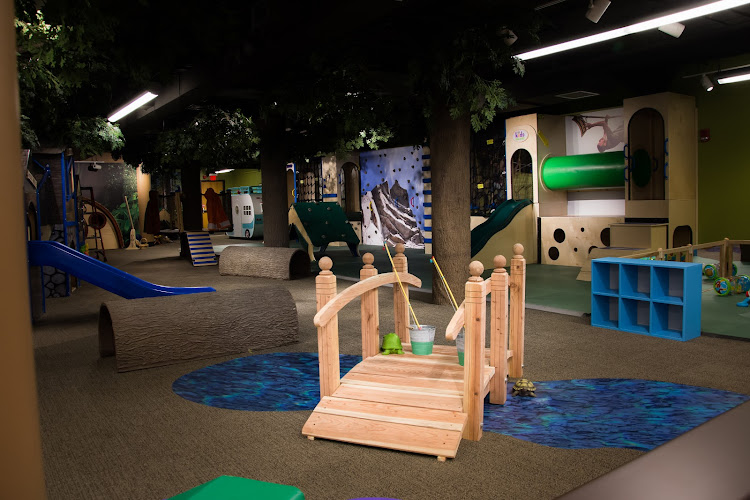
Kids Square Children's Museum is presented as a hands-on destination where children learn by doing, not by watching. The place is described by many as an energetic signpost for playful learning in Roanoke, offering interactive exhibits that nudge curiosity and encourage imaginative problem-solving. Rather than a static gallery, the museum operates like a well-organized play zone with purpose: each installation teaches something—about science, art, the senses, or social play—while kids run, touch, build and test. Travelers who plan a stop here should expect a lively, tactile environment designed around learning through play.
In tone, the museum leans more toward informal education than formal schooling. Exhibits are engineered for discovery: water tables that demonstrate flow and cause-and-effect; art stations that welcome mess and experimentation; pretend play areas that mirror the big world—mini markets, construction zones, and role-play corners that let small people practice being big people. For parents who like to see a tangible outcome—something built, painted, or explained—Kids Square usually delivers. It is very much an active museum; the exhibits ask for hands, not just eyes.
The facility has clearly considered accessibility and family needs. Entrances, restrooms and parking are accessible for wheelchairs, and the layout tends to be stroller-friendly. That matters more than many travelers realize: on a long weekend trip, a smooth entrance and a restroom that fits a parent and stroller is a small mercy that reshapes the day. Onsite services are straightforward and practical; visitors should note that there isn’t an onsite restaurant, so planning snacks or a nearby lunch stop is wise. The museum charges admission, and most guests feel the fee is reasonable given the interactive experience and the time kids spend engaged.
What sets Kids Square apart—and why it gets recommended by locals and out-of-towners alike—is the way exhibits adapt to a range of ages. There are areas clearly intended for toddlers and spaces that older preschoolers and early-elementary kids find challenging and absorbing. The museum does a good job balancing energetic play with calmer, creative activities so siblings of different ages can find something to enjoy simultaneously. And for travelers, that balance is gold: one drop-in destination that can occupy the gang for a solid couple of hours without anyone feeling left out.
The atmosphere is informal, often noisy in the best way, and frequently peppered with real giggles. Staffers usually circulate, offering quick demonstrations or guiding a group through a hands-on activity. The museum also hosts special events and rotating themes from time to time—those pop-ups add freshness and can be the reason a return visit feels new. If the writer had to pick one memory, it would be of a wet, happy afternoon beside a water exhibit while a kid who had never stopped to wonder about currents suddenly tested—and then explained—why boats drift toward the drain. It was loud, a little chaotic, and utterly delightful. The kind of moment parents travel for.
Practicalities matter. The museum offers indoor restroom facilities and a secure, well-kept building that feels safe for families. There is a small playground-style space associated with the museum, and many children find the transition from structured exhibit to free play seamless and satisfying. Travelers should note that peak times can get busy, which sometimes means lines for the most popular exhibits, but this is offset by the amount of space and the multipurpose design that lets families spread out if they want to take a breather.
Kids Square speaks plainly to curious kids and to parents who like purposeful play. Exhibits emphasize sensory exploration, basic STEM concepts, creative expression, and social interaction. The balance between science-y discovery and imaginative role play is thoughtfully arranged; one moment children might be experimenting with light and shadows, the next they are creating a collage or managing a pretend grocery transaction. This alternation keeps attention sharp and makes the museum particularly good for multi-activity days in Roanoke—pair it with a walk through downtown or a visit to a nearby park and the day sorts itself out nicely.
For travelers who keep an eye on seasons, Kids Square serves as a reliable indoor option year-round. Rainy days, blistering summer afternoons, or chilly winter mornings—any of these can be rescued by a few immersive hours inside the museum. And yes, while it is aimed at young children, adults rarely resist joining in. The writer admits to having built a dubious-looking cardboard structure alongside a four-year-old and gotten scolded for using more tape than necessary. Those little embarrassments are part of the charm; the museum makes hands-on participation feel not only acceptable but encouraged.
One often overlooked detail is how the museum fits into the broader Roanoke family travel experience. Located near civic hubs and cultural spaces, Kids Square is easy to tack onto a day that includes other kid-friendly stops. The museum’s pace is flexible: families can make a brief pop-in visit to break up a drive, or settle in for a longer afternoon of structured play. Because there is no restaurant inside, the smart traveler will plan meal stops nearby, but the convenience of a well-run restroom and an accessible layout more than compensates.
Families traveling with children who have sensory sensitivities will find both pros and cons here. The active, tactile exhibits delight many kids, but the sensory load—noise, textures, crowded zones—can be overwhelming for some. The museum tends to be accommodating, though; staff can suggest quieter corners and timing tips. The writer once observed a staff member calmly guide a family to a calmer spot when a child became overstimulated, and that kind of on-the-spot empathy makes a real difference for visiting families.
Another point that travel-savvy visitors appreciate: Kids Square is designed with repeat engagement in mind. Exhibits are rotated or refreshed periodically, and special programs add educational value beyond free play. While the museum is not large enough to feel like a sprawling science center, its focused approach to interactive learning makes each visit feel concentrated and worthwhile. For travelers prioritizing educational activities for kids—rather than mere entertainment—Kids Square fits the brief neatly.
In terms of visitor sentiment, most who stop by come away smiling, a handful note that some areas can be crowded, and a smaller number wish for additional onsite dining. But overall the vibe is that of a well-run children's museum that delivers creative, hands-on experiences in a family-friendly setting. For visitors planning a day in Roanoke who want an indoor, educational, and play-forward stop, Kids Square presents a dependable, enjoyable choice.
Finally, travelers should bring patience, a sense of humor, and a small kit of essentials: wet wipes, a change of clothes for the little ones (just in case), and coins or a card for admission. The museum rewards curiosity, so encourage kids to poke, pour, build and ask questions. The results are more than a few photos to share—they are the kind of learning moments that stick. The writer still remembers explaining the simple joy of turning a crank alongside a five-year-old and realizing that sometimes the journey of figuring out how something moves is the best souvenir you can take home.
Key Features
More Details
Updated August 30, 2025
Table of Contents
Description
Kids Square Children’s Museum is presented as a hands-on destination where children learn by doing, not by watching. The place is described by many as an energetic signpost for playful learning in Roanoke, offering interactive exhibits that nudge curiosity and encourage imaginative problem-solving. Rather than a static gallery, the museum operates like a well-organized play zone with purpose: each installation teaches something—about science, art, the senses, or social play—while kids run, touch, build and test. Travelers who plan a stop here should expect a lively, tactile environment designed around learning through play.
In tone, the museum leans more toward informal education than formal schooling. Exhibits are engineered for discovery: water tables that demonstrate flow and cause-and-effect; art stations that welcome mess and experimentation; pretend play areas that mirror the big world—mini markets, construction zones, and role-play corners that let small people practice being big people. For parents who like to see a tangible outcome—something built, painted, or explained—Kids Square usually delivers. It is very much an active museum; the exhibits ask for hands, not just eyes.
The facility has clearly considered accessibility and family needs. Entrances, restrooms and parking are accessible for wheelchairs, and the layout tends to be stroller-friendly. That matters more than many travelers realize: on a long weekend trip, a smooth entrance and a restroom that fits a parent and stroller is a small mercy that reshapes the day. Onsite services are straightforward and practical; visitors should note that there isn’t an onsite restaurant, so planning snacks or a nearby lunch stop is wise. The museum charges admission, and most guests feel the fee is reasonable given the interactive experience and the time kids spend engaged.
What sets Kids Square apart—and why it gets recommended by locals and out-of-towners alike—is the way exhibits adapt to a range of ages. There are areas clearly intended for toddlers and spaces that older preschoolers and early-elementary kids find challenging and absorbing. The museum does a good job balancing energetic play with calmer, creative activities so siblings of different ages can find something to enjoy simultaneously. And for travelers, that balance is gold: one drop-in destination that can occupy the gang for a solid couple of hours without anyone feeling left out.
The atmosphere is informal, often noisy in the best way, and frequently peppered with real giggles. Staffers usually circulate, offering quick demonstrations or guiding a group through a hands-on activity. The museum also hosts special events and rotating themes from time to time—those pop-ups add freshness and can be the reason a return visit feels new. If the writer had to pick one memory, it would be of a wet, happy afternoon beside a water exhibit while a kid who had never stopped to wonder about currents suddenly tested—and then explained—why boats drift toward the drain. It was loud, a little chaotic, and utterly delightful. The kind of moment parents travel for.
Practicalities matter. The museum offers indoor restroom facilities and a secure, well-kept building that feels safe for families. There is a small playground-style space associated with the museum, and many children find the transition from structured exhibit to free play seamless and satisfying. Travelers should note that peak times can get busy, which sometimes means lines for the most popular exhibits, but this is offset by the amount of space and the multipurpose design that lets families spread out if they want to take a breather.
Kids Square speaks plainly to curious kids and to parents who like purposeful play. Exhibits emphasize sensory exploration, basic STEM concepts, creative expression, and social interaction. The balance between science-y discovery and imaginative role play is thoughtfully arranged; one moment children might be experimenting with light and shadows, the next they are creating a collage or managing a pretend grocery transaction. This alternation keeps attention sharp and makes the museum particularly good for multi-activity days in Roanoke—pair it with a walk through downtown or a visit to a nearby park and the day sorts itself out nicely.
For travelers who keep an eye on seasons, Kids Square serves as a reliable indoor option year-round. Rainy days, blistering summer afternoons, or chilly winter mornings—any of these can be rescued by a few immersive hours inside the museum. And yes, while it is aimed at young children, adults rarely resist joining in. The writer admits to having built a dubious-looking cardboard structure alongside a four-year-old and gotten scolded for using more tape than necessary. Those little embarrassments are part of the charm; the museum makes hands-on participation feel not only acceptable but encouraged.
One often overlooked detail is how the museum fits into the broader Roanoke family travel experience. Located near civic hubs and cultural spaces, Kids Square is easy to tack onto a day that includes other kid-friendly stops. The museum’s pace is flexible: families can make a brief pop-in visit to break up a drive, or settle in for a longer afternoon of structured play. Because there is no restaurant inside, the smart traveler will plan meal stops nearby, but the convenience of a well-run restroom and an accessible layout more than compensates.
Families traveling with children who have sensory sensitivities will find both pros and cons here. The active, tactile exhibits delight many kids, but the sensory load—noise, textures, crowded zones—can be overwhelming for some. The museum tends to be accommodating, though; staff can suggest quieter corners and timing tips. The writer once observed a staff member calmly guide a family to a calmer spot when a child became overstimulated, and that kind of on-the-spot empathy makes a real difference for visiting families.
Another point that travel-savvy visitors appreciate: Kids Square is designed with repeat engagement in mind. Exhibits are rotated or refreshed periodically, and special programs add educational value beyond free play. While the museum is not large enough to feel like a sprawling science center, its focused approach to interactive learning makes each visit feel concentrated and worthwhile. For travelers prioritizing educational activities for kids—rather than mere entertainment—Kids Square fits the brief neatly.
In terms of visitor sentiment, most who stop by come away smiling, a handful note that some areas can be crowded, and a smaller number wish for additional onsite dining. But overall the vibe is that of a well-run children’s museum that delivers creative, hands-on experiences in a family-friendly setting. For visitors planning a day in Roanoke who want an indoor, educational, and play-forward stop, Kids Square presents a dependable, enjoyable choice.
Finally, travelers should bring patience, a sense of humor, and a small kit of essentials: wet wipes, a change of clothes for the little ones (just in case), and coins or a card for admission. The museum rewards curiosity, so encourage kids to poke, pour, build and ask questions. The results are more than a few photos to share—they are the kind of learning moments that stick. The writer still remembers explaining the simple joy of turning a crank alongside a five-year-old and realizing that sometimes the journey of figuring out how something moves is the best souvenir you can take home.
Key Highlights
Kids Square Children’s Museum
Location
Places to Stay Near Kids Square Children's Museum
Find and Book a Tour
Explore More Travel Guides
No reviews found! Be the first to review!
Traveler Reviews for Kids Square Children’s Museum
There are no reviews yet. Be the first one to write one.
Have you visited Kids Square Children’s Museum? Help other travelers by sharing your review.
You Might Also Like
Chestnut Ridge Trail

Smith Park
O. Winston Link & Roanoke History Museum
Find Accommodations Nearby
Recommended Tours & Activities
Visitor Reviews
There are no reviews yet. Be the first one to write one.
Share Your Experience
Have you visited Kids Square Children’s Museum? Help other travelers by leaving a review.