
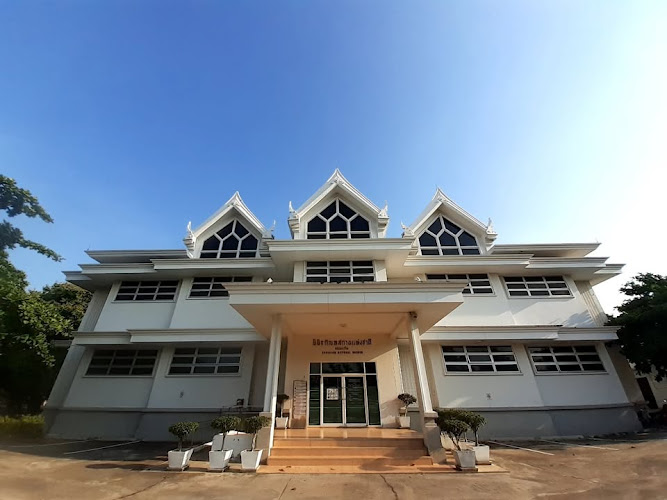
Khon Kaen National Museum
About Khon Kaen National Museum
Description
The Khon Kaen National Museum is one of those places that sneaks up on you. At first glance, it looks like a modest regional museum, but step inside and you’ll realize it’s quietly holding centuries of history under one roof. Opened back in 1972 by King Bhumibol Adulyadej, the museum was designed to showcase the cultural and archaeological treasures of Isaan, the northeastern region of Thailand. And honestly, it does just that—without trying too hard to impress, which is part of its charm.
Travelers who’ve wandered through will tell you it’s not a flashy museum with high-tech displays or massive crowds. Instead, it’s a thoughtful, almost intimate journey through the past. You’ll find prehistoric artifacts, ancient pottery, and sandstone sculptures that trace the evolution of civilizations in the region. The exhibits are laid out in a way that feels approachable, even if you’re not a history buff. Some visitors fall in love with the quiet atmosphere, while others find it a bit underwhelming compared to the grander museums in Bangkok. But that’s the thing—it’s not trying to compete. It’s about Khon Kaen’s story, and it tells it well.
What stands out is how the museum balances accessibility with authenticity. It’s family-friendly, wheelchair accessible, and designed to be inclusive, which makes it a comfortable stop for just about anyone. The vibe is relaxed, the staff are helpful, and you’re free to wander at your own pace. Sure, it’s not perfect—some displays could use better lighting or updated signage—but the overall experience is far more rewarding than you might expect. Think of it as a quiet window into Isaan’s soul, where you can slow down and actually absorb the history without feeling rushed.
Key Features
- Artifacts from prehistoric settlements, including pottery and tools that date back thousands of years.
- Sandstone sculptures and religious art from the Dvaravati and Khmer periods.
- Detailed displays on the Ban Chiang culture, a UNESCO World Heritage Site known for its Bronze Age artifacts.
- Rotating temporary exhibitions showcasing local culture and contemporary art.
- Wheelchair accessible facilities, including entrance, restrooms, and parking.
- Free parking options, both on-site and on nearby streets.
- A calm, family-friendly environment suitable for kids and inclusive for all visitors.
Best Time to Visit
Visiting the museum is a good idea year-round, but if you want to avoid the heat, mornings are best. The building isn’t overly air-conditioned, so arriving early means you can explore in relative comfort before the midday sun kicks in. Weekdays are quieter, giving you more space to linger in front of the exhibits without feeling rushed. If you’re traveling during Thailand’s cool season, roughly November through February, the walk to and from the museum feels much more pleasant. And if you’re lucky, you might even catch one of the temporary exhibitions, which often pop up around cultural festivals or national holidays.
How to Get There
The museum is located in central Khon Kaen, making it easy to reach whether you’re staying in the city or passing through. Tuk-tuks and songthaews are common ways to get around, and most drivers will know the museum if you mention it by name. If you’re the type who prefers independence, renting a motorbike or car is straightforward and gives you the freedom to explore nearby attractions afterward. For those coming from outside the city, Khon Kaen is well-connected by bus, train, and even a small airport, so adding the museum to your itinerary doesn’t require much effort.
Tips for Visiting
First tip: don’t rush. This isn’t a huge museum, but if you breeze through in 15 minutes, you’ll miss the little details that make it special. Take your time with the sculptures, especially the ones from the Khmer period—they tell stories you won’t find in guidebooks. If you’re traveling with kids, the museum is manageable for short attention spans, and the open layout makes it easy to keep an eye on them.
Second, bring a bottle of water. There’s no restaurant on-site, so staying hydrated is on you. And while we’re at it, dress comfortably—light clothes and good shoes make the visit more enjoyable, especially if you plan to walk around the nearby area afterward.
Photography rules can vary, so check before snapping away. It’s always polite to ask, especially in areas with religious artifacts. And one more thing: don’t underestimate the value of chatting with the staff or volunteer guides. They often have personal stories or insights that go beyond the display cards, and those conversations can be the highlight of your visit.
Finally, set your expectations right. This isn’t the Louvre or the British Museum, and that’s exactly why it’s worth your time. It’s smaller, yes, but it’s also more personal. You’ll walk out with a better understanding of Isaan’s history, and maybe even a new appreciation for how much this region has contributed to Thailand’s cultural identity. And honestly, that’s the kind of travel memory that sticks with you long after you’ve left.
Key Features
- Artifacts from prehistoric settlements, including pottery and tools that date back thousands of years.
- Sandstone sculptures and religious art from the Dvaravati and Khmer periods.
- Detailed displays on the Ban Chiang culture, a UNESCO World Heritage Site known for its Bronze Age artifacts.
- Rotating temporary exhibitions showcasing local culture and contemporary art.
- Wheelchair accessible facilities, including entrance, restrooms, and parking.
- Free parking options, both on-site and on nearby streets.
- A calm, family-friendly environment suitable for kids and inclusive for all visitors.
You Might Also Like

296 Sukhumvit Road, Bangkok
309 ซอย เพชรเกษม 28
9Tree
Tours & Activities
GetYourGuide provides this tour inventory. We may earn a commission if you book through it; verify current availability, prices, and terms with the provider.
Visitor Reviews
There are no reviews yet. Be the first one to write one.
Share Your Experience
Have you visited Khon Kaen National Museum? Help other travelers by leaving a review.