
Keta Legacy Foundation Rhododendron Preserve
About Keta Legacy Foundation Rhododendron Preserve
Description
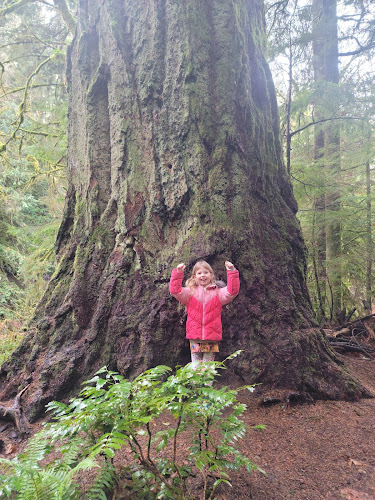
If you’re the kind of traveler who gets a kick out of wandering through forests that feel like they’ve been frozen in time, the Keta Legacy Foundation Rhododendron Preserve is a must-see. This 426-acre preserve is one of the last strongholds of lowland virgin forest in the Puget Sound Basin, meaning it’s a rare patch of nature that’s barely been touched since before European settlers arrived. Walking here, you’re stepping into a living museum of towering old-growth trees, lush understory plants, and, of course, those famous rhododendrons that put on a spectacular show when they bloom.
What really sets this place apart, in my opinion, is its sense of calm and the sheer scale of the forest. It’s not just a pretty backdrop for a quick selfie; it’s a chance to immerse yourself in an ecosystem that’s been quietly doing its thing for centuries. The trails are kid-friendly, so if you’re traveling with little adventurers, it’s a great spot to introduce them to the wonders of the Pacific Northwest’s natural world. Plus, the preserve doubles as an outdoor classroom and research site, so you know it’s managed with care and a deep respect for the environment.
Don’t expect fancy paved paths or wheelchair-accessible entrances here — this is a place for those who don’t mind a bit of uneven ground and the honest-to-goodness feel of forest floor beneath their boots. The preserve is a breath of fresh air, literally and figuratively, especially if you’re coming from the hustle and bustle of city life. It’s a spot where you can clear your head, maybe hear the crunch of your footsteps on the trail, and catch glimpses of wildlife if you keep your eyes peeled.
Key Features
- Expansive 426-acre preserve featuring one of the largest remaining lowland old-growth forests in the Puget Sound Basin
- Home to a diverse range of native plant species, including stunning rhododendrons that bloom vibrantly in the spring
- Trails suitable for families and kids, offering gentle hikes that invite exploration without overwhelming younger visitors
- Managed by the Keta Legacy Foundation with a focus on education and conservation, ensuring the forest remains pristine
- Natural classroom and research site, providing opportunities for environmental learning and scientific study
- Quiet, peaceful environment perfect for nature lovers seeking solitude or a mindful escape
- Located near Bremerton, offering easy access yet a genuine wilderness experience
- Handicapped shuttle service available to aid visitors with mobility challenges (note: entrance itself is not wheelchair accessible)
Best Time to Visit
Timing your visit here can really make or break the experience. If you want to catch the rhododendrons in full bloom, aim for late spring—usually May to early June. That’s when the forest bursts into color with those big, bold blossoms that make the preserve famous. It’s honestly a bit magical, like stepping into a scene from a fantasy movie, and you’ll want your camera ready.
But if you’re not a fan of crowds or just want to enjoy the forest’s peaceful vibe, the shoulder seasons—early spring or late summer—offer quieter trails and still plenty of natural beauty. Fall is another underrated time; the changing leaves add a different kind of charm, and the cooler air makes hiking more comfortable if you’re not into summer heat.
Winter visits can be a bit of an adventure. The forest gets a moody, mystical feel with the mist and rain typical of the Pacific Northwest. Just be prepared for muddy trails and bring your rain gear. Honestly, I’ve found that the forest’s quietness in winter is something special—like it’s taking a deep breath before spring’s explosion of life.
How to Get There
Getting to the Rhododendron Preserve is fairly straightforward if you’re already in the Kitsap Peninsula area or nearby Bremerton. The preserve sits within a reasonable driving distance from Seattle, so if you’re coming from the city, plan on a ferry ride across Puget Sound followed by a scenic drive. The ferry trip itself is a treat, offering stunning water views and a chance to spot marine life if you’re lucky.
Once you’re on the peninsula, local roads will lead you to the preserve’s parking area. Keep in mind that public transportation options are limited, so having a car is pretty much essential unless you’re up for a long hike just to reach the trailhead. For those who might have mobility challenges, the preserve offers a handicapped shuttle service, which is a thoughtful touch, though the entrance itself isn’t wheelchair accessible.
Pro tip: Arrive early, especially on weekends or during peak bloom season. Parking can fill up fast, and the shuttle service can get booked. Plus, early mornings are when the forest feels most serene, and the light filtering through the trees is just unbeatable for photos.
Tips for Visiting
Alright, here’s the real talk. If you want to get the most out of your visit, bring sturdy shoes. The trails aren’t paved, and you’ll be walking on natural forest floor that can get slippery or uneven. I learned this the hard way once, slipping on a mossy patch and nearly face-planting in front of a group of hikers. Not my finest moment, but hey, it made me appreciate the forest’s rawness even more.
Don’t rush it. The preserve is not about ticking off a checklist but soaking in the atmosphere. Take your time to listen for birds, spot the subtle changes in plant life, and maybe even spot some wildlife. And bring a camera or sketchbook if you’re into that—this place practically begs for creative inspiration.
Since it’s a natural area, pack out whatever you bring in. Leave no trace is the golden rule here. Also, keep an eye on the weather—Pacific Northwest can be unpredictable. Layers are your friend, and a rain jacket is never a bad idea.
If you’re traveling with kids, you’re in luck. The trails are kid-friendly, and the forest is like a giant playground for curious minds. I remember taking my niece here, and she was fascinated by everything—from the giant trees to the tiny mushrooms hiding in the shadows. It’s a brilliant way to get kids outdoors and excited about nature.
Lastly, check ahead for any seasonal closures or special events. The Keta Legacy Foundation sometimes runs educational programs or guided hikes that can add a whole new layer to your visit. Joining one of those can be a game-changer if you want to learn more about the forest’s history and ecology from folks who really know their stuff.
Key Features
- Expansive 426-acre preserve featuring one of the largest remaining lowland old-growth forests in the Puget Sound Basin
- Home to a diverse range of native plant species, including stunning rhododendrons that bloom vibrantly in the spring
- Trails suitable for families and kids, offering gentle hikes that invite exploration without overwhelming younger visitors
- Managed by the Keta Legacy Foundation with a focus on education and conservation, ensuring the forest remains pristine
- Natural classroom and research site, providing opportunities for environmental learning and scientific study
- Quiet, peaceful environment perfect for nature lovers seeking solitude or a mindful escape
- Located near Bremerton, offering easy access yet a genuine wilderness experience
- Handicapped shuttle service available to aid visitors with mobility challenges (note: entrance itself is not wheelchair accessible)
More Details
Updated July 21, 2025
Table of Contents
- Description
- Key Features
- Best Time to Visit
- How to Get There
- Tips for Visiting
- Key Highlights
- Location
- Places to Stay Near Keta Legacy Foundation Rhododendron Preserve
- Find and Book a Tour
- Explore More Travel Guides
- Nearby Places You Might Like
- Traveler Reviews for Keta Legacy Foundation Rhododendron Preserve
- Share Your Experience
Description
If you’re the kind of traveler who gets a kick out of wandering through forests that feel like they’ve been frozen in time, the Keta Legacy Foundation Rhododendron Preserve is a must-see. This 426-acre preserve is one of the last strongholds of lowland virgin forest in the Puget Sound Basin, meaning it’s a rare patch of nature that’s barely been touched since before European settlers arrived. Walking here, you’re stepping into a living museum of towering old-growth trees, lush understory plants, and, of course, those famous rhododendrons that put on a spectacular show when they bloom.
What really sets this place apart, in my opinion, is its sense of calm and the sheer scale of the forest. It’s not just a pretty backdrop for a quick selfie; it’s a chance to immerse yourself in an ecosystem that’s been quietly doing its thing for centuries. The trails are kid-friendly, so if you’re traveling with little adventurers, it’s a great spot to introduce them to the wonders of the Pacific Northwest’s natural world. Plus, the preserve doubles as an outdoor classroom and research site, so you know it’s managed with care and a deep respect for the environment.
Don’t expect fancy paved paths or wheelchair-accessible entrances here — this is a place for those who don’t mind a bit of uneven ground and the honest-to-goodness feel of forest floor beneath their boots. The preserve is a breath of fresh air, literally and figuratively, especially if you’re coming from the hustle and bustle of city life. It’s a spot where you can clear your head, maybe hear the crunch of your footsteps on the trail, and catch glimpses of wildlife if you keep your eyes peeled.
Key Features
- Expansive 426-acre preserve featuring one of the largest remaining lowland old-growth forests in the Puget Sound Basin
- Home to a diverse range of native plant species, including stunning rhododendrons that bloom vibrantly in the spring
- Trails suitable for families and kids, offering gentle hikes that invite exploration without overwhelming younger visitors
- Managed by the Keta Legacy Foundation with a focus on education and conservation, ensuring the forest remains pristine
- Natural classroom and research site, providing opportunities for environmental learning and scientific study
- Quiet, peaceful environment perfect for nature lovers seeking solitude or a mindful escape
- Located near Bremerton, offering easy access yet a genuine wilderness experience
- Handicapped shuttle service available to aid visitors with mobility challenges (note: entrance itself is not wheelchair accessible)
Best Time to Visit
Timing your visit here can really make or break the experience. If you want to catch the rhododendrons in full bloom, aim for late spring—usually May to early June. That’s when the forest bursts into color with those big, bold blossoms that make the preserve famous. It’s honestly a bit magical, like stepping into a scene from a fantasy movie, and you’ll want your camera ready.
But if you’re not a fan of crowds or just want to enjoy the forest’s peaceful vibe, the shoulder seasons—early spring or late summer—offer quieter trails and still plenty of natural beauty. Fall is another underrated time; the changing leaves add a different kind of charm, and the cooler air makes hiking more comfortable if you’re not into summer heat.
Winter visits can be a bit of an adventure. The forest gets a moody, mystical feel with the mist and rain typical of the Pacific Northwest. Just be prepared for muddy trails and bring your rain gear. Honestly, I’ve found that the forest’s quietness in winter is something special—like it’s taking a deep breath before spring’s explosion of life.
How to Get There
Getting to the Rhododendron Preserve is fairly straightforward if you’re already in the Kitsap Peninsula area or nearby Bremerton. The preserve sits within a reasonable driving distance from Seattle, so if you’re coming from the city, plan on a ferry ride across Puget Sound followed by a scenic drive. The ferry trip itself is a treat, offering stunning water views and a chance to spot marine life if you’re lucky.
Once you’re on the peninsula, local roads will lead you to the preserve’s parking area. Keep in mind that public transportation options are limited, so having a car is pretty much essential unless you’re up for a long hike just to reach the trailhead. For those who might have mobility challenges, the preserve offers a handicapped shuttle service, which is a thoughtful touch, though the entrance itself isn’t wheelchair accessible.
Pro tip: Arrive early, especially on weekends or during peak bloom season. Parking can fill up fast, and the shuttle service can get booked. Plus, early mornings are when the forest feels most serene, and the light filtering through the trees is just unbeatable for photos.
Tips for Visiting
Alright, here’s the real talk. If you want to get the most out of your visit, bring sturdy shoes. The trails aren’t paved, and you’ll be walking on natural forest floor that can get slippery or uneven. I learned this the hard way once, slipping on a mossy patch and nearly face-planting in front of a group of hikers. Not my finest moment, but hey, it made me appreciate the forest’s rawness even more.
Don’t rush it. The preserve is not about ticking off a checklist but soaking in the atmosphere. Take your time to listen for birds, spot the subtle changes in plant life, and maybe even spot some wildlife. And bring a camera or sketchbook if you’re into that—this place practically begs for creative inspiration.
Since it’s a natural area, pack out whatever you bring in. Leave no trace is the golden rule here. Also, keep an eye on the weather—Pacific Northwest can be unpredictable. Layers are your friend, and a rain jacket is never a bad idea.
If you’re traveling with kids, you’re in luck. The trails are kid-friendly, and the forest is like a giant playground for curious minds. I remember taking my niece here, and she was fascinated by everything—from the giant trees to the tiny mushrooms hiding in the shadows. It’s a brilliant way to get kids outdoors and excited about nature.
Lastly, check ahead for any seasonal closures or special events. The Keta Legacy Foundation sometimes runs educational programs or guided hikes that can add a whole new layer to your visit. Joining one of those can be a game-changer if you want to learn more about the forest’s history and ecology from folks who really know their stuff.
Key Highlights
- Expansive 426-acre preserve featuring one of the largest remaining lowland old-growth forests in the Puget Sound Basin
- Home to a diverse range of native plant species, including stunning rhododendrons that bloom vibrantly in the spring
- Trails suitable for families and kids, offering gentle hikes that invite exploration without overwhelming younger visitors
- Managed by the Keta Legacy Foundation with a focus on education and conservation, ensuring the forest remains pristine
- Natural classroom and research site, providing opportunities for environmental learning and scientific study
- Quiet, peaceful environment perfect for nature lovers seeking solitude or a mindful escape
- Located near Bremerton, offering easy access yet a genuine wilderness experience
- Handicapped shuttle service available to aid visitors with mobility challenges (note: entrance itself is not wheelchair accessible)
Location
Places to Stay Near Keta Legacy Foundation Rhododendron Preserve
Find and Book a Tour
Explore More Travel Guides
No reviews found! Be the first to review!
Traveler Reviews for Keta Legacy Foundation Rhododendron Preserve
There are no reviews yet. Be the first one to write one.
Have you visited Keta Legacy Foundation Rhododendron Preserve? Help other travelers by sharing your review.
You Might Also Like
Dickerson Creek waterfall
Elandan Gardens Ltd

H.O. Whitey Domstad Park
Find Accommodations Nearby
Recommended Tours & Activities
Visitor Reviews
There are no reviews yet. Be the first one to write one.
Share Your Experience
Have you visited Keta Legacy Foundation Rhododendron Preserve? Help other travelers by leaving a review.