
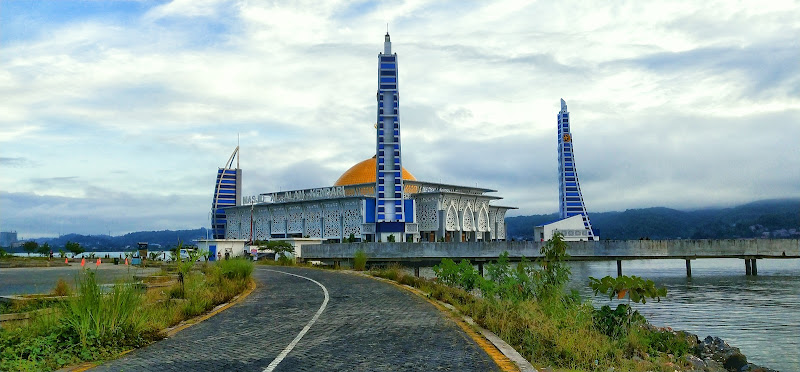
Kendari
About Kendari
Description
Kendari, tucked along the southeastern coast of Sulawesi, Indonesia, is one of those places that quietly surprises you. It’s not the kind of city that shouts for attention like Bali or Jakarta, but that’s part of its charm. The city hums with a laid-back rhythm, surrounded by hills that roll into the sea and dotted with coconut trees swaying like they’ve got nowhere better to be. As the capital of Southeast Sulawesi, Kendari has grown steadily over the years—from a modest coastal town into a lively hub where tradition and progress intersect in fascinating ways.
Walking through Kendari, you’ll notice how the scent of grilled fish mingles with the salty sea breeze. Locals are warm and curious, often eager to share stories about their city’s heritage. The mix of Bugis, Tolaki, and Muna cultures gives Kendari a unique identity that’s reflected in everything—from its food to its festivals. It’s a place where you can sip coffee at a small warung overlooking the bay, then hop on a short boat ride to explore hidden beaches that seem untouched by time.
One thing that always strikes travelers is how Kendari feels both modern and traditional at once. You’ll find sleek new buildings rising beside old wooden houses, and street vendors selling fresh durian just steps away from trendy cafés. And though it’s a city, it never feels overwhelming. There’s a calmness in the air, maybe because the sea is always nearby, reminding everyone to slow down a little.
Key Features
- Kendari Bay: A scenic spot perfect for evening strolls, with calm waters reflecting the city lights and fishing boats drifting lazily by.
- Nambo Beach: A favorite among locals, known for its soft white sand and gentle waves—ideal for swimming or just lounging with a coconut in hand.
- Moramo Waterfall: A multi-tiered natural wonder about an hour’s drive from the city, often said to be one of the most beautiful waterfalls in Sulawesi.
- Culinary Scene: From spicy ikan bakar (grilled fish) to sinonggi, a traditional sago-based dish, Kendari’s local cuisine is both hearty and distinctive.
- Cultural Diversity: A melting pot of ethnic groups, each contributing their own traditions, dances, and crafts to the city’s character.
- Friendly Locals: Travelers often mention how welcoming and curious the people are—don’t be surprised if someone invites you to join their family meal.
Best Time to Visit
If you’re like me and not a fan of unpredictable weather, the best time to visit Kendari is during the dry season, roughly from May to October. The skies are clear, the sea is calm, and outdoor adventures are much easier to plan. I once visited in July, and the sunsets were absolutely unreal—fiery orange fading into soft pinks over the bay. But even in the rainy months, Kendari has its own beauty. The rain tends to come in short bursts, leaving behind that fresh, earthy scent that makes the city feel alive. Just pack a light rain jacket and keep your plans flexible.
One thing to keep in mind: local festivals often happen around mid-year. These events are worth timing your trip for, especially if you’re curious about the traditional dances or want to taste authentic local food prepared for celebrations. The energy in the city during these times feels contagious, like everyone’s in on a secret you’ve just been invited to share.
How to Get There
Kendari is more accessible than most people realize. The city’s main gateway is Haluoleo Airport, located about 20 kilometers from downtown. There are regular flights from major Indonesian cities like Makassar, Jakarta, and Surabaya. If you’re flying from Bali, you’ll likely have a short layover in Makassar before continuing on. The airport itself is modest but efficient, and the drive into the city gives you a nice first glimpse of Sulawesi’s lush landscapes.
For the more adventurous, ferries connect Kendari with nearby islands and coastal towns. The boat rides can be long, but honestly, there’s something magical about watching the horizon stretch endlessly across the Banda Sea. If you’re traveling light, renting a motorbike in the city is a great idea—it gives you the freedom to explore the outskirts and lesser-known beaches at your own pace. Public transportation exists, but it’s limited, so a mix of taxis and ride-hailing apps will make your life easier.
Tips for Visiting
First things first: take your time. Kendari isn’t a city that rewards rushing. Spend a few days just getting to know the rhythm of the place. Try the local markets early in the morning when fishermen bring in their fresh catch. The Pasar Sentral Kendari is a sensory overload in the best way—colorful produce, chatter, and the smell of freshly brewed coffee wafting through the air.
Bring cash, as smaller shops and warungs rarely accept cards. Also, don’t expect a ton of English signage, but locals are incredibly helpful. A few words in Bahasa Indonesia go a long way—simple greetings or thank-yous often spark smiles and friendly conversations.
When it comes to food, don’t stick to the tourist spots. Ask locals where they eat. I once ended up at a tiny roadside stall serving the best grilled fish I’ve ever had—no menu, just trust and a bit of adventure. And if you’re sensitive to spice, be sure to ask for your food “tidak pedas” (not spicy). Trust me, the chili here means business.
For nature lovers, plan a day trip to Moramo Waterfall or Bokori Island. Both are easily reachable and offer postcard-worthy scenery. But remember to bring insect repellent and plenty of water, especially if you’re hiking. The humidity can sneak up on you.
Lastly, respect local customs. Kendari is predominantly Muslim, so modest clothing is appreciated, especially when visiting rural areas or religious sites. And if someone offers you a meal or a cup of coffee, accept it—it’s more than hospitality; it’s a gesture of friendship.
In the end, Kendari isn’t just a destination—it’s an experience that unfolds slowly, one conversation, one sunset, and one plate of grilled fish at a time. It’s a city that doesn’t try to impress you but somehow does anyway. And maybe that’s why travelers who come here often leave with stories they never expected to tell.
Key Features
- Key Features
- Best Time to Visit
- How to Get There
- Tips for Visiting
More Details
Updated December 1, 2025
Description
Kendari, tucked along the southeastern coast of Sulawesi, Indonesia, is one of those places that quietly surprises you. It’s not the kind of city that shouts for attention like Bali or Jakarta, but that’s part of its charm. The city hums with a laid-back rhythm, surrounded by hills that roll into the sea and dotted with coconut trees swaying like they’ve got nowhere better to be. As the capital of Southeast Sulawesi, Kendari has grown steadily over the years—from a modest coastal town into a lively hub where tradition and progress intersect in fascinating ways.
Walking through Kendari, you’ll notice how the scent of grilled fish mingles with the salty sea breeze. Locals are warm and curious, often eager to share stories about their city’s heritage. The mix of Bugis, Tolaki, and Muna cultures gives Kendari a unique identity that’s reflected in everything—from its food to its festivals. It’s a place where you can sip coffee at a small warung overlooking the bay, then hop on a short boat ride to explore hidden beaches that seem untouched by time.
One thing that always strikes travelers is how Kendari feels both modern and traditional at once. You’ll find sleek new buildings rising beside old wooden houses, and street vendors selling fresh durian just steps away from trendy cafés. And though it’s a city, it never feels overwhelming. There’s a calmness in the air, maybe because the sea is always nearby, reminding everyone to slow down a little.
Key Features
- Kendari Bay: A scenic spot perfect for evening strolls, with calm waters reflecting the city lights and fishing boats drifting lazily by.
- Nambo Beach: A favorite among locals, known for its soft white sand and gentle waves—ideal for swimming or just lounging with a coconut in hand.
- Moramo Waterfall: A multi-tiered natural wonder about an hour’s drive from the city, often said to be one of the most beautiful waterfalls in Sulawesi.
- Culinary Scene: From spicy ikan bakar (grilled fish) to sinonggi, a traditional sago-based dish, Kendari’s local cuisine is both hearty and distinctive.
- Cultural Diversity: A melting pot of ethnic groups, each contributing their own traditions, dances, and crafts to the city’s character.
- Friendly Locals: Travelers often mention how welcoming and curious the people are—don’t be surprised if someone invites you to join their family meal.
Best Time to Visit
If you’re like me and not a fan of unpredictable weather, the best time to visit Kendari is during the dry season, roughly from May to October. The skies are clear, the sea is calm, and outdoor adventures are much easier to plan. I once visited in July, and the sunsets were absolutely unreal—fiery orange fading into soft pinks over the bay. But even in the rainy months, Kendari has its own beauty. The rain tends to come in short bursts, leaving behind that fresh, earthy scent that makes the city feel alive. Just pack a light rain jacket and keep your plans flexible.
One thing to keep in mind: local festivals often happen around mid-year. These events are worth timing your trip for, especially if you’re curious about the traditional dances or want to taste authentic local food prepared for celebrations. The energy in the city during these times feels contagious, like everyone’s in on a secret you’ve just been invited to share.
How to Get There
Kendari is more accessible than most people realize. The city’s main gateway is Haluoleo Airport, located about 20 kilometers from downtown. There are regular flights from major Indonesian cities like Makassar, Jakarta, and Surabaya. If you’re flying from Bali, you’ll likely have a short layover in Makassar before continuing on. The airport itself is modest but efficient, and the drive into the city gives you a nice first glimpse of Sulawesi’s lush landscapes.
For the more adventurous, ferries connect Kendari with nearby islands and coastal towns. The boat rides can be long, but honestly, there’s something magical about watching the horizon stretch endlessly across the Banda Sea. If you’re traveling light, renting a motorbike in the city is a great idea—it gives you the freedom to explore the outskirts and lesser-known beaches at your own pace. Public transportation exists, but it’s limited, so a mix of taxis and ride-hailing apps will make your life easier.
Tips for Visiting
First things first: take your time. Kendari isn’t a city that rewards rushing. Spend a few days just getting to know the rhythm of the place. Try the local markets early in the morning when fishermen bring in their fresh catch. The Pasar Sentral Kendari is a sensory overload in the best way—colorful produce, chatter, and the smell of freshly brewed coffee wafting through the air.
Bring cash, as smaller shops and warungs rarely accept cards. Also, don’t expect a ton of English signage, but locals are incredibly helpful. A few words in Bahasa Indonesia go a long way—simple greetings or thank-yous often spark smiles and friendly conversations.
When it comes to food, don’t stick to the tourist spots. Ask locals where they eat. I once ended up at a tiny roadside stall serving the best grilled fish I’ve ever had—no menu, just trust and a bit of adventure. And if you’re sensitive to spice, be sure to ask for your food “tidak pedas” (not spicy). Trust me, the chili here means business.
For nature lovers, plan a day trip to Moramo Waterfall or Bokori Island. Both are easily reachable and offer postcard-worthy scenery. But remember to bring insect repellent and plenty of water, especially if you’re hiking. The humidity can sneak up on you.
Lastly, respect local customs. Kendari is predominantly Muslim, so modest clothing is appreciated, especially when visiting rural areas or religious sites. And if someone offers you a meal or a cup of coffee, accept it—it’s more than hospitality; it’s a gesture of friendship.
In the end, Kendari isn’t just a destination—it’s an experience that unfolds slowly, one conversation, one sunset, and one plate of grilled fish at a time. It’s a city that doesn’t try to impress you but somehow does anyway. And maybe that’s why travelers who come here often leave with stories they never expected to tell.
Key Highlights
- Key Features
- Best Time to Visit
- How to Get There
- Tips for Visiting
Location
Places to Stay Near Kendari
Find and Book a Tour
Explore More Travel Guides
No reviews found! Be the first to review!
Traveler Reviews for Kendari
There are no reviews yet. Be the first one to write one.
Have you visited Kendari? Help other travelers by sharing your review.
You Might Also Like

Museum Pusat Informasi Kebudayaan Sultra

South East Sulawesi 93234

Spot Kendari Water Front
Find Accommodations Nearby
Recommended Tours & Activities
Visitor Reviews
There are no reviews yet. Be the first one to write one.
Share Your Experience
Have you visited Kendari? Help other travelers by leaving a review.