
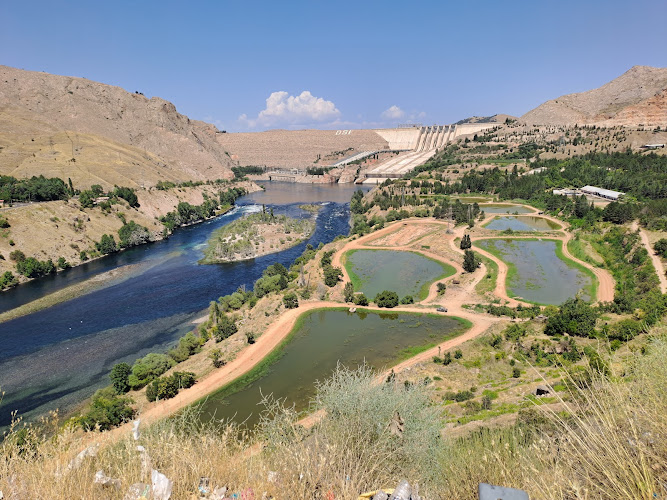
Keban Dam
About Keban Dam
The Keban Dam isn’t the kind of place that jumps out at you from glossy travel brochures. And honestly, that’s part of its charm. This massive hydroelectric power plant on the Euphrates River feels more like a quiet giant, just doing its job, day after day, shaping the landscape and the lives around it. Travelers who make the effort to come here usually aren’t chasing adrenaline or luxury. They’re curious. They want to understand how a place works, how it came to be, and why it matters.
Standing near the dam for the first time can be oddly humbling. The concrete structure stretches wide and heavy, holding back an enormous reservoir that looks almost calm, even innocent. But you know there’s serious force behind it. And yes, it’s a working hydroelectric power station, not a theme park, so expectations need to be set right. Still, there’s something deeply satisfying about watching such a crucial piece of infrastructure in action, especially when you realize how much of the region depends on it.
I remember visiting on a slightly windy afternoon, the kind where the air smells faintly of water and dust mixed together. There weren’t crowds, no loud tour guides barking facts. Just a few locals, some travelers like me, and that constant low hum that tells you electricity is being made right now, at this very second. It felt… real. Not staged.
Description
Keban Dam is one of Turkey’s landmark hydroelectric projects and has been a backbone of energy production since it became operational decades ago. Built on the Euphrates River, it plays a crucial role in power generation and water regulation for the surrounding regions. For travelers, though, the appeal goes beyond engineering stats. This is a place where you can physically see the scale of human ambition meeting raw nature.
The dam creates a vast reservoir that stretches far into the surrounding terrain. On a clear day, the water reflects the sky in a way that almost tricks you into thinking you’re by a lake rather than an engineered structure. The surrounding area is relatively quiet, which makes it ideal for travelers who prefer reflective moments over crowded attractions.
Accessibility is worth noting. The presence of wheelchair-accessible parking makes it possible for more people to experience the site, which is something not every industrial landmark gets right. That said, this is still a functioning power station, so movement may be limited to designated areas. But even from those spots, the view and the experience feel complete.
Emotionally, Keban Dam sits somewhere between impressive and calming. It doesn’t scream for attention. It doesn’t try to entertain you. It simply exists, doing an important job, and invites you to observe. And sometimes, that’s exactly what a traveler needs.
Key Features
- Massive concrete dam structure spanning the Euphrates River
- Large reservoir offering wide, open water views
- Operational hydroelectric power plant producing significant energy
- Designated viewing areas for visitors
- Wheelchair-accessible parking facilities
- Peaceful surroundings with minimal tourist congestion
- Strong connection to regional development and history
One thing I personally appreciated was how unpolished the experience felt. There aren’t flashy info boards everywhere. You’re encouraged to observe, think, maybe even Google a few facts later when curiosity kicks in. It’s refreshingly old-school.
Best Time to Visit
The best time to visit Keban Dam is generally during spring and early autumn. During these seasons, the weather is mild, and the light plays beautifully on the water’s surface. Summer can be hot, and the concrete structure doesn’t offer much shade, so it can get uncomfortable faster than you expect. Winter, on the other hand, has its own stark beauty, but cold winds coming off the reservoir can make lingering difficult.
If you’re into photography, aim for early morning or late afternoon. The way shadows fall across the dam face during golden hour is genuinely striking. I once arrived a bit too early, coffee still in hand, and watched the sun creep over the horizon. No dramatic moment, just a slow reveal. But it stuck with me.
Weekdays are usually quieter than weekends. Not that weekends are packed or anything, but if you like having space to yourself, midweek visits feel more personal. And trust me, this is a place best enjoyed without distractions.
How to Get There
Getting to Keban Dam requires a bit of planning, which again, weeds out casual visitors. Most travelers approach by road, often combining the visit with nearby towns or natural spots. Driving gives you flexibility and lets you stop along the way, which I highly recommend. Some of the roadside views are unexpectedly lovely.
Public transport options can be limited, depending on where you’re coming from. Local buses or shared taxis may get you part of the way, but the last stretch often requires patience or a ride. If you’re not driving, it’s smart to ask around locally. People are generally helpful, even if language barriers pop up. Hand gestures and smiles go a long way.
And yes, the road signs aren’t always perfect. I missed a turn once and ended up adding an extra 20 minutes to my trip. But honestly, no regrets. That detour led me past a quiet village and a small tea stop that wasn’t on any map. Those are the moments you remember.
Tips for Visiting
First tip: manage expectations. Keban Dam is not an entertainment complex. It’s a working hydroelectric power station. Go in with curiosity, not demands, and you’ll enjoy it far more.
Wear comfortable shoes. You might not walk huge distances, but surfaces can be uneven, and you’ll likely want to move around to find the best views. Bring water, especially in warmer months, because facilities nearby can be limited.
Photography is generally fine from designated areas, but be respectful. This isn’t just a photo backdrop; it’s critical infrastructure. If something feels restricted, it probably is.
Give yourself time. This isn’t a five-minute stop. Sit for a bit. Watch the water. Listen to the sounds. I spent nearly an hour doing basically nothing, and it felt great. Rare, even.
Finally, pair the visit with something nearby. A local eatery, a short nature walk, or just a drive with no destination. Keban Dam works best as part of a slower travel day, the kind where you’re not rushing from checklist item to checklist item.
In the end, Keban Dam appeals to a certain type of traveler. If you like understanding how places function, if you enjoy quiet power over loud spectacle, and if you’re okay with a bit of rough-around-the-edges authenticity, then this place will likely stick with you. It did for me. And weeks later, I still find myself thinking about that calm water held back by so much concrete, and how strange and impressive that balance really is.
Key Features
- Massive concrete dam structure spanning the Euphrates River
- Large reservoir offering wide, open water views
- Operational hydroelectric power plant producing significant energy
- Designated viewing areas for visitors
- Wheelchair-accessible parking facilities
- Peaceful surroundings with minimal tourist congestion
- Strong connection to regional development and history
You Might Also Like

*BDT BELEK DOGA TOUR | Daily Tours, Day Trips and Excursions in Antalya*

1464. Sk. No:55

2006. Sk. No:2
Tours & Activities
GetYourGuide provides this tour inventory. We may earn a commission if you book through it; verify current availability, prices, and terms with the provider.
Visitor Reviews
There are no reviews yet. Be the first one to write one.
Share Your Experience
Have you visited Keban Dam? Help other travelers by leaving a review.