Description
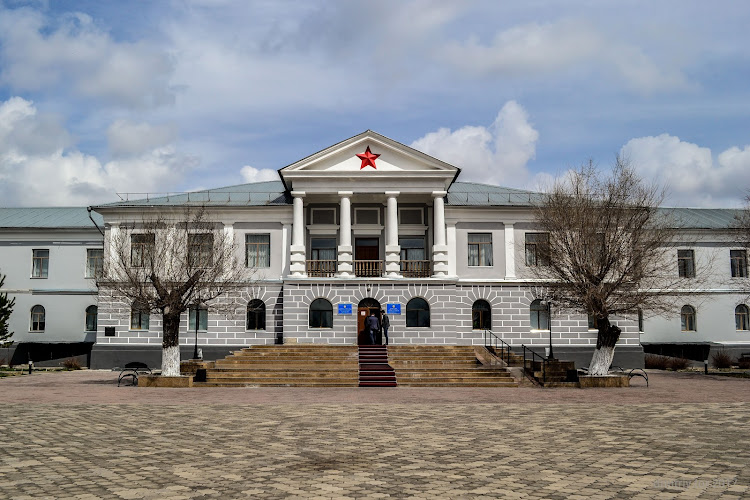
The Karlag Museum stands as one of the most profound historical sites in Kazakhstan, offering visitors a sobering glimpse into one of the darkest chapters of Soviet history. This museum and memorial park commemorates the Karaganda Labor Camp, which was once among the largest and most notorious Gulag camps in the entire Soviet system. Between 1931 and 1959, hundreds of thousands of prisoners passed through these gates, many of whom never left alive.
When you visit Karlag, you’re not just walking through another museum with artifacts behind glass. You’re stepping onto ground where real people suffered, worked, and died under brutal conditions. The experience is heavy, there’s no getting around that, but it’s also incredibly important. I’ve always believed that places like this serve as crucial reminders of what happens when systems strip away human dignity and individual freedom.
The museum complex does an impressive job of preserving both the physical remnants of the camp and the stories of those who were imprisoned here. Original buildings still stand, their weathered walls telling stories that no placard could fully capture. And the exhibits inside present personal belongings, photographs, and documents that belonged to actual prisoners – intellectuals, artists, political dissidents, and ordinary people caught in the machinery of Stalin’s purges.
What makes Karlag particularly significant is its scale. This wasn’t just a single camp but an entire network of labor camps spread across a massive territory. Prisoners worked in agriculture, mining, construction, and various industries that helped build Soviet Kazakhstan. The irony wasn’t lost on anyone that many of the region’s early infrastructure projects were built on the backs of enslaved laborers.
Key Features
The Karlag Museum offers several distinctive elements that make it stand out among historical memorial sites:
- Original barracks and administrative buildings from the actual camp period, preserved to show authentic living and working conditions prisoners endured
- An extensive collection of personal items including letters, clothing, photographs, and makeshift tools crafted by prisoners
- Detailed exhibits documenting the daily life inside the camp, from ration systems to punishment cells
- Memorial walls listing names of thousands of victims who perished at Karlag, helping families locate information about lost relatives
- Guided tours led by knowledgeable staff who provide historical context and share individual prisoner stories that bring the statistics to life
- Outdoor memorial park with monuments and sculptures honoring those who suffered and died
- Documentary footage and oral history recordings from survivors and their descendants
- Educational materials explaining the broader Gulag system and how Karlag fit into Soviet repression mechanisms
- Wheelchair accessible facilities including entrance ramps and accessible parking, making this important site available to all visitors
- Restroom facilities on-site, though visitors should note there’s no restaurant so plan accordingly
- Family-friendly presentations that handle difficult subject matter in age-appropriate ways for children learning about this history
Best Time to Visit
Timing your visit to the Karlag Museum requires thinking about both weather conditions and your own emotional readiness for such an intense experience. The museum operates year-round, but each season offers a different perspective on this historical site.
Summer months from June through August bring the warmest weather, which makes exploring the outdoor portions of the memorial park considerably more comfortable. Temperatures during these months are pleasant for walking between buildings and spending time reading the outdoor memorials. But honestly, summer also means more tour groups, which can sometimes make it harder to find those quiet moments of reflection that a place like this demands.
Spring and early fall – particularly May and September – might actually be the sweet spot for visiting. The weather’s still decent enough for outdoor exploration, but you’ll encounter fewer crowds. There’s something about visiting in autumn when the leaves are falling that adds another layer of poignancy to the experience. Nature’s cycle of death and renewal feels particularly relevant at a memorial site.
Winter visits aren’t for everyone, I’ll admit that upfront. Kazakhstan winters are harsh, and experiencing the cold gives you just a tiny fraction of understanding what prisoners endured in unheated barracks. Some visitors actually prefer winter specifically for this reason – it creates a more visceral connection to the historical reality. Just dress warmly in layers, because you’ll want to spend time outside even when temperatures drop well below freezing.
Weekdays typically see fewer visitors than weekends, giving you more space and quiet for contemplation. And if you’re someone who processes heavy emotions better without crowds around, definitely aim for a weekday morning visit.
How to Get There
Getting to the Karlag Museum requires some planning since it’s not located in a major urban center. The museum sits in the Karaganda region, and most travelers will need to make Karaganda city their base for visiting.
If you’re flying into Kazakhstan specifically to visit Karlag, you’ll likely arrive at Nur-Sultan (formerly Astana) or Almaty first. From either city, you can catch a domestic flight to Karaganda, which takes about an hour from Nur-Sultan. Karaganda’s airport is small but functional, and from there you’ll need ground transportation to reach the museum site.
Many visitors opt to take the train from Nur-Sultan to Karaganda instead. The train journey takes roughly 5-6 hours depending on which service you catch, but it’s quite affordable and gives you a chance to see the Kazakh steppe landscape. There’s something appropriate about approaching a Gulag memorial by train, given how prisoners were transported in cattle cars along similar routes.
From Karaganda city center, you’ll need to arrange transportation to the actual museum site. Taxis are available and relatively inexpensive, though not all drivers speak English so having your destination written in Russian or Kazakh helps tremendously. Some hotels can arrange drivers for the day, which gives you more flexibility to explore at your own pace.
Organized tours from Karaganda are another option worth considering. These typically include transportation, a guide, and sometimes visits to related historical sites in the area. For travelers who don’t speak Russian or Kazakh, having a guide can add significant value to the experience through translation and historical context.
If you’re renting a car, the roads to the museum are generally in decent condition, though navigation can be tricky without GPS. Make sure your rental agreement allows you to travel outside city limits, and fill up on fuel before leaving Karaganda since services are sparse in rural areas.
Tips for Visiting
Visiting the Karlag Museum isn’t like visiting most tourist attractions. This is a memorial to human suffering on a massive scale, and approaching it with the right mindset and preparation makes all the difference.
First and most importantly, allow yourself plenty of time. Rushing through Karlag misses the entire point. Budget at least three to four hours minimum, and honestly, you could easily spend an entire day here if you’re someone who reads every exhibit and takes time to absorb what you’re seeing. The emotional weight of the place demands space for processing.
Dress appropriately for both weather and respect. This means layers in any season since you’ll be moving between indoor heated spaces and outdoor memorial areas. And while there’s no strict dress code, remember you’re visiting a memorial site where real people suffered and died. Casual is fine, but maybe skip the bright vacation wear.
Photography policies can be a bit unclear at historical sites in Kazakhstan, so ask before snapping pictures inside exhibition halls. Outside in the memorial park is generally fine, but be thoughtful about what you’re photographing and why. This isn’t really an Instagram opportunity, though documenting your visit for educational purposes makes sense.
Bring water and snacks since there’s no restaurant on-site. There are restrooms available, but having your own supplies means you won’t need to cut your visit short due to hunger or thirst.
If you’re visiting with children, prepare them beforehand about what they’ll see and experience. The museum does present information in ways that kids can understand, but the subject matter is inherently disturbing. I think children should learn this history, but parents need to gauge their own kids’ readiness for such heavy material.
Consider hiring a guide even if you generally prefer self-guided visits. The guides at Karlag often have deep knowledge not just of the historical facts but of specific prisoner stories that aren’t fully captured in the written materials. And if you don’t speak Russian or Kazakh, a guide becomes pretty much essential for understanding the exhibits fully.
Take breaks when you need them. There’s no shame in stepping outside for fresh air when the weight of what you’re learning becomes overwhelming. The memorial park areas offer benches where you can sit and process your thoughts.
Bring cash for any admission fees or donations. Card readers aren’t always reliable at smaller museums in Kazakhstan, and supporting the preservation of this important site through admission fees or additional donations helps ensure future generations can learn from this history.
Finally, plan for some quiet time after your visit. Don’t schedule something immediately afterwards. Give yourself space to decompress, maybe at a quiet cafe in Karaganda where you can journal or just sit with your thoughts. Places like Karlag change you a little bit, and that change deserves acknowledgment and time to settle.