
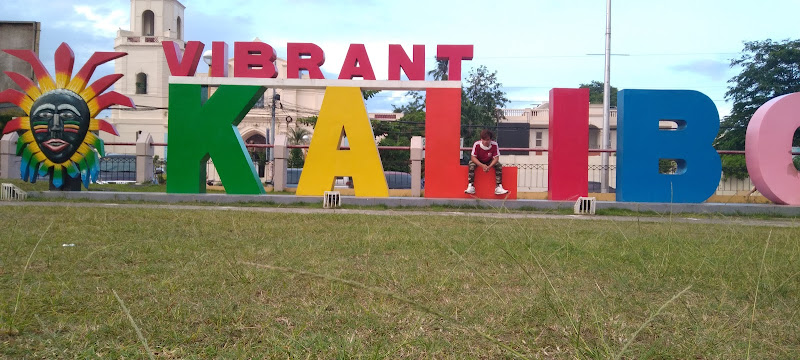
Kalibo
About Kalibo
Description
Kalibo is the beating heart of Aklan province, sitting proudly on the north-western edge of Panay Island in the Philippines. It's not just any town—it’s the capital and the most populous municipality in the region, home to nearly 90,000 people as of 2020. What makes Kalibo stand out isn’t just its size, but the genuine vibe it gives off. It’s a place where tradition and everyday life blend seamlessly, where you can wander through lively markets, catch a glimpse of local artisans at work, or just soak in the unpretentious charm of provincial life.
Unlike the usual tourist-heavy spots, Kalibo offers a more grounded experience. It’s not all about flashy resorts or crowded beaches here. Instead, you get a real taste of Filipino culture and warmth—people who are proud of their roots and eager to share their stories. The town pulses with energy during its famous Ati-Atihan Festival, but even outside those wild, colorful days, there’s plenty to keep you intrigued.
Kalibo’s location makes it a perfect gateway to the stunning beaches of Boracay, but it’s worth spending time in the town itself. The streets are dotted with quaint cafes, street food stalls, and historical landmarks that whisper tales of the past. You might find yourself chatting with a local vendor about their craft or stumbling upon a quiet church that’s been standing for centuries. It’s these little moments that make Kalibo more than just a stopover; it’s a place to slow down and genuinely connect.
Key Features
- Gateway to Boracay Island, just a short trip away
- Home to the world-renowned Ati-Atihan Festival, often called the “Mother of All Philippine Festivals”
- Rich cultural heritage with centuries-old churches and Spanish colonial influences
- Vibrant local markets offering fresh produce, handmade crafts, and authentic Filipino street food
- Warm and welcoming community known for their hospitality
- Accessible yet less touristy than nearby beach destinations, offering a more authentic experience
- Strategic location on Panay Island, making it a hub for exploring natural attractions like the Aklan River and nearby eco-parks
Best Time to Visit
If you want to catch the full spirit of Kalibo, plan your trip around January. That’s when the Ati-Atihan Festival takes over the town with wild parades, tribal dances, and a whole lot of paint and music. It’s loud, it’s messy, and it’s absolutely unforgettable. But fair warning—if you prefer something more chill, avoid festival week because the town gets packed and accommodations fill up fast.
Outside of festival season, the dry months from November to May are your best bet. The weather is generally sunny and pleasant, perfect for exploring without worrying about sudden downpours. June to October is the rainy season, and while the rains can be heavy, they usually come in short bursts. Just pack a good raincoat and be ready to adapt your plans.
How to Get There
Getting to Kalibo is pretty straightforward, especially if you’re flying in. Kalibo International Airport serves as the main gateway, with direct flights from Manila, Cebu, and even some international destinations. It’s smaller and less hectic than the airports in bigger cities, which means less stress when you land.
From the airport, it’s a quick 15-20 minute ride to the town center. Jeepneys, tricycles, and taxis are all readily available, so you won’t have trouble finding a ride. If you’re coming from nearby provinces or other parts of Panay Island, buses and vans connect Kalibo to places like Iloilo and Roxas City. Just be prepared for some winding roads and a bit of local adventure along the way.
Tips for Visiting
First off, don’t rush your visit. Kalibo’s charm lies in its laid-back pace and friendly faces. Take your time to stroll through the public market—you’ll find some of the freshest seafood and tropical fruits you’ve ever tasted. And hey, don’t be shy about bargaining a bit; it’s part of the fun and locals expect it.
When it comes to the Ati-Atihan Festival, if you decide to dive in, wear old clothes you don’t mind getting stained. The black soot and paint flying around is all part of the celebration. Also, keep hydrated and wear sunscreen because the festivities go on all day under the sun.
Exploring beyond the town is a must. Ask locals about hidden spots—there are quiet rivers, scenic hills, and small villages where time seems to stand still. And if you’re into food, try the local delicacies like binakol (a chicken soup cooked in bamboo) or freshly made piaya, a sweet flatbread that’s a local favorite.
Lastly, remember that Kalibo is not Boracay. It doesn’t have the same beach party vibe or luxury resorts, but that’s exactly why it’s special. It’s a place where you can catch your breath, connect with real people, and experience the Philippines in a way that’s a little less polished but a lot more genuine. So bring your curiosity, your appetite, and a sense of adventure—you won’t regret it.
Key Features
- Gateway to Boracay Island, just a short trip away
- Home to the world-renowned Ati-Atihan Festival, often called the “Mother of All Philippine Festivals”
- Rich cultural heritage with centuries-old churches and Spanish colonial influences
- Vibrant local markets offering fresh produce, handmade crafts, and authentic Filipino street food
- Warm and welcoming community known for their hospitality
- Accessible yet less touristy than nearby beach destinations, offering a more authentic experience
- Strategic location on Panay Island, making it a hub for exploring natural attractions like the Aklan River and nearby eco-parks
More Details
Updated July 15, 2025
Table of Contents
Description
Kalibo is the beating heart of Aklan province, sitting proudly on the north-western edge of Panay Island in the Philippines. It’s not just any town—it’s the capital and the most populous municipality in the region, home to nearly 90,000 people as of 2020. What makes Kalibo stand out isn’t just its size, but the genuine vibe it gives off. It’s a place where tradition and everyday life blend seamlessly, where you can wander through lively markets, catch a glimpse of local artisans at work, or just soak in the unpretentious charm of provincial life.
Unlike the usual tourist-heavy spots, Kalibo offers a more grounded experience. It’s not all about flashy resorts or crowded beaches here. Instead, you get a real taste of Filipino culture and warmth—people who are proud of their roots and eager to share their stories. The town pulses with energy during its famous Ati-Atihan Festival, but even outside those wild, colorful days, there’s plenty to keep you intrigued.
Kalibo’s location makes it a perfect gateway to the stunning beaches of Boracay, but it’s worth spending time in the town itself. The streets are dotted with quaint cafes, street food stalls, and historical landmarks that whisper tales of the past. You might find yourself chatting with a local vendor about their craft or stumbling upon a quiet church that’s been standing for centuries. It’s these little moments that make Kalibo more than just a stopover; it’s a place to slow down and genuinely connect.
Key Features
- Gateway to Boracay Island, just a short trip away
- Home to the world-renowned Ati-Atihan Festival, often called the “Mother of All Philippine Festivals”
- Rich cultural heritage with centuries-old churches and Spanish colonial influences
- Vibrant local markets offering fresh produce, handmade crafts, and authentic Filipino street food
- Warm and welcoming community known for their hospitality
- Accessible yet less touristy than nearby beach destinations, offering a more authentic experience
- Strategic location on Panay Island, making it a hub for exploring natural attractions like the Aklan River and nearby eco-parks
Best Time to Visit
If you want to catch the full spirit of Kalibo, plan your trip around January. That’s when the Ati-Atihan Festival takes over the town with wild parades, tribal dances, and a whole lot of paint and music. It’s loud, it’s messy, and it’s absolutely unforgettable. But fair warning—if you prefer something more chill, avoid festival week because the town gets packed and accommodations fill up fast.
Outside of festival season, the dry months from November to May are your best bet. The weather is generally sunny and pleasant, perfect for exploring without worrying about sudden downpours. June to October is the rainy season, and while the rains can be heavy, they usually come in short bursts. Just pack a good raincoat and be ready to adapt your plans.
How to Get There
Getting to Kalibo is pretty straightforward, especially if you’re flying in. Kalibo International Airport serves as the main gateway, with direct flights from Manila, Cebu, and even some international destinations. It’s smaller and less hectic than the airports in bigger cities, which means less stress when you land.
From the airport, it’s a quick 15-20 minute ride to the town center. Jeepneys, tricycles, and taxis are all readily available, so you won’t have trouble finding a ride. If you’re coming from nearby provinces or other parts of Panay Island, buses and vans connect Kalibo to places like Iloilo and Roxas City. Just be prepared for some winding roads and a bit of local adventure along the way.
Tips for Visiting
First off, don’t rush your visit. Kalibo’s charm lies in its laid-back pace and friendly faces. Take your time to stroll through the public market—you’ll find some of the freshest seafood and tropical fruits you’ve ever tasted. And hey, don’t be shy about bargaining a bit; it’s part of the fun and locals expect it.
When it comes to the Ati-Atihan Festival, if you decide to dive in, wear old clothes you don’t mind getting stained. The black soot and paint flying around is all part of the celebration. Also, keep hydrated and wear sunscreen because the festivities go on all day under the sun.
Exploring beyond the town is a must. Ask locals about hidden spots—there are quiet rivers, scenic hills, and small villages where time seems to stand still. And if you’re into food, try the local delicacies like binakol (a chicken soup cooked in bamboo) or freshly made piaya, a sweet flatbread that’s a local favorite.
Lastly, remember that Kalibo is not Boracay. It doesn’t have the same beach party vibe or luxury resorts, but that’s exactly why it’s special. It’s a place where you can catch your breath, connect with real people, and experience the Philippines in a way that’s a little less polished but a lot more genuine. So bring your curiosity, your appetite, and a sense of adventure—you won’t regret it.
Key Highlights
- Gateway to Boracay Island, just a short trip away
- Home to the world-renowned Ati-Atihan Festival, often called the “Mother of All Philippine Festivals”
- Rich cultural heritage with centuries-old churches and Spanish colonial influences
- Vibrant local markets offering fresh produce, handmade crafts, and authentic Filipino street food
- Warm and welcoming community known for their hospitality
- Accessible yet less touristy than nearby beach destinations, offering a more authentic experience
- Strategic location on Panay Island, making it a hub for exploring natural attractions like the Aklan River and nearby eco-parks
Location
Places to Stay Near Kalibo
Find and Book a Tour
Explore More Travel Guides
No reviews found! Be the first to review!
Traveler Reviews for Kalibo
There are no reviews yet. Be the first one to write one.
Have you visited Kalibo? Help other travelers by sharing your review.
You Might Also Like

Aklan Freedom Shrine
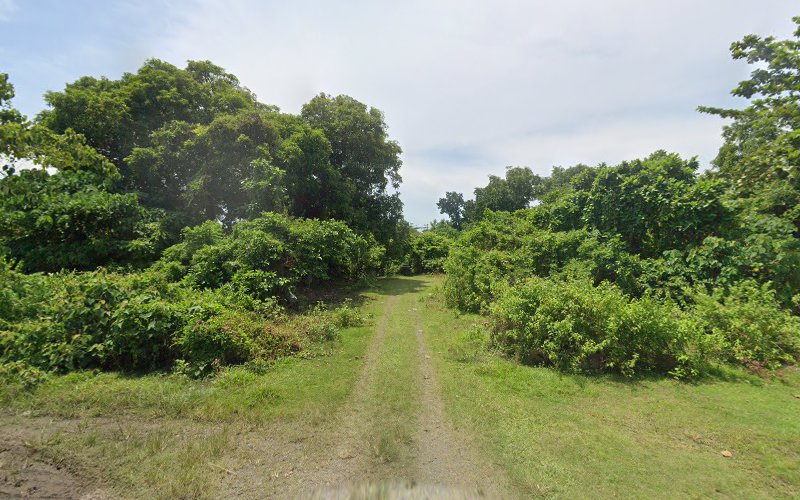
Aklan Pythons Airsoft Team Gamesite
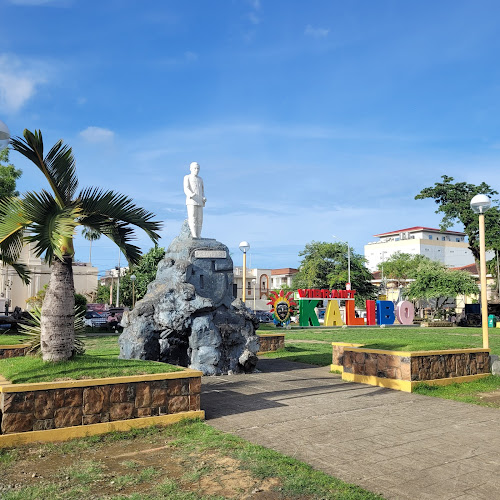
Kalibo Plaza
Find Accommodations Nearby
Recommended Tours & Activities
Visitor Reviews
There are no reviews yet. Be the first one to write one.
Share Your Experience
Have you visited Kalibo? Help other travelers by leaving a review.