
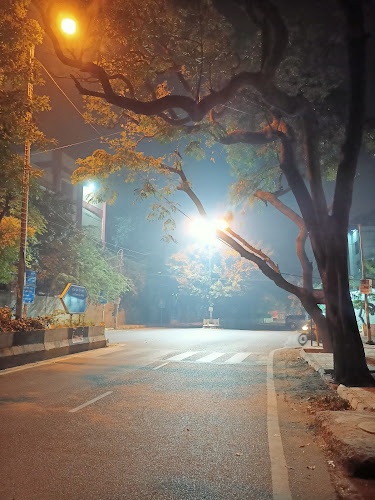
Kailash Colony
About Kailash Colony
Description
Kailash Colony sits in the heart of South Delhi, representing one of those neighborhoods that most travelers overlook when planning their India itinerary—and honestly, that's part of its charm. This residential area doesn't scream for attention with tourist traps or manufactured experiences. Instead, it offers something far more valuable: an authentic glimpse into how middle and upper-middle class Delhiites actually live their daily lives. The colony developed during the post-independence urbanization boom, when Delhi was expanding rapidly beyond its historical boundaries. What started as a planned residential development has evolved into a well-established neighborhood with tree-lined streets, local markets, and that particular Delhi character that's hard to describe but immediately recognizable once you're there. Greater Kailash, which extends from this original colony, has become even more well-known over the years, but Kailash Colony maintains its own distinct personality. Walking through these streets, you'll notice the mix of architectural styles—older bungalows standing alongside modern apartments, each telling a different chapter of Delhi's growth story. The area isn't touristy in the conventional sense, but that's precisely what makes it worth visiting for travelers who want to understand contemporary urban India beyond the monuments and Instagram hotspots. There's a lived-in quality here that feels refreshingly real after spending time in more commercialized parts of the city. Local shops, neighborhood temples, parks where aunties do their morning walks, and street vendors who've occupied the same corner for decades—these elements create a tapestry of everyday life that's far more interesting than any curated tourist experience. And because Greater Kailash is just next door, you get the best of both worlds: the authentic residential vibe here with easy access to the shopping and dining scene there.Key Features
- Genuine residential atmosphere that provides authentic insights into Delhi's urban lifestyle away from tourist crowds and commercialization
- Strategic location in South Delhi with excellent connectivity to major attractions, shopping districts, and business centers throughout the capital
- Tree-covered streets that offer shade during Delhi's intense summers and create pleasant walking conditions compared to many other city areas
- Local markets selling fresh produce, household goods, and street food that cater to residents rather than tourists, offering real prices and authentic flavors
- Proximity to Greater Kailash with its upscale shopping, international restaurants, and entertainment options just a short walk or ride away
- Neighborhood temples and community spaces that host festivals and celebrations, giving visitors chances to observe or participate in local religious and cultural practices
- Mix of old and new architecture reflecting different periods of Delhi's urban development and changing aesthetic preferences over decades
- Relatively safe and clean environment with active community participation in maintaining neighborhood standards and security measures
- Local eateries and dhabas serving home-style North Indian food at prices locals actually pay, not inflated tourist rates
- Parks and green spaces where you can observe daily Indian life—morning yoga sessions, cricket matches, evening walks, and social gatherings
- Well-developed infrastructure including schools, clinics, and services that make it comfortable for travelers staying in nearby guesthouses or serviced apartments
- Metro accessibility connecting the area to Old Delhi, New Delhi, airport, and other major destinations across the National Capital Region
Best Time to Visit
Timing your visit to Kailash Colony really depends on what you can tolerate weather-wise, because let me tell you, Delhi's climate can be extreme. The absolute best months are October through March, when temperatures are bearable and you can actually walk around without feeling like you're melting into the pavement. October and November bring post-monsoon freshness, with temperatures ranging from pleasant to warm. The festival season kicks in during this period too—Diwali usually falls somewhere in this window, and if you're around for it, the neighborhood transforms with lights, decorations, and that electric energy that festivals bring. I remember walking through similar Delhi neighborhoods during Diwali, and the whole atmosphere shifts. People are out, sweets are being distributed, and even if you're not celebrating yourself, you feel part of something bigger. December through February constitute Delhi's winter, and these months are genuinely lovely. Mornings can be foggy and cool (sometimes even cold by Indian standards), but afternoons are perfect for exploring. This is peak tourist season for Delhi overall, so expect more crowds at major attractions, but Kailash Colony itself remains relatively unaffected since it's primarily residential. The local parks are especially pleasant during winter mornings when you can watch the neighborhood come alive with joggers, dog walkers, and chai vendors setting up their stalls. March brings warmer weather but remains manageable if you start your days early. By April and May, Delhi turns into a furnace. Temperatures can soar above 40°C (104°F), and honestly, unless you're acclimated to intense heat, it's not ideal for exploration. But if you do visit during summer, the neighborhood's tree cover provides better relief than many other parts of Delhi. The monsoon season from June through September brings relief from heat but introduces humidity and unpredictable rainfall. Streets can flood during heavy downpours, and while there's a certain romantic quality to monsoon in India, it does complicate getting around. However, accommodation prices drop during this period, and if you don't mind occasional rain, you'll experience the city with fewer tourists and a different character altogether.How to Get There
Getting to Kailash Colony is straightforward thanks to Delhi's extensive public transportation network. The Delhi Metro, which has revolutionized how people move around this massive city, provides the most convenient access. Kailash Colony Metro Station on the Violet Line puts you right in the neighborhood. The Violet Line connects to other major lines, making it easy to reach from wherever you're staying in Delhi or even from the airport if you're willing to make a couple of transfers. From Indira Gandhi International Airport, you have several options. The Airport Express Line gets you to New Delhi Metro Station, where you can transfer to the Violet Line. The entire journey takes roughly 60-90 minutes depending on connection times. Alternatively, you can take a prepaid taxi or use app-based services like Ola or Uber, which cost between 500-800 rupees depending on traffic and your terminal. The drive takes 45 minutes to over an hour depending on Delhi's notoriously unpredictable traffic conditions. If you're coming from major railway stations—New Delhi Railway Station, Old Delhi Railway Station, or Hazrat Nizamuddin—the Metro remains your best bet. All these stations have Metro connectivity, and you can plan your route using the Delhi Metro Rail app or Google Maps, both of which work excellently for this purpose. Auto-rickshaws are everywhere in Delhi and can get you to Kailash Colony from nearby areas. Make sure to either negotiate the fare beforehand or insist on using the meter (though getting drivers to use meters can be challenging). From neighboring areas like Nehru Place, Lajpat Nagar, or Greater Kailash itself, an auto should cost 50-100 rupees. Local buses also serve the area, but navigating Delhi's bus system requires some local knowledge or a willingness to ask for help frequently. The DTC (Delhi Transport Corporation) buses are cheap but can be crowded, especially during rush hours.Tips for Visiting
First thing—dress appropriately for a residential area. While Delhi is cosmopolitan and you'll see people wearing everything imaginable, Kailash Colony is where families live their daily lives. Modest clothing (covering shoulders and knees) shows respect and honestly makes your experience more comfortable since you'll attract less attention. Learn a few Hindi phrases before visiting. Even basic words like "namaste" (hello), "dhanyavaad" (thank you), and "kitna" (how much) go a long way in residential neighborhoods where English might not be everyone's first language. People appreciate the effort, and it changes interactions from transactional to genuinely friendly. The local markets operate on their own schedule. Most shops close for a few hours during afternoon, typically between 1-4 PM when the heat is most intense or when shopkeepers take their lunch break. Plan your market visits for morning or evening. And Wednesday might see some shops closed since that's a common weekly off day in many Delhi markets. Cash is still king in neighborhood shops and street food stalls, even though digital payments have grown popular. Carry sufficient small denominations—getting change for a 500 or 2000 rupee note at a small shop can be problematic. ATMs are available but having cash ready makes everything smoother. Street food here is generally safe if you follow basic precautions. Eat at stalls with high turnover where food is freshly prepared, avoid anything that's been sitting out, and start slowly if your stomach isn't accustomed to Indian spices and street food. The local chaat vendors and paratha makers serve the same food to neighborhood residents daily, so quality standards exist, but your digestive system might need time to adjust. Respect privacy when exploring residential streets. People's homes are not tourist attractions, so avoid peering into windows or photographing people without permission. If you want to photograph something interesting, asking first usually results in friendly permission and sometimes even better photo opportunities as people pose or show you their favorite angles. Transportation apps like Ola and Uber work well for getting around, but during rush hours or in narrow residential lanes, they might have trouble finding exact pickup points. Be prepared to walk to a main road if needed. Also, having the Metro app downloaded helps tremendously for planning routes across Delhi. Stay hydrated, especially if visiting during warmer months. Carry a water bottle and refill it regularly. The intensity of Delhi's climate surprises many travelers, and walking around residential areas means fewer commercial establishments where you can duck in for air conditioning. If you're interested in festivals or local events, ask around. Neighborhood temples often host celebrations, and local residents are usually happy to explain what's happening and whether visitors are welcome. But always observe respectfully and follow any guidelines about shoes, head covering, or restricted areas. Shopping in local markets requires negotiation skills. Prices aren't always fixed, especially for items like clothing or household goods. Don't be aggressive about bargaining in neighborhood shops the way you might in tourist markets—these shopkeepers serve their neighbors daily and reputation matters more than making maximum profit from one transaction. Finally, use Kailash Colony as your base for understanding residential Delhi, but don't limit yourself to just this neighborhood. The beauty of staying or spending time in areas like this is the easy access to both authentic local life and major attractions across South Delhi. Balance your time between observing daily life here and exploring the broader city that surrounds it.Key Features
- Genuine residential atmosphere that provides authentic insights into Delhi's urban lifestyle away from tourist crowds and commercialization
- Strategic location in South Delhi with excellent connectivity to major attractions, shopping districts, and business centers throughout the capital
- Tree-covered streets that offer shade during Delhi's intense summers and create pleasant walking conditions compared to many other city areas
- Local markets selling fresh produce, household goods, and street food that cater to residents rather than tourists, offering real prices and authentic flavors
- Proximity to Greater Kailash with its upscale shopping, international restaurants, and entertainment options just a short walk or ride away
- Neighborhood temples and community spaces that host festivals and celebrations, giving visitors chances to observe or participate in local religious and cultural practices
- Mix of old and new architecture reflecting different periods of Delhi's urban development and changing aesthetic preferences over decades
- Relatively safe and clean environment with active community participation in maintaining neighborhood standards and security measures
More Details
Updated March 30, 2026
Description
Kailash Colony sits in the heart of South Delhi, representing one of those neighborhoods that most travelers overlook when planning their India itinerary—and honestly, that’s part of its charm. This residential area doesn’t scream for attention with tourist traps or manufactured experiences. Instead, it offers something far more valuable: an authentic glimpse into how middle and upper-middle class Delhiites actually live their daily lives.
The colony developed during the post-independence urbanization boom, when Delhi was expanding rapidly beyond its historical boundaries. What started as a planned residential development has evolved into a well-established neighborhood with tree-lined streets, local markets, and that particular Delhi character that’s hard to describe but immediately recognizable once you’re there. Greater Kailash, which extends from this original colony, has become even more well-known over the years, but Kailash Colony maintains its own distinct personality.
Walking through these streets, you’ll notice the mix of architectural styles—older bungalows standing alongside modern apartments, each telling a different chapter of Delhi’s growth story. The area isn’t touristy in the conventional sense, but that’s precisely what makes it worth visiting for travelers who want to understand contemporary urban India beyond the monuments and Instagram hotspots. There’s a lived-in quality here that feels refreshingly real after spending time in more commercialized parts of the city.
Local shops, neighborhood temples, parks where aunties do their morning walks, and street vendors who’ve occupied the same corner for decades—these elements create a tapestry of everyday life that’s far more interesting than any curated tourist experience. And because Greater Kailash is just next door, you get the best of both worlds: the authentic residential vibe here with easy access to the shopping and dining scene there.
Key Features
- Genuine residential atmosphere that provides authentic insights into Delhi’s urban lifestyle away from tourist crowds and commercialization
- Strategic location in South Delhi with excellent connectivity to major attractions, shopping districts, and business centers throughout the capital
- Tree-covered streets that offer shade during Delhi’s intense summers and create pleasant walking conditions compared to many other city areas
- Local markets selling fresh produce, household goods, and street food that cater to residents rather than tourists, offering real prices and authentic flavors
- Proximity to Greater Kailash with its upscale shopping, international restaurants, and entertainment options just a short walk or ride away
- Neighborhood temples and community spaces that host festivals and celebrations, giving visitors chances to observe or participate in local religious and cultural practices
- Mix of old and new architecture reflecting different periods of Delhi’s urban development and changing aesthetic preferences over decades
- Relatively safe and clean environment with active community participation in maintaining neighborhood standards and security measures
- Local eateries and dhabas serving home-style North Indian food at prices locals actually pay, not inflated tourist rates
- Parks and green spaces where you can observe daily Indian life—morning yoga sessions, cricket matches, evening walks, and social gatherings
- Well-developed infrastructure including schools, clinics, and services that make it comfortable for travelers staying in nearby guesthouses or serviced apartments
- Metro accessibility connecting the area to Old Delhi, New Delhi, airport, and other major destinations across the National Capital Region
Best Time to Visit
Timing your visit to Kailash Colony really depends on what you can tolerate weather-wise, because let me tell you, Delhi’s climate can be extreme. The absolute best months are October through March, when temperatures are bearable and you can actually walk around without feeling like you’re melting into the pavement.
October and November bring post-monsoon freshness, with temperatures ranging from pleasant to warm. The festival season kicks in during this period too—Diwali usually falls somewhere in this window, and if you’re around for it, the neighborhood transforms with lights, decorations, and that electric energy that festivals bring. I remember walking through similar Delhi neighborhoods during Diwali, and the whole atmosphere shifts. People are out, sweets are being distributed, and even if you’re not celebrating yourself, you feel part of something bigger.
December through February constitute Delhi’s winter, and these months are genuinely lovely. Mornings can be foggy and cool (sometimes even cold by Indian standards), but afternoons are perfect for exploring. This is peak tourist season for Delhi overall, so expect more crowds at major attractions, but Kailash Colony itself remains relatively unaffected since it’s primarily residential. The local parks are especially pleasant during winter mornings when you can watch the neighborhood come alive with joggers, dog walkers, and chai vendors setting up their stalls.
March brings warmer weather but remains manageable if you start your days early. By April and May, Delhi turns into a furnace. Temperatures can soar above 40°C (104°F), and honestly, unless you’re acclimated to intense heat, it’s not ideal for exploration. But if you do visit during summer, the neighborhood’s tree cover provides better relief than many other parts of Delhi.
The monsoon season from June through September brings relief from heat but introduces humidity and unpredictable rainfall. Streets can flood during heavy downpours, and while there’s a certain romantic quality to monsoon in India, it does complicate getting around. However, accommodation prices drop during this period, and if you don’t mind occasional rain, you’ll experience the city with fewer tourists and a different character altogether.
How to Get There
Getting to Kailash Colony is straightforward thanks to Delhi’s extensive public transportation network. The Delhi Metro, which has revolutionized how people move around this massive city, provides the most convenient access. Kailash Colony Metro Station on the Violet Line puts you right in the neighborhood. The Violet Line connects to other major lines, making it easy to reach from wherever you’re staying in Delhi or even from the airport if you’re willing to make a couple of transfers.
From Indira Gandhi International Airport, you have several options. The Airport Express Line gets you to New Delhi Metro Station, where you can transfer to the Violet Line. The entire journey takes roughly 60-90 minutes depending on connection times. Alternatively, you can take a prepaid taxi or use app-based services like Ola or Uber, which cost between 500-800 rupees depending on traffic and your terminal. The drive takes 45 minutes to over an hour depending on Delhi’s notoriously unpredictable traffic conditions.
If you’re coming from major railway stations—New Delhi Railway Station, Old Delhi Railway Station, or Hazrat Nizamuddin—the Metro remains your best bet. All these stations have Metro connectivity, and you can plan your route using the Delhi Metro Rail app or Google Maps, both of which work excellently for this purpose.
Auto-rickshaws are everywhere in Delhi and can get you to Kailash Colony from nearby areas. Make sure to either negotiate the fare beforehand or insist on using the meter (though getting drivers to use meters can be challenging). From neighboring areas like Nehru Place, Lajpat Nagar, or Greater Kailash itself, an auto should cost 50-100 rupees.
Local buses also serve the area, but navigating Delhi’s bus system requires some local knowledge or a willingness to ask for help frequently. The DTC (Delhi Transport Corporation) buses are cheap but can be crowded, especially during rush hours.
Tips for Visiting
First thing—dress appropriately for a residential area. While Delhi is cosmopolitan and you’ll see people wearing everything imaginable, Kailash Colony is where families live their daily lives. Modest clothing (covering shoulders and knees) shows respect and honestly makes your experience more comfortable since you’ll attract less attention.
Learn a few Hindi phrases before visiting. Even basic words like “namaste” (hello), “dhanyavaad” (thank you), and “kitna” (how much) go a long way in residential neighborhoods where English might not be everyone’s first language. People appreciate the effort, and it changes interactions from transactional to genuinely friendly.
The local markets operate on their own schedule. Most shops close for a few hours during afternoon, typically between 1-4 PM when the heat is most intense or when shopkeepers take their lunch break. Plan your market visits for morning or evening. And Wednesday might see some shops closed since that’s a common weekly off day in many Delhi markets.
Cash is still king in neighborhood shops and street food stalls, even though digital payments have grown popular. Carry sufficient small denominations—getting change for a 500 or 2000 rupee note at a small shop can be problematic. ATMs are available but having cash ready makes everything smoother.
Street food here is generally safe if you follow basic precautions. Eat at stalls with high turnover where food is freshly prepared, avoid anything that’s been sitting out, and start slowly if your stomach isn’t accustomed to Indian spices and street food. The local chaat vendors and paratha makers serve the same food to neighborhood residents daily, so quality standards exist, but your digestive system might need time to adjust.
Respect privacy when exploring residential streets. People’s homes are not tourist attractions, so avoid peering into windows or photographing people without permission. If you want to photograph something interesting, asking first usually results in friendly permission and sometimes even better photo opportunities as people pose or show you their favorite angles.
Transportation apps like Ola and Uber work well for getting around, but during rush hours or in narrow residential lanes, they might have trouble finding exact pickup points. Be prepared to walk to a main road if needed. Also, having the Metro app downloaded helps tremendously for planning routes across Delhi.
Stay hydrated, especially if visiting during warmer months. Carry a water bottle and refill it regularly. The intensity of Delhi’s climate surprises many travelers, and walking around residential areas means fewer commercial establishments where you can duck in for air conditioning.
If you’re interested in festivals or local events, ask around. Neighborhood temples often host celebrations, and local residents are usually happy to explain what’s happening and whether visitors are welcome. But always observe respectfully and follow any guidelines about shoes, head covering, or restricted areas.
Shopping in local markets requires negotiation skills. Prices aren’t always fixed, especially for items like clothing or household goods. Don’t be aggressive about bargaining in neighborhood shops the way you might in tourist markets—these shopkeepers serve their neighbors daily and reputation matters more than making maximum profit from one transaction.
Finally, use Kailash Colony as your base for understanding residential Delhi, but don’t limit yourself to just this neighborhood. The beauty of staying or spending time in areas like this is the easy access to both authentic local life and major attractions across South Delhi. Balance your time between observing daily life here and exploring the broader city that surrounds it.
Key Highlights
- Genuine residential atmosphere that provides authentic insights into Delhi's urban lifestyle away from tourist crowds and commercialization
- Strategic location in South Delhi with excellent connectivity to major attractions, shopping districts, and business centers throughout the capital
- Tree-covered streets that offer shade during Delhi's intense summers and create pleasant walking conditions compared to many other city areas
- Local markets selling fresh produce, household goods, and street food that cater to residents rather than tourists, offering real prices and authentic flavors
- Proximity to Greater Kailash with its upscale shopping, international restaurants, and entertainment options just a short walk or ride away
- Neighborhood temples and community spaces that host festivals and celebrations, giving visitors chances to observe or participate in local religious and cultural practices
- Mix of old and new architecture reflecting different periods of Delhi's urban development and changing aesthetic preferences over decades
- Relatively safe and clean environment with active community participation in maintaining neighborhood standards and security measures
Location
Places to Stay Near Kailash Colony
Find and Book a Tour
Explore More Travel Guides
No reviews found! Be the first to review!
Kailash Colony is a prominent Attractions located in New Delhi.
Traveler Reviews for Kailash Colony
There are no reviews yet. Be the first one to write one.
Have you visited Kailash Colony? Help other travelers by sharing your review.
You Might Also Like
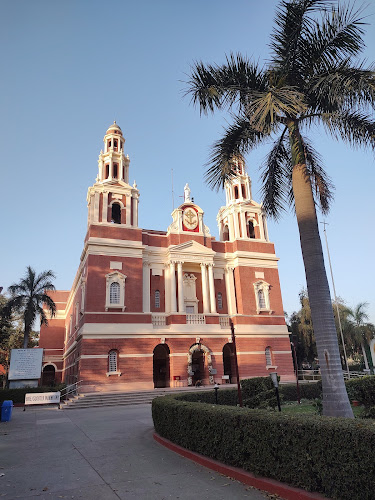
Sacred Heart Cathedral

Lotus Temple

National Rail Museum
Find Accommodations Nearby
Recommended Tours & Activities
Visitor Reviews
There are no reviews yet. Be the first one to write one.
Share Your Experience
Have you visited Kailash Colony? Help other travelers by leaving a review.