
Kaifeng
About Kaifeng
Description
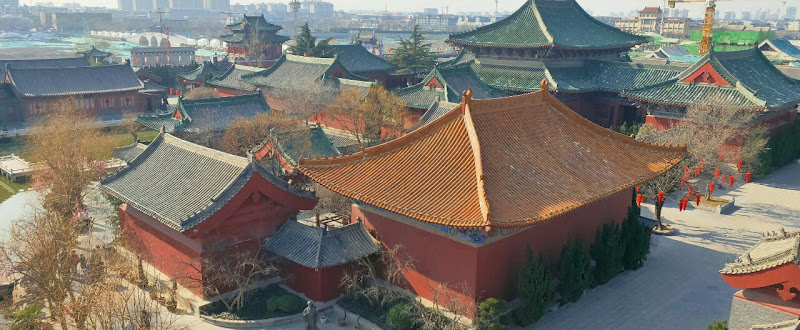
Kaifeng, located in Henan province, is one of those cities that quietly holds a thousand years of stories in its streets. It was once the capital of the Northern Song Dynasty, and you can still feel that weight of history when you walk around. The city has been rebuilt multiple times thanks to floods and wars, which means it’s a bit like a palimpsest—layers of history overlapping, each one leaving its own mark. Some people might find it a little rough around the edges compared to the polished tourist hubs like Beijing or Xi’an, but honestly, that’s part of its charm. It feels lived in, real, and not just a museum piece frozen in time.
One of the most striking landmarks is the Iron Pagoda, built in 1049. Despite its name, it’s not actually made of iron but glazed bricks that shine with a metallic hue. Standing at 55 meters tall, it’s octagonal and beautifully detailed—if you’re into architecture, you’ll be blown away by the craftsmanship. Then there’s the Daxiangguo Temple, which dates back to the Qing era. Inside, you’ll find a bodhisattva statue with around 1,000 hands, which is both awe-inspiring and slightly surreal. The city is also known for its night markets, where you can taste local Henan snacks that you probably won’t find anywhere else. Personally, I still remember the first time I tried Kaifeng’s guantang bao (soup dumplings). Let’s just say, be careful, or you’ll end up with hot broth all over your shirt—I learned that lesson the hard way.
Kaifeng isn’t perfect. Some visitors say it feels a bit chaotic, and the infrastructure doesn’t always match up to bigger cities. But if you’re the kind of traveler who enjoys digging into authentic culture, exploring places that aren’t overly polished, and discovering small surprises around every corner, Kaifeng is worth your time. It’s a city that rewards curiosity.
Key Features
- Iron Pagoda: A 55-meter-tall octagonal tower built in 1049, famous for its glazed brickwork.
- Daxiangguo Temple: A Qing-era temple with a striking 7-meter-high bodhisattva statue featuring approximately 1,000 hands.
- Historical Legacy: Former capital of the Northern Song Dynasty, offering deep cultural and historical significance.
- Local Cuisine: Renowned for street food and traditional snacks, especially guantang bao (soup dumplings).
- Night Markets: Bustling evening markets where travelers can experience authentic local life.
- Yellow River Proximity: Located just south of China’s legendary river, adding geographical and historical importance.
Best Time to Visit
Timing really matters when it comes to Kaifeng. Summers can be hot and sticky, not to mention crowded, so unless you’re a fan of sweltering heat, I’d avoid July and August. Winters, on the other hand, can be pretty chilly, though there’s a certain quietness then that some travelers might actually appreciate. If you want the sweet spot, spring and autumn are the best. From April to June and September to October, the weather is mild, the skies are clearer, and the city feels more welcoming. I was there in October once, and the crisp air paired with the smell of roasted chestnuts from street vendors made wandering the old streets feel almost cinematic.
How to Get There
Kaifeng is relatively easy to reach, though it’s not as internationally connected as bigger cities. The closest major hub is Zhengzhou, which is about an hour away by train or car. Zhengzhou has a large airport with flights from across China (and some international ones too), so most travelers come through there. From Zhengzhou, you can hop on a high-speed train or even take a bus—both are affordable and straightforward. The train ride is short and comfortable, and honestly, it’s a great way to see a bit of the Henan countryside along the way.
If you’re already traveling through central China, Kaifeng makes a nice detour. Trains connect it to other major cities like Luoyang, Xi’an, and Beijing, though some routes may take longer. I’d recommend booking tickets in advance during peak travel seasons because the trains can fill up quickly. And if you’re the adventurous type, renting a car is an option, but be prepared for Chinese traffic—let’s just say, it’s not for the faint of heart.
Tips for Visiting
First and foremost, give yourself enough time. A day trip is possible, but you’ll only scratch the surface. Two to three days is ideal if you want to explore the temples, wander the markets, and soak up the atmosphere without rushing. Wear comfortable shoes because you’ll be walking a lot, and some of the streets are uneven. Also, bring cash. While mobile payments are everywhere in China, smaller vendors in Kaifeng sometimes prefer cash, especially in the night markets.
Food-wise, don’t miss out on the local specialties. The guantang bao is a must, but there are also fried noodles, sesame cakes, and other Henan classics that are worth trying. Just pace yourself—trust me, it’s easy to go overboard at the night market. And if you’re visiting temples, remember to be respectful. Dress modestly and avoid loud behavior inside sacred spaces. It’s common sense, but I’ve seen travelers forget.
Another tip: learn a few words of Mandarin if you can. Kaifeng isn’t as international as Shanghai or Beijing, so English isn’t widely spoken. Even simple phrases like “hello” or “thank you” can go a long way in making connections with locals. I once had a vendor laugh with me for five minutes straight because I mispronounced a word while ordering food. It broke the ice, and she ended up giving me an extra dumpling for free.
Lastly, be open-minded. Kaifeng may not have the gloss of more famous destinations, but that’s exactly why it’s special. It’s a city that feels like it’s still living its history, not just displaying it. If you approach it with curiosity and patience, you’ll leave with stories and memories that stick with you long after your trip is over.
Key Features
- Key Features
- Best Time to Visit
- How to Get There
- Tips for Visiting
More Details
Updated September 24, 2025
Table of Contents
Description
Kaifeng, located in Henan province, is one of those cities that quietly holds a thousand years of stories in its streets. It was once the capital of the Northern Song Dynasty, and you can still feel that weight of history when you walk around. The city has been rebuilt multiple times thanks to floods and wars, which means it’s a bit like a palimpsest—layers of history overlapping, each one leaving its own mark. Some people might find it a little rough around the edges compared to the polished tourist hubs like Beijing or Xi’an, but honestly, that’s part of its charm. It feels lived in, real, and not just a museum piece frozen in time.
One of the most striking landmarks is the Iron Pagoda, built in 1049. Despite its name, it’s not actually made of iron but glazed bricks that shine with a metallic hue. Standing at 55 meters tall, it’s octagonal and beautifully detailed—if you’re into architecture, you’ll be blown away by the craftsmanship. Then there’s the Daxiangguo Temple, which dates back to the Qing era. Inside, you’ll find a bodhisattva statue with around 1,000 hands, which is both awe-inspiring and slightly surreal. The city is also known for its night markets, where you can taste local Henan snacks that you probably won’t find anywhere else. Personally, I still remember the first time I tried Kaifeng’s guantang bao (soup dumplings). Let’s just say, be careful, or you’ll end up with hot broth all over your shirt—I learned that lesson the hard way.
Kaifeng isn’t perfect. Some visitors say it feels a bit chaotic, and the infrastructure doesn’t always match up to bigger cities. But if you’re the kind of traveler who enjoys digging into authentic culture, exploring places that aren’t overly polished, and discovering small surprises around every corner, Kaifeng is worth your time. It’s a city that rewards curiosity.
Key Features
- Iron Pagoda: A 55-meter-tall octagonal tower built in 1049, famous for its glazed brickwork.
- Daxiangguo Temple: A Qing-era temple with a striking 7-meter-high bodhisattva statue featuring approximately 1,000 hands.
- Historical Legacy: Former capital of the Northern Song Dynasty, offering deep cultural and historical significance.
- Local Cuisine: Renowned for street food and traditional snacks, especially guantang bao (soup dumplings).
- Night Markets: Bustling evening markets where travelers can experience authentic local life.
- Yellow River Proximity: Located just south of China’s legendary river, adding geographical and historical importance.
Best Time to Visit
Timing really matters when it comes to Kaifeng. Summers can be hot and sticky, not to mention crowded, so unless you’re a fan of sweltering heat, I’d avoid July and August. Winters, on the other hand, can be pretty chilly, though there’s a certain quietness then that some travelers might actually appreciate. If you want the sweet spot, spring and autumn are the best. From April to June and September to October, the weather is mild, the skies are clearer, and the city feels more welcoming. I was there in October once, and the crisp air paired with the smell of roasted chestnuts from street vendors made wandering the old streets feel almost cinematic.
How to Get There
Kaifeng is relatively easy to reach, though it’s not as internationally connected as bigger cities. The closest major hub is Zhengzhou, which is about an hour away by train or car. Zhengzhou has a large airport with flights from across China (and some international ones too), so most travelers come through there. From Zhengzhou, you can hop on a high-speed train or even take a bus—both are affordable and straightforward. The train ride is short and comfortable, and honestly, it’s a great way to see a bit of the Henan countryside along the way.
If you’re already traveling through central China, Kaifeng makes a nice detour. Trains connect it to other major cities like Luoyang, Xi’an, and Beijing, though some routes may take longer. I’d recommend booking tickets in advance during peak travel seasons because the trains can fill up quickly. And if you’re the adventurous type, renting a car is an option, but be prepared for Chinese traffic—let’s just say, it’s not for the faint of heart.
Tips for Visiting
First and foremost, give yourself enough time. A day trip is possible, but you’ll only scratch the surface. Two to three days is ideal if you want to explore the temples, wander the markets, and soak up the atmosphere without rushing. Wear comfortable shoes because you’ll be walking a lot, and some of the streets are uneven. Also, bring cash. While mobile payments are everywhere in China, smaller vendors in Kaifeng sometimes prefer cash, especially in the night markets.
Food-wise, don’t miss out on the local specialties. The guantang bao is a must, but there are also fried noodles, sesame cakes, and other Henan classics that are worth trying. Just pace yourself—trust me, it’s easy to go overboard at the night market. And if you’re visiting temples, remember to be respectful. Dress modestly and avoid loud behavior inside sacred spaces. It’s common sense, but I’ve seen travelers forget.
Another tip: learn a few words of Mandarin if you can. Kaifeng isn’t as international as Shanghai or Beijing, so English isn’t widely spoken. Even simple phrases like “hello” or “thank you” can go a long way in making connections with locals. I once had a vendor laugh with me for five minutes straight because I mispronounced a word while ordering food. It broke the ice, and she ended up giving me an extra dumpling for free.
Lastly, be open-minded. Kaifeng may not have the gloss of more famous destinations, but that’s exactly why it’s special. It’s a city that feels like it’s still living its history, not just displaying it. If you approach it with curiosity and patience, you’ll leave with stories and memories that stick with you long after your trip is over.
Key Highlights
- Key Features
- Best Time to Visit
- How to Get There
- Tips for Visiting
Location
Places to Stay Near Kaifeng
Find and Book a Tour
Explore More Travel Guides
No reviews found! Be the first to review!
Traveler Reviews for Kaifeng
There are no reviews yet. Be the first one to write one.
Have you visited Kaifeng? Help other travelers by sharing your review.
You Might Also Like
Kaifeng Coal Mine Instrument And Meters Factory (North Gate)
Millennium City Park
Qifeng Cemetery-Ticket Office
Find Accommodations Nearby
Recommended Tours & Activities
Visitor Reviews
There are no reviews yet. Be the first one to write one.
Share Your Experience
Have you visited Kaifeng? Help other travelers by leaving a review.