

Kagoshima City Aquarium
About Kagoshima City Aquarium
Description
The Kagoshima City Aquarium stands as one of Japan's most impressive marine showcases, drawing visitors from across the globe to witness its remarkable collection of sea creatures. And honestly, once you step inside this oceanographic wonderland, you'll understand why it's earned such a stellar reputation among aquarium enthusiasts.
What sets this aquarium apart from others isn't just its size or modern facilities—it's the genuine commitment to showcasing Kagoshima's unique marine ecosystem alongside species from around the world. The facility houses an extraordinary variety of native marine life that you simply won't find anywhere else, making it a must-visit destination for anyone curious about Japan's underwater treasures.
The crown jewel of the aquarium has to be their magnificent whale shark exhibit. I've visited numerous aquariums worldwide, but there's something absolutely mesmerizing about watching these gentle giants glide through the massive tank that never gets old. The sheer scale of these creatures—some reaching lengths of over 30 feet—creates an almost spiritual experience that stays with you long after your visit ends.
But the whale sharks are just the beginning. The aquarium's commitment to education and conservation shines through every exhibit, from the interactive touch pools where children can safely handle starfish and sea cucumbers, to the detailed information displays that teach visitors about marine conservation efforts in Kagoshima Bay.
Key Features
Visitors to Kagoshima City Aquarium can expect an impressive array of attractions and amenities that cater to all ages and interests:
- Whale Shark Main Tank - The centerpiece exhibit featuring multiple whale sharks in a massive 1,500-ton tank that offers 360-degree viewing opportunities
- Daily Dolphin Shows - Interactive performances showcasing the intelligence and athleticism of bottlenose dolphins, with shows typically running 3-4 times daily
- Native Species Exhibits - Dedicated sections highlighting marine life indigenous to Kagoshima Bay and surrounding waters, including rare subtropical species
- Interactive Touch Pools - Hands-on experiences allowing visitors to safely interact with rays, sea stars, and other docile marine creatures
- Feeding Demonstrations - Scheduled feeding times throughout the day where visitors can observe natural feeding behaviors of various species
- Children's Playground Area - Dedicated play space for younger visitors to burn off energy between exhibits
- Educational Theater - Regular presentations about marine biology, conservation efforts, and local ecosystem preservation
- Gift Shop and Café - On-site dining and souvenir shopping with aquarium-themed merchandise and local Kagoshima specialties
- Full Accessibility Features - Wheelchair-accessible entrances, elevators, and viewing areas throughout the facility
- Modern Payment Systems - Accepts all major payment methods including contactless payments, IC cards, and popular Japanese mobile payment apps
Best Time to Visit
Timing your visit to Kagoshima City Aquarium can significantly impact your overall experience, and I've learned this the hard way after visiting during both peak and off-peak periods.
The absolute best time to visit is on weekday mornings, particularly Tuesday through Thursday, when you'll encounter the smallest crowds and have the most intimate viewing experiences. I remember visiting on a Tuesday morning in early October and having the whale shark tank almost entirely to myself for nearly 20 minutes—something that's virtually impossible during weekends or holidays.
If you're traveling with children, aim for the 10 AM opening time. The first dolphin show of the day typically has the best seating availability, and the dolphins seem more energetic during their morning performance. Plus, you'll beat the afternoon rush of local school groups that often visit between 1-3 PM.
Weather-wise, the aquarium is a perfect rainy day activity, which makes it particularly valuable during Kagoshima's rainy season (June-July). But don't overlook visiting during pleasant weather either—the outdoor areas and nearby Kagoshima Bay views add an extra dimension to your experience.
Avoid visiting during Golden Week (late April to early May), Obon (mid-August), and New Year holidays unless you don't mind dealing with substantial crowds. During these periods, expect longer wait times for popular exhibits and difficulty securing good viewing spots for shows.
For photography enthusiasts, late morning light (around 11 AM - 1 PM) provides the best natural illumination for the main tanks, though the aquarium's LED lighting system ensures decent photo opportunities throughout operating hours.
How to Get There
Getting to Kagoshima City Aquarium is surprisingly straightforward, though the journey itself offers some scenic rewards that many visitors don't anticipate.
From Kagoshima-Chuo Station, the most convenient option is taking the city tram (streetcar) on the Kagoshima City Transportation Line. Board the tram heading toward Kagoshima Suizokukan-guchi (which literally translates to "Kagoshima Aquarium entrance"—pretty convenient, right?). The journey takes approximately 15-20 minutes and costs around 170 yen for adults.
The tram ride itself is part of the experience. You'll pass through downtown Kagoshima, catch glimpses of Sakurajima volcano across the bay, and get a real sense of local life as residents use this historic transportation system for their daily commutes.
If you're driving, the aquarium offers ample parking facilities with spaces for both regular vehicles and buses. The parking lot is wheelchair accessible and accepts various payment methods. From the Kyushu Expressway, take the Kagoshima IC exit and follow signs toward the city center, then look for aquarium directional signs.
For those staying in central Kagoshima hotels, many offer shuttle services or can arrange taxi transportation. The taxi ride from most downtown locations takes 10-15 minutes, depending on traffic, and costs approximately 1,500-2,000 yen.
A lesser-known transportation option is the city bus system, which connects the aquarium to various neighborhoods throughout Kagoshima. This can be particularly useful if you're combining your aquarium visit with other attractions in the area.
International visitors should note that the aquarium is well-connected to Kagoshima Airport via public transportation, making it accessible even for day-trip visitors who are passing through the region.
Tips for Visiting
After multiple visits to this aquarium, I've gathered some insider knowledge that can really enhance your experience—and help you avoid some common pitfalls that catch first-time visitors off guard.
First and probably most importantly: download the aquarium's mobile app before your visit. It's available in multiple languages and includes real-time show schedules, feeding times, and interactive maps. The app also offers augmented reality features for certain exhibits that add educational content when you point your phone at displays.
Bring a refillable water bottle. The aquarium can get warm, especially during summer months, and staying hydrated while walking through multiple floors of exhibits is crucial. There are water fountains throughout the facility, and the café sells beverages, but having your own water saves time and money.
For the dolphin shows, arrive at least 15 minutes early to secure decent seating. The front rows do get splashed during certain performances—which kids absolutely love, but might not be ideal if you're carrying camera equipment or wearing nice clothes.
Photography tip: Turn off your camera flash. Not only does it stress the marine animals, but it also creates terrible reflections on the tank glass. The aquarium's lighting is specifically designed for optimal viewing, and modern cameras handle low-light conditions much better than you might expect.
Pack snacks for children, but check the aquarium's food policy first. While outside food isn't prohibited in all areas, there are designated eating spaces. The on-site café offers kid-friendly options, though they can be pricier than bringing your own.
Don't rush through the exhibits. I see too many visitors speed-walking past incredible displays because they're trying to see everything in two hours. Plan for at least half a day, and consider purchasing the annual pass if you're staying in Kagoshima for more than a few days—it often pays for itself after just two visits.
The touch pools require hand washing before and after interaction. There are designated washing stations, and staff members are usually present to guide proper interaction techniques. This is especially important for children who might be overly enthusiastic about touching sea creatures.
Finally, check the weather forecast and dress in layers. The aquarium maintains different temperatures in various sections to accommodate different species, so you might find yourself removing or adding clothing as you move through exhibits.
One last piece of advice: engage with the staff. Many of the aquarium workers are incredibly knowledgeable marine biology enthusiasts who genuinely love sharing information about the animals in their care. Don't hesitate to ask questions—you'll often learn fascinating details that aren't included in the standard displays.
Key Features
- Kurosio Great Tank (25-m wide, ~1,500-ton panoramic tank showcasing Kuroshio species)
- Whale shark and large pelagic exhibits (seasonal and notable displays)
- Dolphin shows and live feeding demonstrations
- Extensive local-species galleries highlighting Kagoshima, Kinko Bay and the Kuroshio Current
- Easy access and scenic views beside Sakurajima Ferry Terminal
More Details
Updated September 13, 2025
Table of Contents
Description
The Kagoshima City Aquarium stands as one of Japan’s most impressive marine showcases, drawing visitors from across the globe to witness its remarkable collection of sea creatures. And honestly, once you step inside this oceanographic wonderland, you’ll understand why it’s earned such a stellar reputation among aquarium enthusiasts.
What sets this aquarium apart from others isn’t just its size or modern facilities—it’s the genuine commitment to showcasing Kagoshima’s unique marine ecosystem alongside species from around the world. The facility houses an extraordinary variety of native marine life that you simply won’t find anywhere else, making it a must-visit destination for anyone curious about Japan’s underwater treasures.
The crown jewel of the aquarium has to be their magnificent whale shark exhibit. I’ve visited numerous aquariums worldwide, but there’s something absolutely mesmerizing about watching these gentle giants glide through the massive tank that never gets old. The sheer scale of these creatures—some reaching lengths of over 30 feet—creates an almost spiritual experience that stays with you long after your visit ends.
But the whale sharks are just the beginning. The aquarium’s commitment to education and conservation shines through every exhibit, from the interactive touch pools where children can safely handle starfish and sea cucumbers, to the detailed information displays that teach visitors about marine conservation efforts in Kagoshima Bay.
Key Features
Visitors to Kagoshima City Aquarium can expect an impressive array of attractions and amenities that cater to all ages and interests:
- Whale Shark Main Tank – The centerpiece exhibit featuring multiple whale sharks in a massive 1,500-ton tank that offers 360-degree viewing opportunities
- Daily Dolphin Shows – Interactive performances showcasing the intelligence and athleticism of bottlenose dolphins, with shows typically running 3-4 times daily
- Native Species Exhibits – Dedicated sections highlighting marine life indigenous to Kagoshima Bay and surrounding waters, including rare subtropical species
- Interactive Touch Pools – Hands-on experiences allowing visitors to safely interact with rays, sea stars, and other docile marine creatures
- Feeding Demonstrations – Scheduled feeding times throughout the day where visitors can observe natural feeding behaviors of various species
- Children’s Playground Area – Dedicated play space for younger visitors to burn off energy between exhibits
- Educational Theater – Regular presentations about marine biology, conservation efforts, and local ecosystem preservation
- Gift Shop and Café – On-site dining and souvenir shopping with aquarium-themed merchandise and local Kagoshima specialties
- Full Accessibility Features – Wheelchair-accessible entrances, elevators, and viewing areas throughout the facility
- Modern Payment Systems – Accepts all major payment methods including contactless payments, IC cards, and popular Japanese mobile payment apps
Best Time to Visit
Timing your visit to Kagoshima City Aquarium can significantly impact your overall experience, and I’ve learned this the hard way after visiting during both peak and off-peak periods.
The absolute best time to visit is on weekday mornings, particularly Tuesday through Thursday, when you’ll encounter the smallest crowds and have the most intimate viewing experiences. I remember visiting on a Tuesday morning in early October and having the whale shark tank almost entirely to myself for nearly 20 minutes—something that’s virtually impossible during weekends or holidays.
If you’re traveling with children, aim for the 10 AM opening time. The first dolphin show of the day typically has the best seating availability, and the dolphins seem more energetic during their morning performance. Plus, you’ll beat the afternoon rush of local school groups that often visit between 1-3 PM.
Weather-wise, the aquarium is a perfect rainy day activity, which makes it particularly valuable during Kagoshima’s rainy season (June-July). But don’t overlook visiting during pleasant weather either—the outdoor areas and nearby Kagoshima Bay views add an extra dimension to your experience.
Avoid visiting during Golden Week (late April to early May), Obon (mid-August), and New Year holidays unless you don’t mind dealing with substantial crowds. During these periods, expect longer wait times for popular exhibits and difficulty securing good viewing spots for shows.
For photography enthusiasts, late morning light (around 11 AM – 1 PM) provides the best natural illumination for the main tanks, though the aquarium’s LED lighting system ensures decent photo opportunities throughout operating hours.
How to Get There
Getting to Kagoshima City Aquarium is surprisingly straightforward, though the journey itself offers some scenic rewards that many visitors don’t anticipate.
From Kagoshima-Chuo Station, the most convenient option is taking the city tram (streetcar) on the Kagoshima City Transportation Line. Board the tram heading toward Kagoshima Suizokukan-guchi (which literally translates to “Kagoshima Aquarium entrance”—pretty convenient, right?). The journey takes approximately 15-20 minutes and costs around 170 yen for adults.
The tram ride itself is part of the experience. You’ll pass through downtown Kagoshima, catch glimpses of Sakurajima volcano across the bay, and get a real sense of local life as residents use this historic transportation system for their daily commutes.
If you’re driving, the aquarium offers ample parking facilities with spaces for both regular vehicles and buses. The parking lot is wheelchair accessible and accepts various payment methods. From the Kyushu Expressway, take the Kagoshima IC exit and follow signs toward the city center, then look for aquarium directional signs.
For those staying in central Kagoshima hotels, many offer shuttle services or can arrange taxi transportation. The taxi ride from most downtown locations takes 10-15 minutes, depending on traffic, and costs approximately 1,500-2,000 yen.
A lesser-known transportation option is the city bus system, which connects the aquarium to various neighborhoods throughout Kagoshima. This can be particularly useful if you’re combining your aquarium visit with other attractions in the area.
International visitors should note that the aquarium is well-connected to Kagoshima Airport via public transportation, making it accessible even for day-trip visitors who are passing through the region.
Tips for Visiting
After multiple visits to this aquarium, I’ve gathered some insider knowledge that can really enhance your experience—and help you avoid some common pitfalls that catch first-time visitors off guard.
First and probably most importantly: download the aquarium’s mobile app before your visit. It’s available in multiple languages and includes real-time show schedules, feeding times, and interactive maps. The app also offers augmented reality features for certain exhibits that add educational content when you point your phone at displays.
Bring a refillable water bottle. The aquarium can get warm, especially during summer months, and staying hydrated while walking through multiple floors of exhibits is crucial. There are water fountains throughout the facility, and the café sells beverages, but having your own water saves time and money.
For the dolphin shows, arrive at least 15 minutes early to secure decent seating. The front rows do get splashed during certain performances—which kids absolutely love, but might not be ideal if you’re carrying camera equipment or wearing nice clothes.
Photography tip: Turn off your camera flash. Not only does it stress the marine animals, but it also creates terrible reflections on the tank glass. The aquarium’s lighting is specifically designed for optimal viewing, and modern cameras handle low-light conditions much better than you might expect.
Pack snacks for children, but check the aquarium’s food policy first. While outside food isn’t prohibited in all areas, there are designated eating spaces. The on-site café offers kid-friendly options, though they can be pricier than bringing your own.
Don’t rush through the exhibits. I see too many visitors speed-walking past incredible displays because they’re trying to see everything in two hours. Plan for at least half a day, and consider purchasing the annual pass if you’re staying in Kagoshima for more than a few days—it often pays for itself after just two visits.
The touch pools require hand washing before and after interaction. There are designated washing stations, and staff members are usually present to guide proper interaction techniques. This is especially important for children who might be overly enthusiastic about touching sea creatures.
Finally, check the weather forecast and dress in layers. The aquarium maintains different temperatures in various sections to accommodate different species, so you might find yourself removing or adding clothing as you move through exhibits.
One last piece of advice: engage with the staff. Many of the aquarium workers are incredibly knowledgeable marine biology enthusiasts who genuinely love sharing information about the animals in their care. Don’t hesitate to ask questions—you’ll often learn fascinating details that aren’t included in the standard displays.
Key Highlights
- Kurosio Great Tank (25-m wide, ~1,500-ton panoramic tank showcasing Kuroshio species)
- Whale shark and large pelagic exhibits (seasonal and notable displays)
- Dolphin shows and live feeding demonstrations
- Extensive local-species galleries highlighting Kagoshima, Kinko Bay and the Kuroshio Current
- Easy access and scenic views beside Sakurajima Ferry Terminal
Location
Places to Stay Near Kagoshima City Aquarium
Find and Book a Tour
Explore More Travel Guides
No reviews found! Be the first to review!
Traveler Reviews for Kagoshima City Aquarium
There are no reviews yet. Be the first one to write one.
Have you visited Kagoshima City Aquarium? Help other travelers by sharing your review.
Nearby Attractions
You Might Also Like

Cave of Takamori Saigo (Satsuma Rebellion 1877)

Kagoshima
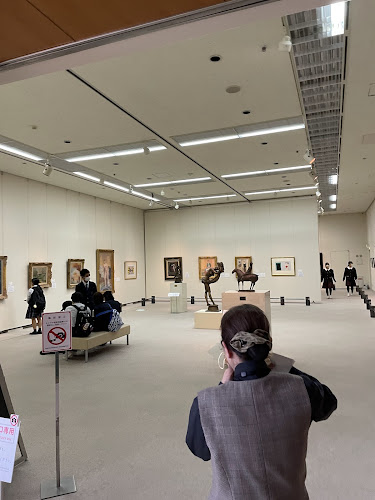
Kagoshima City Museum of Art
Find Accommodations Nearby
Recommended Tours & Activities
Visitor Reviews
There are no reviews yet. Be the first one to write one.
Share Your Experience
Have you visited Kagoshima City Aquarium? Help other travelers by leaving a review.