
Kagoshima
About Kagoshima
Description
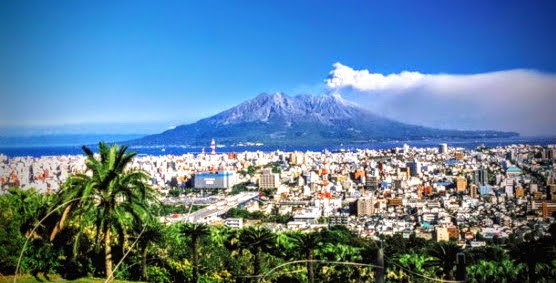
Kagoshima sits at the southern tip of Kyushu Island, and honestly, it's one of those Japanese cities that doesn't get nearly enough attention from international travelers. Most people rush through on their way to somewhere else, which is a shame because this seaside city has a personality all its own. The first thing you'll notice when you arrive is Sakurajima – and trust me, you can't miss it. This active volcano dominates the skyline like a moody neighbor who occasionally reminds everyone it's still very much awake. I remember standing at the waterfront for the first time, watching ash gently falling from the volcano across the bay. The locals barely flinched, casually brushing volcanic dust off their shoulders like it was just another Tuesday. That's Kagoshima for you – a city that's learned to live alongside one of nature's most powerful forces with remarkable grace and even a sense of humor about the whole thing. The city itself sprawls along Kinko Bay, offering this incredible juxtaposition of urban life and raw geological power. You've got modern shopping districts, historic samurai quarters, traditional onsen baths heated by volcanic activity, and always that imposing mountain across the water reminding you that nature's still running the show here. The prefecture capital serves as both a gateway to southern Kyushu's attractions and a destination worthy of several days exploration in its own right. What makes Kagoshima particularly fascinating is how the volcano has shaped literally everything about this place – the food, the culture, the daily routines, even the way people dress. And the 1914 eruption that connected Sakurajima to the Osumi Peninsula? That geological event fundamentally changed the city's relationship with its most famous landmark, transforming an island volcano into something you can actually drive to and explore on foot.Key Features
- Sakurajima volcano offers one of the world's most accessible active volcanic experiences, with regular ferry service from downtown Kagoshima taking just 15 minutes to reach this geological wonder
- The Nagisa Lava Trail at the volcano's base provides an otherworldly hiking experience through hardened lava fields studded with massive boulders, remnants of past eruptions that tell the mountain's violent history
- Sengan-en Garden, a UNESCO World Heritage site, incorporates Sakurajima into its landscape design – a concept called "borrowed scenery" that Japanese gardeners have perfected over centuries
- Natural hot springs throughout the city utilize volcanic heat, offering visitors the chance to soak in mineral-rich waters while contemplating the source of all that geothermal energy
- Shiroyama Observatory provides panoramic views of the entire city, Kinko Bay, and Sakurajima from an elevated vantage point where the last samurai made their final stand in 1877
- Local Kurobuta pork, raised in the volcanic soil-enriched region, has achieved legendary status among food enthusiasts and represents some of Japan's finest culinary offerings
- Ash shelters scattered throughout the city offer protection during volcanic eruptions, serving as constant reminders that this isn't your typical tourist destination
- Ferry system operates 24 hours daily between Kagoshima port and Sakurajima, making it one of the most frequent and accessible ferry routes in Japan
- The city's southern location provides a subtropical climate distinctly different from mainland Japan, with palm trees lining certain streets creating an almost tropical atmosphere
- Historical significance as the birthplace of several influential figures who shaped modern Japan, including Takamori Saigo, whose story inspired the film "The Last Samurai"
Best Time to Visit
Here's where I'm gonna be straight with you – Kagoshima doesn't really have a bad season, but it definitely has better ones depending on what you're after. Spring, particularly late March through April, brings cherry blossoms that frame Sakurajima in pink and white, creating photo opportunities that'll make your Instagram followers incredibly jealous. But it also brings crowds, especially during Golden Week in early May when domestic tourism spikes considerably. Fall, specifically October and November, might actually be the sweet spot. The weather's comfortable, the humidity drops to reasonable levels, and you can explore the lava trails without feeling like you're hiking through a sauna. The autumn colors aren't as dramatic as you'd find in northern Japan, but the combination of mild temperatures and fewer tourists makes this period ideal for serious exploration. Summer gets hot and humid – I mean really humid. We're talking about that sticky, oppressive heat that makes you want to take three showers a day. July and August also bring typhoon season, though Kagoshima's geographic position provides some protection from the worst storms. However, if you can handle the heat, summer festivals and the absolute explosion of local produce make it worthwhile for adventurous travelers. Winter remains surprisingly mild compared to most of Japan, with temperatures rarely dropping below freezing. January and February occasionally bring snow to Sakurajima's peak, creating this surreal contrast between white volcanic slopes and the relatively warm city below. Tourist numbers plummet during winter months, meaning you'll often have major attractions nearly to yourself – something increasingly rare in Japan these days. The volcano doesn't take vacation days, though. Sakurajima erupts regularly throughout the year, with small explosions occurring sometimes multiple times daily. These mini-eruptions are generally harmless but can affect visibility and leave a fine coating of ash on everything. Local weather forecasts include ash fall predictions, which feels bizarrely normal once you've been there a few days.How to Get There
Flying into Kagoshima Airport is probably the most straightforward option for international travelers. The airport handles domestic flights from major Japanese cities like Tokyo, Osaka, and Nagoya, plus limited international connections from Asian hubs. From the airport, buses run regularly into the city center, taking about 40 minutes and costing around 1,300 yen – way cheaper than a taxi, which'll set you back close to 10,000 yen. The Kyushu Shinkansen makes reaching Kagoshima from other parts of Japan remarkably easy. From Fukuoka's Hakata Station, the journey takes roughly 90 minutes on the fastest trains. Coming from Osaka or Tokyo requires a connection, but Japan Rail Pass holders will find this route offers excellent value. The Kagoshima-Chuo Station sits conveniently in the city center, putting you within easy reach of most hotels and attractions. If you're feeling adventurous and have time to spare, overnight ferries connect Kagoshima with Osaka and Okinawa. These ships offer a completely different travel experience, letting you wake up in a new place while saving a night's accommodation. The journey to Osaka takes about 12 hours, and honestly, there's something magical about approaching Kagoshima from the sea with Sakurajima rising from the water. Getting around the city itself is pretty manageable. The tram system covers major tourist areas and costs just 190 yen for adults per ride, though day passes offer better value if you're planning multiple trips. Buses fill in the gaps, though routes can be confusing for non-Japanese speakers. Renting a car makes sense if you want to explore the wider prefecture, but for Kagoshima city proper, public transportation handles most traveler needs efficiently.Tips for Visiting
Bring a small umbrella or hat, and I'm not talking about rain protection. Volcanic ash falls regularly here, and while it won't hurt you, it's annoying when it gets in your hair or eyes. Locals carry umbrellas for ash days the same way other people prepare for light rain. You'll see what I mean when you notice cars covered in gray dust every morning. Download offline maps before relying solely on data connection. Parts of Sakurajima have spotty cell coverage, and you don't want to be wandering lava fields without navigation. Also, the island has limited facilities – meaning bathrooms and vending machines aren't as abundant as you'd find in mainland Japan. Plan accordingly, especially if you're hiking the trails. Try the local specialties, seriously. Kurobuta pork isn't just marketing hype; it really is exceptional. The volcanic soil creates unique growing conditions that affect everything from vegetables to tea. Kagoshima also produces excellent shochu, a distilled spirit that deserves way more international recognition than it gets. And don't skip the Satsuma-age (fried fish cakes) – they're everywhere for a reason. Visit the volcano early in the day if possible. Morning usually offers the clearest views before afternoon clouds roll in and potentially obscure Sakurajima from certain angles. Plus, hiking lava fields under midday sun, particularly in summer, is pretty miserable. The 24-hour ferry service means you've got flexibility, but trust me, cooler morning temperatures make exploration far more pleasant. Check the volcanic activity level before planning extensive Sakurajima exploration. While the volcano rarely poses serious danger to visitors, larger eruptions occasionally close certain trails or restrict access to specific areas. The Japan Meteorological Agency provides real-time updates, and most hotels can advise on current conditions. It's an active volcano, not a theme park, so respecting safety guidelines isn't optional. Consider staying at a ryokan with volcanic hot springs at least one night. The traditional Japanese inn experience combined with naturally heated onsen creates memories that typical hotel stays simply can't match. Many ryokans overlook Kinko Bay with Sakurajima views, letting you soak in hot mineral water while watching the volcano across the water – it's as surreal as it sounds. Learn a few basic Japanese phrases if you don't speak the language. Kagoshima sees fewer international tourists than Tokyo or Kyoto, meaning English speakers are less common outside major hotels and tourist information centers. But people are genuinely friendly and patient with visitors attempting Japanese, even if it's just "arigatou gozaimasu" (thank you very much). Budget extra time for ash-related disruptions. Flights occasionally get delayed, visibility drops suddenly, and outdoor plans might need adjusting based on volcanic activity. This unpredictability is part of Kagoshima's character, though, and honestly makes the whole experience more memorable. You're visiting a city that lives with an active volcano – embrace the slight chaos that comes with that reality.Key Features
- Views of active volcano Sakurajima across Kinko Bay
- Strong Satsuma samurai history and museums (e.g., Museum of the Meiji Restoration)
- Lively local food scene with Kagoshima pork, fresh seafood, and shochu
- Numerous nearby natural destinations and islands (Yakushima, Amami Ōshima)
- Accessible onsen, parks, and palm-lined promenades in a compact city center
More Details
Updated March 30, 2026
Table of Contents
Description
Kagoshima sits at the southern tip of Kyushu Island, and honestly, it’s one of those Japanese cities that doesn’t get nearly enough attention from international travelers. Most people rush through on their way to somewhere else, which is a shame because this seaside city has a personality all its own. The first thing you’ll notice when you arrive is Sakurajima – and trust me, you can’t miss it. This active volcano dominates the skyline like a moody neighbor who occasionally reminds everyone it’s still very much awake.
I remember standing at the waterfront for the first time, watching ash gently falling from the volcano across the bay. The locals barely flinched, casually brushing volcanic dust off their shoulders like it was just another Tuesday. That’s Kagoshima for you – a city that’s learned to live alongside one of nature’s most powerful forces with remarkable grace and even a sense of humor about the whole thing.
The city itself sprawls along Kinko Bay, offering this incredible juxtaposition of urban life and raw geological power. You’ve got modern shopping districts, historic samurai quarters, traditional onsen baths heated by volcanic activity, and always that imposing mountain across the water reminding you that nature’s still running the show here. The prefecture capital serves as both a gateway to southern Kyushu’s attractions and a destination worthy of several days exploration in its own right.
What makes Kagoshima particularly fascinating is how the volcano has shaped literally everything about this place – the food, the culture, the daily routines, even the way people dress. And the 1914 eruption that connected Sakurajima to the Osumi Peninsula? That geological event fundamentally changed the city’s relationship with its most famous landmark, transforming an island volcano into something you can actually drive to and explore on foot.
Key Features
- Sakurajima volcano offers one of the world’s most accessible active volcanic experiences, with regular ferry service from downtown Kagoshima taking just 15 minutes to reach this geological wonder
- The Nagisa Lava Trail at the volcano’s base provides an otherworldly hiking experience through hardened lava fields studded with massive boulders, remnants of past eruptions that tell the mountain’s violent history
- Sengan-en Garden, a UNESCO World Heritage site, incorporates Sakurajima into its landscape design – a concept called “borrowed scenery” that Japanese gardeners have perfected over centuries
- Natural hot springs throughout the city utilize volcanic heat, offering visitors the chance to soak in mineral-rich waters while contemplating the source of all that geothermal energy
- Shiroyama Observatory provides panoramic views of the entire city, Kinko Bay, and Sakurajima from an elevated vantage point where the last samurai made their final stand in 1877
- Local Kurobuta pork, raised in the volcanic soil-enriched region, has achieved legendary status among food enthusiasts and represents some of Japan’s finest culinary offerings
- Ash shelters scattered throughout the city offer protection during volcanic eruptions, serving as constant reminders that this isn’t your typical tourist destination
- Ferry system operates 24 hours daily between Kagoshima port and Sakurajima, making it one of the most frequent and accessible ferry routes in Japan
- The city’s southern location provides a subtropical climate distinctly different from mainland Japan, with palm trees lining certain streets creating an almost tropical atmosphere
- Historical significance as the birthplace of several influential figures who shaped modern Japan, including Takamori Saigo, whose story inspired the film “The Last Samurai”
Best Time to Visit
Here’s where I’m gonna be straight with you – Kagoshima doesn’t really have a bad season, but it definitely has better ones depending on what you’re after. Spring, particularly late March through April, brings cherry blossoms that frame Sakurajima in pink and white, creating photo opportunities that’ll make your Instagram followers incredibly jealous. But it also brings crowds, especially during Golden Week in early May when domestic tourism spikes considerably.
Fall, specifically October and November, might actually be the sweet spot. The weather’s comfortable, the humidity drops to reasonable levels, and you can explore the lava trails without feeling like you’re hiking through a sauna. The autumn colors aren’t as dramatic as you’d find in northern Japan, but the combination of mild temperatures and fewer tourists makes this period ideal for serious exploration.
Summer gets hot and humid – I mean really humid. We’re talking about that sticky, oppressive heat that makes you want to take three showers a day. July and August also bring typhoon season, though Kagoshima’s geographic position provides some protection from the worst storms. However, if you can handle the heat, summer festivals and the absolute explosion of local produce make it worthwhile for adventurous travelers.
Winter remains surprisingly mild compared to most of Japan, with temperatures rarely dropping below freezing. January and February occasionally bring snow to Sakurajima’s peak, creating this surreal contrast between white volcanic slopes and the relatively warm city below. Tourist numbers plummet during winter months, meaning you’ll often have major attractions nearly to yourself – something increasingly rare in Japan these days.
The volcano doesn’t take vacation days, though. Sakurajima erupts regularly throughout the year, with small explosions occurring sometimes multiple times daily. These mini-eruptions are generally harmless but can affect visibility and leave a fine coating of ash on everything. Local weather forecasts include ash fall predictions, which feels bizarrely normal once you’ve been there a few days.
How to Get There
Flying into Kagoshima Airport is probably the most straightforward option for international travelers. The airport handles domestic flights from major Japanese cities like Tokyo, Osaka, and Nagoya, plus limited international connections from Asian hubs. From the airport, buses run regularly into the city center, taking about 40 minutes and costing around 1,300 yen – way cheaper than a taxi, which’ll set you back close to 10,000 yen.
The Kyushu Shinkansen makes reaching Kagoshima from other parts of Japan remarkably easy. From Fukuoka’s Hakata Station, the journey takes roughly 90 minutes on the fastest trains. Coming from Osaka or Tokyo requires a connection, but Japan Rail Pass holders will find this route offers excellent value. The Kagoshima-Chuo Station sits conveniently in the city center, putting you within easy reach of most hotels and attractions.
If you’re feeling adventurous and have time to spare, overnight ferries connect Kagoshima with Osaka and Okinawa. These ships offer a completely different travel experience, letting you wake up in a new place while saving a night’s accommodation. The journey to Osaka takes about 12 hours, and honestly, there’s something magical about approaching Kagoshima from the sea with Sakurajima rising from the water.
Getting around the city itself is pretty manageable. The tram system covers major tourist areas and costs just 190 yen for adults per ride, though day passes offer better value if you’re planning multiple trips. Buses fill in the gaps, though routes can be confusing for non-Japanese speakers. Renting a car makes sense if you want to explore the wider prefecture, but for Kagoshima city proper, public transportation handles most traveler needs efficiently.
Tips for Visiting
Bring a small umbrella or hat, and I’m not talking about rain protection. Volcanic ash falls regularly here, and while it won’t hurt you, it’s annoying when it gets in your hair or eyes. Locals carry umbrellas for ash days the same way other people prepare for light rain. You’ll see what I mean when you notice cars covered in gray dust every morning.
Download offline maps before relying solely on data connection. Parts of Sakurajima have spotty cell coverage, and you don’t want to be wandering lava fields without navigation. Also, the island has limited facilities – meaning bathrooms and vending machines aren’t as abundant as you’d find in mainland Japan. Plan accordingly, especially if you’re hiking the trails.
Try the local specialties, seriously. Kurobuta pork isn’t just marketing hype; it really is exceptional. The volcanic soil creates unique growing conditions that affect everything from vegetables to tea. Kagoshima also produces excellent shochu, a distilled spirit that deserves way more international recognition than it gets. And don’t skip the Satsuma-age (fried fish cakes) – they’re everywhere for a reason.
Visit the volcano early in the day if possible. Morning usually offers the clearest views before afternoon clouds roll in and potentially obscure Sakurajima from certain angles. Plus, hiking lava fields under midday sun, particularly in summer, is pretty miserable. The 24-hour ferry service means you’ve got flexibility, but trust me, cooler morning temperatures make exploration far more pleasant.
Check the volcanic activity level before planning extensive Sakurajima exploration. While the volcano rarely poses serious danger to visitors, larger eruptions occasionally close certain trails or restrict access to specific areas. The Japan Meteorological Agency provides real-time updates, and most hotels can advise on current conditions. It’s an active volcano, not a theme park, so respecting safety guidelines isn’t optional.
Consider staying at a ryokan with volcanic hot springs at least one night. The traditional Japanese inn experience combined with naturally heated onsen creates memories that typical hotel stays simply can’t match. Many ryokans overlook Kinko Bay with Sakurajima views, letting you soak in hot mineral water while watching the volcano across the water – it’s as surreal as it sounds.
Learn a few basic Japanese phrases if you don’t speak the language. Kagoshima sees fewer international tourists than Tokyo or Kyoto, meaning English speakers are less common outside major hotels and tourist information centers. But people are genuinely friendly and patient with visitors attempting Japanese, even if it’s just “arigatou gozaimasu” (thank you very much).
Budget extra time for ash-related disruptions. Flights occasionally get delayed, visibility drops suddenly, and outdoor plans might need adjusting based on volcanic activity. This unpredictability is part of Kagoshima’s character, though, and honestly makes the whole experience more memorable. You’re visiting a city that lives with an active volcano – embrace the slight chaos that comes with that reality.
Key Highlights
- Views of active volcano Sakurajima across Kinko Bay
- Strong Satsuma samurai history and museums (e.g., Museum of the Meiji Restoration)
- Lively local food scene with Kagoshima pork, fresh seafood, and shochu
- Numerous nearby natural destinations and islands (Yakushima, Amami Ōshima)
- Accessible onsen, parks, and palm-lined promenades in a compact city center
Location
Places to Stay Near Kagoshima
Find and Book a Tour
Explore More Travel Guides
No reviews found! Be the first to review!
Kagoshima is a prominent Attractions located in Kagoshima.
Visit us at: Japan, 〒799-2430 Ehime, Matsuyama, Hojotsuji.
Traveler Reviews for Kagoshima
There are no reviews yet. Be the first one to write one.
Have you visited Kagoshima? Help other travelers by sharing your review.
Nearby Attractions
You Might Also Like
〒892-0851 Kagoshima, Kamitatsuochō, 2−1 南洲神社

Arimura Lava Observation Deck
Kagoshima City Museum of Art
Find Accommodations Nearby
Recommended Tours & Activities
Visitor Reviews
There are no reviews yet. Be the first one to write one.
Share Your Experience
Have you visited Kagoshima? Help other travelers by leaving a review.