
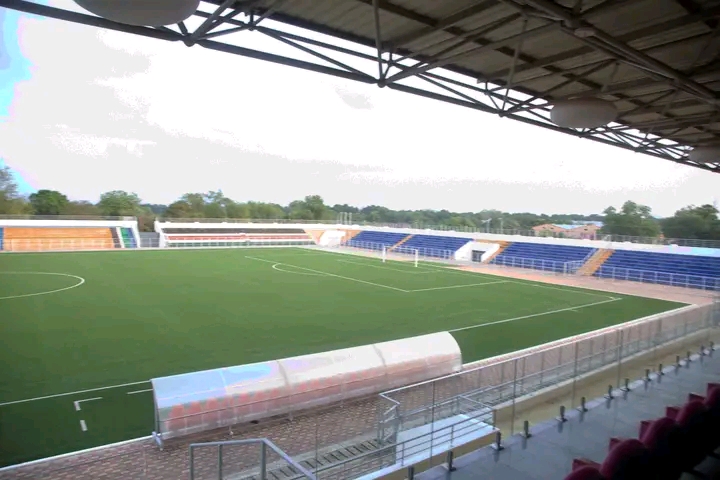
Juba National Stadium
About Juba National Stadium
Description
Juba National Stadium stands as a proud symbol of South Sudan’s growing passion for football and national pride. Recently renovated and re-inaugurated in 2024 with support from FIFA and CAF, it’s more than just a sports venue—it’s a statement of progress, hope, and unity for a young nation eager to make its mark on the global stage. The stadium now gleams with a fresh modern look, yet still holds onto the raw energy and authenticity that makes Juba so special.
I remember the first time I walked past the gates of the stadium—it wasn’t even match day, but you could still feel that buzz in the air. Locals chatting about last week’s game, kids kicking around makeshift footballs nearby, and vendors selling roasted peanuts and tea. There’s something about this place that feels genuinely alive, like it’s pulsing with the heartbeat of South Sudan itself.
Inside, the atmosphere can get electric, especially when the South Sudan national team plays. Even if you’re not a die-hard football fan, it’s hard not to get swept up in the chants, the drums, and the sea of bright flags waving proudly. The renovations have made the stadium more comfortable and accessible, with improved seating, restrooms, and wheelchair-friendly facilities. It’s not perfect—sometimes the sound system crackles, or the crowd gets a bit too excited—but that’s part of its charm. It’s real, it’s human, and it’s Juba.
Key Features
- Seating Capacity: Expanded to accommodate approximately 19,000 spectators after the 2024 renovation, making it the largest stadium in the country.
- Modern Facilities: Upgraded lighting systems, new turf that meets FIFA standards, and a redesigned seating layout for better visibility and comfort.
- Accessibility: Wheelchair-accessible entrances, restrooms, and parking areas ensure inclusivity for all visitors.
- Home of National Football: Hosts matches for the South Sudan national football team and major local league games.
- Multi-purpose Venue: Beyond football, the stadium occasionally hosts concerts, national celebrations, and cultural events.
- Community Spirit: Surrounding areas often turn into mini-markets on match days, creating a festive and communal vibe.
One underrated feature is the view from the upper stands. You get a glimpse of Juba’s skyline—low-rise buildings, palm trees, and the distant Nile glimmering under the sun. It’s a reminder that this stadium isn’t just a sports ground, but a gathering place for dreams and stories from every corner of South Sudan.
Best Time to Visit
If you want the full experience, visit during the football season when local or international matches are scheduled. The energy is contagious, and the crowd’s enthusiasm is something you have to feel to believe. Evening matches are particularly special—the floodlights come on, the air cools down, and the chants echo into the night sky.
For those who prefer a quieter visit, mornings during non-match days are ideal. You can walk around, snap some photos, and maybe chat with a few groundskeepers who are often happy to share stories about the stadium’s transformation. The dry season (roughly November to April) is the most comfortable time weather-wise, as Juba’s heat can be intense during the wet months.
How to Get There
Getting to Juba National Stadium is fairly straightforward if you’re already in the city. Most taxis and boda-bodas (motorbike taxis) know the location well, and it’s only a short ride from the city center. If you’re staying in one of Juba’s hotels, the front desk can easily arrange a ride for you. The roads leading to the stadium have improved significantly after the renovation, though traffic can get heavy on match days—so plan to arrive early.
For travelers flying into Juba International Airport, the stadium is just a quick drive away. You’ll probably pass through some lively neighborhoods along the way, giving you a glimpse of daily life in the capital. And honestly, that’s part of the fun—seeing the street scenes, the colors, the people going about their day before you step into the heart of football excitement.
Tips for Visiting
Here are a few things I’ve learned (sometimes the hard way) that might make your visit smoother and more enjoyable:
- Arrive early: Gates can get crowded, especially during big matches. Arriving an hour ahead gives you time to find good seats and soak in the pre-game buzz.
- Stay hydrated: Juba’s heat can sneak up on you. Bring bottled water or grab a cold drink from nearby vendors.
- Respect local customs: Football is a big deal here, and emotions run high. Cheer loudly, but always stay respectful—especially during national matches.
- Bring cash: Not all vendors accept mobile payments, and you’ll definitely want to try the local snacks and souvenirs.
- Mind your belongings: Like any crowded venue, keep an eye on your personal items.
- Photography: Photos are generally fine, but avoid taking close-ups of security personnel or restricted areas.
- Accessibility: If you or someone in your group uses a wheelchair, rest assured that the stadium has ramps and accessible restrooms.
And here’s a small personal note—don’t rush off after the match. Stick around for a few minutes. You’ll see players chatting with fans, kids running onto the pitch (sometimes cheekily), and the sun dipping low behind the stands. It’s one of those moments that quietly captures the soul of South Sudan—resilient, joyful, and full of heart.
Juba National Stadium may not have the grandeur of Europe’s mega-arenas, but it has something far more meaningful: authenticity. It’s a place where sport meets spirit, where every cheer tells a story, and where visitors—whether locals or travelers—feel part of something bigger. So, if your travels ever take you to Juba, make sure to carve out time for this stadium. You might come for the football, but you’ll leave remembering the people, the passion, and the promise of a nation still writing its own story.
Key Features
- Key Features
- Best Time to Visit
- How to Get There
- Tips for Visiting
More Details
Updated October 8, 2025
Table of Contents
Description
Juba National Stadium stands as a proud symbol of South Sudan’s growing passion for football and national pride. Recently renovated and re-inaugurated in 2024 with support from FIFA and CAF, it’s more than just a sports venue—it’s a statement of progress, hope, and unity for a young nation eager to make its mark on the global stage. The stadium now gleams with a fresh modern look, yet still holds onto the raw energy and authenticity that makes Juba so special.
I remember the first time I walked past the gates of the stadium—it wasn’t even match day, but you could still feel that buzz in the air. Locals chatting about last week’s game, kids kicking around makeshift footballs nearby, and vendors selling roasted peanuts and tea. There’s something about this place that feels genuinely alive, like it’s pulsing with the heartbeat of South Sudan itself.
Inside, the atmosphere can get electric, especially when the South Sudan national team plays. Even if you’re not a die-hard football fan, it’s hard not to get swept up in the chants, the drums, and the sea of bright flags waving proudly. The renovations have made the stadium more comfortable and accessible, with improved seating, restrooms, and wheelchair-friendly facilities. It’s not perfect—sometimes the sound system crackles, or the crowd gets a bit too excited—but that’s part of its charm. It’s real, it’s human, and it’s Juba.
Key Features
- Seating Capacity: Expanded to accommodate approximately 19,000 spectators after the 2024 renovation, making it the largest stadium in the country.
- Modern Facilities: Upgraded lighting systems, new turf that meets FIFA standards, and a redesigned seating layout for better visibility and comfort.
- Accessibility: Wheelchair-accessible entrances, restrooms, and parking areas ensure inclusivity for all visitors.
- Home of National Football: Hosts matches for the South Sudan national football team and major local league games.
- Multi-purpose Venue: Beyond football, the stadium occasionally hosts concerts, national celebrations, and cultural events.
- Community Spirit: Surrounding areas often turn into mini-markets on match days, creating a festive and communal vibe.
One underrated feature is the view from the upper stands. You get a glimpse of Juba’s skyline—low-rise buildings, palm trees, and the distant Nile glimmering under the sun. It’s a reminder that this stadium isn’t just a sports ground, but a gathering place for dreams and stories from every corner of South Sudan.
Best Time to Visit
If you want the full experience, visit during the football season when local or international matches are scheduled. The energy is contagious, and the crowd’s enthusiasm is something you have to feel to believe. Evening matches are particularly special—the floodlights come on, the air cools down, and the chants echo into the night sky.
For those who prefer a quieter visit, mornings during non-match days are ideal. You can walk around, snap some photos, and maybe chat with a few groundskeepers who are often happy to share stories about the stadium’s transformation. The dry season (roughly November to April) is the most comfortable time weather-wise, as Juba’s heat can be intense during the wet months.
How to Get There
Getting to Juba National Stadium is fairly straightforward if you’re already in the city. Most taxis and boda-bodas (motorbike taxis) know the location well, and it’s only a short ride from the city center. If you’re staying in one of Juba’s hotels, the front desk can easily arrange a ride for you. The roads leading to the stadium have improved significantly after the renovation, though traffic can get heavy on match days—so plan to arrive early.
For travelers flying into Juba International Airport, the stadium is just a quick drive away. You’ll probably pass through some lively neighborhoods along the way, giving you a glimpse of daily life in the capital. And honestly, that’s part of the fun—seeing the street scenes, the colors, the people going about their day before you step into the heart of football excitement.
Tips for Visiting
Here are a few things I’ve learned (sometimes the hard way) that might make your visit smoother and more enjoyable:
- Arrive early: Gates can get crowded, especially during big matches. Arriving an hour ahead gives you time to find good seats and soak in the pre-game buzz.
- Stay hydrated: Juba’s heat can sneak up on you. Bring bottled water or grab a cold drink from nearby vendors.
- Respect local customs: Football is a big deal here, and emotions run high. Cheer loudly, but always stay respectful—especially during national matches.
- Bring cash: Not all vendors accept mobile payments, and you’ll definitely want to try the local snacks and souvenirs.
- Mind your belongings: Like any crowded venue, keep an eye on your personal items.
- Photography: Photos are generally fine, but avoid taking close-ups of security personnel or restricted areas.
- Accessibility: If you or someone in your group uses a wheelchair, rest assured that the stadium has ramps and accessible restrooms.
And here’s a small personal note—don’t rush off after the match. Stick around for a few minutes. You’ll see players chatting with fans, kids running onto the pitch (sometimes cheekily), and the sun dipping low behind the stands. It’s one of those moments that quietly captures the soul of South Sudan—resilient, joyful, and full of heart.
Juba National Stadium may not have the grandeur of Europe’s mega-arenas, but it has something far more meaningful: authenticity. It’s a place where sport meets spirit, where every cheer tells a story, and where visitors—whether locals or travelers—feel part of something bigger. So, if your travels ever take you to Juba, make sure to carve out time for this stadium. You might come for the football, but you’ll leave remembering the people, the passion, and the promise of a nation still writing its own story.
Key Highlights
- Key Features
- Best Time to Visit
- How to Get There
- Tips for Visiting
Location
Places to Stay Near Juba National Stadium
Find and Book a Tour
Explore More Travel Guides
No reviews found! Be the first to review!
Traveler Reviews for Juba National Stadium
There are no reviews yet. Be the first one to write one.
Have you visited Juba National Stadium? Help other travelers by sharing your review.
You Might Also Like

Konyo Konyo Market
ZOaaaa
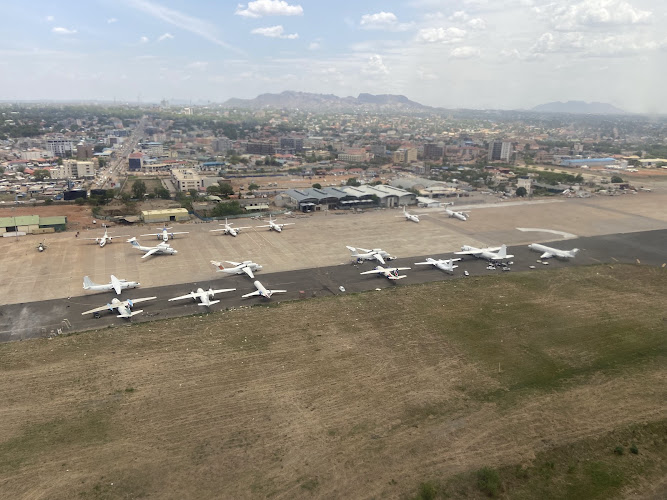
Juba International Airport
Find Accommodations Nearby
Recommended Tours & Activities
Visitor Reviews
There are no reviews yet. Be the first one to write one.
Share Your Experience
Have you visited Juba National Stadium? Help other travelers by leaving a review.