
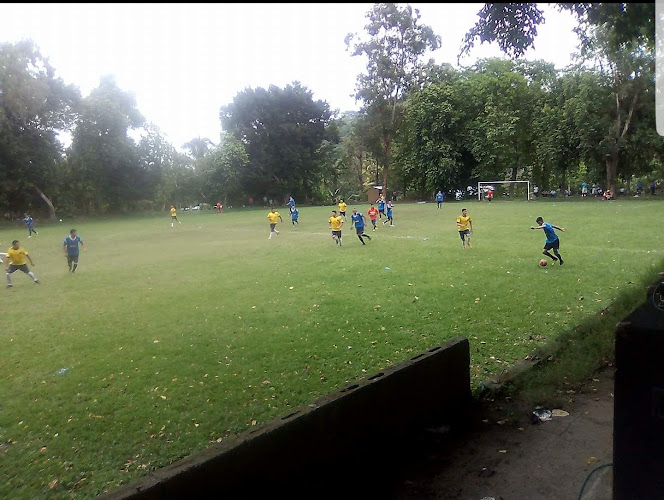
Joya Grande Football Field
About Joya Grande Football Field
Description
Imagine a lazy Saturday afternoon, the air humming with the echo of cheers, soccer balls thudding somewhere in the distance. You know that sense of community you get when a place brings everyone together? That’s the vibe you pick up at the Joya Grande Football Field. This isn’t one of those massive stadiums with concrete barricades and thousand-seat stands. Nope. It’s a local gem–honest, grassroots, and real–right in the heart of C. Hacia Joya Grande, El Salvador.
From the moment you step onto the field (honestly, watch your step—sometimes the grass can be a bit patchy), you get a feeling this place has seen hundreds of stories play out: Sunday rivalries, breathless penalty kicks, teenagers making up wild game rules just for laughs... the works. It’s not fancy; it’s functional. And that’s its real charm. Here, the mud streaks on your shorts become battle scars and every shout or whistle carries across the open sky.
You’ll see it’s well-used but clearly cared for. Sometimes, especially after a good rain, the pitch feels just a touch soft, perfect for those epic sliding tackles (if that’s your thing). The sidelines? More than a few locals chilling out and lending their vocal support–sometimes too enthusiastically (I’ve heard my fair share of colorful suggestions from the peanut gallery!). There’s just a raw, unpolished energy that makes this field stand out from the generic, ‘plastic-perfect’ ones over in the city.
For travelers who want to taste a different side of El Salvadoran football, the Joya Grande Football Field is pure authenticity. It doesn’t pretend to be anything other than what it is—a great place to kick a ball, meet locals, and soak in a bit of real life.
Key Features
- Community Spirit: Players of every age group show up. You might end up joining a pick-up match or just watching from the sidelines while kids zip past you. It’s lively, always, especially during the evenings and on local fiesta days.
- Natural Grass Surface: No artificial turf here. Old-school grass pitches mean you get muddy after rain and the occasional divot keeps you guessing. I love that unpredictability; it’s a real test of skill and improvisation.
- Open-Air Setting: Surrounded by a mix of trees and low hills—the backdrop really reminds you you’re far from any concrete jungle. It’s an honest-to-goodness slice of countryside, as relaxing as it is energizing.
- Local Food Vendors: At peak hours, don’t be surprised if you spot folks selling pupusas, soda, or cold beer out of coolers nearby. It’s not a guaranteed thing (depends who shows up), but when someone’s grilling, you’ll know.
- Flexible Access: The field’s usually open; locals aren’t fussy about strict playing times. You can drop by for an impromptu game or simply take a walk around. Mornings are pretty peaceful if you prefer a quieter experience.
- Great for Spectating: If you’re not keen on getting your shoes dirty, grab a spot by the sidelines. The energy of the crowd is infectious—sometimes a bit rowdy, always passionate. I find myself getting pulled in, even if I just meant to watch.
- Historic Matches: Some weekends, you might catch matches that trace back years—a sort of informal "local derby" where old rivals square off. There’s a special pride in those games, and honestly, it’s as much theater as sport.
Best Time to Visit
I’ll level with you—this isn’t the sort of place that posts opening hours on a shiny website. So if you want to show up when there’s guaranteed action, try late afternoons between Friday and Sunday. That’s prime time. You’ll see the field come alive. Local teams, neighborhood friends, visiting family...everybody’s out. And if you’re hoping to join a match, that window’s your best shot.
If you’re like me and actually kind of enjoy the quieter side of things, swing by on a weekday morning. Early sunlight peeking over the hills, fresh dew on the grass, maybe a couple of joggers. You can kick the ball around without an audience, let your thoughts wander, and just reconnect with the simpler joys.
But—gotta admit—rainy season (May through October) adds a whole other level. The ground gets mushy. Games turn a little more wild, people laughing as they slog through the puddles. Just remember to bring a change of socks (maybe even shoes). If you love that messy, spontaneous, authentic soccer, you'll have a blast during those months too.
Oh, and one more thing. Sometimes the locals organize little tournaments or festival games. There's not exactly a Facebook event invite to these, so ask around when you get into town. If you catch one, you're in for a real treat—food, music, and a palpable buzz.
How to Get There
Getting to Joya Grande Football Field isn’t rocket science, but you'll want to plan. If you’ve been to El Salvador before, you know sometimes roads get a little bumpy once you leave the main highway. But honestly? That’s half the fun. I’ve bounced along those twists and turns in everything from clever little sedans to rugged pickups. Just go slow if it's recently rained; the last stretch can get pretty slick.
Most travelers will start from the big city—San Salvador—and hop onto one of the local buses, which, admittedly, run pretty reliably. Look for routes heading out toward C. Hacia Joya Grande; just check with the locals so you don't end up several towns away. Sometimes the bus drivers themselves will give you a running commentary on which stop is yours (if you don’t speak Spanish, just smile and look lost—they'll usually help).
Taxi is a decent option if you're traveling with a group or carrying sports gear–sure, it’s pricier than the bus, but nothing beats the door-to-door convenience. If you’re brave and up for a real adventure, there's always the option of walking the last kilometer or so, especially if you want to take in those Salvadoran rural views.
Whatever you do, double-check your return travel plans—sometimes transport thins out at night. And hey, if you get a chance to catch a ride with some locals after a match, that's a pro move. They love showing off their town!
Tips for Visiting
- Bring the Essentials: Balls, water, snacks—pack them yourself, especially on quiet mornings when the nearby vendors sometimes don't show. Sunblock and a cap go a long way, trust me.
- Dress Down: Don't wear your fanciest sneakers. This isn’t the place for spotless whites—expect a little mud, and don’t be the one wincing about grass stains. Quick-drying clothes are your best friend.
- Jump In: Locals are warm, even with strangers. If you want to join a kick-around or match, just ask. Even if you can only say "¿Puedo jugar?" they'll probably wave you in. It’s about fun, not perfection.
- Be Respectful: This field is part of daily life here. Take care not to leave litter behind, and take your cues from the regulars. If there’s an ongoing match, wait politely.
- Pack for Rain: If you’re headed there during wet months, toss a plastic bag in your backpack for muddy shoes, and maybe keep your electronics in a waterproof pouch. I’ve learned this the hard way (drying out a phone with rice is only fun the first time).
- Capture the Moment: Bring a camera or your phone, but keep it casual. The best photos happen when you’re not trying too hard. Snap a pic of that epic save or the vendors grilling food. Looking back, those are the shots that stick with you.
- Chat with the Locals: A little friendly banter goes a long way. Folks here genuinely enjoy meeting travelers—sometimes you might even get invited to someone’s house for dinner if you hit it off after the game!
- Mind the Time: As dusk falls, it gets dark pretty fast here. Plan to wrap up your visit or ensure your way back before it’s pitch black. I once lingered too long, and believe me—finding your way on a rural road at night is double-adventure, half-fun.
- Enjoy the Simplicity: There’s a refreshing lack of pretension about this place. No ticket booths, no stadium security, just pure soccer and local spirit. Let yourself get swept up in it for a while.
In a world where sports are becoming increasingly commercialized (seriously, do we need digital billboards at every turn?), Joya Grande Football Field stands as a little reminder of what football is really about—community, improvis
Key Features
- Key Features
- Best Time to Visit
- How to Get There
- Tips for Visiting
More Details
Updated June 22, 2025
Table of Contents
Description
Imagine a lazy Saturday afternoon, the air humming with the echo of cheers, soccer balls thudding somewhere in the distance. You know that sense of community you get when a place brings everyone together? That’s the vibe you pick up at the Joya Grande Football Field. This isn’t one of those massive stadiums with concrete barricades and thousand-seat stands. Nope. It’s a local gem–honest, grassroots, and real–right in the heart of C. Hacia Joya Grande, El Salvador.
From the moment you step onto the field (honestly, watch your step—sometimes the grass can be a bit patchy), you get a feeling this place has seen hundreds of stories play out: Sunday rivalries, breathless penalty kicks, teenagers making up wild game rules just for laughs… the works. It’s not fancy; it’s functional. And that’s its real charm. Here, the mud streaks on your shorts become battle scars and every shout or whistle carries across the open sky.
You’ll see it’s well-used but clearly cared for. Sometimes, especially after a good rain, the pitch feels just a touch soft, perfect for those epic sliding tackles (if that’s your thing). The sidelines? More than a few locals chilling out and lending their vocal support–sometimes too enthusiastically (I’ve heard my fair share of colorful suggestions from the peanut gallery!). There’s just a raw, unpolished energy that makes this field stand out from the generic, ‘plastic-perfect’ ones over in the city.
For travelers who want to taste a different side of El Salvadoran football, the Joya Grande Football Field is pure authenticity. It doesn’t pretend to be anything other than what it is—a great place to kick a ball, meet locals, and soak in a bit of real life.
Key Features
- Community Spirit: Players of every age group show up. You might end up joining a pick-up match or just watching from the sidelines while kids zip past you. It’s lively, always, especially during the evenings and on local fiesta days.
- Natural Grass Surface: No artificial turf here. Old-school grass pitches mean you get muddy after rain and the occasional divot keeps you guessing. I love that unpredictability; it’s a real test of skill and improvisation.
- Open-Air Setting: Surrounded by a mix of trees and low hills—the backdrop really reminds you you’re far from any concrete jungle. It’s an honest-to-goodness slice of countryside, as relaxing as it is energizing.
- Local Food Vendors: At peak hours, don’t be surprised if you spot folks selling pupusas, soda, or cold beer out of coolers nearby. It’s not a guaranteed thing (depends who shows up), but when someone’s grilling, you’ll know.
- Flexible Access: The field’s usually open; locals aren’t fussy about strict playing times. You can drop by for an impromptu game or simply take a walk around. Mornings are pretty peaceful if you prefer a quieter experience.
- Great for Spectating: If you’re not keen on getting your shoes dirty, grab a spot by the sidelines. The energy of the crowd is infectious—sometimes a bit rowdy, always passionate. I find myself getting pulled in, even if I just meant to watch.
- Historic Matches: Some weekends, you might catch matches that trace back years—a sort of informal “local derby” where old rivals square off. There’s a special pride in those games, and honestly, it’s as much theater as sport.
Best Time to Visit
I’ll level with you—this isn’t the sort of place that posts opening hours on a shiny website. So if you want to show up when there’s guaranteed action, try late afternoons between Friday and Sunday. That’s prime time. You’ll see the field come alive. Local teams, neighborhood friends, visiting family…everybody’s out. And if you’re hoping to join a match, that window’s your best shot.
If you’re like me and actually kind of enjoy the quieter side of things, swing by on a weekday morning. Early sunlight peeking over the hills, fresh dew on the grass, maybe a couple of joggers. You can kick the ball around without an audience, let your thoughts wander, and just reconnect with the simpler joys.
But—gotta admit—rainy season (May through October) adds a whole other level. The ground gets mushy. Games turn a little more wild, people laughing as they slog through the puddles. Just remember to bring a change of socks (maybe even shoes). If you love that messy, spontaneous, authentic soccer, you’ll have a blast during those months too.
Oh, and one more thing. Sometimes the locals organize little tournaments or festival games. There’s not exactly a Facebook event invite to these, so ask around when you get into town. If you catch one, you’re in for a real treat—food, music, and a palpable buzz.
How to Get There
Getting to Joya Grande Football Field isn’t rocket science, but you’ll want to plan. If you’ve been to El Salvador before, you know sometimes roads get a little bumpy once you leave the main highway. But honestly? That’s half the fun. I’ve bounced along those twists and turns in everything from clever little sedans to rugged pickups. Just go slow if it’s recently rained; the last stretch can get pretty slick.
Most travelers will start from the big city—San Salvador—and hop onto one of the local buses, which, admittedly, run pretty reliably. Look for routes heading out toward C. Hacia Joya Grande; just check with the locals so you don’t end up several towns away. Sometimes the bus drivers themselves will give you a running commentary on which stop is yours (if you don’t speak Spanish, just smile and look lost—they’ll usually help).
Taxi is a decent option if you’re traveling with a group or carrying sports gear–sure, it’s pricier than the bus, but nothing beats the door-to-door convenience. If you’re brave and up for a real adventure, there’s always the option of walking the last kilometer or so, especially if you want to take in those Salvadoran rural views.
Whatever you do, double-check your return travel plans—sometimes transport thins out at night. And hey, if you get a chance to catch a ride with some locals after a match, that’s a pro move. They love showing off their town!
Tips for Visiting
- Bring the Essentials: Balls, water, snacks—pack them yourself, especially on quiet mornings when the nearby vendors sometimes don’t show. Sunblock and a cap go a long way, trust me.
- Dress Down: Don’t wear your fanciest sneakers. This isn’t the place for spotless whites—expect a little mud, and don’t be the one wincing about grass stains. Quick-drying clothes are your best friend.
- Jump In: Locals are warm, even with strangers. If you want to join a kick-around or match, just ask. Even if you can only say “¿Puedo jugar?” they’ll probably wave you in. It’s about fun, not perfection.
- Be Respectful: This field is part of daily life here. Take care not to leave litter behind, and take your cues from the regulars. If there’s an ongoing match, wait politely.
- Pack for Rain: If you’re headed there during wet months, toss a plastic bag in your backpack for muddy shoes, and maybe keep your electronics in a waterproof pouch. I’ve learned this the hard way (drying out a phone with rice is only fun the first time).
- Capture the Moment: Bring a camera or your phone, but keep it casual. The best photos happen when you’re not trying too hard. Snap a pic of that epic save or the vendors grilling food. Looking back, those are the shots that stick with you.
- Chat with the Locals: A little friendly banter goes a long way. Folks here genuinely enjoy meeting travelers—sometimes you might even get invited to someone’s house for dinner if you hit it off after the game!
- Mind the Time: As dusk falls, it gets dark pretty fast here. Plan to wrap up your visit or ensure your way back before it’s pitch black. I once lingered too long, and believe me—finding your way on a rural road at night is double-adventure, half-fun.
- Enjoy the Simplicity: There’s a refreshing lack of pretension about this place. No ticket booths, no stadium security, just pure soccer and local spirit. Let yourself get swept up in it for a while.
In a world where sports are becoming increasingly commercialized (seriously, do we need digital billboards at every turn?), Joya Grande Football Field stands as a little reminder of what football is really about—community, improvis
Key Highlights
- Key Features
- Best Time to Visit
- How to Get There
- Tips for Visiting
Location
Places to Stay Near Joya Grande Football Field
Find and Book a Tour
Explore More Travel Guides
No reviews found! Be the first to review!
Traveler Reviews for Joya Grande Football Field
There are no reviews yet. Be the first one to write one.
Have you visited Joya Grande Football Field? Help other travelers by sharing your review.
You Might Also Like
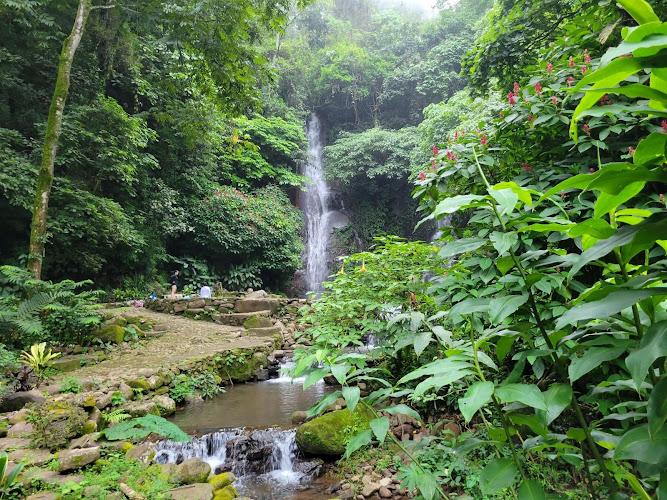
Cascadas de Don Juan
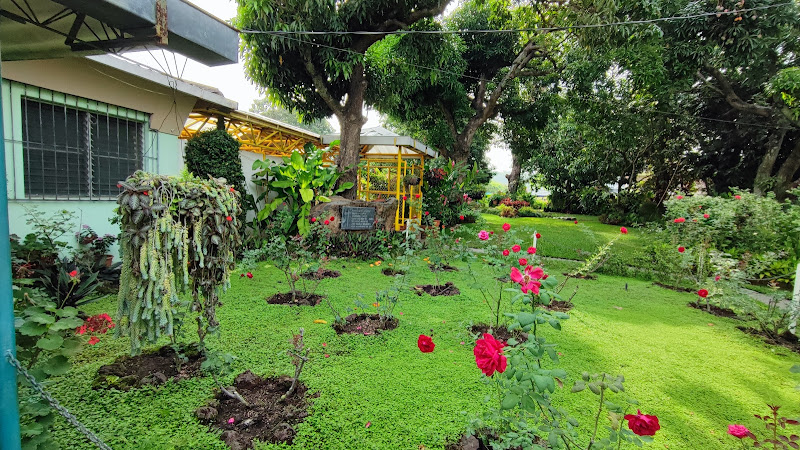
Monseñor Romero Center

Discover Coatepeque
Find Accommodations Nearby
Recommended Tours & Activities
Visitor Reviews
There are no reviews yet. Be the first one to write one.
Share Your Experience
Have you visited Joya Grande Football Field? Help other travelers by leaving a review.